ToolMage
Sign in

Best 6 Content Generation AI tools for Ai Assistant

Popular Content Generation AI tools in Ai Assistant include Mailscribe, GemiBoard, Better Powerpoints, WP AI Forms, Lnkin, and Indie Polls, helping you work more efficiently.

WP AI Forms
Paid

WP AI Forms

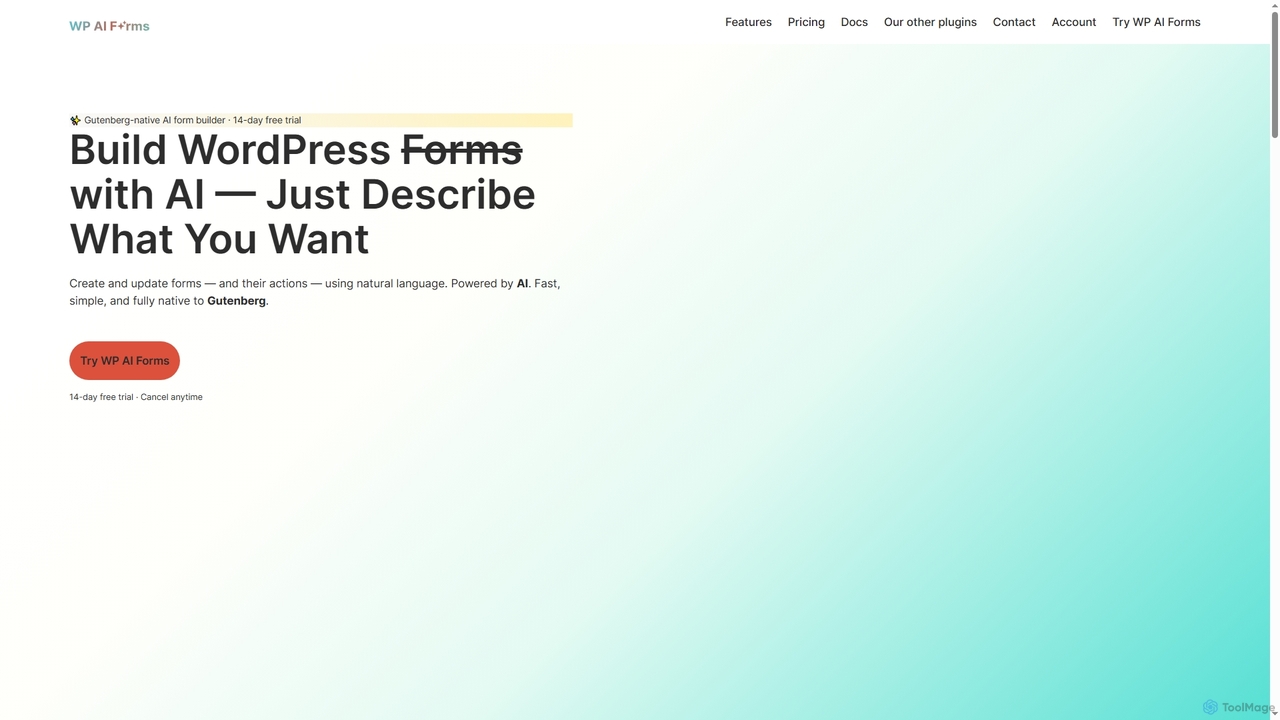
WP AI Forms is a Gutenberg-native WordPress plugin that leverages AI to instantly create and update forms using natural language. It simplifies form building, allowing users to describe their desired form and watch it appear, complete with fields, layouts, validation, and actions.

Content Generation
Visits 4.8KFavorites 35Likes 34
GemiBoard

GemiBoard

GemiBoard is an AI-powered teaching blackboard that transforms user questions into interactive diagram lessons. It simplifies complex concepts by generating visual explanations, making learning more engaging and accessible for students and educators alike.

Content Generation
Visits 4.9KFavorites 89Likes 90
Lnkin
Paid

Lnkin

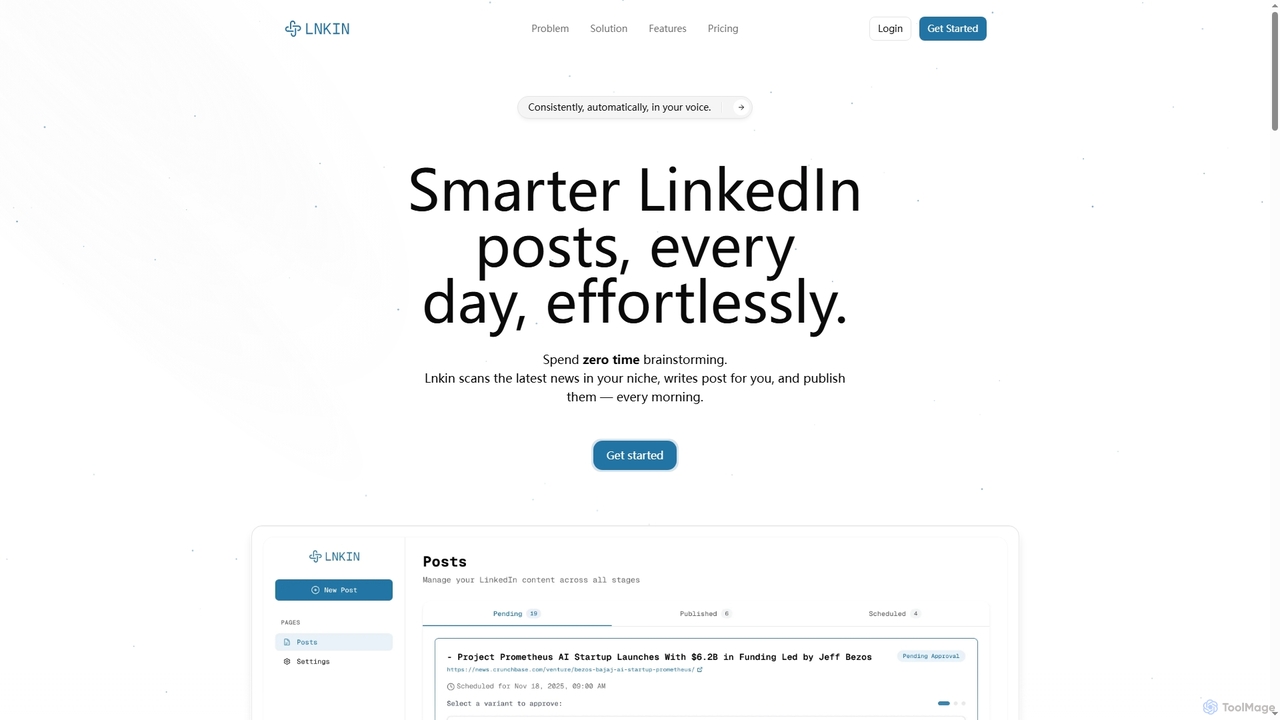
Lnkin is an AI-powered automation platform designed to simplify LinkedIn content creation. It automatically scans daily news in your chosen niche, generates three tailored post variations, and allows for instant publishing or AI-assisted refinement, ensuring consistent and engaging presence on LinkedIn without the time commitment.

Content Generation
Visits 4.8KFavorites 129Likes 120
Indie Polls
Paid

Indie Polls

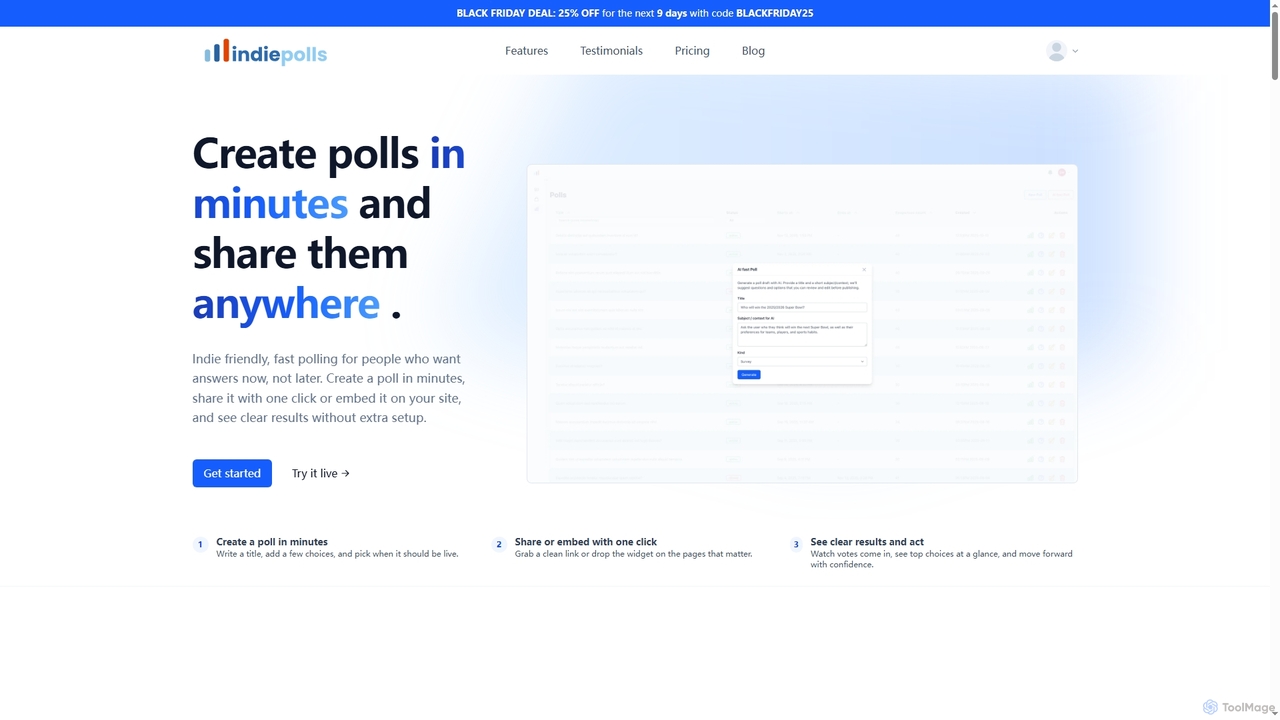
Indie Polls is a fast, lightweight, and privacy-friendly online polling tool designed for indie hackers, product teams, and creators. It allows users to quickly create, share, and embed polls to gather instant feedback and insights, featuring AI-powered poll generation and real-time analytics.

Content Generation
Visits 4.8KFavorites 103Likes 102
Better Powerpoints
Freemium

Better Powerpoints

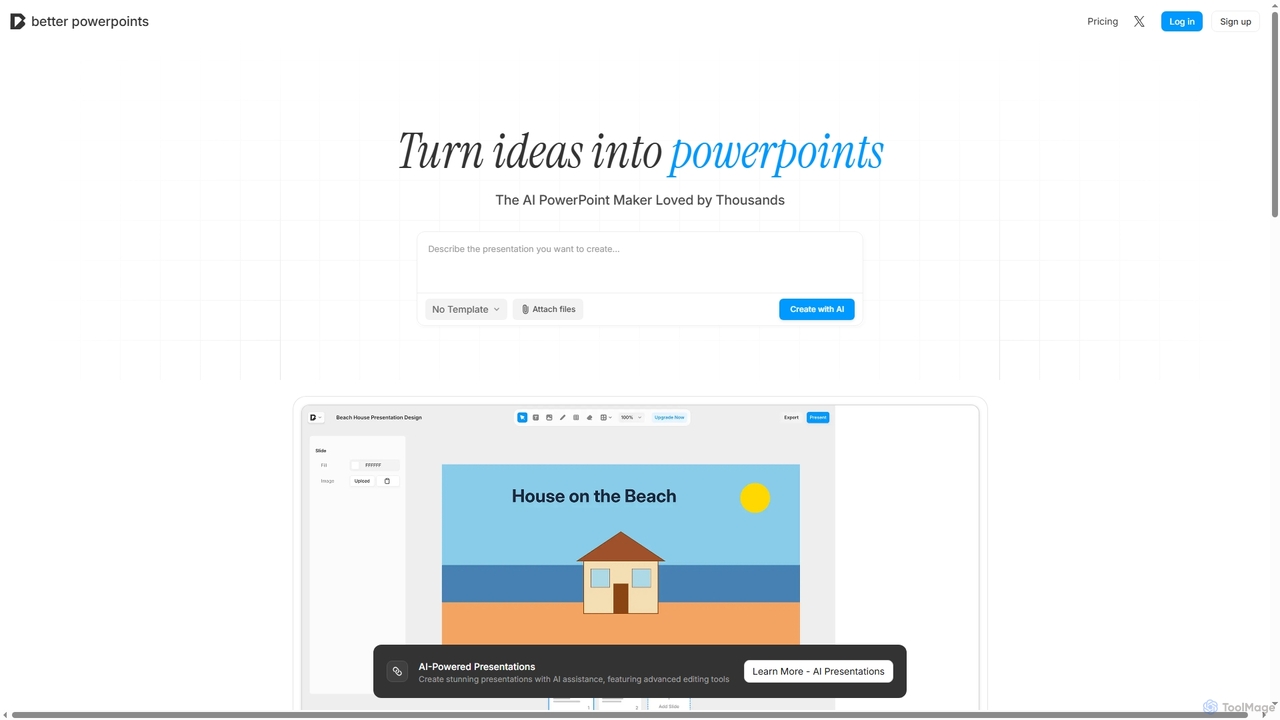
Better Powerpoints is a free, privacy-first AI presentation maker that runs directly in your browser. It helps users quickly transform ideas and files into stunning, editable presentations with AI assistance, real-time collaboration, and PPTX export.

Content Generation
Visits 4.8KFavorites 120Likes 115
Mailscribe
Freemium

Mailscribe

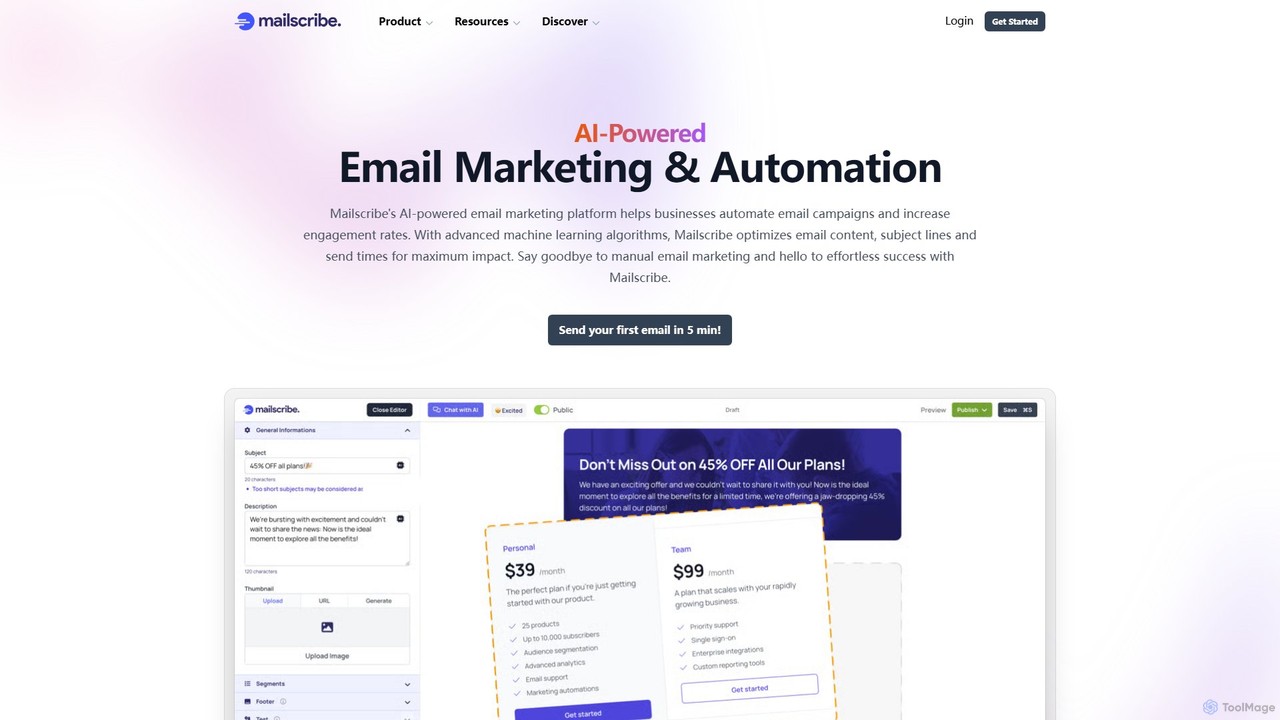
Mailscribe is an AI-powered email marketing and automation platform designed to enhance campaign efficiency and engagement. It features an AI assistant for content optimization, a drag-and-drop editor, advanced automation, and detailed analytics. It also offers a free newsletter reader, Mailscribe Inbox, to keep your personal email clean.

Content Generation
Visits 5.2KFavorites 105Likes 113

About Content Generation

AI Content Generation tools are specialized applications that use large language models (LLMs) to automatically create original written material. These tools analyze user prompts, keywords, or outlines to produce a wide range of content, from articles and blog posts to social media updates and ad copy. Their primary value lies in accelerating the content creation process, overcoming writer's block, and scaling content production for marketing and communication needs. They function as a focused subset of AI Assistants, dedicated specifically to the task of generating new content from scratch.

Core Features

  • Multi-Format Generation: Creates diverse content types, including long-form articles, emails, product descriptions, and social media captions.
  • Tone and Style Customization: Allows users to specify the desired tone of voice, such as professional, casual, witty, or empathetic.
  • Template-Based Workflows: Provides pre-built templates for common content formats like blog post outlines or AIDA-framework ad copy.
  • SEO Keyword Integration: Incorporates target keywords naturally into the generated text to improve search engine visibility.
  • Language and Translation: Supports content creation in multiple languages and can assist with translation tasks.

Use Cases

These tools are widely used by digital marketing teams to produce ad copy and blog drafts, content creators to brainstorm ideas and write scripts, and e-commerce businesses to generate thousands of unique product descriptions. SEO specialists also leverage them to create supporting content and meta descriptions at scale.

How to Choose

When selecting a tool, evaluate the quality and coherence of its output. Consider the range of content templates and supported languages it offers. Assess its customization capabilities for tone and style, and check for integrations with platforms like WordPress or social media schedulers. Finally, compare pricing models, such as subscription tiers or pay-per-word, to find one that matches your usage volume.

Content Generation use cases

1

Drafting SEO-Optimized Blog Posts

A content marketer needs to produce four high-quality blog posts per week to drive organic traffic. Using an AI Content Generation tool, they input a target keyword and a brief outline for each post. The AI generates a structured draft, including an introduction, body paragraphs with subheadings, and a conclusion. The marketer then spends about 20% of their time editing, fact-checking, and adding their unique insights, reducing the total content creation time by over 70% while ensuring the articles are optimized for search engines.

2

Generating Bulk E-commerce Product Descriptions

An e-commerce manager is launching a new collection with over 200 products. Writing unique, engaging descriptions for each is a time-consuming task. They use an AI tool by uploading a CSV file with product names and key features (e.g., material, dimensions, color). The tool generates a unique, SEO-friendly description for each product in minutes, maintaining a consistent brand voice. This process automates a task that would have taken days, allowing the team to launch the collection faster.

3

Creating Ad Copy Variations for A/B Testing

A digital marketer is running a campaign on social media and needs to test different ad copies to find the most effective one. They provide an AI content generator with the product's main benefit and target audience. The AI produces ten distinct variations of headlines and body text, each with a different emotional appeal (e.g., urgency, curiosity, humor). This allows the marketer to quickly set up multiple A/B tests, optimizing the campaign's click-through rate and conversion rate without spending hours brainstorming copy variations manually.

4

Automating Social Media Content Calendars

A social media manager is responsible for maintaining an active presence on three different platforms for a client. To save time, they use an AI tool to generate a month's worth of content ideas based on industry trends and the client's key topics. For each idea, the tool drafts a post tailored to the specific platform's format and tone (e.g., a professional post for LinkedIn, a short and witty tweet for Twitter). This automates the initial drafting phase, allowing the manager to focus on visual creation, scheduling, and community engagement.

5

Crafting Email Marketing Campaigns

An email marketer needs to create a five-part welcome email series for new subscribers. They use an AI content tool to brainstorm subject lines with high open-rate potential. Then, for each email in the series, they provide a goal (e.g., 'Introduce the brand', 'Showcase top products') and the AI generates compelling body copy. The marketer can then quickly assemble the series, personalize it with subscriber data, and set it live, significantly reducing the time spent on copywriting for the entire campaign.

6

Generating Video Scripts and Outlines

A YouTuber or corporate video producer needs to create a script for a 10-minute educational video. They start by providing the topic and key talking points to an AI content generator. The tool produces a detailed outline, complete with an introduction hook, main sections with bullet points, and a call-to-action for the conclusion. It can even draft the full narration. This provides a solid structure, saving hours of research and structuring, allowing the creator to focus on refining the delivery and producing the visual elements of the video.

Content Generation FAQ

What are AI Content Generation tools?

AI Content Generation tools are software applications that use artificial intelligence, specifically large language models (LLMs), to create human-like text. Users provide a prompt, such as a topic, keywords, or a question, and the tool generates original content like articles, emails, marketing copy, or social media posts. They are designed to assist with and automate the writing process, helping to scale content production and overcome creative blocks.

How to choose the right AI Content Generation tool?

To choose the right tool, consider these factors:

  • Content Quality: Evaluate the generated text for accuracy, coherence, and natural language. Use free trials to test the output.
  • Features and Templates: Ensure the tool supports the specific content formats you need (e.g., blog posts, ad copy, scripts) and offers relevant templates.
  • Customization: Look for options to control tone, style, and creativity level to match your brand voice.
  • Integrations: Check if it connects with your existing workflow tools, like WordPress, Google Docs, or social media platforms.
  • Pricing: Compare subscription plans, word limits, and overall value based on your expected usage.
What's the difference between AI Content Generation and a general AI Assistant?

The main difference is specialization. A general AI Assistant (like Siri or Google Assistant) is designed for a broad range of tasks, including answering questions, setting reminders, controlling devices, and performing simple searches. An AI Content Generation tool is a specialized type of AI Assistant focused exclusively on creating new, original, long-form content like articles, scripts, or detailed descriptions. While an AI Assistant provides information, a Content Generator produces creative or informational text from scratch based on a prompt.

Can AI-generated content rank on search engines like Google?

Yes, AI-generated content can rank on search engines. Google's official stance is that it rewards high-quality content, regardless of how it is produced. The key is to use AI as a tool to create helpful, reliable, people-first content. Content that is generated solely to manipulate search rankings without adding value for the user may violate spam policies. Therefore, it is crucial to always review, edit, and fact-check AI-generated text to ensure it meets quality standards and provides genuine value to the reader.

Who can benefit from using AI Content Generation tools?

A wide range of professionals and individuals can benefit from these tools. This includes:

  • Content Marketers & SEOs: To quickly draft blog posts, articles, and website copy at scale.
  • Social Media Managers: To generate creative captions, posts, and content ideas for various platforms.
  • E-commerce Owners: To write compelling and unique product descriptions in bulk.
  • Students & Researchers: To assist with summarizing texts, brainstorming ideas, and structuring papers.
  • Small Business Owners: To create professional marketing materials, emails, and website content without a large team.