Marketing Best in category 3 results Internationalization AI Tool

Popular AI tools in the Internationalization field of Marketing include Quetzal、justi18n、LocalSpheres, etc., helping you quickly improve efficiency.

Quetzal

Quetzal

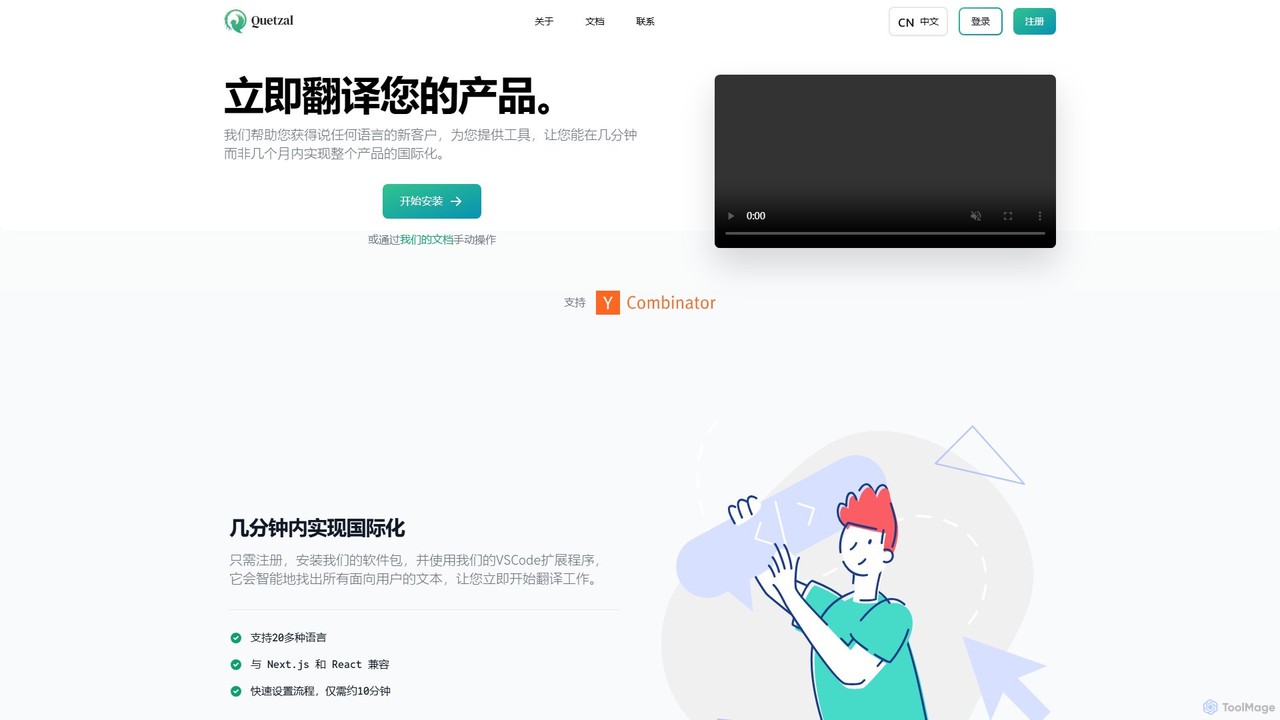
Quetzal is an AI-powered internationalization platform designed for modern web applications. It enables developers to translate their products …

4.1K
justi18n

justi18n

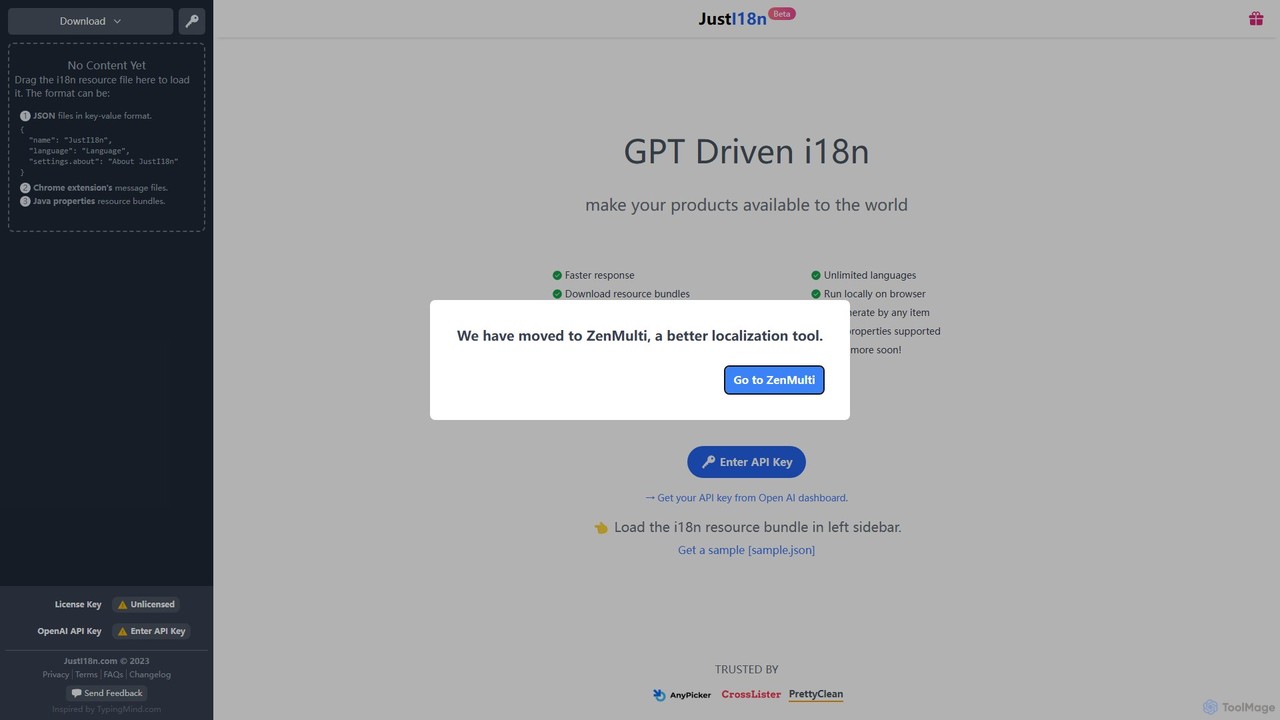
justi18n is a GPT-driven internationalization (i18n) tool that helps developers and product managers quickly translate application resource files. …

3.0K
LocalSpheres

LocalSpheres

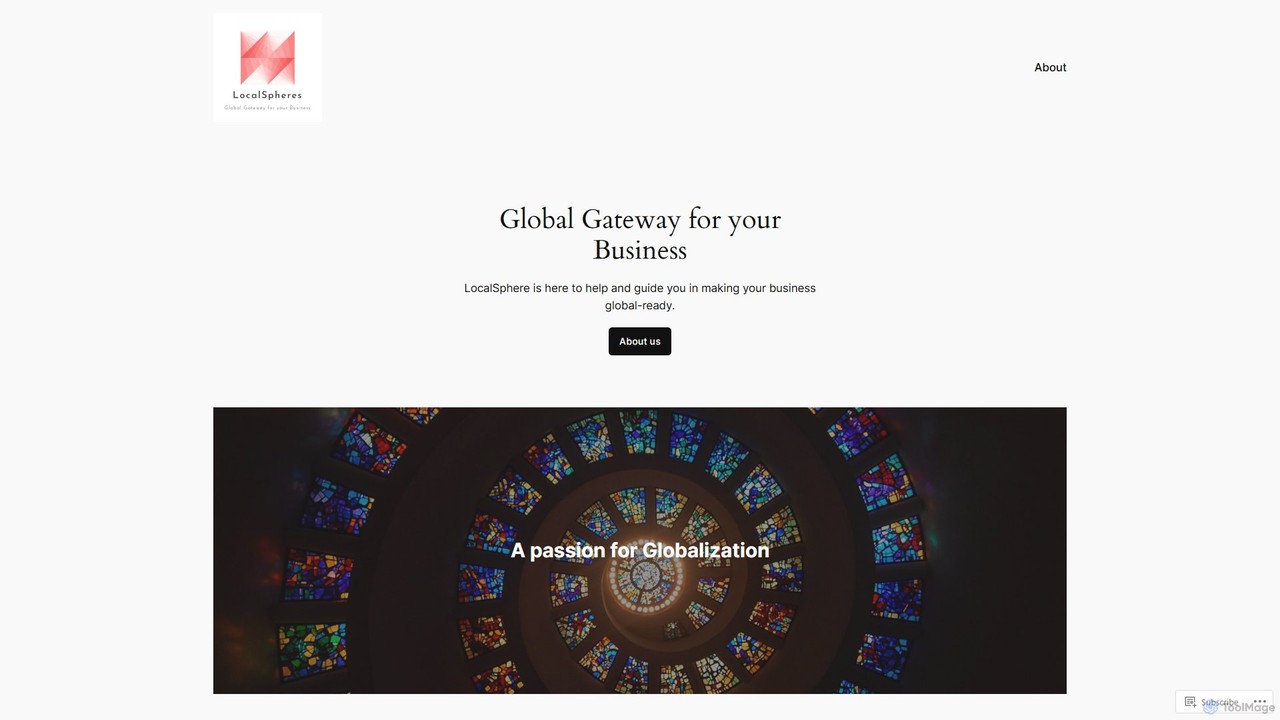
LocalSpheres offers AI-powered, human-verified translation and localization services to help businesses go global. It combines advanced AI models …

2.9K

About Internationalization

Internationalization AI tools are designed to prepare products, services, and content for global markets. These tools leverage AI to analyze linguistic and cultural nuances, ensuring adaptability across diverse regions. They streamline the process of making digital assets globally ready, from software interfaces to marketing campaigns. This enables businesses to efficiently expand their reach and resonate with international audiences.

Core Features

  • Cultural Nuance Analysis: AI identifies and flags culturally sensitive elements in content, preventing missteps.
  • Localization Readiness Assessment: Evaluates content and UI for ease of translation and adaptation to specific locales.
  • Global Content Management: Centralized platforms for managing multilingual and multicultural digital assets efficiently.
  • Automated Transcreation Support: AI assists in adapting content for cultural relevance, going beyond literal translation.
  • Market-Specific Content Generation: AI helps create content tailored to local market trends, preferences, and regulations.

Applicable Scenarios

Software development teams use these tools to prepare applications for multiple language versions, ensuring UI elements and text expand/contract correctly. Marketing departments leverage them to adapt global campaigns with culturally appropriate messaging and imagery. E-commerce businesses employ them to localize product descriptions and user interfaces for international shoppers, boosting conversion rates.

How to Choose

Consider the tool's scope of adaptation, ensuring it covers not just language but also cultural, legal, and technical aspects. Evaluate its integration capabilities with your existing CMS, CRM, or development pipelines. Assess the breadth and depth of its linguistic and cultural support, and the level of automation it provides for various internationalization tasks.

InternationalizationUse Cases

1

Adapting Software UI for Global Users

Software development teams utilize Internationalization AI tools to identify hardcoded strings, cultural assumptions in UI elements, and ensure proper text expansion/contraction for various languages. This streamlines the localization process, allowing developers to efficiently prepare applications for multiple language versions without extensive manual review, reducing development time and costs.

2

Culturally Sensitive Marketing Campaign Adaptation

Marketing teams leverage Internationalization AI tools to analyze ad copy, imagery, and campaign themes for cultural appropriateness and local relevance across different target markets. This proactive approach prevents cultural missteps, ensures brand messaging resonates effectively with diverse audiences, and enhances overall engagement and ROI for global marketing initiatives.

3

E-commerce Product Description Localization

Online retailers employ Internationalization AI tools to not only translate product descriptions but also adapt them to local purchasing habits, legal requirements (e.g., ingredient lists), and preferred terminology in various countries. This ensures product listings are compliant and appealing to international shoppers, significantly boosting international sales and reducing returns due to misunderstandings.

4

Automated Multilingual Content Generation for Support

Customer service departments utilize Internationalization AI tools to generate FAQs, help articles, and chatbot responses that are not just translated but also culturally aligned and contextually relevant for diverse customer bases worldwide. This improves customer satisfaction by providing accurate and appropriate support in their native language and cultural context, reducing support ticket volume.

5

Global Website Content Management & Optimization

Webmasters use Internationalization AI tools to manage multiple language versions of a website, ensuring SEO best practices for each region, consistent branding, and optimal user experience for visitors from different locales. This includes adapting meta descriptions, local keywords, and content structure, leading to better visibility in international search results and higher organic traffic.

6

Preparing Educational Content for Diverse Learners

E-learning platforms apply Internationalization AI tools to adapt course materials, examples, and interactive elements to be culturally neutral or specifically tailored to the educational norms and references of learners in various countries. This ensures content is relevant and engaging for a global student body, improving learning outcomes and platform accessibility worldwide.

InternationalizationFrequently Asked Questions