Business Best in category 10 results Localization AI Tool

Popular AI tools in the Localization field of Business include Lara Translate、Phrase、Machine Translation、tomedes、lingo24、Devnagri、AITranslator、ModernMT、Custom.MT、LocalSpheres, etc., helping you quickly improve efficiency.

Machine Translation

Machine Translation

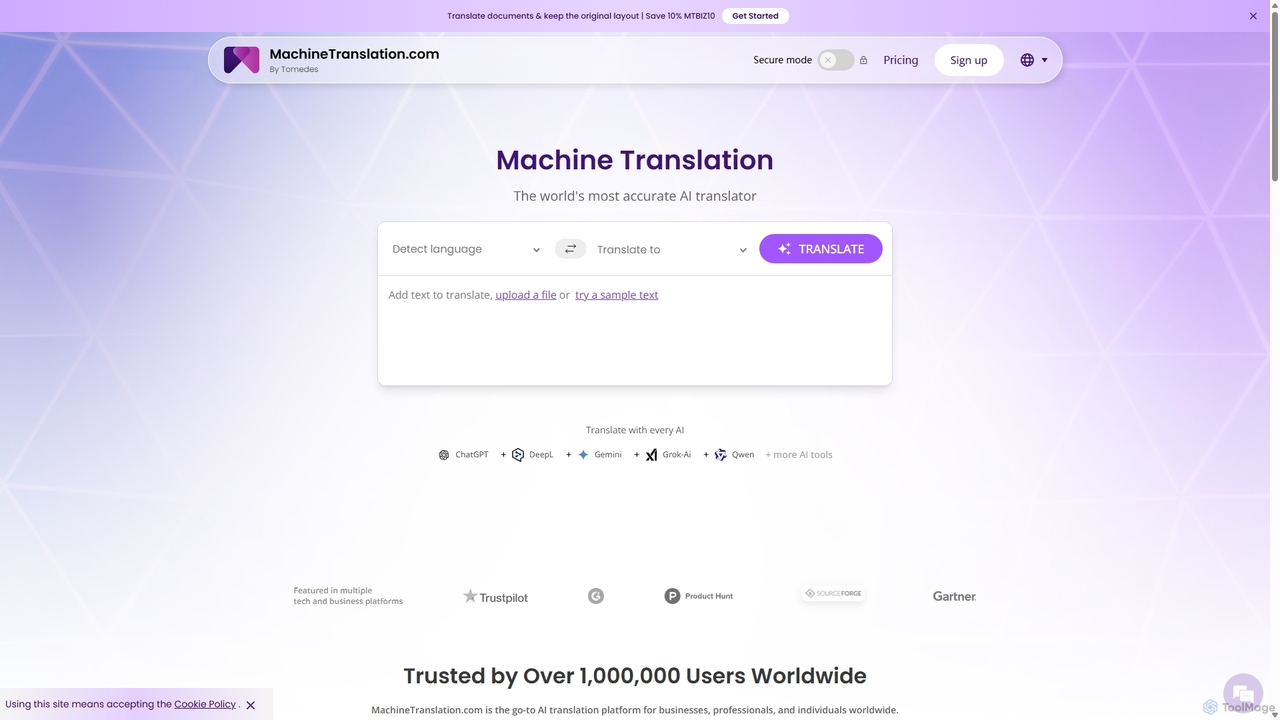
An advanced AI translation platform that aggregates multiple top-tier engines like ChatGPT, DeepL, and Gemini. It provides side-by-side …

501.5K
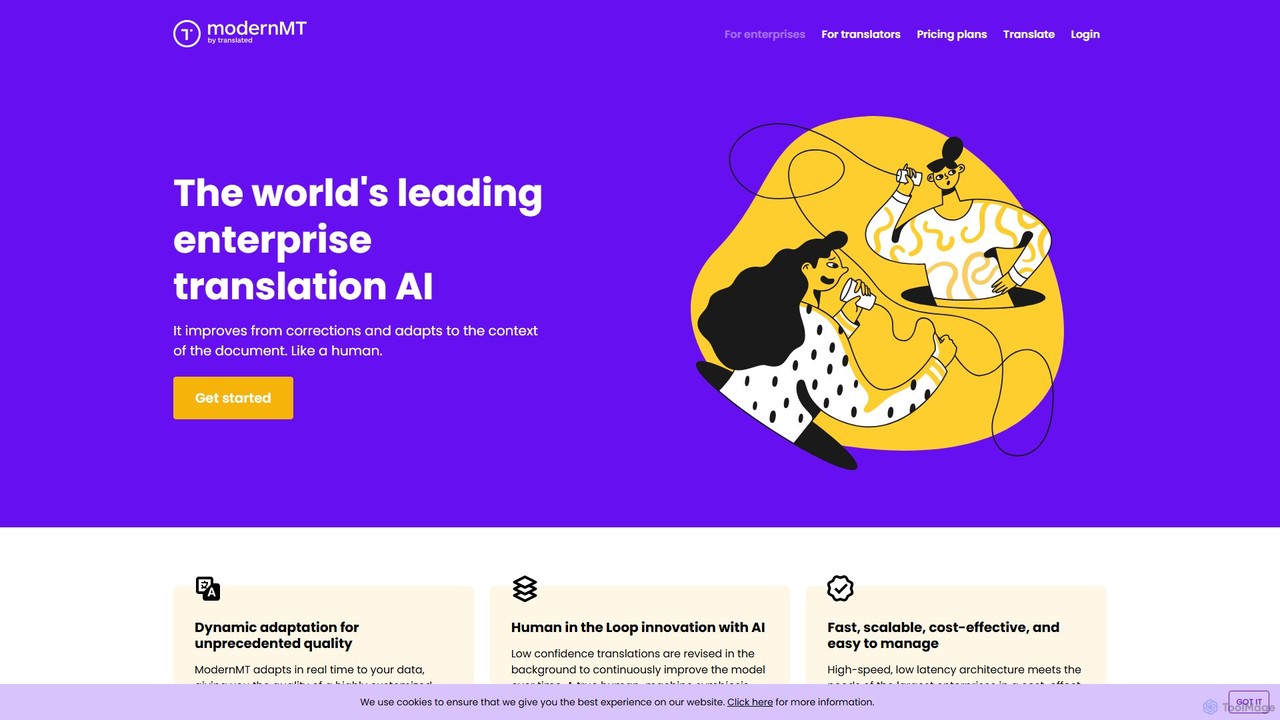
ModernMT

ModernMT

ModernMT is an enterprise-grade, adaptive AI translation platform that learns from human corrections in real-time. It provides context-aware, …

18.1K
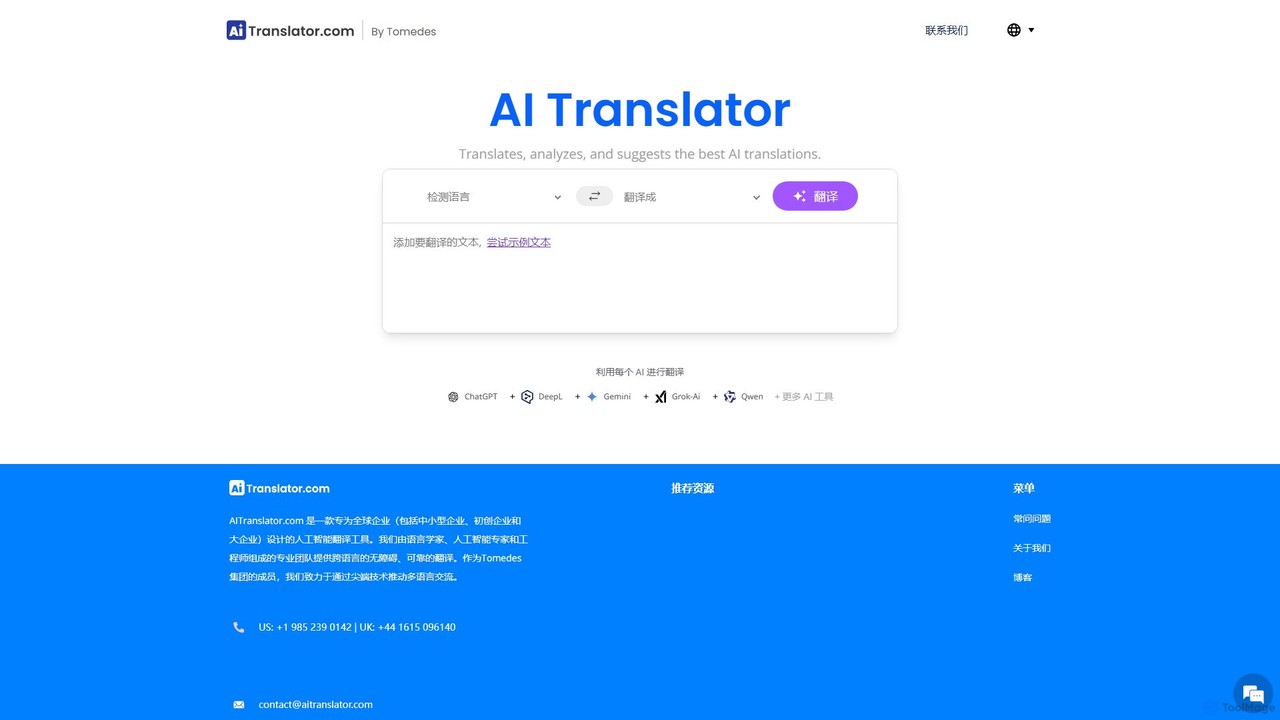
AITranslator

AITranslator

AITranslator is an advanced AI-powered translation platform that simplifies global communication. It uniquely compares outputs from leading translation …

117.7K
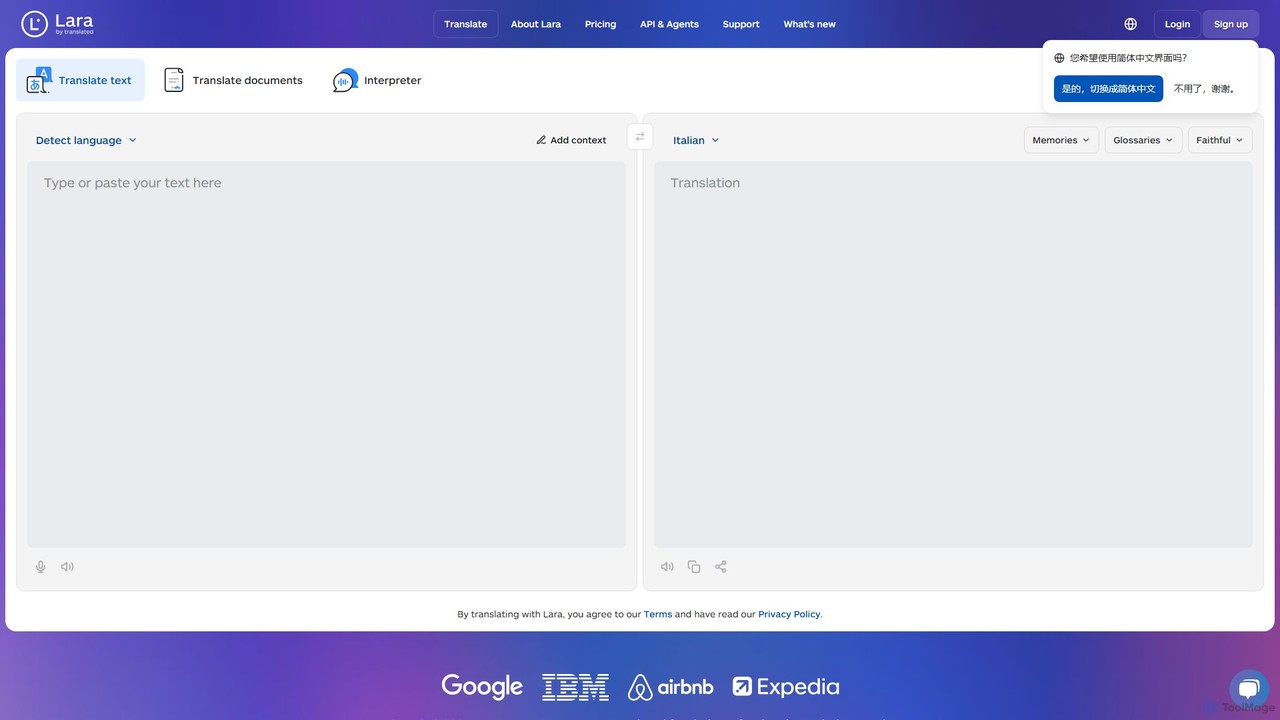
Lara Translate

Lara Translate

Lara Translate is an advanced AI translation tool offering superior accuracy and reliability. It understands full document context, …

1.4M
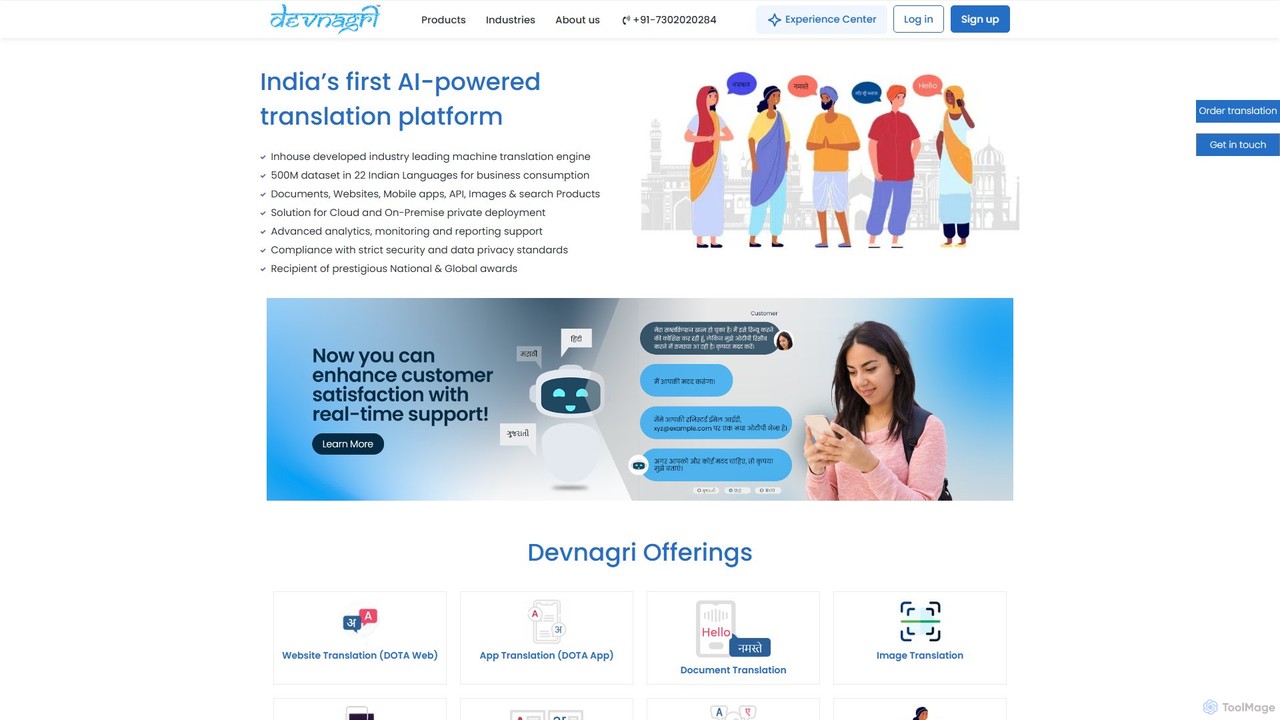
Devnagri

Devnagri

Devnagri is India's first AI-powered translation platform specializing in over 22 Indian languages. It offers comprehensive localization solutions …

133.5K
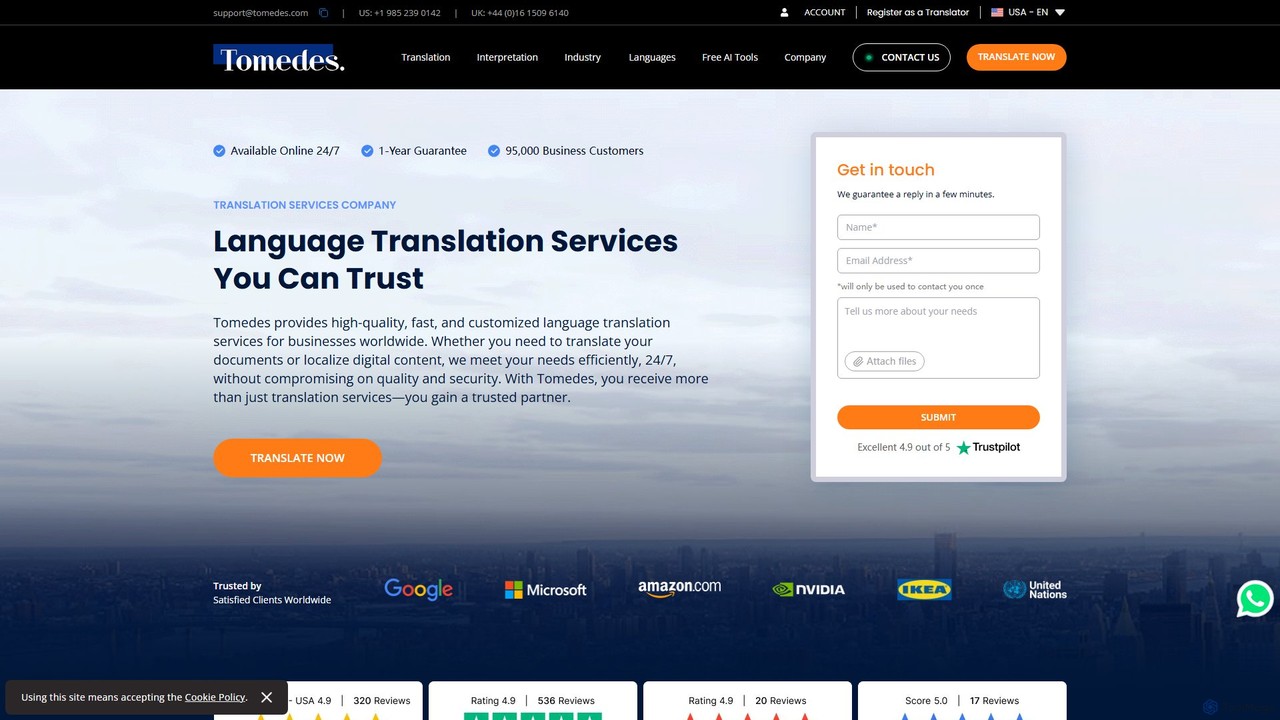
tomedes

tomedes

Tomedes is a global language service provider that combines advanced AI technology with a network of over 20,000 …

187.8K
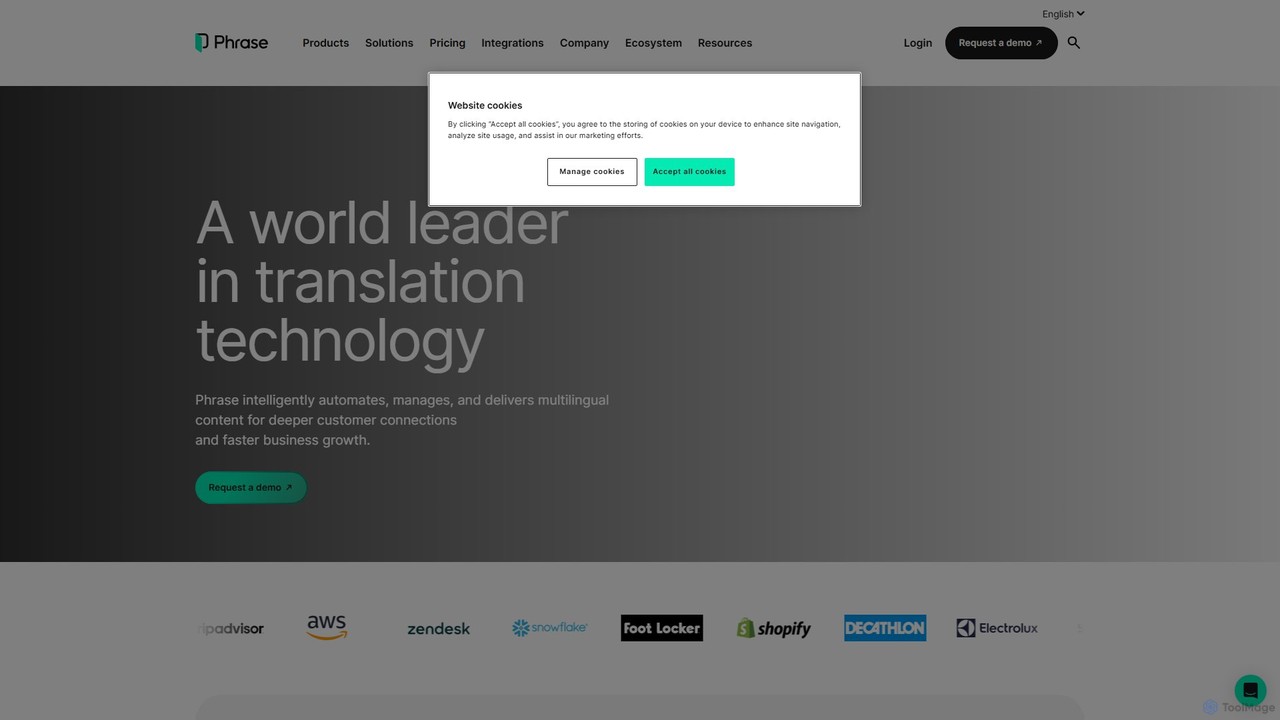
Phrase

Phrase

Phrase is an AI-powered Localization Platform designed for enterprises. It automates, manages, and delivers multilingual content, from text …

836.3K
lingo24

lingo24

Lingo24 is a tech-enabled language services provider offering a powerful blend of AI-powered neural machine translation and expert …

166.2K
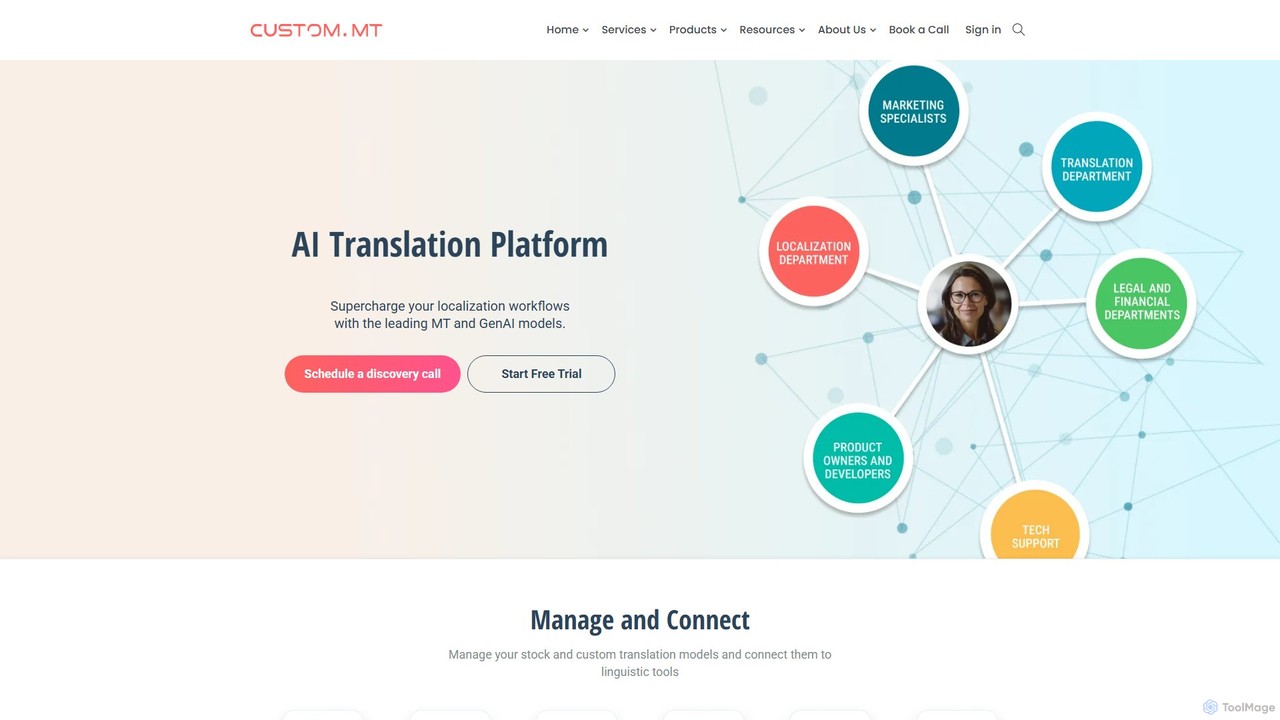
Custom.MT

Custom.MT

Custom.MT is a powerful AI translation platform designed for localization teams and Language Service Providers (LSPs). It enables …

9.2K
LocalSpheres

LocalSpheres

LocalSpheres offers AI-powered, human-verified translation and localization services to help businesses go global. It combines advanced AI models …

2.4K

About Localization

AI Localization tools are specialized platforms that adapt products, content, and services for specific geographic and cultural markets. They leverage artificial intelligence to go beyond simple translation, managing terminology, ensuring brand voice consistency, and handling cultural nuances like date formats, currencies, and imagery. These tools are essential for businesses expanding globally, enabling them to deliver a native-like user experience that resonates with local audiences and drives international growth.

Core Features

  • Translation Management System (TMS): Centralizes translation workflows, from content import to final review.
  • Terminology Management: Creates and maintains a consistent glossary of brand-specific terms and phrases.
  • In-Context Review: Allows translators and reviewers to see translations directly within the application or website layout.
  • AI-Powered Suggestions: Provides context-aware translation suggestions using translation memory and machine learning.
  • Workflow Automation: Automates tasks like assigning translators, notifying reviewers, and integrating with code repositories.

Use Cases

AI Localization tools are primarily used by software companies, e-commerce businesses, and global marketing teams. For instance, a SaaS company can use these tools to localize its user interface and documentation for new markets. An e-commerce brand can adapt product descriptions and marketing campaigns to fit local cultural preferences, while a game developer can localize in-game text and assets for a worldwide release.

How to Choose

When selecting an AI Localization tool, consider its integration capabilities with your existing systems, such as CMS, code repositories (like GitHub), and design tools (like Figma). Evaluate the scope of its translation management features, including support for various file formats (e.g., XLIFF, JSON, CSV). Also, assess the platform's collaboration features for teams and its quality assurance mechanisms to ensure high-quality output.

LocalizationUse Cases

1

Software UI and Documentation Localization

A SaaS company plans to enter the German market. The localization manager uses an AI localization tool to import all UI strings from their code repository (e.g., GitHub). The platform automatically identifies new and updated strings, assigns them to translators, and provides context through screenshots. Translators use the built-in terminology database to ensure consistency with brand terms. This process reduces manual coordination, accelerates time-to-market by over 50%, and ensures a high-quality, native-feeling user experience for German customers.

2

Global E-commerce Product Page Adaptation

An online fashion retailer wants to launch its store in Japan. The marketing team uses a localization platform to adapt product descriptions, not just translate them. The tool helps them replace cultural references, adjust sizing charts to local standards, and ensure prices are displayed correctly in Japanese Yen (JPY). They also use the in-context editor to preview how the localized text fits within the website's design, preventing layout issues. This comprehensive adaptation leads to higher engagement and conversion rates in the new market.

3

Multilingual Marketing Campaign Rollout

A global tech company is launching a new product across Europe. The marketing team uses an AI localization tool to manage the translation of ad copy, social media posts, and landing pages into Spanish, French, and German. The platform's translation memory ensures that key slogans and taglines are translated consistently across all materials. The workflow automation feature automatically routes content for review by regional marketing managers, who can leave feedback directly on the platform. This streamlines the entire process, ensuring brand consistency and cultural relevance for each market.

4

Video Game Content Localization

A game development studio is preparing for a global launch of their new RPG. They use a localization platform that supports complex file formats like JSON and CSV, which contain in-game dialogue, item descriptions, and UI text. The platform's features allow them to provide translators with character backstories and screenshots for context. A key feature is the ability to set character limits for text fields to prevent UI overflow issues in languages with longer words, such as German. This ensures a polished and immersive experience for players worldwide.

5

Continuous Localization for Agile Development

A mobile app development team works in two-week sprints, constantly adding new features. They integrate their localization tool directly with their GitHub repository. Whenever developers push new code with text strings, the tool automatically pulls them into the localization project. Translators can work in parallel with development. Once translations are complete and reviewed, they are automatically pushed back to the repository as a pull request. This continuous localization workflow eliminates bottlenecks and ensures the app is always ready for a multilingual release without delaying the development cycle.

6

Managing Multilingual Help Center Content

A customer support team manages a help center with hundreds of articles. They use a localization tool that integrates with their help desk software (e.g., Zendesk or Intercom). When an article is updated in English, the tool automatically flags the corresponding articles in other languages for review. It highlights the specific changes, allowing translators to update only the necessary sections. This ensures that support documentation remains consistent and up-to-date across all languages, improving the self-service experience for international customers and reducing the load on support agents.

LocalizationFrequently Asked Questions