Marketing Best in category 2 results Listing Optimization AI Tool

Popular AI tools in the Listing Optimization field of Marketing include MyDesigns、Daxzy, etc., helping you quickly improve efficiency.

MyDesigns

MyDesigns

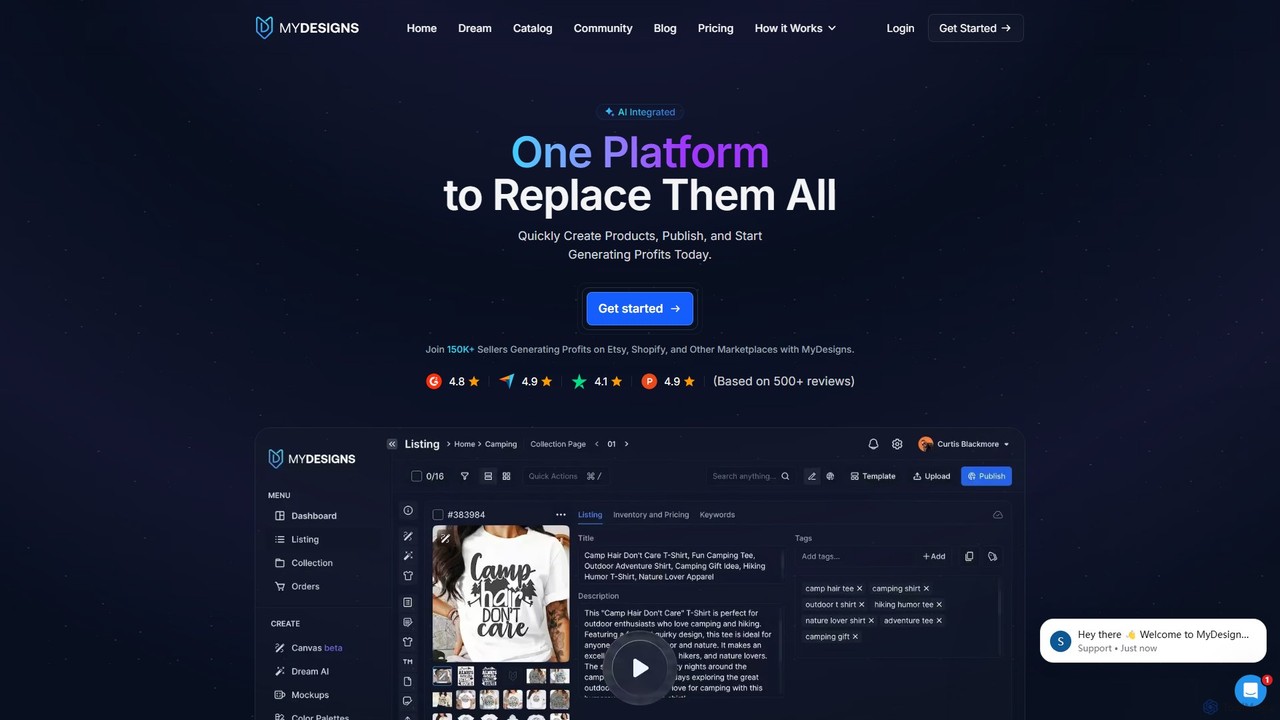
MyDesigns is an all-in-one, AI-integrated platform for print-on-demand (POD) and digital product sellers. It streamlines the entire workflow …

111.0K
Daxzy

Daxzy

Daxzy is an AI-powered platform for short-term rental hosts, offering comprehensive property management services and a free AI …

2.5K

About Listing Optimization

Listing Optimization AI tools are specialized platforms that leverage artificial intelligence to enhance the visibility, attractiveness, and conversion potential of product, service, or app listings across various digital marketplaces. These tools analyze vast amounts of data, including keywords, competitor strategies, and customer behavior, to provide data-driven recommendations. They are designed to help businesses and individuals improve their search rankings, click-through rates, and ultimately, sales or downloads by refining listing content and visuals.

Core Features

  • AI-Powered Keyword Research: Identifies high-performing keywords and long-tail phrases relevant to your listings.
  • Content Generation & Optimization: Assists in crafting compelling titles, descriptions, and bullet points that resonate with target audiences and search algorithms.
  • Visual Asset Analysis: Evaluates images and videos for quality, relevance, and compliance, suggesting improvements for better engagement.
  • Competitor Benchmarking: Analyzes competitor listings to uncover successful strategies and identify optimization opportunities.
  • Performance Tracking & A/B Testing: Monitors listing performance metrics and facilitates A/B testing of different listing elements to maximize impact.

Applicable Scenarios

E-commerce sellers use these tools to optimize product pages on platforms like Amazon, Shopify, or Etsy, ensuring their items rank higher and attract more buyers. App developers leverage them for App Store Optimization (ASO), improving app visibility and download rates on Google Play and Apple App Store. Local businesses also benefit by enhancing their Google My Business profiles and other local directories to capture nearby customer searches.

How to Choose

When selecting an AI Listing Optimization tool, consider its compatibility with your primary selling platforms (e.g., Amazon, Shopify, App Store). Evaluate the depth of its AI capabilities, such as advanced NLP for content generation or sophisticated image analysis. Look for robust analytics and reporting features, seamless integration with your existing marketing stack, and a pricing model that aligns with your budget and usage frequency. User-friendliness and customer support are also crucial for effective implementation.

Listing OptimizationUse Cases

1

Optimizing E-commerce Product Listings for Amazon/Shopify

An online retailer needs to improve the visibility and conversion rate of hundreds of products on Amazon and Shopify. Using an AI Listing Optimization tool, they input product details and target keywords. The AI analyzes competitor listings, suggests optimized titles, bullet points, and descriptions, and even recommends better product images. This leads to higher search rankings, increased organic traffic, and a significant boost in sales without manual, time-consuming content creation.

2

Enhancing App Store Optimization (ASO) for Mobile Apps

An app developer wants to increase downloads for their new mobile game. They use an AI Listing Optimization tool to analyze trending keywords in the gaming category and competitor app descriptions on the Apple App Store and Google Play. The AI generates optimized app titles, subtitles, short and long descriptions, and even suggests compelling screenshots and video previews, leading to a 30% increase in organic app installs within the first month of implementation.

3

Improving Local Business Listings for Google My Business

A small restaurant owner wants to attract more local customers. They use an AI Listing Optimization tool to analyze local search trends and competitor profiles on Google My Business. The AI suggests optimal business descriptions, service lists, opening hours, and even recommends high-quality photos to upload. This results in the restaurant appearing higher in local search results, driving more foot traffic and online reservations, directly impacting local revenue.

4

Optimizing Service Provider Profiles on Freelance Platforms

A freelance graphic designer wants to stand out on platforms like Upwork or Fiverr. They use an AI Listing Optimization tool to analyze what top-rated designers include in their profiles and service descriptions. The AI helps refine their portfolio descriptions, highlight key skills with relevant keywords, and craft compelling service packages. This optimization leads to a higher number of project invitations and increased hourly rates, establishing them as a premium service provider.

5

Crafting Engaging Real Estate Property Listings

A real estate agent needs to quickly create appealing listings for new properties. Instead of manually writing descriptions, they use an AI Listing Optimization tool. The AI takes basic property data (location, size, features) and generates unique, keyword-rich descriptions that highlight selling points and appeal to potential buyers. It also suggests optimal image order and captions, significantly reducing listing time and increasing inquiries for properties.

6

Optimizing Travel & Hospitality Listings on Booking Platforms

A hotel manager wants to maximize bookings on platforms like Booking.com and Airbnb. They use an AI Listing Optimization tool to analyze guest reviews, competitor pricing, and popular amenities. The AI generates compelling property descriptions, highlights unique selling propositions, and suggests optimal pricing strategies. This results in higher search visibility, improved booking rates, and increased revenue per available room (RevPAR) for the hotel.

Listing OptimizationFrequently Asked Questions