AI Market Analysis tools are a specialized class of marketing software that uses artificial intelligence to process and interpret vast amounts of market data. These tools employ machine learning, natural language processing (NLP), and predictive analytics to uncover consumer trends, competitive landscapes, and public sentiment from sources like social media, news, and customer reviews. They empower businesses to make faster, data-driven strategic decisions, identify emerging opportunities, and understand market dynamics with a depth and speed unattainable through manual methods. This proactive approach helps in refining product strategies and marketing campaigns for better outcomes.
Core Features
- Trend Identification: Automatically detects and forecasts emerging market trends and consumer interests from real-time data streams.
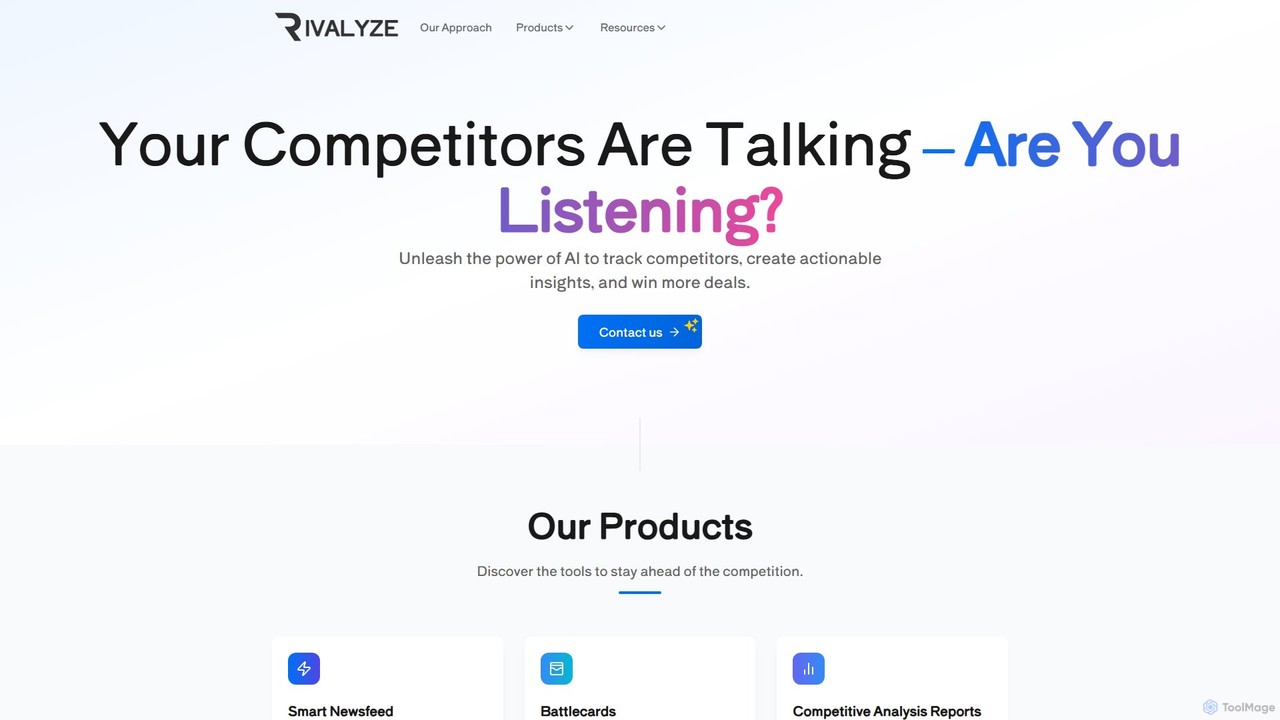
- Competitor Intelligence: Monitors competitors' activities, product launches, pricing strategies, and customer feedback.
- Sentiment Analysis: Gauges public opinion and brand perception by analyzing the emotional tone in text data from reviews and social media.
- Audience Segmentation: Identifies distinct customer groups based on behavior, demographics, and psychographics for targeted marketing.
- Predictive Forecasting: Uses historical data to model future market behavior, sales potential, and demand fluctuations.
Use Cases
These tools are essential for market researchers, product managers, marketing strategists, and business analysts. For instance, a consumer goods company can use them to analyze online conversations to spot a rising demand for sustainable packaging. A tech startup can monitor competitor feature releases and user complaints to find gaps in the market and refine its own product roadmap.
How to Choose
When selecting an AI Market Analysis tool, consider the breadth and relevance of its data sources (e.g., social media, news, industry reports). Evaluate the depth of its analytical capabilities, from basic sentiment analysis to advanced predictive modeling. Assess its integration potential with your existing CRM or BI systems, and ensure its reporting dashboards are customizable to your specific key performance indicators (KPIs).