ToolMage
Sign in

Best 3 Media Monitoring AI tools for Marketing

Popular Media Monitoring AI tools in Marketing include Concise, Cuchame, and NewsDeck, helping you work more efficiently.

Cuchame
Paid

Cuchame

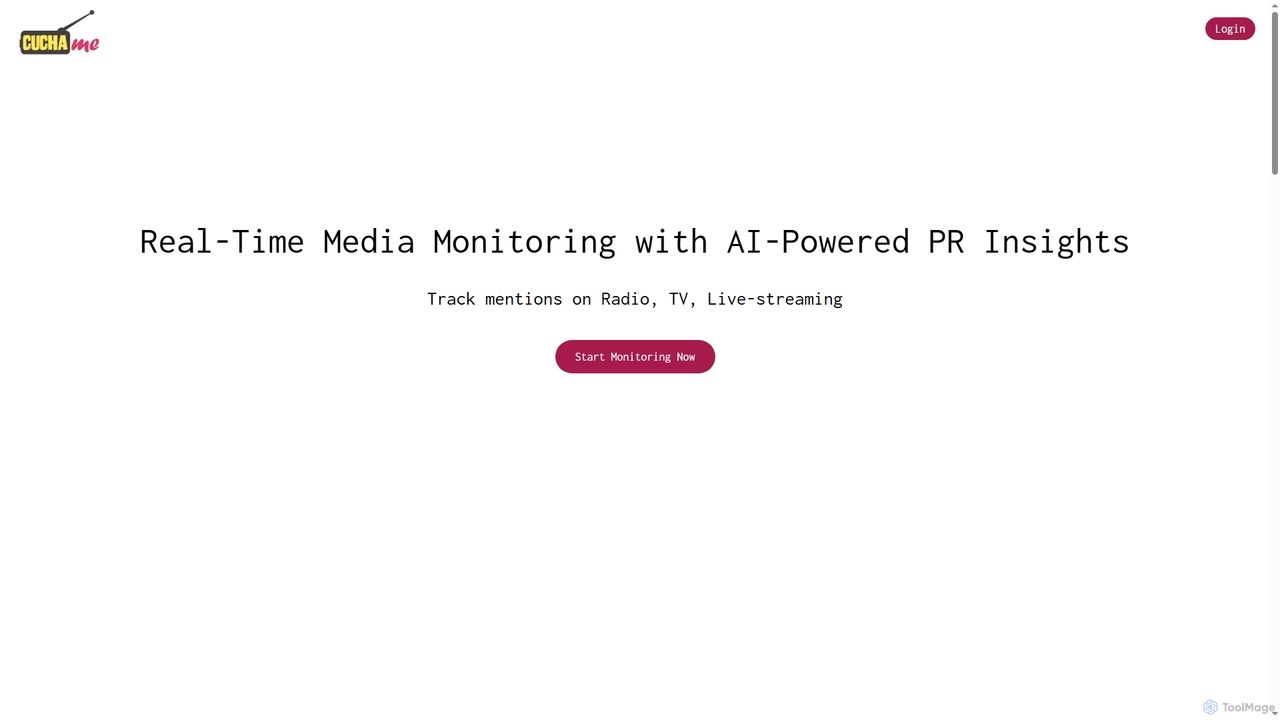
Cuchame is an AI-powered, real-time media monitoring tool for live streams. It enables users to track multiple concurrent broadcasts, set up custom alerts for specific keywords or topics, and receive intelligent insights. Ideal for brand monitoring, PR, and competitive analysis.

Brand Management
Visits 6KFavorites 168Likes 150
Concise
Freemium

Concise

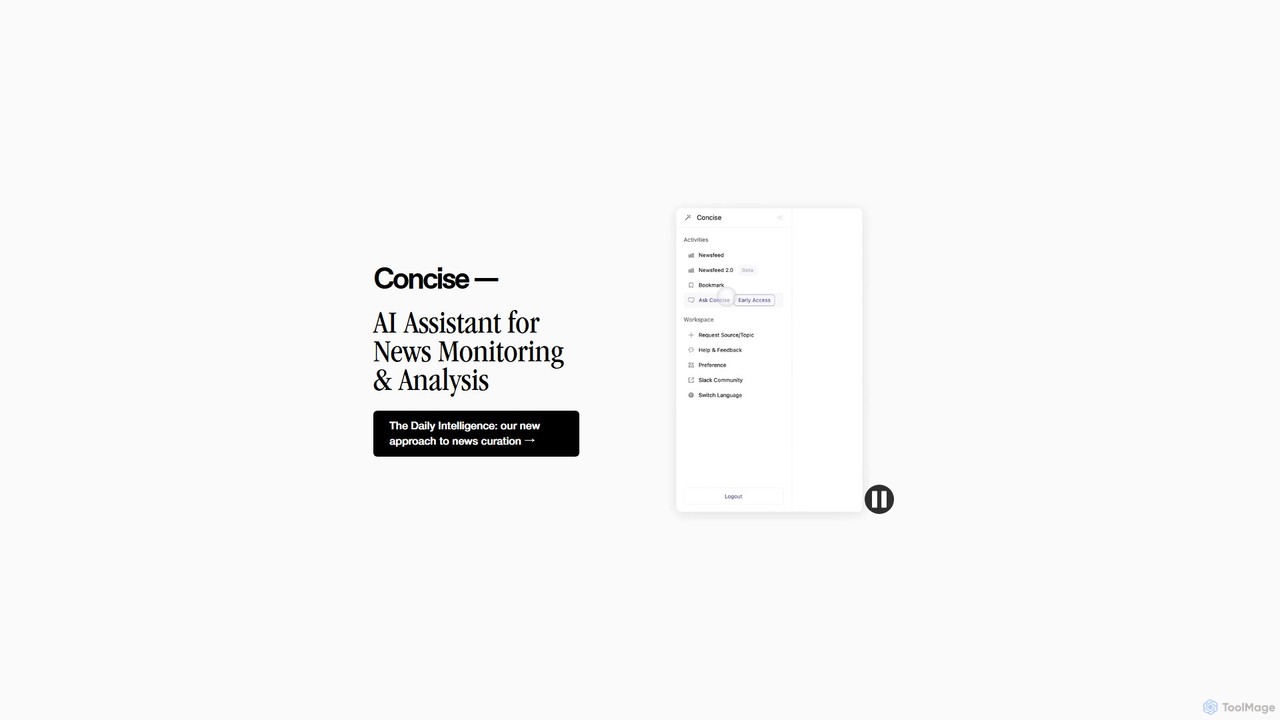
Concise is an AI-powered assistant for news monitoring and analysis. It transforms information overload into actionable intelligence by curating personalized news feeds, generating summaries, and analyzing trends. Ideal for professionals and businesses needing to stay informed efficiently, it delivers daily intelligence briefings to keep you ahead of the curve.

Market Intelligence
Visits 6.8KFavorites 157Likes 171
NewsDeck
Freemium

NewsDeck

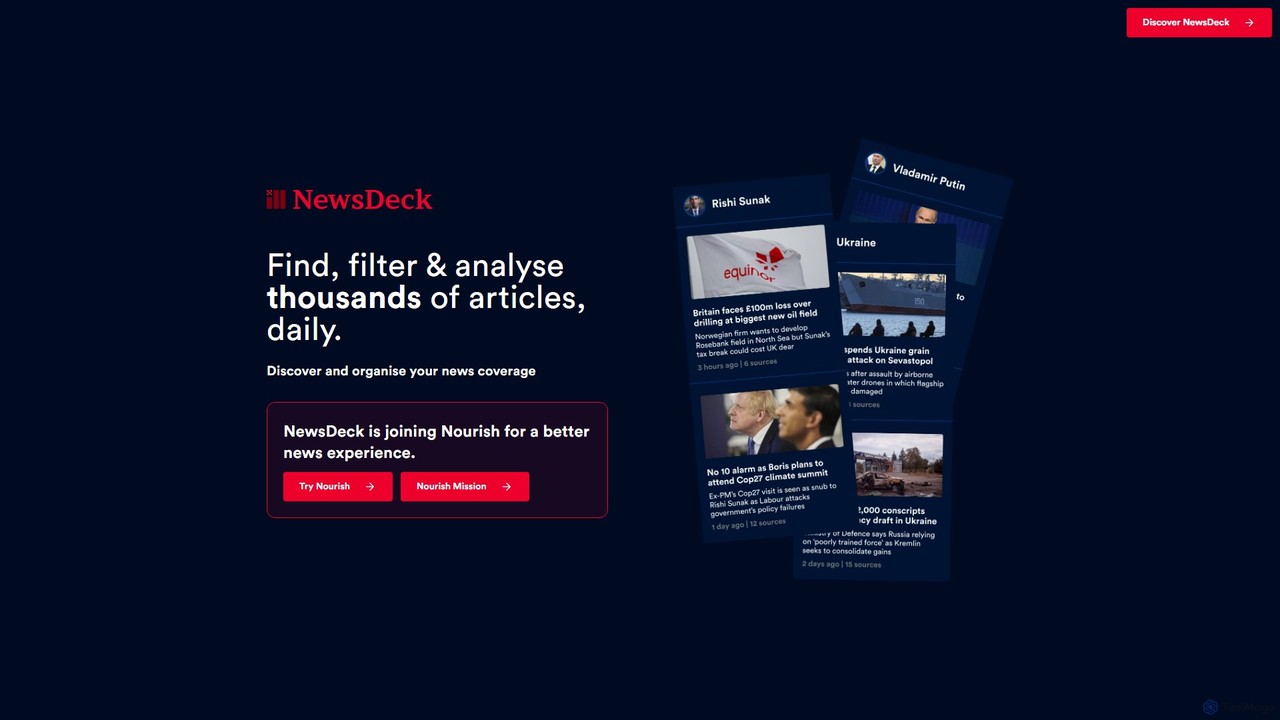
NewsDeck is an AI-powered news intelligence platform designed to find, filter, and analyze thousands of articles daily. It helps users track over 500,000 topics, companies, and individuals, correlating coverage across hundreds of publishers to provide deep, actionable insights. Now part of the Nourish ecosystem, it focuses on delivering a transparent and ethical news analysis experience.

Market Research
Visits 5.8KFavorites 149Likes 149

About Media Monitoring

AI Media Monitoring tools are platforms that automatically track and analyze mentions of specific keywords, brands, or topics across a vast range of digital and traditional media. Leveraging natural language processing (NLP) and machine learning, these tools scan news sites, social media, forums, and blogs in real-time. They provide businesses with critical insights into brand perception, competitive landscape, and market trends, enabling proactive reputation management and data-driven marketing strategies. This goes beyond simple alerts by offering deep sentiment analysis and trend identification.

Core Features

  • Real-time Mention Tracking: Continuously scans millions of online sources to capture brand or keyword mentions as they happen.
  • Sentiment Analysis: Automatically assesses the emotional tone of mentions, categorizing them as positive, negative, or neutral.
  • Trend Identification: Identifies emerging topics, conversation spikes, and shifting narratives related to your brand or industry.
  • Competitive Benchmarking: Tracks competitors' media coverage, share of voice, and public sentiment for strategic comparison.
  • Customizable Dashboards & Reporting: Generates visual reports and analytics on key metrics like reach, engagement, and sentiment trends.

Use Cases

These tools are essential for public relations, marketing, and corporate communications teams. PR managers use them for reputation management and crisis detection. Marketing strategists rely on them for competitive intelligence and campaign measurement. Product teams can also leverage these insights to understand customer feedback and identify market gaps.

How to Choose

When selecting a tool, consider the scope of media coverage (which channels are monitored) and the accuracy of its sentiment analysis and language support. Also, evaluate its integration capabilities with other marketing tools (like CRM or social media management platforms), the customizability of its reports, and whether the pricing model aligns with your usage volume.

Media Monitoring use cases

1

Proactive Brand Reputation Management

A public relations manager for a global consumer brand uses an AI Media Monitoring tool to set up real-time alerts for their brand name and key executives. When a negative review on a popular tech blog starts gaining traction, the tool immediately flags it and analyzes its sentiment and potential reach. This allows the PR team to draft and deploy a response within an hour, mitigating potential damage and demonstrating responsive customer care before the issue escalates into a major crisis.

2

In-depth Competitive Analysis

A marketing strategist at a SaaS company configures the tool to track not only their own brand but also their top three competitors. The platform generates a weekly 'Share of Voice' report, showing who is dominating the conversation in their niche. By analyzing the sentiment and key themes associated with competitor mentions, the strategist identifies a competitor's weakness in customer support, which becomes a key messaging point in their next marketing campaign.

3

Measuring Marketing Campaign Impact

After launching a major holiday marketing campaign, a digital marketing team uses a media monitoring tool to measure its resonance. They track the campaign-specific hashtag and keywords across social media and news outlets. The tool's dashboard visualizes the spike in mentions, the overall sentiment, and identifies the most influential accounts driving the conversation. This provides quantifiable data to report on the campaign's ROI beyond simple conversion metrics.

4

Identifying Emerging Market Trends

A product development team at an electronics company uses media monitoring to listen to broader industry conversations, not just brand mentions. They track keywords related to 'battery life,' 'sustainable tech,' and 'user interface design.' The AI identifies a growing volume of negative sentiment around the complex charging ports of existing devices across the market. This insight directly informs the decision to prioritize developing a new product with universal, simplified charging technology.

5

Discovering Relevant Industry Influencers

An influencer marketing manager for a fashion brand wants to find authentic micro-influencers. Instead of manual searches, they use a media monitoring tool to identify authors and creators who are already frequently discussing sustainable fashion and organic materials with high engagement. The tool ranks these potential partners by influence and relevance, allowing the manager to build a targeted outreach list of creators who genuinely align with the brand's values.

6

Early Warning for Crisis Communication

A corporate communications team for an airline sets up anomaly detection alerts. The AI tool monitors the normal volume and sentiment of conversations. When a technical issue grounds a flight, the tool detects an abnormal spike in negative mentions from a specific airport location long before it hits mainstream news. This early warning gives the communications team a critical head start to prepare official statements, inform customer service, and manage the narrative effectively.

Media Monitoring FAQ

What are AI Media Monitoring tools?

AI Media Monitoring tools are software platforms that automate the process of finding and analyzing brand, product, or keyword mentions across various media channels. They use technologies like Natural Language Processing (NLP) to understand the context and sentiment of conversations. Unlike simple keyword alerts, these tools provide deep analytics, track trends over time, and measure the impact of media coverage, making them essential for modern marketing and PR.

How do I choose the right AI Media Monitoring tool?

Choosing the right tool depends on your specific needs. Consider these factors:

  • Source Coverage: Ensure it monitors the channels most relevant to your audience (e.g., specific social networks, news sites, forums, or even broadcast media).
  • Analytical Depth: Evaluate the accuracy of its sentiment analysis, its ability to identify trends, and the quality of its reporting.
  • Language & Region Support: If you operate globally, confirm the tool effectively monitors and analyzes content in your target languages and regions.
  • Integration: Check if it can connect with your existing workflow tools, such as Slack, CRM, or business intelligence platforms.
What's the difference between Media Monitoring and Social Listening?

Media Monitoring is broader, focusing on tracking mentions across all media types, including online news, print, blogs, and broadcast, primarily for brand tracking and PR. Social Listening is a subset of this, focusing specifically on social media channels. The goal of social listening is often more proactive—to understand audience sentiment, find engagement opportunities, and gather insights for marketing strategy, while media monitoring is often more reactive and focused on measurement.

What key metrics can AI Media Monitoring tools track?

These tools track a wide range of metrics to provide a comprehensive view of your media presence. Key metrics include:

  • Volume of Mentions: The total number of times your keyword was mentioned.
  • Reach: The potential audience size of the mentions.
  • Sentiment Score: The ratio of positive, negative, and neutral mentions.
  • Share of Voice (SOV): Your brand's percentage of the conversation compared to competitors.
  • Top Influencers: The accounts and authors driving the most conversation about your brand.
Who should use AI Media Monitoring tools?

AI Media Monitoring tools are valuable for a variety of roles and departments. Public Relations (PR) teams use them to manage brand reputation and track press coverage. Marketing teams use them for competitive analysis, campaign tracking, and market research. Corporate communications professionals rely on them for crisis management. Even product development and customer support teams can use the insights to understand customer feedback and pain points.