Marketing Best in category 12 results Messaging AI Tool

Popular AI tools in the Messaging field of Marketing include Notbot、Sendblue、Superchat、Clerk、anantya.ai、ChatDaddy、novatalks、Mumble、Autowhat、Luminous CRM, etc., helping you quickly improve efficiency.

Luminous CRM

Luminous CRM

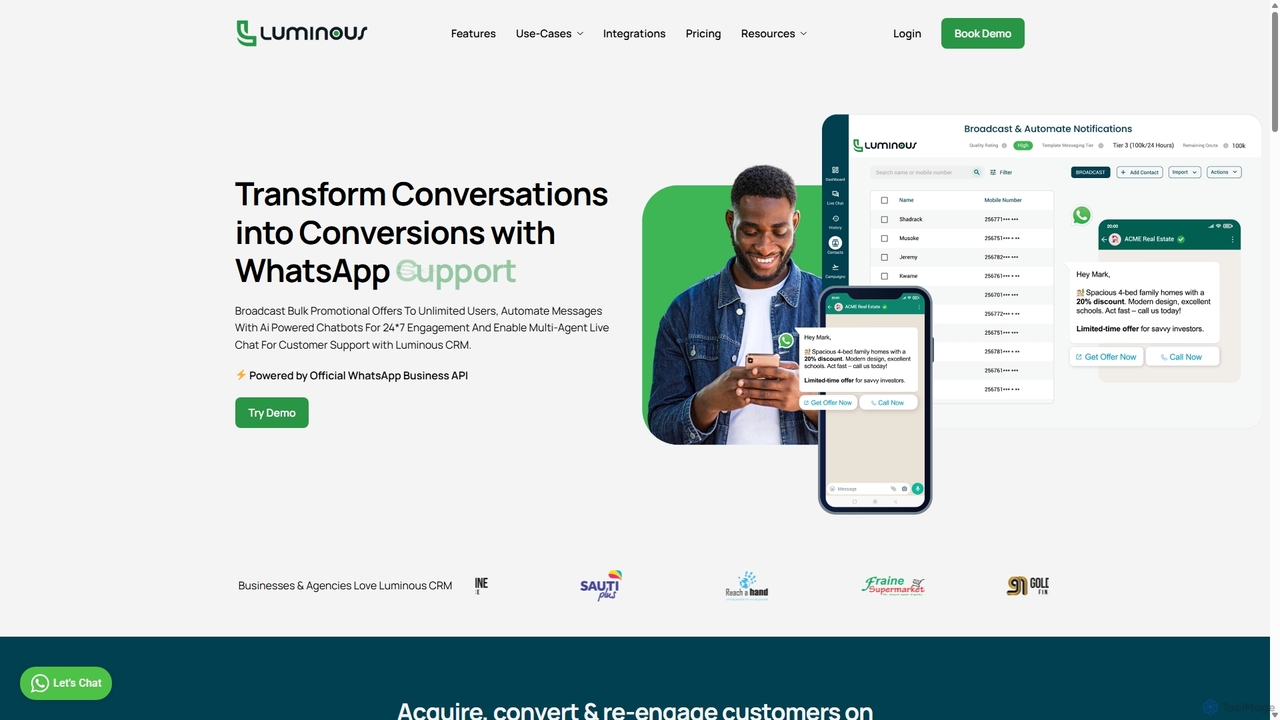
Luminous CRM is a comprehensive WhatsApp engagement platform powered by the official WhatsApp Business API. It enables businesses …

3.1K
Notbot

Notbot

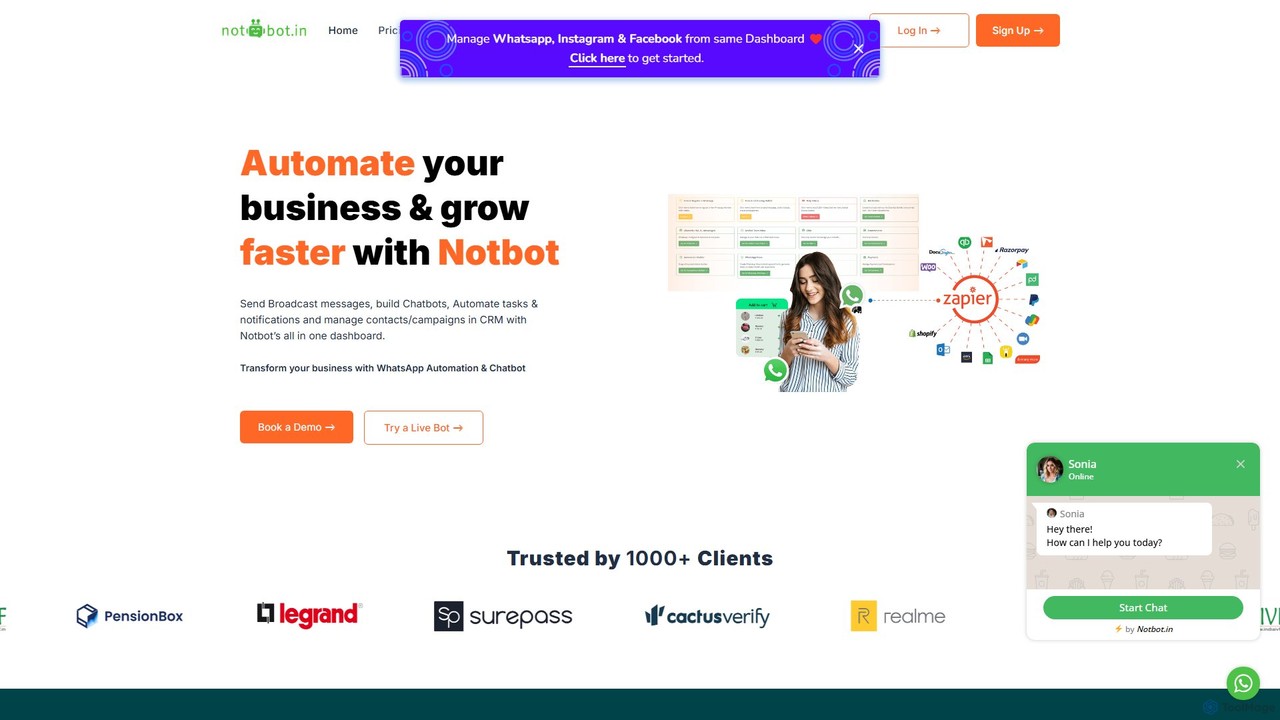
Notbot is an all-in-one WhatsApp marketing and customer engagement platform built on the official WhatsApp Business API. It …

559.0K
ChatDaddy

ChatDaddy

ChatDaddy is an all-in-one WhatsApp automation platform designed for businesses. It enhances customer communication through a shared Team …

17.5K
Sendblue

Sendblue

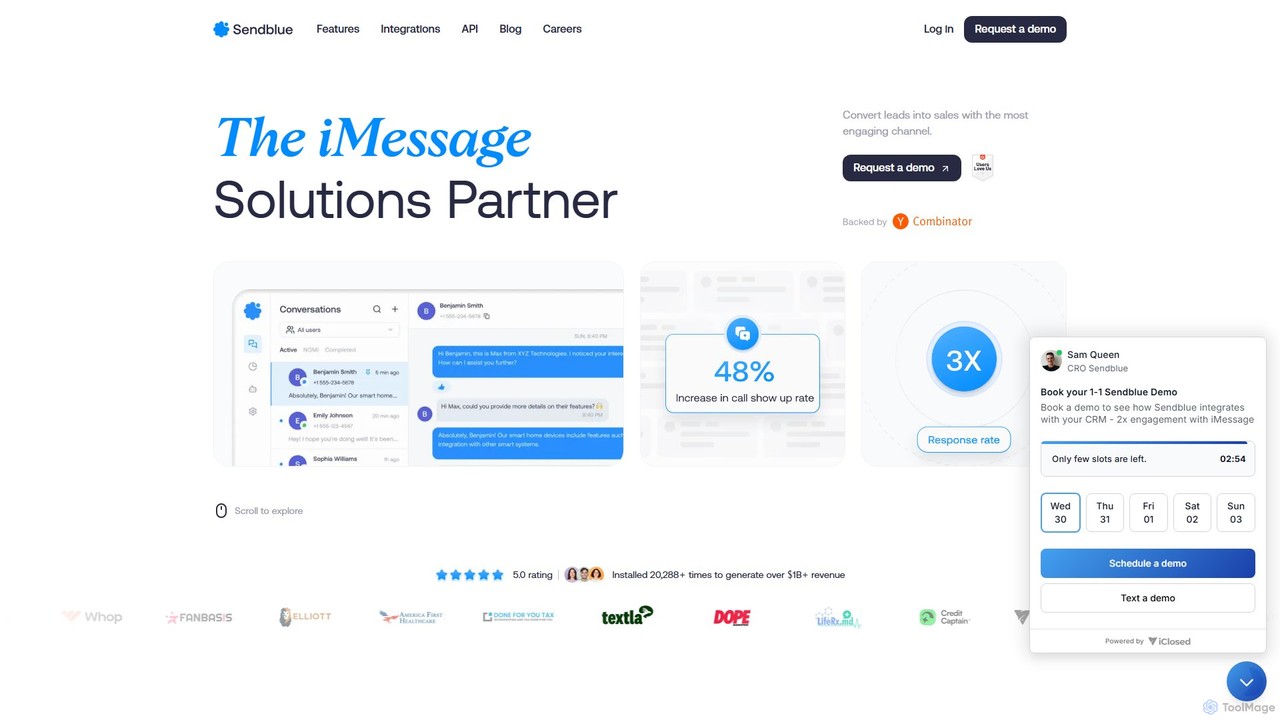
Sendblue is a business messaging platform that enables companies to communicate with customers via iMessage. It boosts engagement …

182.0K
novatalks

novatalks

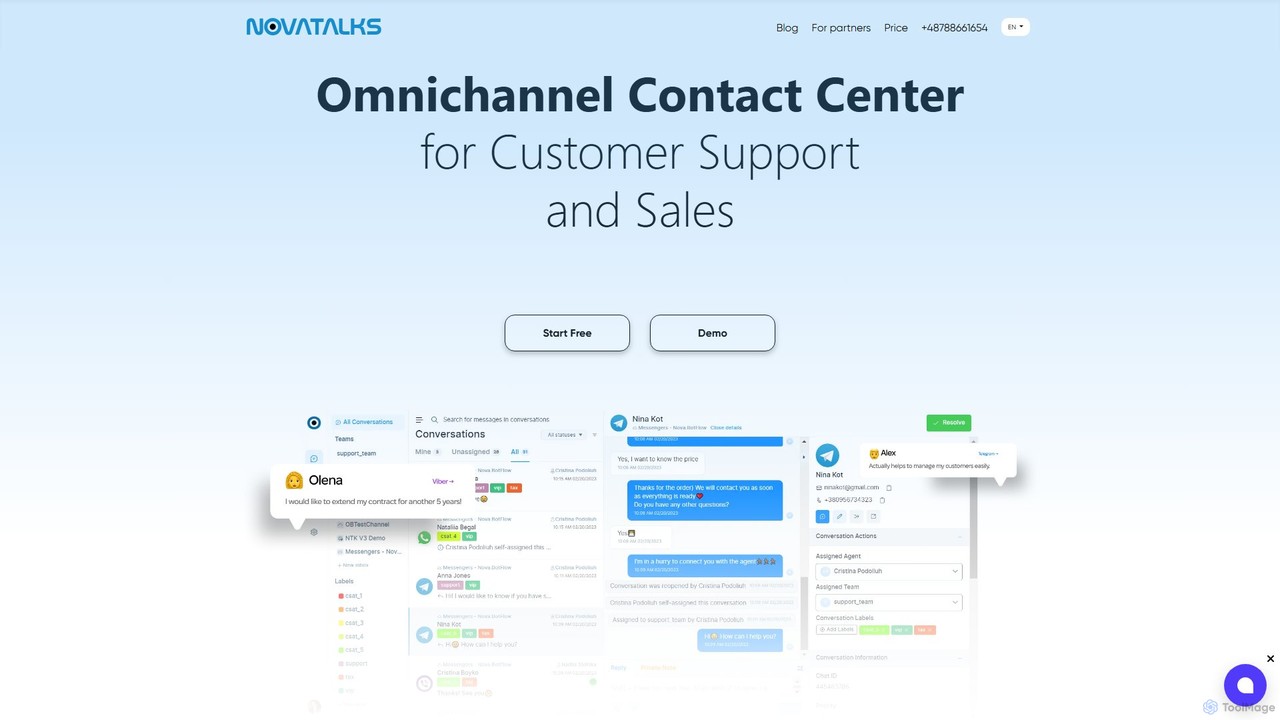
novatalks is an AI-powered omnichannel contact center platform for customer support and sales. It unifies communications from messengers, …

8.2K
anantya.ai

anantya.ai

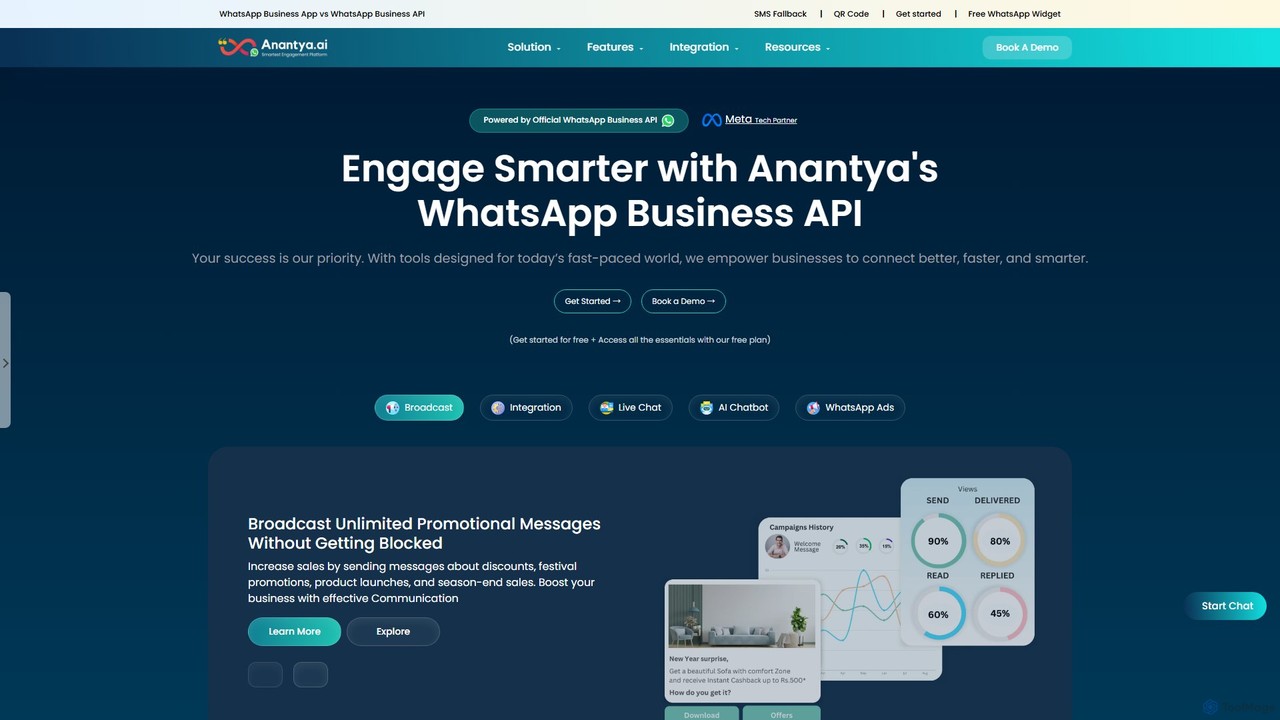
Anantya.ai is an AI-powered conversational engagement platform built on the official WhatsApp Business API. It helps businesses automate …

27.1K
Clerk

Clerk

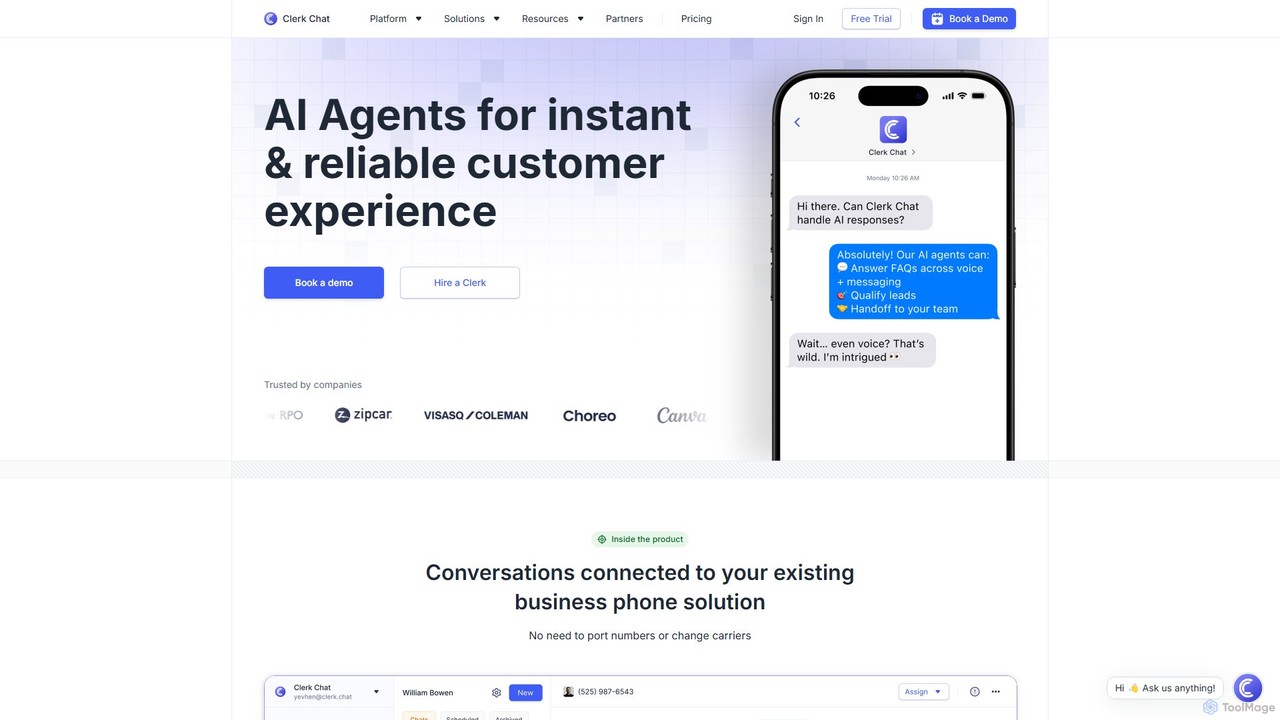
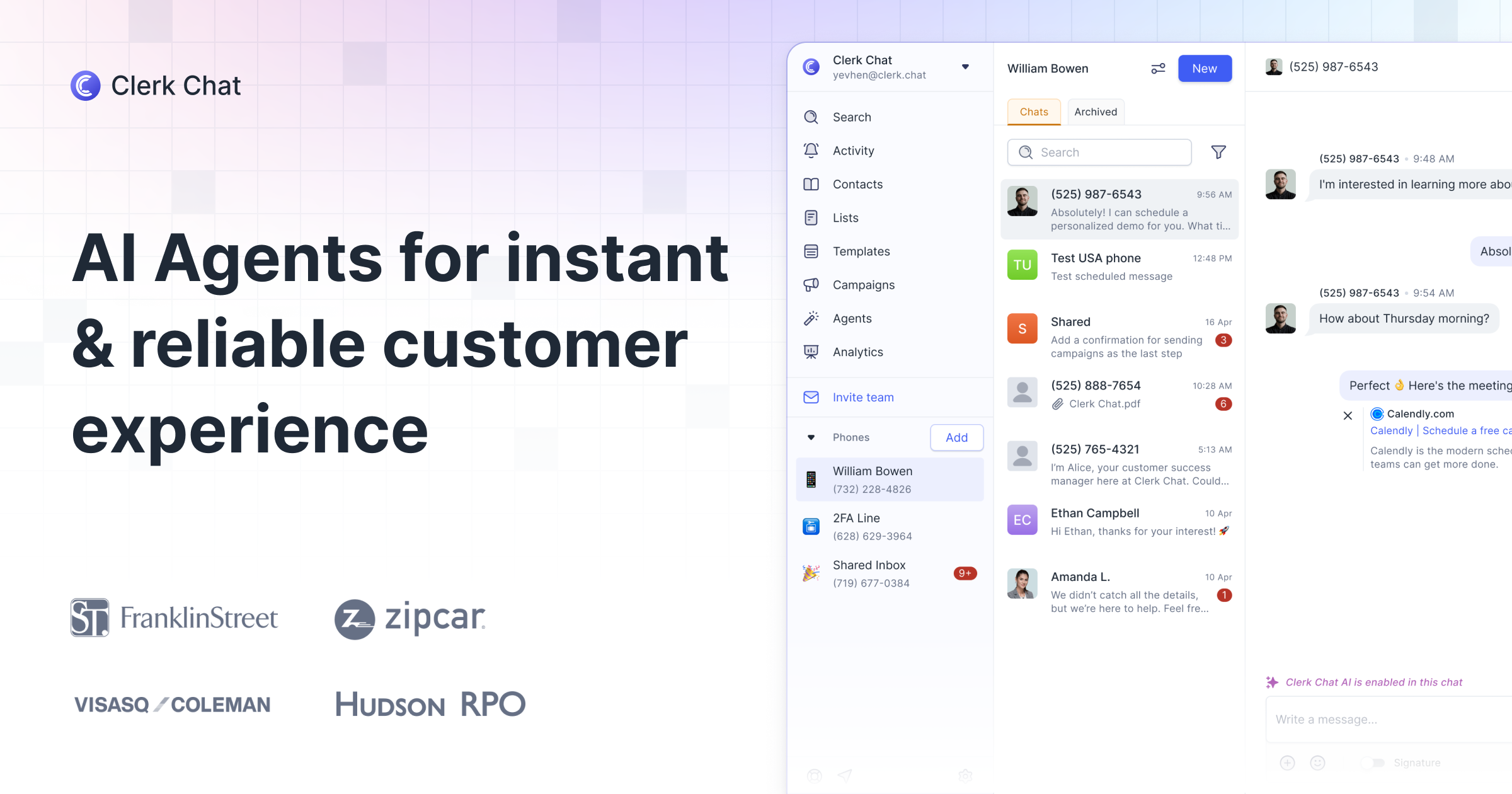
Clerk is an AI-powered business messaging platform that deploys intelligent agents to automate customer conversations across SMS, RCS, …

114.7K
Mumble

Mumble

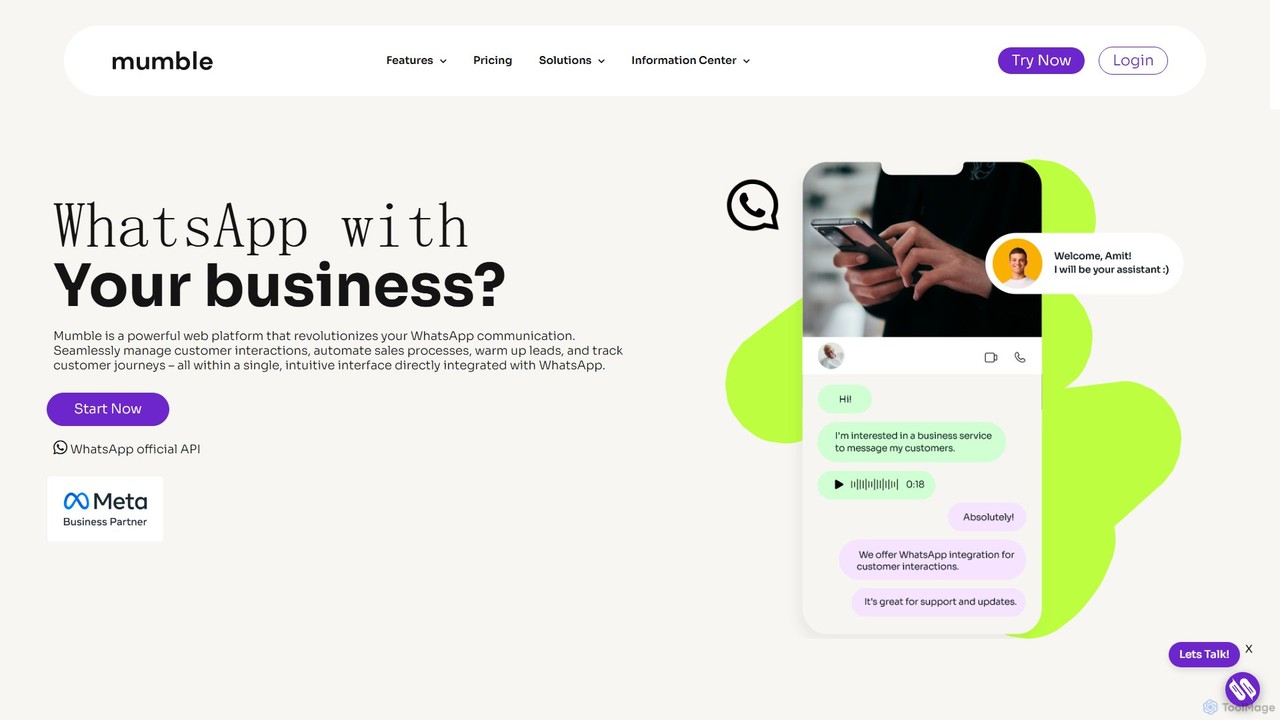
Mumble is a powerful AI-driven web platform that revolutionizes business communication on WhatsApp. It enables businesses to manage …

8.0K
Gustabot

Gustabot

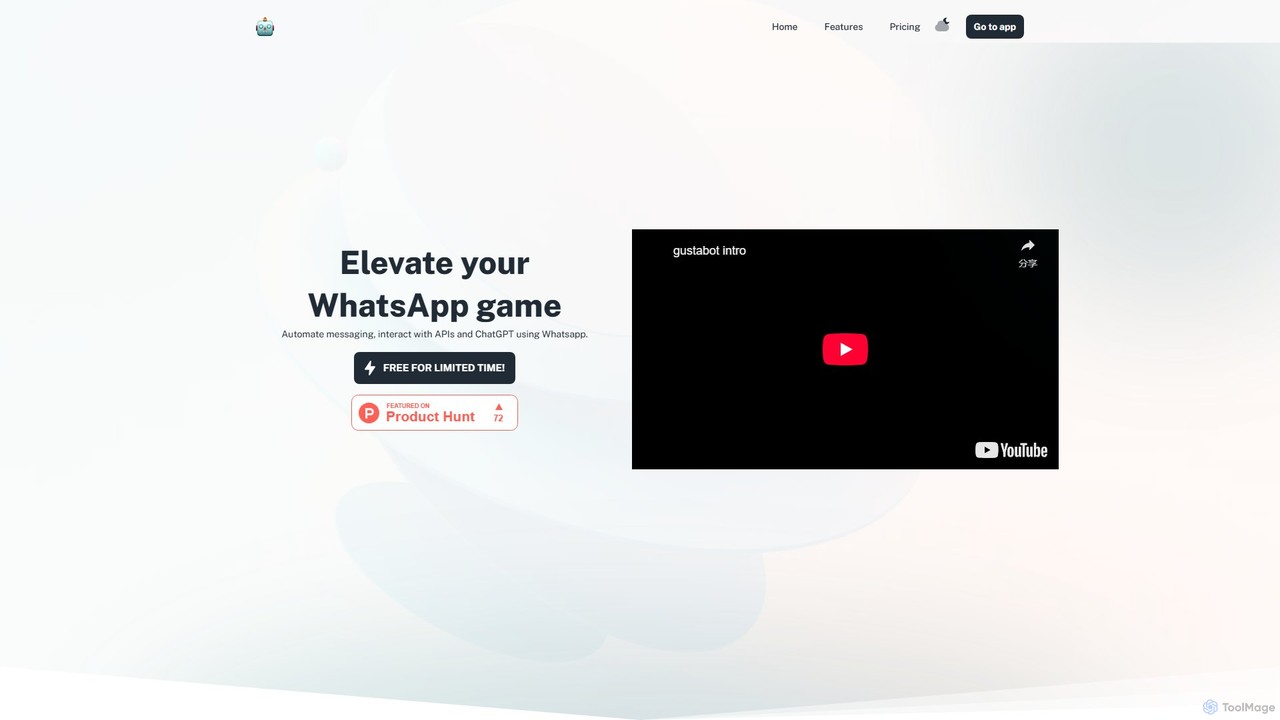
Gustabot enhances WhatsApp by automating messages and integrating with APIs and generative AI services like ChatGPT. It allows …

3.1K
Autowhat

Autowhat

Autowhat provides custom AI-powered WhatsApp chatbot solutions to automate business operations, enhance customer engagement, and boost sales. It …

7.0K
WhatsBotPro

WhatsBotPro

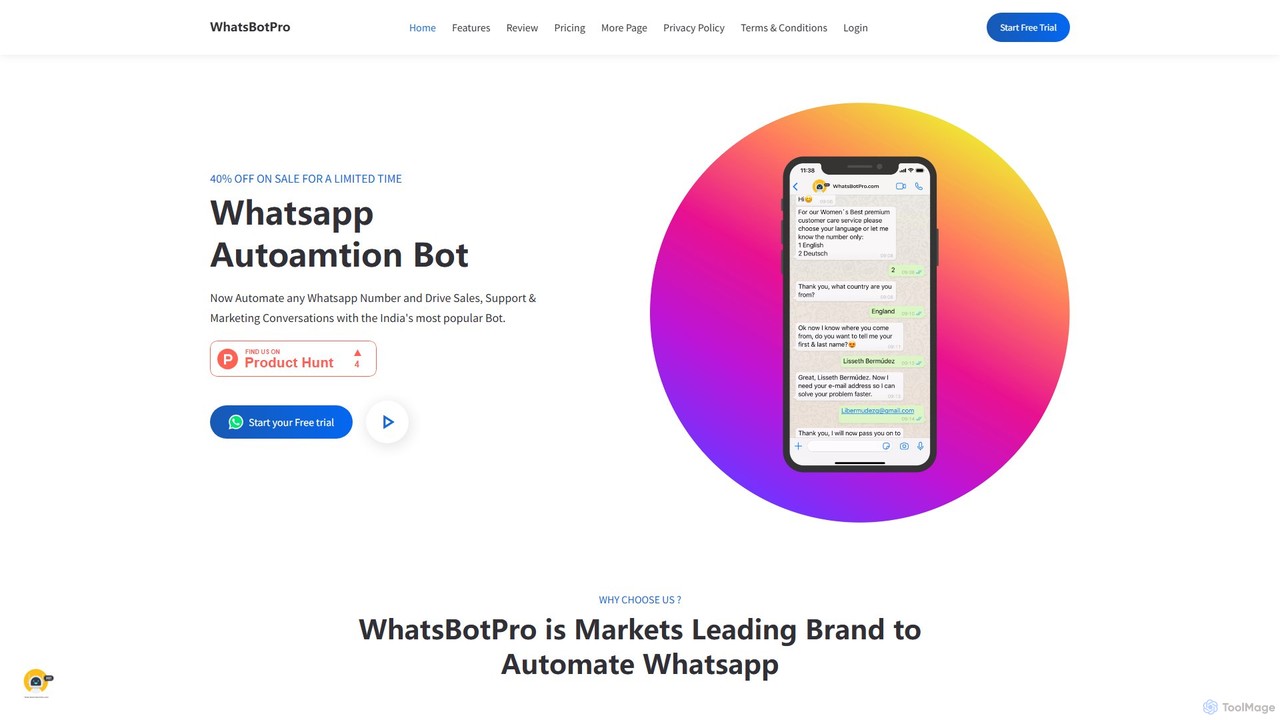
WhatsBotPro is a powerful WhatsApp automation platform designed to enhance sales, marketing, and customer support. It enables businesses …

3.1K
Superchat

Superchat

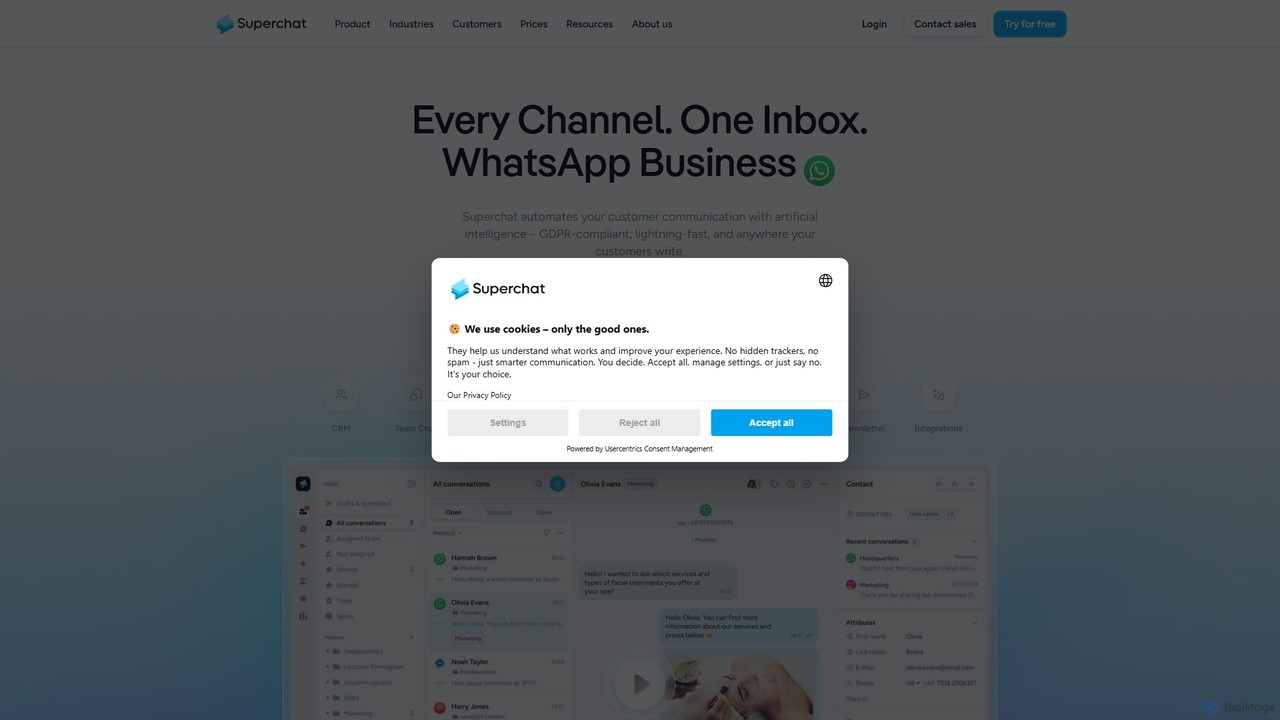
Superchat is an AI-powered business messaging platform that unifies all customer communication channels like WhatsApp, email, and social …

119.6K

About Messaging

AI Messaging tools are a class of software designed to automate, personalize, and optimize customer communication across multiple channels. These platforms leverage artificial intelligence, particularly machine learning and natural language processing (NLP), to analyze user data and behavior in real-time. This enables businesses to send highly relevant messages at the most effective moments, significantly improving engagement and conversion rates. Unlike traditional autoresponders, AI Messaging tools can dynamically adjust content, timing, and channel selection to fit individual customer journeys.

Core Features

  • Omnichannel Automation: Design and automate communication workflows across email, SMS, push notifications, and in-app messages.
  • Predictive Personalization: Use AI to predict user behavior and automatically tailor message content, product recommendations, and offers for each individual.
  • AI-Powered Content Generation: Automatically generate or suggest effective subject lines, body copy, and calls-to-action to improve campaign performance.
  • Smart Segmentation: Create dynamic audience segments based on real-time behavior, predictive analytics (like churn risk), and demographic data.
  • Optimized Send Times: Analyze individual user habits to determine and send messages at the precise time each person is most likely to engage.

Use Cases

These tools are widely used by marketing managers, e-commerce operators, and customer success teams. Common applications include creating sophisticated lead nurturing sequences in B2B marketing, executing abandoned cart recovery campaigns in e-commerce, and delivering personalized onboarding experiences for new SaaS users. They help bridge the gap between mass communication and one-to-one interaction.

How to Choose

When selecting an AI Messaging tool, consider the range of supported channels (email, SMS, etc.) and their relevance to your audience. Evaluate the depth of its integration capabilities with your existing CRM, e-commerce platform, or data warehouse. Assess the sophistication of its AI features, such as predictive analytics and content generation. Finally, review the analytics dashboard to ensure it provides clear, actionable insights into campaign performance and customer behavior.

MessagingUse Cases

1

Automate E-commerce Abandoned Cart Recovery

An e-commerce manager uses an AI messaging tool to combat lost sales. When a customer adds items to their cart but doesn't complete the purchase, an automated workflow is triggered. The AI first sends a personalized email reminder featuring the exact products left behind. If there's no response, the system can follow up with an SMS message offering a small, time-sensitive discount. The AI optimizes the timing of each message based on the user's past activity, significantly increasing the chances of recovering the sale compared to a generic, one-size-fits-all reminder.

2

Personalize B2B Lead Nurturing Campaigns

A B2B marketing team uses an AI messaging platform to nurture leads acquired from a webinar. Instead of sending the same follow-up sequence to all attendees, the AI segments them based on their engagement level (e.g., attended live vs. watched recording, questions asked). The system then delivers tailored email sequences. Highly engaged leads might receive a case study and an invitation for a demo, while less engaged leads get a link to a related blog post. This personalized approach ensures content is always relevant, increasing the likelihood of converting leads into qualified opportunities.

3

Create Proactive Customer Onboarding Flows

A SaaS company's product team designs an automated onboarding journey for new users. Using an AI messaging tool, they create a sequence of in-app messages and emails triggered by user actions. For example, a user who successfully creates their first project receives a congratulatory message with a tip for the next step. A user who hasn't logged in for three days receives a gentle nudge email with a link to a helpful tutorial. The AI can also identify users who are struggling with a specific feature and proactively send them relevant help documentation, improving user activation and long-term retention.

4

Optimize Promotional Broadcasts with AI

A retail brand's marketing specialist plans a flash sale. Instead of manually writing copy and guessing the best send time, they use an AI messaging tool. The AI generates several compelling subject line variations and body copy options. The specialist then sets up an A/B test to send these variations to a small segment of the audience. The AI analyzes the initial results and automatically sends the winning combination to the rest of the list. Furthermore, it uses a 'send time optimization' feature to deliver the email to each recipient at the time they are individually most likely to open it, maximizing reach and revenue.

5

Scale Customer Support with Automated Responses

A customer support lead for an online service integrates an AI messaging tool with their helpdesk system. The tool analyzes incoming support requests via email and chat. For common, repetitive questions like "How do I reset my password?" or "What are your business hours?", the AI automatically sends a pre-approved, helpful response. This instantly resolves a significant portion of tickets without human intervention. For more complex issues, the AI categorizes the ticket and routes it to the appropriate agent, providing them with context and saving valuable time, ultimately leading to faster resolution times for all customers.

6

A/B Test and Optimize Transactional Messages

A product manager wants to increase user engagement with transactional emails, such as order confirmations and shipping notifications. Using an AI messaging tool, they set up A/B tests for these critical communications. The AI helps generate different versions of the subject line and suggests adding a personalized product recommendation block at the bottom of the email. The system automatically sends different versions to segments of users and tracks open rates, click-through rates, and subsequent purchases. Over time, the tool identifies the highest-performing templates, which are then rolled out to all users, turning standard notifications into revenue-generating opportunities.

MessagingFrequently Asked Questions