SnipOwl
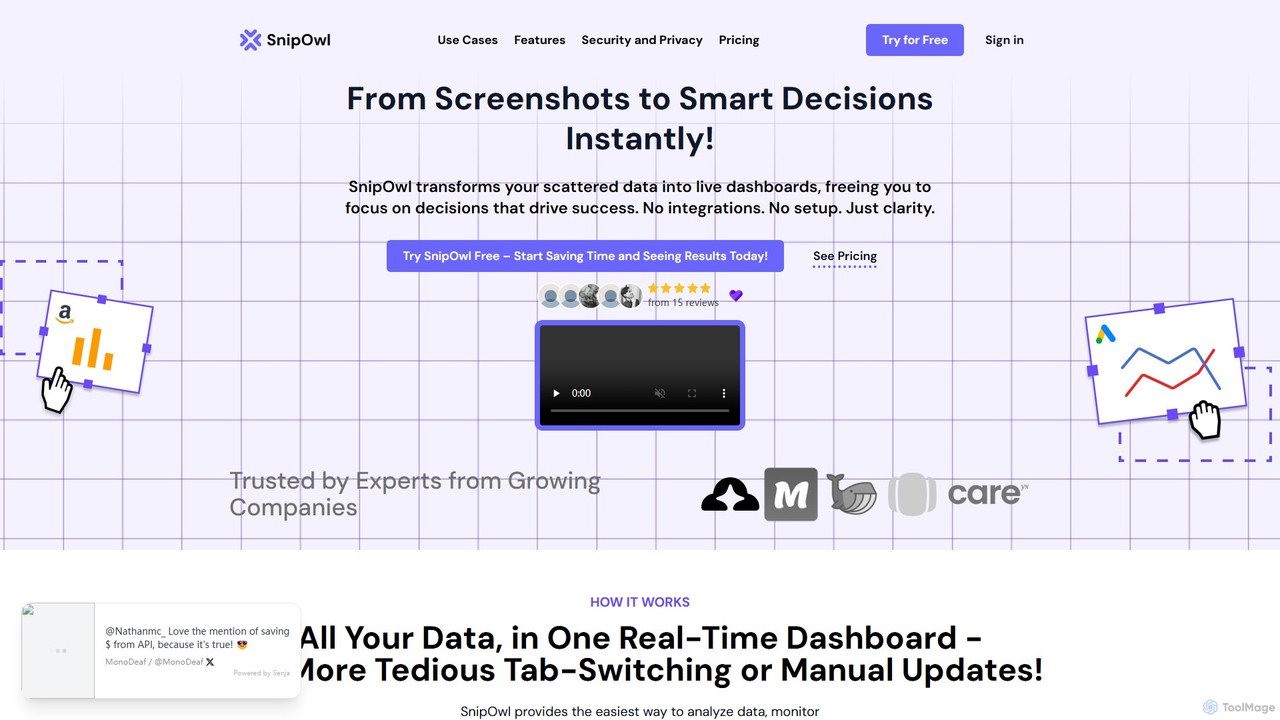
SnipOwl is an innovative tool that transforms static screenshots of any webpage into live, auto-updating dashboards. Using a …
SnipOwl is an innovative tool that transforms static screenshots of any webpage into live, auto-updating dashboards. Using a Chrome extension, you can capture key metrics, charts, or data from various sources without needing complex integrations or APIs. It centralizes your data, allowing for real-time monitoring, faster decision-making, and significant cost savings on API fees. It's ideal for marketers, analysts, and anyone needing a unified view of their data.
Eliteyez
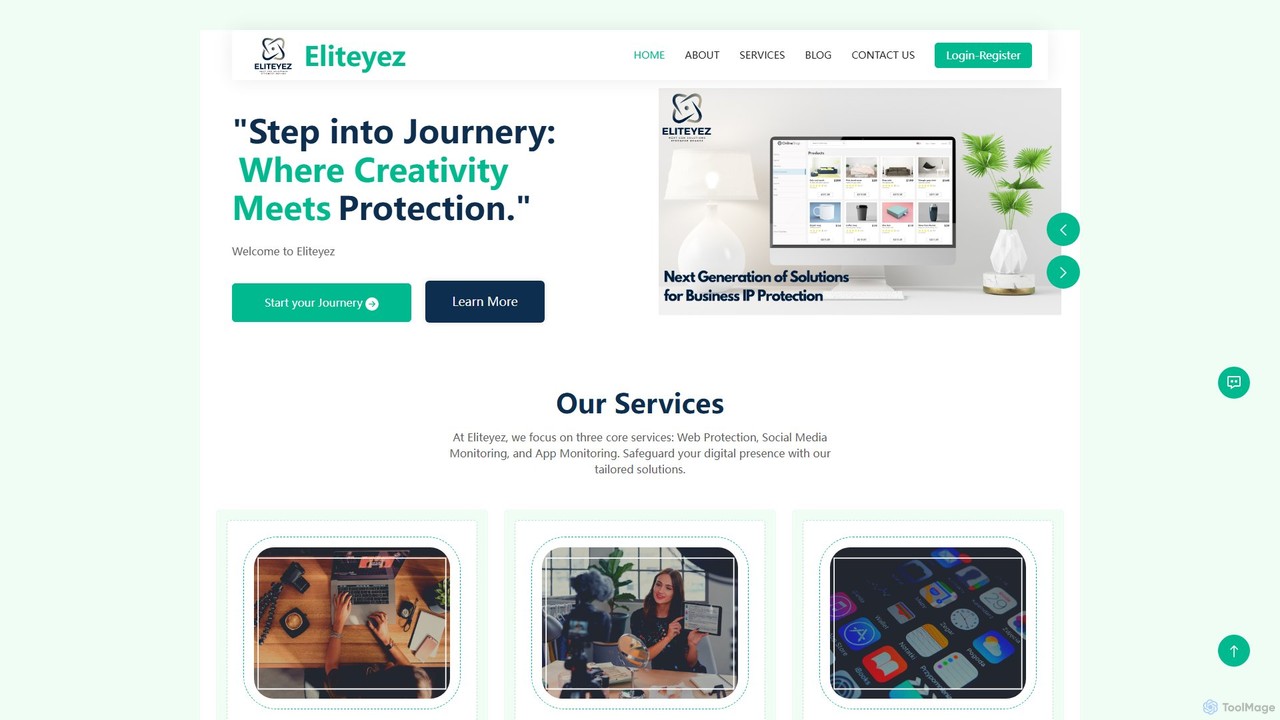
Eliteyez is an AI-powered platform dedicated to intellectual property (IP) and brand protection. It proactively monitors the web …
Eliteyez is an AI-powered platform dedicated to intellectual property (IP) and brand protection. It proactively monitors the web to detect and combat copyright infringement, counterfeit products, and trademark violations, helping creators and businesses safeguard their digital assets.
About Monitoring
AI Monitoring tools are a specialized category within marketing that automatically track and analyze online conversations, brand mentions, and competitor activities. Leveraging Natural Language Processing (NLP) and machine learning, these tools sift through vast amounts of public data from social media, news sites, forums, and review platforms. This provides businesses with real-time market intelligence, enabling them to manage brand reputation, understand customer sentiment, and react swiftly to market trends. Unlike traditional analytics tools focused on internal data, these platforms analyze external, unstructured data to offer a comprehensive view of the market landscape.
Core Features
- Social Media Listening: Tracks brand mentions, relevant keywords, and hashtags across major social networks and forums.
- Sentiment Analysis: Automatically determines the emotional tone (positive, negative, neutral) of online conversations about a brand or topic.
- Competitor Tracking: Monitors competitors' marketing campaigns, content releases, and public perception in real-time.
- Trend Identification: Analyzes conversation patterns to detect emerging topics, consumer interests, and potential viral content.
- Real-time Alerts: Delivers instant notifications for significant mentions, sentiment shifts, or potential PR crises.
Use Cases
These tools are essential for marketing managers, public relations specialists, brand strategists, and competitive intelligence analysts. They are widely used in dynamic industries like consumer goods, technology, and hospitality for brand health tracking, campaign impact measurement (earned media), crisis management, and market research to inform product development.
How to Choose
When selecting an AI Monitoring tool, consider the breadth of its data source coverage—does it include the platforms most important to your audience? Evaluate the accuracy and granularity of its sentiment analysis. Assess its integration capabilities with other marketing tools like CRM or BI platforms, and examine the customizability of its alerting and reporting features to ensure it meets your specific intelligence needs.

MonitoringUse Cases
Proactive Brand Reputation Management
A Public Relations Manager for a consumer electronics brand uses an AI Monitoring tool to prevent negative feedback from escalating. They set up real-time alerts for the brand name combined with negative sentiment keywords on Twitter and popular tech forums. When a customer posts a frustrated comment about a product bug, the system instantly flags it. This allows the support team to engage with the user within minutes, offering a solution and turning a potential PR crisis into a positive customer service interaction, thereby protecting the brand's public image.
Analyze Competitor Marketing Campaigns
A Marketing Strategist at a SaaS company is planning a major product launch. They use an AI Monitoring tool to track a key competitor who recently launched a similar feature. The tool gathers data on the competitor's announcement blog posts, social media ads, and press coverage. More importantly, it analyzes the public's reaction, showing sentiment trends and key discussion points. The strategist discovers that customers are complaining about the competitor's pricing model. This insight allows them to adjust their own launch messaging to highlight a more flexible pricing structure, gaining a competitive advantage.
Discover User-Generated Content (UGC) Opportunities
A Social Media Manager for a travel gear brand wants to feature authentic customer content. They use an AI Monitoring tool to track hashtags related to their brand and products on Instagram and TikTok. The tool's image recognition feature helps identify high-quality photos and videos where customers are using their gear in scenic locations. The manager can then reach out to these users for permission to feature their content. This process automates the discovery of valuable UGC, increasing social proof and engagement while reducing the need for expensive, professionally produced content.
Inform Product Development with Customer Feedback
A Product Manager for a project management software wants to identify common user pain points. Instead of relying solely on support tickets, they use an AI Monitoring tool to scan conversations on Reddit, software review sites, and Twitter. The tool aggregates mentions related to their product and competitors, using NLP to categorize feedback into themes like 'integration issues,' 'UI confusion,' or 'feature requests.' This provides a broad, unfiltered view of user sentiment, helping the product manager prioritize the development roadmap based on the most frequently discussed problems and desired features in the market.
Measure Earned Media and Campaign Impact
After launching a major PR campaign, a Digital Marketing Analyst needs to measure its true impact. They use an AI Monitoring tool to track metrics beyond website clicks. The tool measures the total volume of media mentions, calculates the 'share of voice' compared to competitors during the campaign period, and analyzes the overall sentiment shift. By comparing pre-campaign and post-campaign data, the analyst can demonstrate how the campaign increased brand visibility and improved public perception, providing a more holistic view of ROI to stakeholders.
Identify and Engage with Industry Influencers
A Brand Manager for a new health supplement company wants to build relationships with key opinion leaders. They use an AI Monitoring tool to identify authors and creators who frequently discuss topics like nutrition, fitness, and wellness. The tool ranks these individuals based on their reach, engagement rates, and the relevance of their content. This allows the brand manager to create a targeted list of authentic micro-influencers to engage with, rather than just focusing on celebrities with large but potentially irrelevant followings. This data-driven approach leads to more effective and genuine influencer marketing partnerships.