
Marketing Best in category 1 results Multichannel Marketing AI Tool

Popular AI tools in the Multichannel Marketing field of Marketing include SyncBob, etc., helping you quickly improve efficiency.

SyncBob

SyncBob

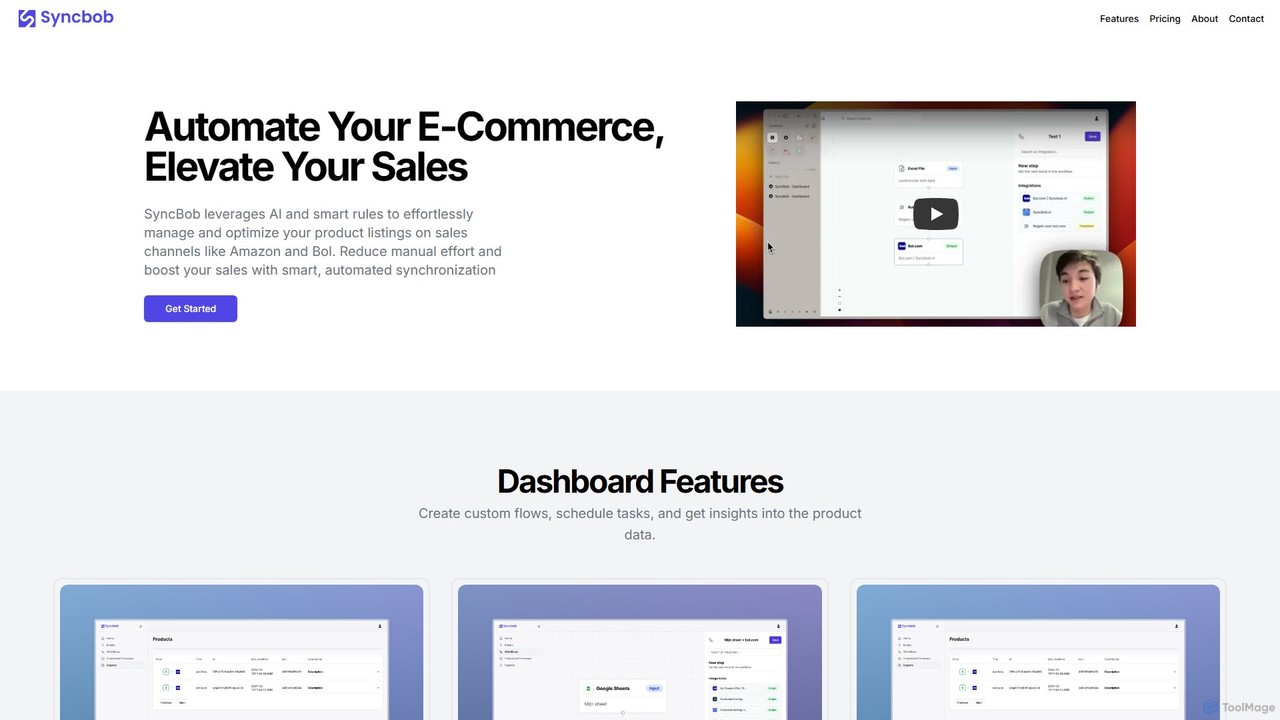
SyncBob is an AI-powered platform that automates e-commerce product data management. It uses smart rules and AI to …

3.1K

About Multichannel Marketing

Multichannel Marketing AI tools are platforms that leverage artificial intelligence to orchestrate and optimize customer interactions across various communication channels. These tools analyze customer data to deliver personalized messages and offers, ensuring a consistent brand experience whether through email, social media, SMS, or in-app notifications. By automating campaign management and audience segmentation, they help businesses engage customers more effectively throughout their buying journey.

Core Features

  • Unified Customer Profiles: Consolidate customer data from all channels into a single, comprehensive view for better segmentation.
  • Automated Campaign Orchestration: Design and execute complex marketing workflows that trigger actions across multiple channels based on customer behavior.
  • AI-driven Personalization: Dynamically adapt content, offers, and timing for individual customers across different touchpoints.
  • Cross-channel Analytics: Provide integrated reporting on campaign performance across all channels to identify optimization opportunities.
  • Real-time Interaction Management: Respond to customer actions and preferences in real-time, delivering timely and relevant communications.

Use Cases

Businesses utilize Multichannel Marketing AI tools to streamline their outreach efforts and enhance customer engagement. For instance, an e-commerce brand might use these tools to send a personalized email about an abandoned cart, followed by a targeted social media ad, and then an SMS reminder, all coordinated to guide the customer back to purchase.

How to Choose

When selecting Multichannel Marketing AI tools, consider the breadth of channel integrations, the sophistication of AI-driven personalization capabilities, and the ease of workflow automation. Evaluate the platform's ability to unify customer data, provide actionable cross-channel analytics, and scale with your marketing needs.

Multichannel MarketingUse Cases

1

Automate Abandoned Cart Recovery Across Channels

E-commerce businesses can use Multichannel Marketing AI to automatically re-engage customers who leave items in their cart. The system can trigger an email reminder, followed by a push notification on their mobile app, and then a targeted social media ad, all personalized with the specific products. This coordinated approach significantly increases the likelihood of converting lost sales by providing timely, relevant prompts.

2

Create Personalized Customer Onboarding Journeys

SaaS companies or service providers can design AI-powered onboarding sequences that adapt to new user behavior. After sign-up, the tool might send a welcome email, followed by in-app tips based on initial feature usage, and then a personalized SMS with a link to a relevant tutorial video if engagement drops. This ensures new users receive tailored guidance, improving activation and retention rates.

3

Cross-Promote New Offerings with Coordinated Campaigns

Retailers or content platforms can launch new products or services by orchestrating campaigns across email newsletters, social media posts, and website banners. AI tools analyze customer segments to determine the most effective channel and message for each group, ensuring maximum visibility and engagement. This integrated strategy drives awareness and conversions more efficiently than siloed efforts.

4

Execute Segmented Customer Retention Campaigns

Subscription-based businesses can leverage Multichannel Marketing AI to identify at-risk customers and deploy targeted retention strategies. For example, if a customer's usage declines, the system might send a personalized email with exclusive content, followed by a special offer via SMS, or a re-engagement ad on social media. This proactive approach helps reduce churn by addressing individual customer needs.

5

Streamline Event Promotion and Registration Management

Organizations hosting webinars, conferences, or workshops can use these tools to manage the entire promotion and registration process. From initial email invitations and social media announcements to SMS reminders for registered attendees and post-event follow-ups, the AI coordinates all communications. This ensures consistent messaging, maximizes attendance, and simplifies logistical tasks for event organizers.

6

Enhance Customer Service with Coordinated Follow-ups

Businesses can integrate Multichannel Marketing AI with their CRM to manage customer service interactions more effectively. If a support ticket is resolved, the system can send a follow-up email requesting feedback, and if no response, a brief SMS survey. For complex issues, it can trigger a personalized email from a dedicated account manager. This ensures a seamless and proactive customer service experience.

Multichannel MarketingFrequently Asked Questions