Ecommerce Best in category 5 results Product Information Management AI Tool

Popular AI tools in the Product Information Management field of Ecommerce include amplifi、unopim、naratix、SyncBob、deinpim, etc., helping you quickly improve efficiency.

SyncBob

SyncBob

SyncBob is an AI-powered platform that automates e-commerce product data management. It uses smart rules and AI to …

3.1K
amplifi

amplifi

amplifi is an AI-powered Product Experience Management (PXM) platform designed for global ecommerce. It centralizes Product Information Management …

263.4K
naratix

naratix

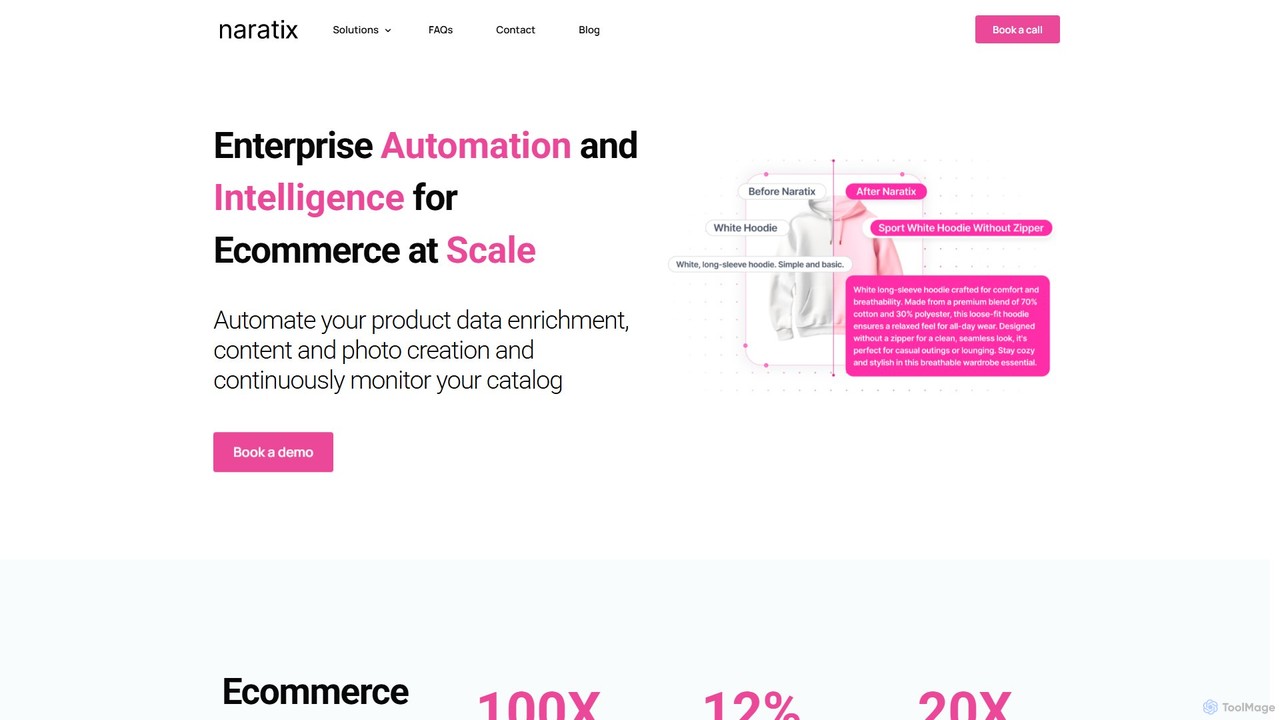
Naratix is an enterprise-grade AI platform for e-commerce automation and intelligence. It streamlines the entire product catalog workflow, …

7.6K
unopim

unopim

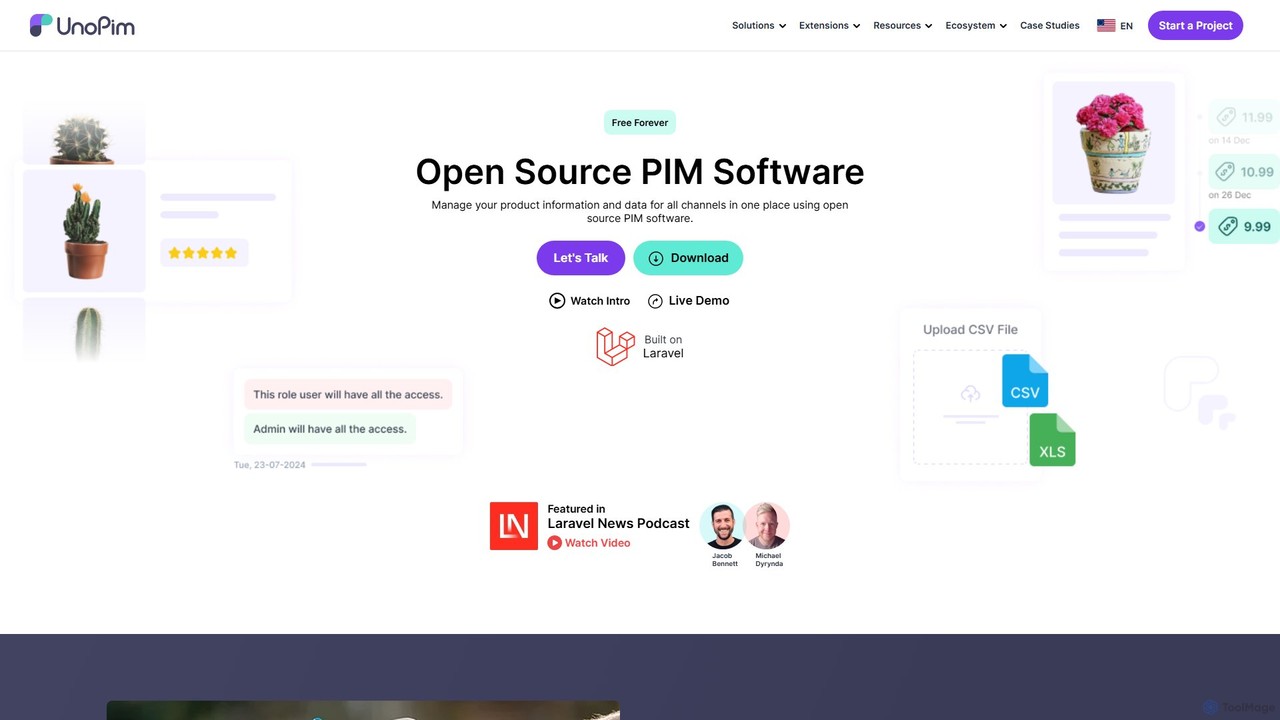
unopim is a powerful open-source Product Information Management (PIM) and Digital Asset Management (DAM) platform designed for e-commerce. …

14.0K
deinpim

deinpim

deinpim is a customizable Product Information Management (PIM) system designed to centralize, optimize, and distribute product data. It …

3.0K

About Product Information Management

Product Information Management (PIM) tools are centralized platforms designed to manage, enrich, and distribute product data across all ecommerce channels. These systems leverage AI to automate tasks such as generating compelling product descriptions, extracting attributes from images, and ensuring data consistency. By creating a single source of truth, AI-powered PIM helps businesses deliver accurate and engaging product experiences, reduce time-to-market, and improve operational efficiency. This is particularly crucial for companies within the ecommerce space managing large or complex product catalogs.

Core Features

  • Centralized Data Repository: Consolidates all product information (specifications, marketing copy, media assets) into a single, accessible hub.
  • AI-Powered Content Enrichment: Automatically generates SEO-friendly product descriptions, titles, and suggests relevant keywords.
  • Automated Data Validation: Uses AI to identify and flag inconsistencies, missing information, or formatting errors to maintain high data quality.
  • Multi-Channel Syndication: Seamlessly distributes tailored and accurate product information to various sales channels like websites, marketplaces, and social media.
  • Digital Asset Management (DAM): Manages and links product-related media files, such as images and videos, ensuring the correct assets are used on each channel.

Use Cases

Product Information Management tools are essential for retailers, manufacturers, and distributors with extensive product catalogs. Ecommerce managers use them to streamline new product launches and ensure brand consistency. Marketing teams leverage them to enrich product data for targeted campaigns, while data management teams rely on them to maintain accuracy and governance across the organization.

How to Choose

When selecting a PIM tool, consider its integration capabilities with your existing ecommerce platform (e.g., Shopify, Magento) and ERP systems. Evaluate the sophistication of its AI features—does it meet your needs for content generation, image tagging, or data cleansing? Assess its scalability to handle your future SKU growth and its user-friendliness for non-technical teams who will manage the data daily.

Product Information ManagementUse Cases

1

Automate Product Description Generation for New Launches

An ecommerce manager for a fashion brand is tasked with launching a new collection of 50 items. Instead of spending weeks manually writing unique, SEO-friendly descriptions for each product, they use an AI PIM tool. By inputting key attributes like material, color, style, and fit, the AI generates multiple compelling description variants for each item. This process reduces the content creation time by over 80%, ensures brand voice consistency, and helps new products rank faster on search engines.

2

Ensure Data Consistency Across Multiple Sales Channels

A home goods retailer sells products on their own website, Amazon, and through a network of physical stores. Previously, updating a product price or image required logging into three separate systems, leading to errors and inconsistencies. By implementing a PIM, the product team now makes all changes in one central location. The PIM then automatically syndicates the updated, accurate information to the website, the Amazon marketplace, and the point-of-sale system, ensuring customers see consistent data everywhere.

3

Enrich Product Data with AI-Powered Image Tagging

A large online furniture store receives hundreds of new product images from suppliers weekly. Manually tagging each image with attributes like 'color: brown', 'material: wood', 'style: modern' is time-consuming and prone to human error. They use an AI PIM that analyzes product images and automatically suggests relevant tags. This not only speeds up the data enrichment process but also improves the accuracy of on-site search filters, allowing customers to find exactly what they are looking for more easily.

4

Streamline Supplier Data Onboarding and Standardization

A B2B distributor works with over 50 different suppliers, each providing product data in a unique spreadsheet format. The data team used to spend days manually mapping and cleaning this data to fit their internal system. With an AI PIM, they can create mapping templates for each supplier. The system uses AI to automatically recognize columns, standardize values (e.g., converting 'inches' to 'cm'), and flag missing critical information. This reduces the onboarding time for new product lines from a week to just a few hours.

5

Localize Product Content for Global Markets

A consumer electronics brand is expanding into the French and German markets. Instead of managing translations in spreadsheets, they use their PIM's localization features. The PIM serves as a central hub for all language variants of product descriptions, specifications, and marketing copy. It integrates with translation services and allows local marketing managers to review and approve content directly within the platform. This ensures that culturally relevant and accurate product information is published to the correct regional websites efficiently.

6

Improve Data Governance and Quality Control

A medical supply company must adhere to strict regulations regarding product data accuracy. They configure their PIM with custom validation rules and approval workflows. For example, a rule might prevent a product from being published if its 'sterilization method' field is empty. Any changes to critical data must be reviewed and approved by a compliance officer before going live. This use of a PIM establishes clear data governance, reduces the risk of non-compliance, and ensures that healthcare professionals receive trustworthy product information.

Product Information ManagementFrequently Asked Questions