ToolMage
Sign in

Best 18 Data Management AI tools for Data

Popular Data Management AI tools in Data include LlamaIndex, amplifi, OWOX BI, HUMAIN, Flatfile, XenonStack, Lightly, Vital, Vana, and Invertbio, helping you work more efficiently.

Rido Protocol

Rido Protocol

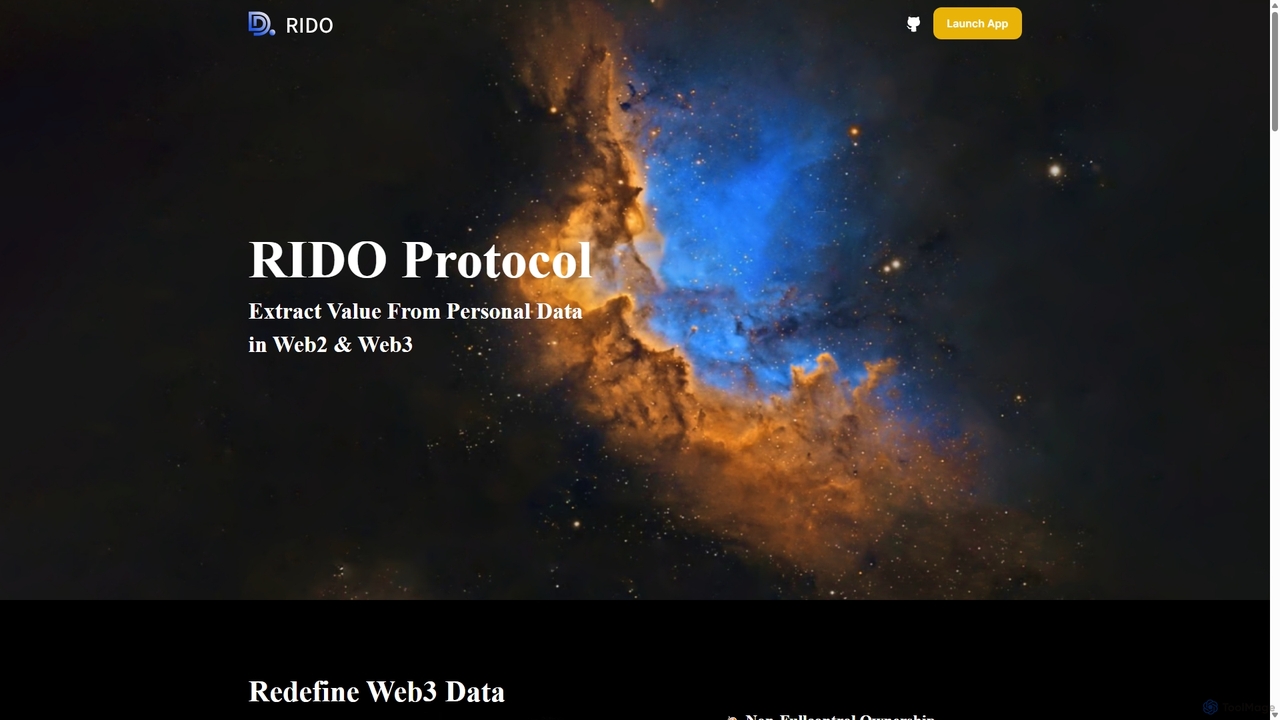
Rido Protocol is a decentralized Web3 framework that empowers users to own, control, and monetize their personal data. It enables programmable data generation and access control, bridging Web2 data into the Web3 ecosystem. By providing a data marketplace and supporting AI applications like decentralized recommenders and digital assistants, Rido aims to create a fair and user-centric data economy.

Data Platforms
Visits 9.2KFavorites 166Likes 167

singlview
Paid

singlview

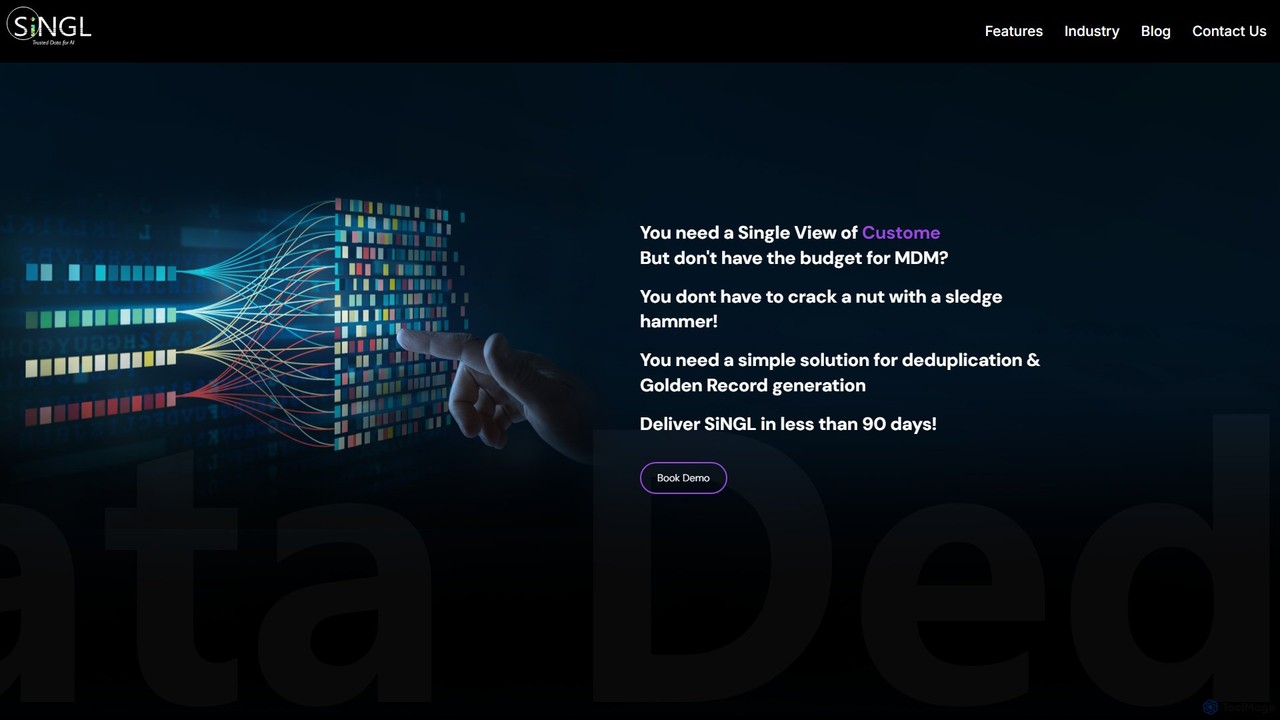
An AI-powered data management platform designed to create a Single Customer View (SCV) without the complexity and cost of traditional MDM systems. It specializes in data deduplication, golden record generation, and providing a 360-degree customer profile to help businesses increase revenue, reduce costs, and mitigate risks.

Customer Relationship Management
Visits 8.1KFavorites 142Likes 138
WebDB
Free

WebDB

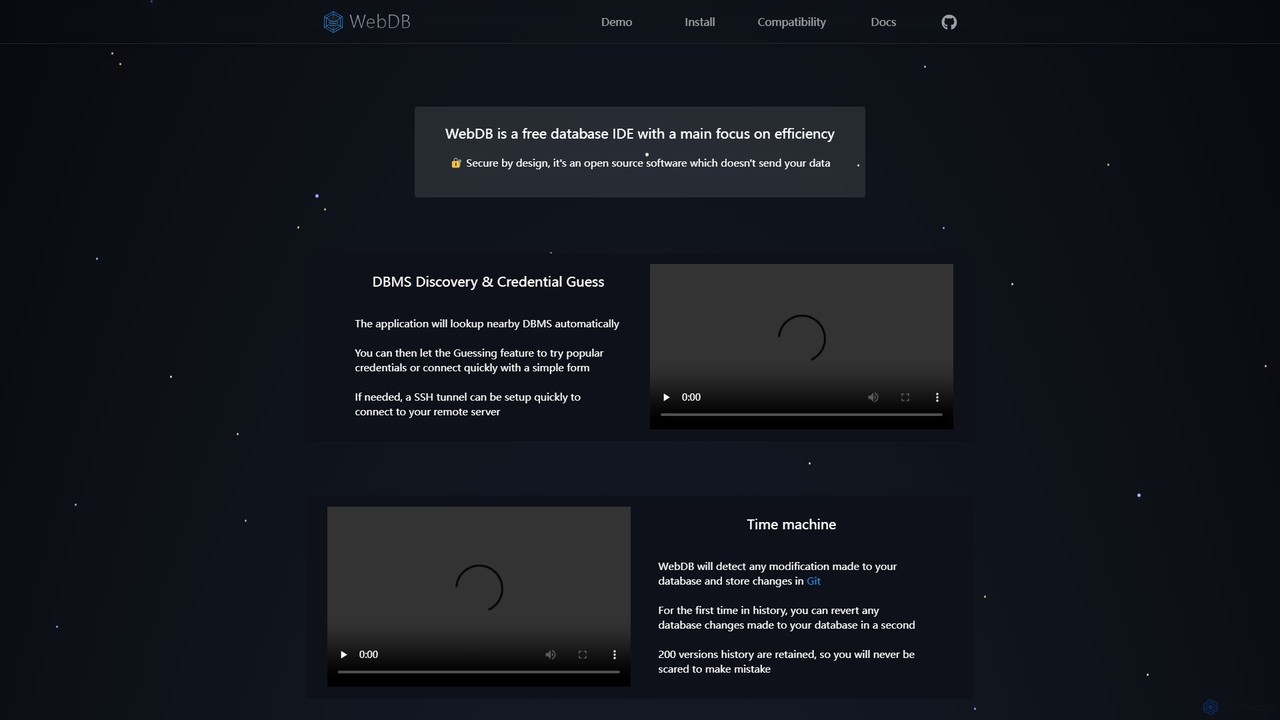
A free, open-source, and efficient database IDE designed for developers. It features an AI assistant (integrating ChatGPT, Gemini, etc.), a unique Git-based "Time Machine" for reverting database changes, powerful query editing, NoSQL structure inference, and robust security. It supports a wide range of databases like MySQL, PostgreSQL, and MongoDB, all within a privacy-focused framework.

Data Management
Visits 7KFavorites 127Likes 125
XenonStack
Paid

XenonStack

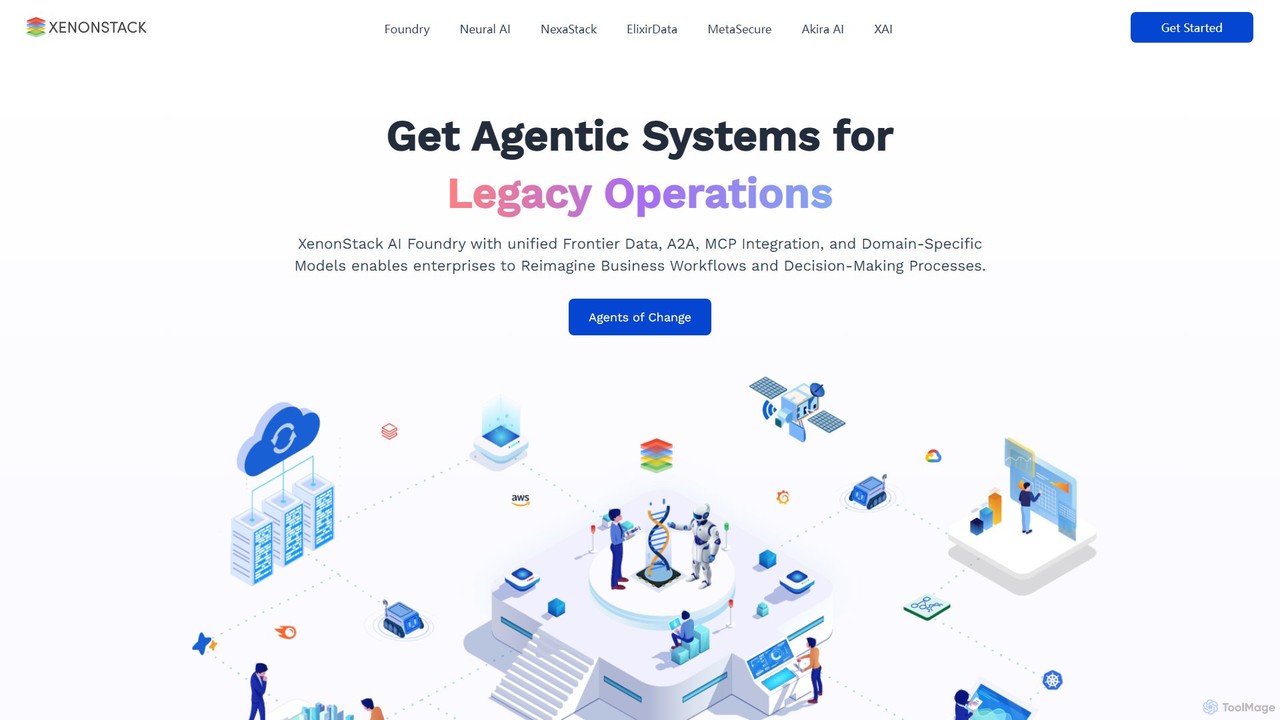
XenonStack is an enterprise-grade AI platform designed to build, deploy, and manage Agentic AI systems. It provides a comprehensive 'Data Foundry' and a suite of tools to automate complex workflows, enhance decision-making, and ensure responsible AI governance. It empowers businesses to transform their operations through autonomous, intelligent agents.

Enterprise Solutions
Visits 65.2KFavorites 138Likes 149
amplifi
Paid

amplifi

amplifi is an AI-powered Product Experience Management (PXM) platform designed for global ecommerce. It centralizes Product Information Management (PIM) and Digital Asset Management (DAM), using AI to optimize content for higher conversion. It enables brands to manage, enhance, and syndicate product information seamlessly across thousands of global marketplaces and retail channels.

Data Management
Visits 310.9KFavorites 158Likes 180
OWOX BI
Freemium

OWOX BI

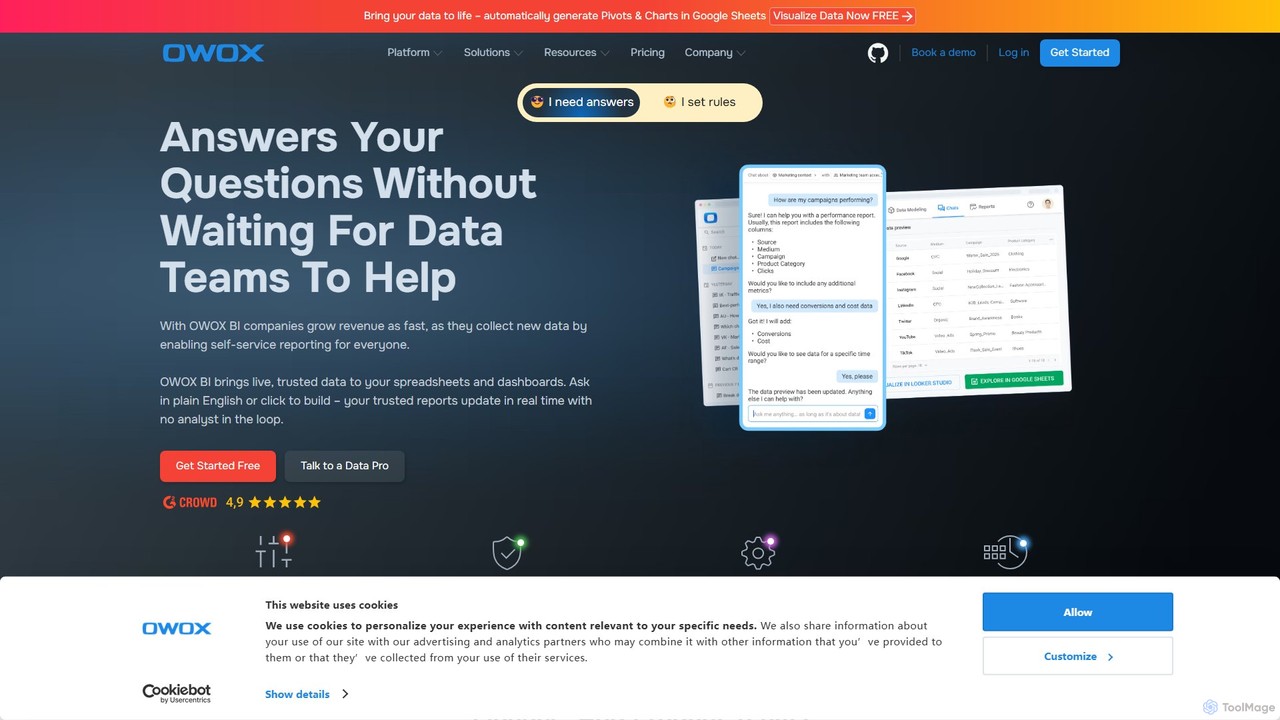
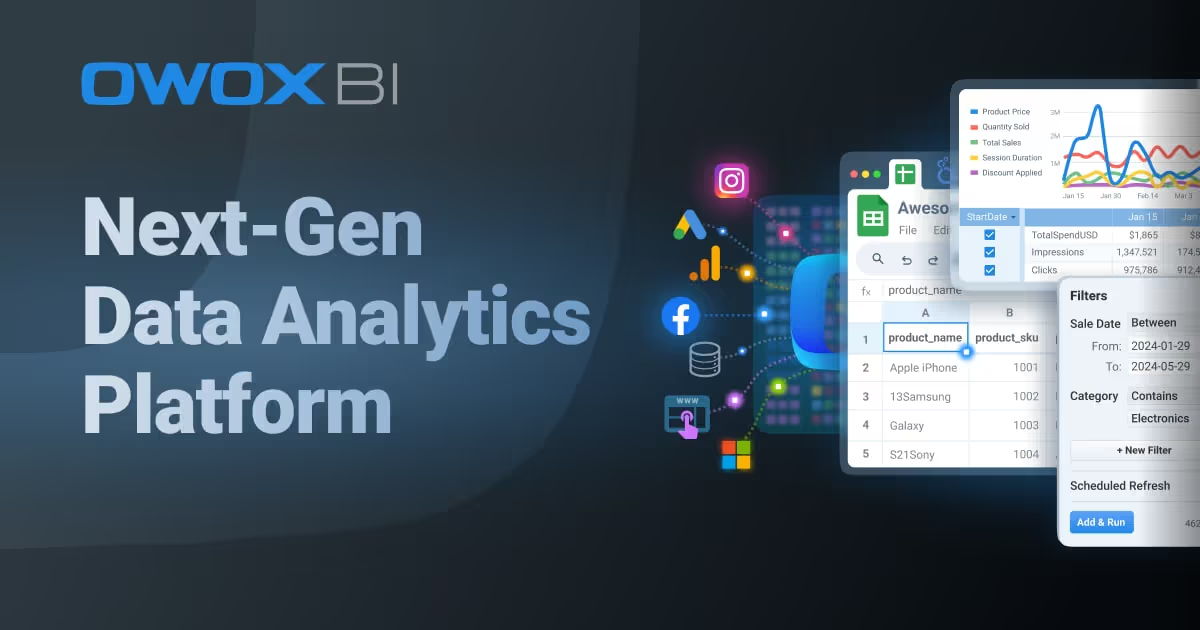
OWOX BI is a comprehensive marketing analytics and business intelligence platform designed to consolidate all marketing data into Google BigQuery. It helps businesses build reports, calculate performance metrics, and create data-driven attribution models to optimize advertising spend and improve ROI.

Business Intelligence
Visits 179.9KFavorites 145Likes 135
Lightly
Freemium

Lightly

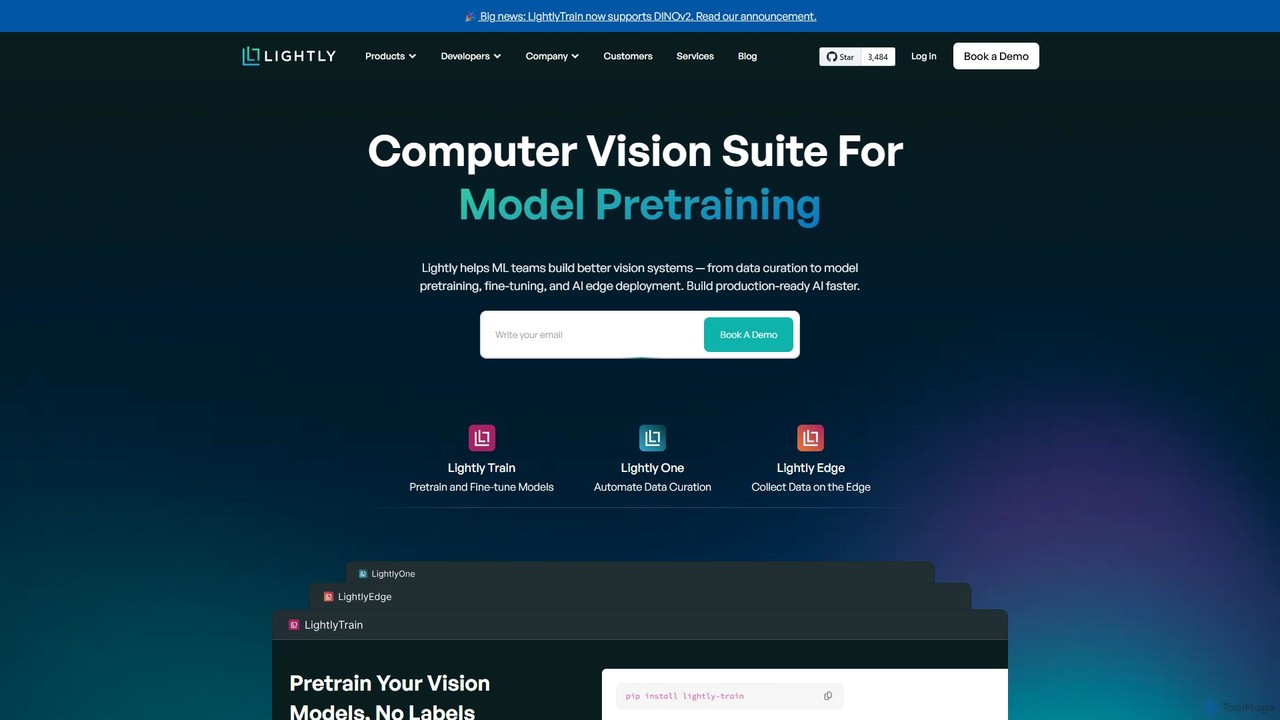
Lightly is a comprehensive computer vision suite for machine learning teams. It streamlines the entire model development lifecycle, from intelligent data curation and selection on edge devices to efficient, label-free model pretraining and fine-tuning. By focusing on the most valuable data, Lightly helps build more accurate and production-ready AI models faster, while significantly reducing data labeling and storage costs.

Data Management
Visits 59.2KFavorites 149Likes 122
LabNote
Freemium

LabNote

LabNote is an AI-powered research platform designed to innovate and streamline the entire research workflow. It combines an electronic lab notebook (ELN), collaborative data management, and specialized tools like an AI research assistant (Labnote Scholar) and automated non-clinical documentation (Labnote Preclindoc), empowering researchers to focus on discovery.

Data Management
Visits 9.9KFavorites 153Likes 140
getnuvo
Freemium

getnuvo

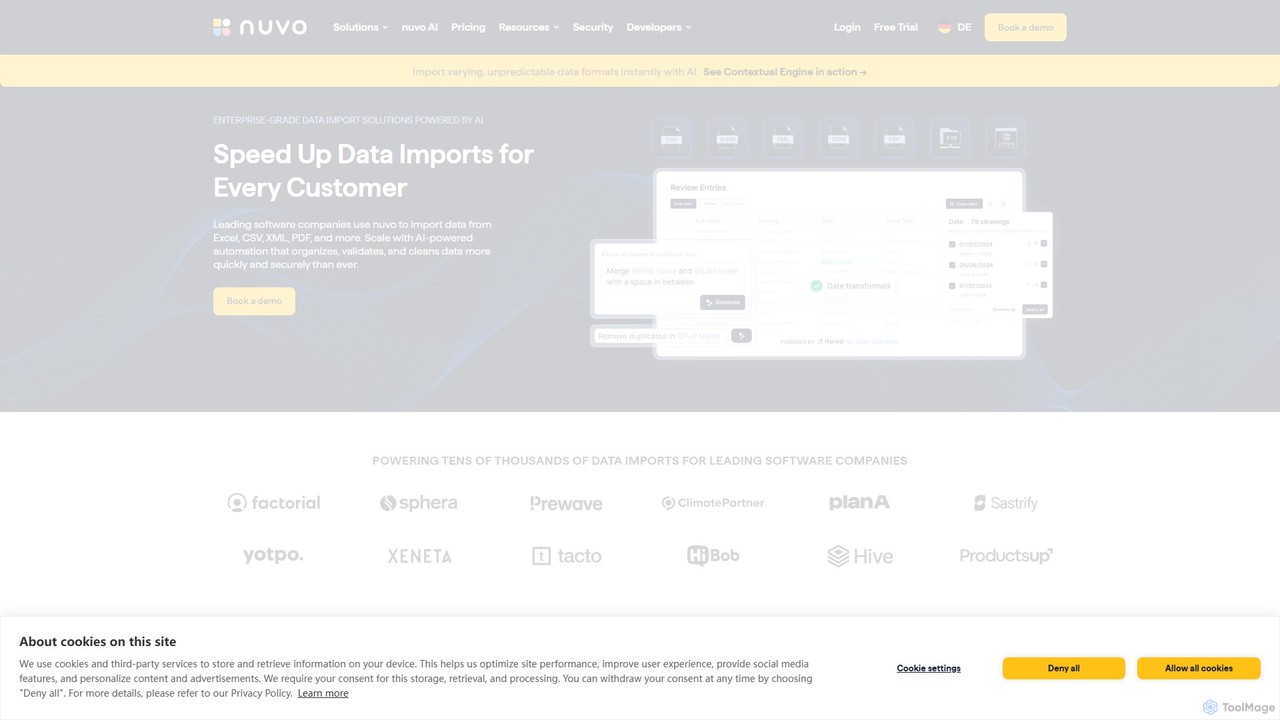
getnuvo is an AI-powered data import solution for SaaS businesses. It provides an embeddable SDK and automated pipelines to instantly import, map, clean, and validate customer data from any format (CSV, Excel, JSON, etc.). This streamlines customer onboarding, reduces manual effort, and saves developer resources.

Customer Onboarding
Visits 6.4KFavorites 123Likes 138
Invertbio
Paid

Invertbio

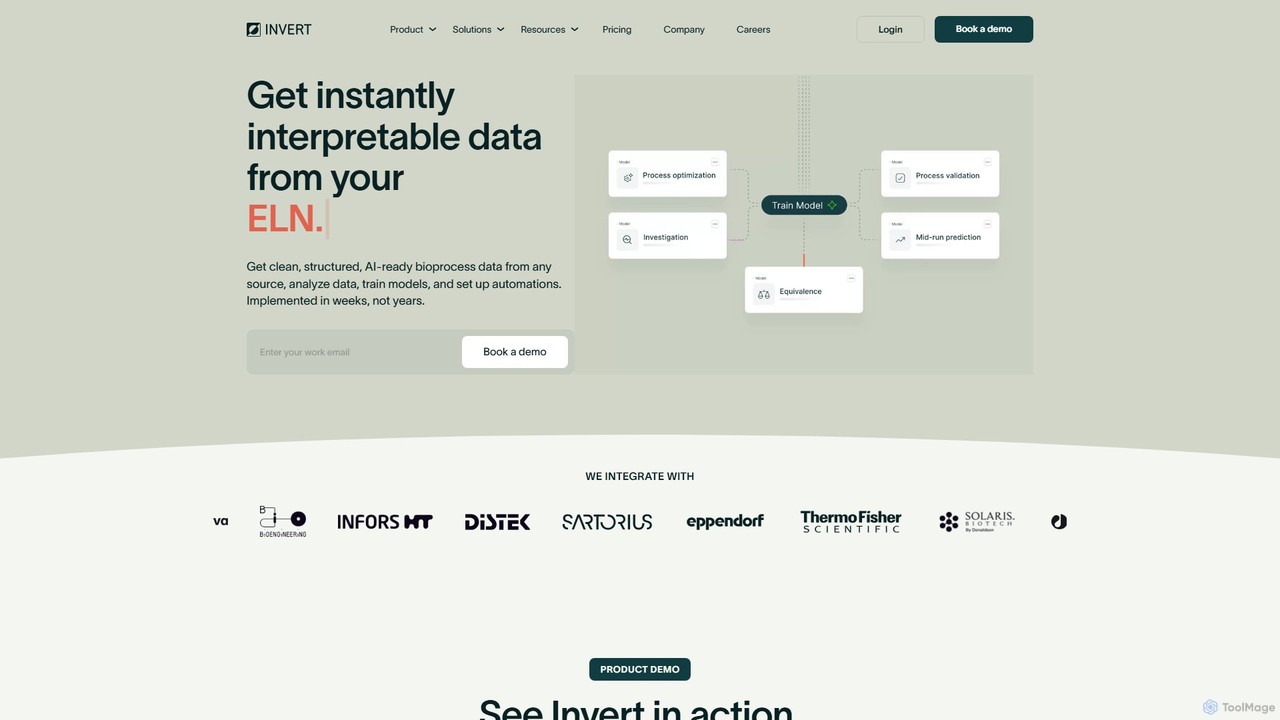
Invertbio is a modern software platform for bioprocess data, designed to provide clean, structured, and AI-ready data from any source. It streamlines data management, analysis, and modeling for biotechnology and pharmaceutical teams, accelerating process development and improving yields.

Data Management
Visits 11.6KFavorites 124Likes 129
Manthan
Paid

Manthan

Manthan is an AI-powered analytics platform for consumer-facing businesses in retail, CPG, and restaurants. It leverages prescriptive analytics and machine learning to transform complex data into actionable insights and autonomous decisions. Featuring a conversational AI assistant, Maya, it democratizes data science, enabling users to optimize merchandising, personalize customer experiences, and streamline supply chain operations for significant business growth.

Analytics
Visits 10.9KFavorites 177Likes 151
Vana
Freemium

Vana

Vana is a decentralized network for user-owned data. It empowers individuals to contribute their personal data to "Data Collectives," tokenize it, and earn rewards. This protocol enables the creation of high-quality, human-sourced datasets for training AI models while ensuring users maintain control and sovereignty over their information.

Data Management
Visits 33.9KFavorites 130Likes 162
Vital
Paid

Vital

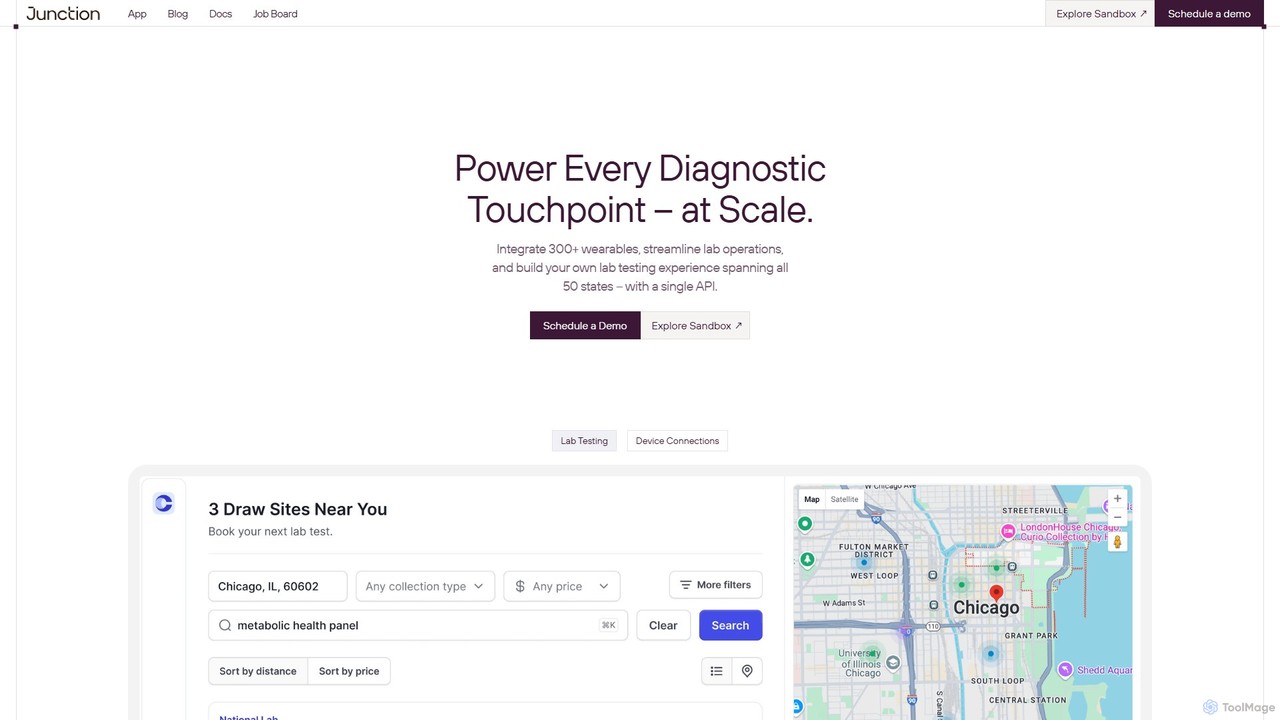
Vital offers a unified API for healthcare companies to integrate at-home lab testing and data from over 300 wearables and medical devices. It streamlines diagnostic workflows, from ordering to results, enabling personalized and scalable patient care for digital health platforms.

Data Management
Visits 46.7KFavorites 152Likes 167
LlamaIndex
Freemium

LlamaIndex

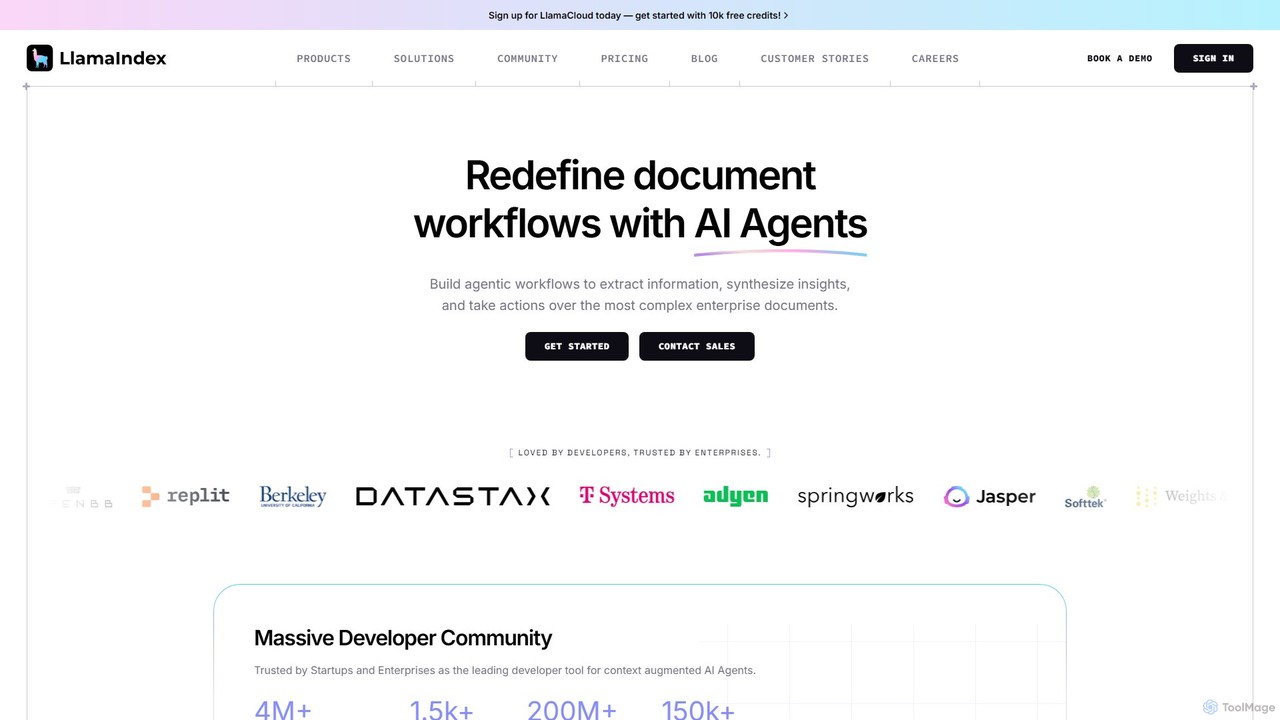
LlamaIndex is a leading data framework for developers building LLM-powered applications. It specializes in connecting large language models to private or domain-specific data sources, enabling the creation of powerful Retrieval-Augmented Generation (RAG) systems, knowledge assistants, and autonomous AI agents. It simplifies data ingestion, indexing, and querying for enterprise-grade solutions.

Data Management
Visits 461.3KFavorites 138Likes 129
Flatfile
Paid

Flatfile

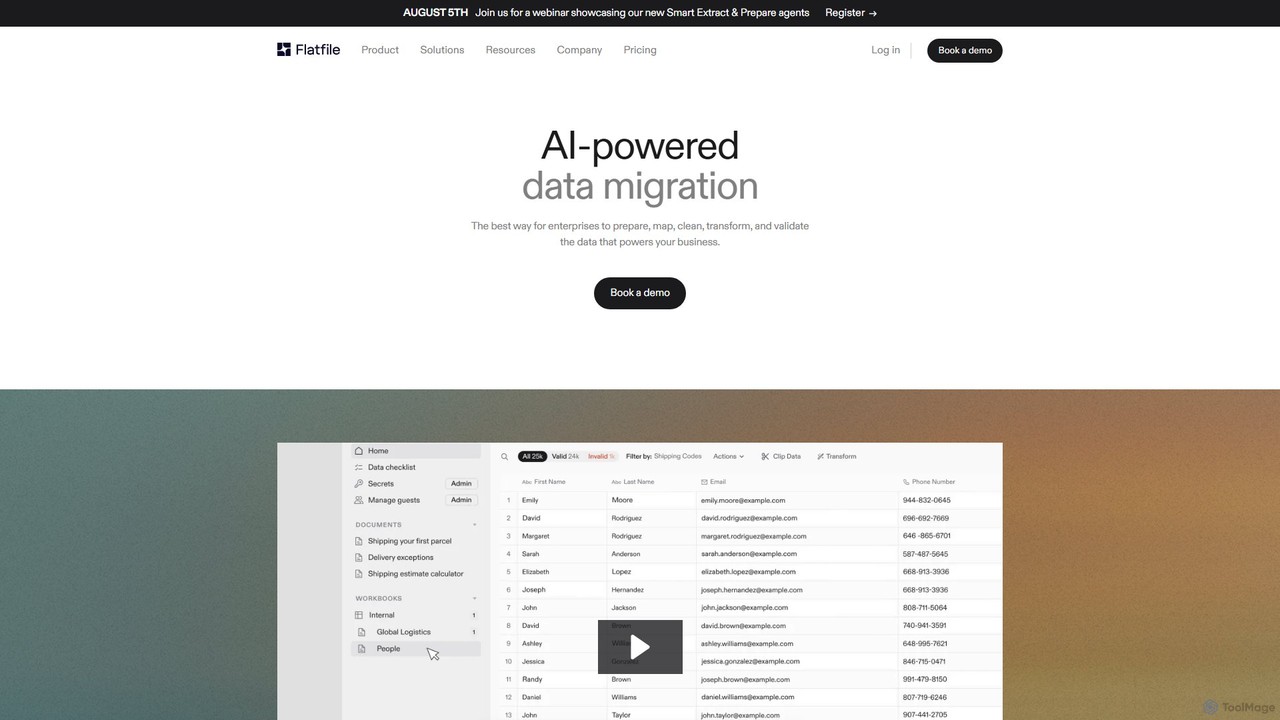
Flatfile is an AI-powered data migration platform designed for enterprises. It automates the entire data onboarding process, including preparation, mapping, cleaning, transformation, and validation. By leveraging AI agents, Flatfile significantly reduces project timelines and empowers non-technical teams to handle complex customer data imports, ensuring data is clean, structured, and production-ready.

Customer Support
Visits 69.2KFavorites 163Likes 136
EntryPoint AI
Freemium

EntryPoint AI

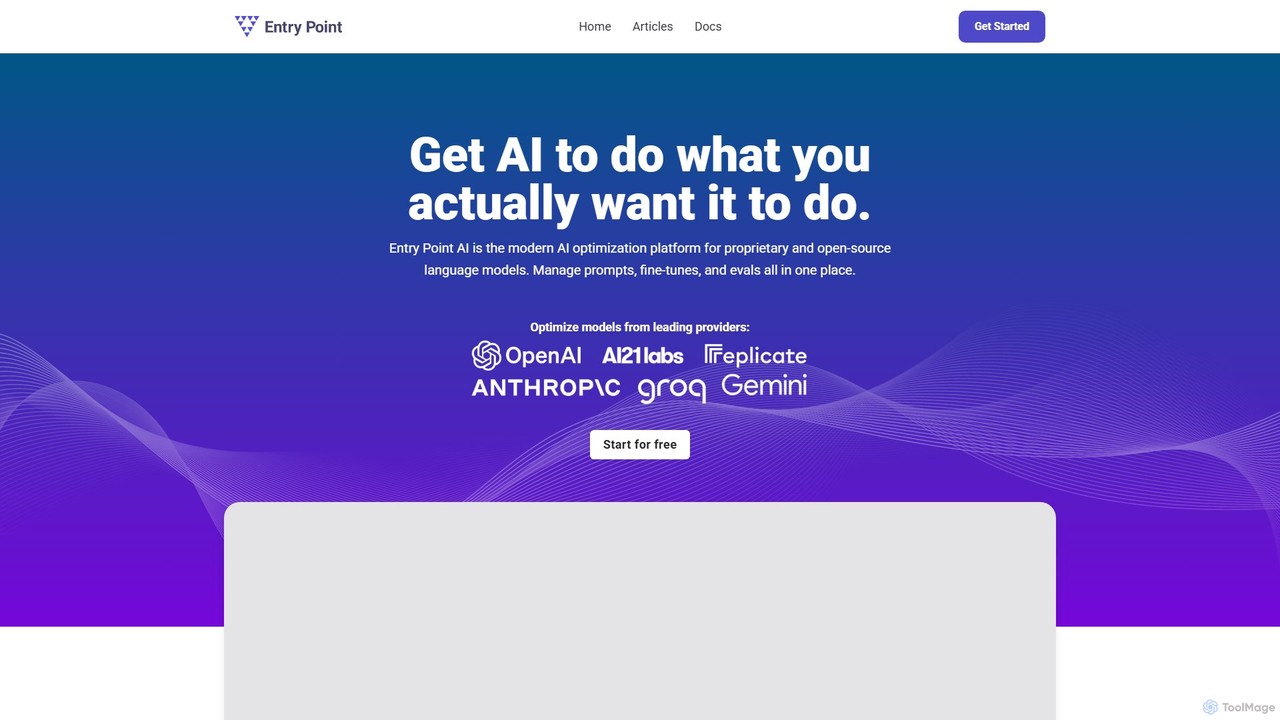
EntryPoint AI is a no-code platform designed to simplify the fine-tuning of large language models (LLMs). It enables users to manage datasets, train, evaluate, and deploy custom AI models from providers like OpenAI without writing any code. The platform helps improve model quality, speed, and predictability for specific business tasks, making advanced AI customization accessible to teams of any size.

Data Management
Visits 11.5KFavorites 132Likes 133
HUMAIN
Paid

HUMAIN

HUMAIN is a global, end-to-end AI value-chain provider based in Saudi Arabia. It delivers a full stack of AI solutions, from sovereign data centers and cloud infrastructure to advanced AI models like the Arabic-first ALLAM LLM and enterprise applications such as HUMAIN OS. It focuses on transforming industries and governments with scalable, integrated, and secure AI.

Data Management
Visits 98.3KFavorites 177Likes 172
ai-rnd.com
Freemium

ai-rnd.com

An integrated platform for AI research and development, providing a unified workspace, pre-trained models, and one-click deployment to accelerate the entire AI lifecycle. Ideal for developers, researchers, and enterprises.

Data Management
Visits 6.4KFavorites 158Likes 167

About Data Management

AI Data Management tools are specialized solutions that use machine learning to automate the organization, governance, and maintenance of data assets. They leverage algorithms for tasks like data classification, quality control, and metadata management, ensuring data is accurate, secure, and accessible. This enables organizations to build a trustworthy data foundation, streamline compliance, and accelerate data-driven decision-making. Unlike data analysis tools that focus on interpreting data, these tools concentrate on preparing and managing the data itself.

Core Features

  • Automated Data Cataloging: Intelligently scans data sources to create a searchable inventory of all data assets.
  • AI-Powered Data Quality: Automatically detects and suggests fixes for anomalies, duplicates, and inconsistencies in datasets.
  • Intelligent Data Governance: Helps enforce data policies, manage access controls, and track data lineage for compliance.
  • Smart Metadata Management: Uses AI to automatically tag, classify, and enrich data with business context.
  • Automated PII Detection: Scans for and flags Personally Identifiable Information (PII) to support privacy regulations.

Applicable Scenarios

These tools are essential for data governance teams, IT departments, and compliance officers in regulated industries like finance, healthcare, and e-commerce. Common applications include managing large-scale data lakes, preparing data for analytics pipelines, and ensuring regulatory compliance with standards such as GDPR and CCPA.

Selection Criteria

When choosing a tool, consider its connectivity to your existing data sources (databases, cloud storage), the sophistication of its AI-driven quality and governance rules, its scalability to handle your data volume, and its integration with other data stack components like BI and analytics platforms.

Featured tool rankings

Data Management use cases

1

Building an Intelligent Enterprise Data Catalog

For a large financial institution, data stewards use an AI Data Management tool to automatically scan terabytes of data across various silos. The tool identifies data types, suggests business terms, and maps relationships between datasets. This creates a centralized, searchable catalog, reducing the time analysts spend finding relevant data by over 60% and ensuring everyone uses a consistent source of truth for reporting and analysis.

2

Automating Data Quality Monitoring and Remediation

An e-commerce company struggles with inconsistent product information from multiple suppliers. They deploy an AI tool that continuously monitors incoming data streams. The AI flags anomalies like incorrect pricing formats or missing product attributes and automatically routes them to the responsible team for correction. This proactive approach improves data accuracy, prevents downstream issues in their online store, and enhances the customer experience.

3

Streamlining GDPR and CCPA Compliance

A healthcare provider needs to ensure patient data handling complies with privacy regulations. An AI Data Management tool scans their databases to automatically discover and classify Personally Identifiable Information (PII). It tracks data lineage to show how PII is used and helps generate compliance reports on demand. This automation significantly reduces the manual effort and risk associated with audits, ensuring robust data protection.

4

Accelerating Data Preparation for Machine Learning

A data science team spends most of its time cleaning and preparing data for model training. By using an AI Data Management platform, they automate the process of identifying outliers, imputing missing values, and standardizing formats. The tool provides a clean, reliable dataset, allowing the team to focus on model development and algorithm tuning, reducing the data preparation phase from weeks to days.

5

Implementing AI-Powered Master Data Management (MDM)

A global manufacturing company has customer data scattered across CRM, ERP, and marketing systems, leading to duplicates. They use an AI-powered MDM tool to intelligently identify and merge duplicate records, creating a single 'golden record' for each customer. This provides a unified 360-degree view, improving the accuracy of sales forecasting, enhancing customer service, and increasing marketing campaign effectiveness.

6

Optimizing Cloud Data Warehouse Costs

A tech startup's cloud data warehouse costs are escalating due to redundant and unused data. An AI Data Management tool analyzes usage patterns to identify 'cold' or duplicate data that can be archived or deleted. It also suggests optimizations for data structures and queries, leading to a significant reduction in storage and compute costs without impacting analytical performance, ensuring a better return on their cloud investment.

Data Management FAQ

What are AI Data Management tools?

AI Data Management tools are software solutions that use artificial intelligence to automate the organization, cleaning, governance, and security of a company's data. They go beyond traditional methods by intelligently discovering data assets, detecting quality issues, and classifying sensitive information automatically. Their primary goal is to ensure data is reliable, compliant, and ready for analysis, forming a trustworthy foundation for all data-driven activities.

How do I choose the right AI Data Management tool?

Choosing the right tool depends on your specific needs. Consider these key factors:

  • Connectivity: Ensure it supports your data sources (e.g., Snowflake, Redshift, SQL databases, APIs).
  • Core Capabilities: Evaluate the strength of its AI in data quality, cataloging, and governance. Does it meet your specific use case?
  • Scalability: Can it handle your current and future data volume and velocity?
  • Usability: Is it user-friendly for both technical staff and non-technical users like data stewards?
  • Integration: How well does it fit into your existing data stack (BI tools, MLOps platforms)?
What's the difference between AI Data Management and AI Data Analysis tools?

The key difference is their purpose. AI Data Management tools focus on the foundation: preparing and governing the data itself. They ensure data is clean, organized, secure, and trustworthy. In contrast, AI Data Analysis tools focus on extracting insights from that prepared data. Management is about getting the data ready; analysis is about using the ready data to find patterns, make predictions, and support decisions. You typically use a management tool first, then an analysis tool.

Who typically uses AI Data Management tools?

These tools are used by a range of professionals involved in the data lifecycle. Key users include Data Engineers who build and maintain data pipelines, Data Stewards and Governance Officers responsible for data quality and compliance, and Chief Data Officers (CDOs) overseeing the enterprise data strategy. IT teams managing data infrastructure and Data Analysts who need access to high-quality, well-documented data also benefit greatly from these platforms.

What are the main benefits of using AI for data management?

Using AI for data management offers several key benefits. It dramatically increases efficiency by automating manual tasks like data classification and quality checks. It improves data accuracy and reliability, leading to more trustworthy analytics and business decisions. AI also enhances security and compliance by automatically identifying sensitive data and monitoring its usage. Finally, it promotes data democratization by making it easier for users across the organization to find and understand available data through intelligent catalogs.