

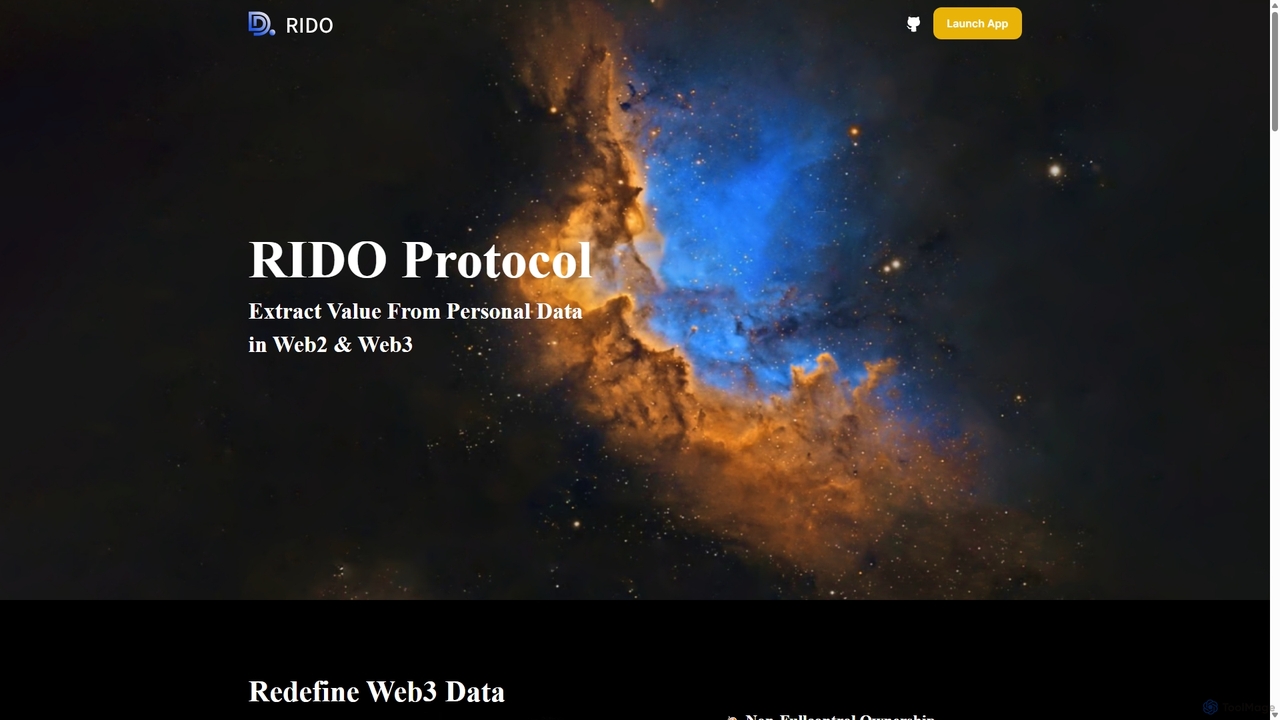
Rido Protocol Overview
Rido Protocol is a foundational Web3 infrastructure designed to revolutionize how personal data is managed, shared, and valued in both Web2 and Web3 environments. It addresses the critical issue of data sovereignty by putting users back in control of their own information. Through a decentralized framework, Rido enables individuals to extract real value from their digital footprint securely and transparently. The protocol is built to foster a new generation of applications where data is not a commodity exploited by corporations, but an asset controlled by its creator.
The core philosophy of Rido is to redefine data ownership. Unlike traditional systems where users have limited control, Rido implements programmable data generation and access controls. This means users can define precisely what data is created, how it is structured, and who can access it under what conditions. This granular control is enforced through smart contracts and can be linked to Web3 primitives like NFTs or tokens, creating a truly dynamic and secure data economy.
How to use Rido Protocol
Using Rido Protocol involves different steps for end-users and developers, as it is a foundational layer for applications.
For End-Users:
- Connect Your Data: Users will interact with dApps built on Rido. They can connect various Web2 data sources (e.g., social media accounts, browsing history) through secure mechanisms like the BNB Attestation Service.
- Manage Permissions: Through a user-friendly dashboard, you can define access rules for your data. You might grant access to a specific application in exchange for tokens, or allow researchers to use your anonymized data for a fee.
- Participate in the Marketplace: List your data or data bundles on the Rido Data Marketplace. Set your own price and conditions, and earn directly when someone purchases or accesses your data.
- Utilize AI Services: Engage with AI-powered services like personalized digital assistants or recommendation engines that use your data on your terms, without permanently surrendering it.
For Developers:
- Integrate the Protocol: Developers can integrate Rido's SDKs and APIs into their applications to manage user data in a decentralized way.
- Define Data Structures: Define new, programmable data variables and their generation functions, allowing for complex and interoperable data types across the ecosystem.
- Build Data-Driven dApps: Create innovative applications, such as decentralized social media, AI-driven recommendation systems, or 'Virtual Life' experiences, that leverage the rich, user-permissioned data available through Rido.
- Access the Data Marketplace: Source high-quality, ethically-obtained data for training AI models or for market analytics by purchasing access directly from users.
Core Features of Rido Protocol
- Programmable Data Generation: Users and developers can declare the structure and generation function of data variables, enabling cross-application usability.
- Programmable Access Control: Data owners can set sophisticated access rules using NFTs, tokens, or custom smart contract logic, ensuring only authorized parties can read the data.
- Web2 Data Migration: Securely brings traditional Web2 data into the Web3 world using services like the BNB Attestation Service, clarifying ownership and control.
- Cross-Application Data Sharing: Fosters a highly composable and rich application ecosystem by allowing data to be stored under user control and shared seamlessly between different applications.
- Data Marketplace & DataFi: A two-way marketplace where users can list their data for sale or make offers. It also includes a DataFi protocol to promote the flow and financialization of data value.
- AI Support Layer: Specifically designed to power decentralized AI, including recommendation systems, personalized digital assistants, and immersive 'Virtual Life' or metaverse environments.
Use Cases for Rido Protocol
Decentralized Recommendation Systems: An e-commerce dApp could use Rido to access a user's permissioned shopping history from multiple platforms to provide hyper-personalized recommendations, with the user earning a share of the revenue generated.
Personalized Digital Assistants: An AI assistant that learns from a user's calendar, emails, and browsing data to provide proactive suggestions, all while the data remains in the user's custody.
Virtual Life & Digital Identity: Users can create a persistent digital avatar or 'second life' whose attributes and experiences are stored as programmable data on Rido. This digital identity can then interact with various metaverses and dApps, carrying its history and reputation across platforms.
Ethical AI Model Training: AI companies can purchase access to large, diverse, and consented datasets directly from users via the marketplace to train their models, ensuring ethical data sourcing and compensating users fairly.
Advantages of Rido Protocol
User Sovereignty: The primary advantage is placing data ownership and control firmly in the hands of the user, shifting the power dynamic away from centralized platforms.
Fair Monetization: Creates a direct channel for users to monetize their data, ensuring they are compensated for the value they create.
Enhanced Privacy and Security: By decentralizing data storage and giving users granular control, Rido minimizes the risk of large-scale data breaches and unauthorized use.
Increased Innovation: Low-friction data sharing and composability encourage developers to build more powerful and integrated applications, fostering a richer ecosystem.
Ethical Data Sourcing: Provides a transparent and ethical way for businesses and researchers to access data, building trust with users.
Pricing and Plans
As a decentralized protocol, Rido Protocol itself is likely open-source and free for developers to build on. However, the economic model of the ecosystem will involve costs. Transactions on the data marketplace, such as listing or purchasing data, and executing complex access control rules via smart contracts will likely incur network transaction fees (gas fees). Applications built on the protocol may also implement their own subscription or fee-based models. There are no specific subscription plans published for the protocol itself.
Traffic
Latest traffic
Status
Monthly traffic trend
- 2025-9: 3.4K
- 2026-1: 5.7K
- 2026-2: 4.0K
- 2026-3: 3.1K
- 2026-4: 2.2K
- 2026-5: 2.6K
Geography
Top 5 countries / regions
- 🇺🇸United States47.8%
- 🇧🇷Brazil36.9%
- 🇮🇳India7.8%
- 🇳🇿New Zealand7.5%
Rido Protocol Alternatives
Vana
Vana is a decentralized, open network for user-owned data. It empowers individuals to take control of their digital footprint, contribute it to community-governed Data Collectives, and earn rewards. Vana aims to create a transparent and equitable data economy to power the next generation of AI with ethically sourced, high-quality data.
Data Management
Story
Story is a blockchain-based infrastructure designed to tokenize and manage intellectual property (IP). It empowers creators, developers, and enterprises to register, license, and monetize their IP on-chain, providing programmable licensing, automated royalty distribution, and a new framework for AI data access.
Data Management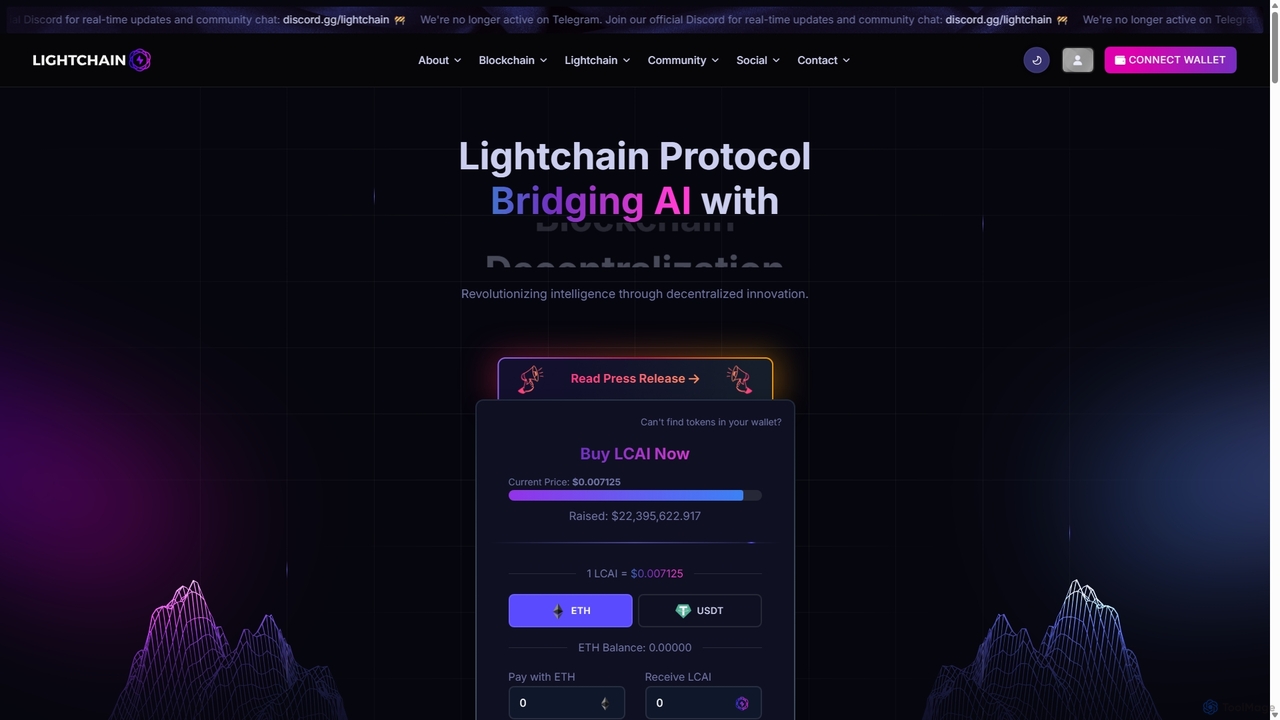
Lightchain
Lightchain is a revolutionary Layer 1 blockchain protocol that integrates Artificial Intelligence at its core. It features a novel Proof of Intelligence (PoI) consensus mechanism and an AI Virtual Machine (AIVM), designed to power intelligent decentralized applications (dApps) and transform computational work into valuable AI development.
Layer 1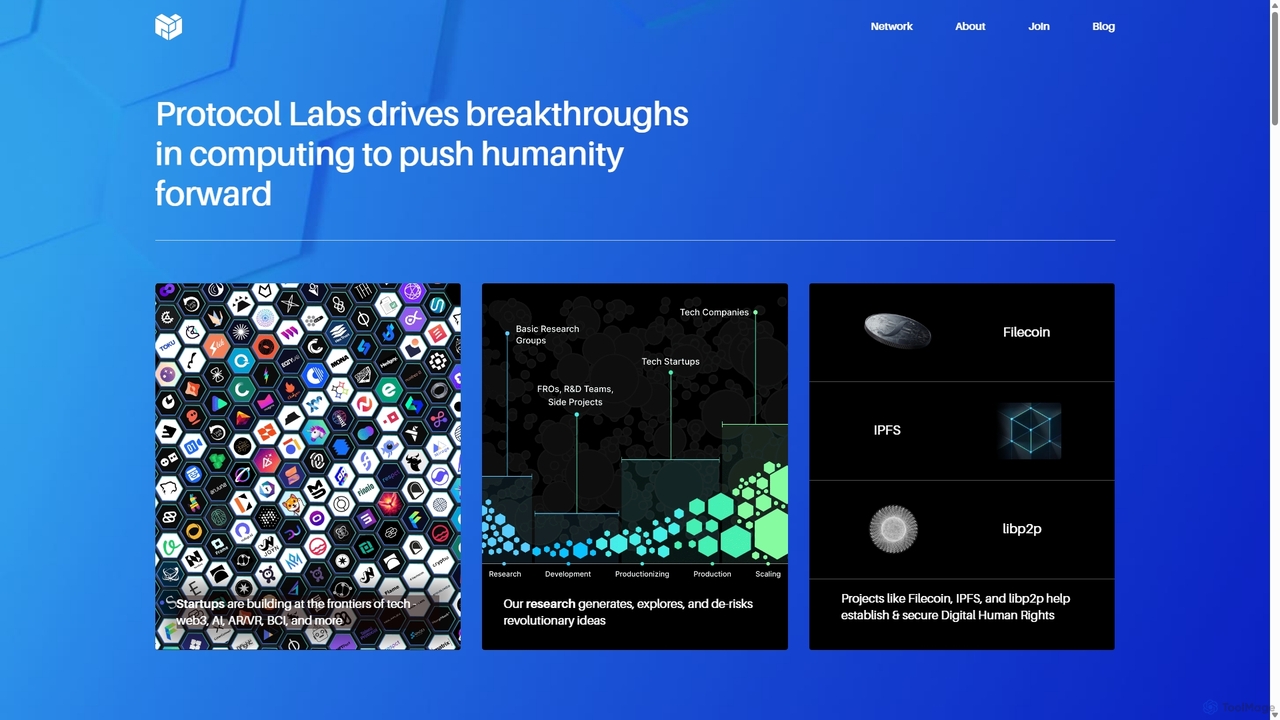
Protocol Labs
Protocol Labs is a research, development, and deployment lab for network protocols. It drives breakthroughs in computing, focusing on Web3, AI, and decentralized infrastructure. It's the creator of foundational technologies like IPFS and Filecoin, fostering a global innovation network of over 600 startups and organizations to build a more resilient and open internet.
Blockchain
World
World is a decentralized identity and financial network designed for the AI era. It provides a universal 'proof of personhood' through World ID, allowing users to verify their humanity online while preserving privacy. The ecosystem includes the World App for managing identity and finances, and the Worldcoin (WLD) token, aiming to create a globally inclusive and user-owned digital economy.
CryptocurrencyRido Protocol Categories
Rido Protocol Jobs
Rido Protocol Embed Widget
Copy this embed code to place the badge on your blog, article, or product site and send readers directly to this ToolMage detail page.

Related AI tools
Story
Story is a blockchain-based infrastructure designed to tokenize and manage intellectual property (IP). It empowers creators, developers, and enterprises to register, license, and monetize their IP on-chain, providing programmable licensing, automated royalty distribution, and a new framework for AI data access.
Data ManagementVana
Vana is a decentralized, open network for user-owned data. It empowers individuals to take control of their digital footprint, contribute it to community-governed Data Collectives, and earn rewards. Vana aims to create a transparent and equitable data economy to power the next generation of AI with ethically sourced, high-quality data.
Data ManagementLightchain
Lightchain is a revolutionary Layer 1 blockchain protocol that integrates Artificial Intelligence at its core. It features a novel Proof of Intelligence (PoI) consensus mechanism and an AI Virtual Machine (AIVM), designed to power intelligent decentralized applications (dApps) and transform computational work into valuable AI development.
Layer 1Protocol Labs
Protocol Labs is a research, development, and deployment lab for network protocols. It drives breakthroughs in computing, focusing on Web3, AI, and decentralized infrastructure. It's the creator of foundational technologies like IPFS and Filecoin, fostering a global innovation network of over 600 startups and organizations to build a more resilient and open internet.
BlockchainWorld
World is a decentralized identity and financial network designed for the AI era. It provides a universal 'proof of personhood' through World ID, allowing users to verify their humanity online while preserving privacy. The ecosystem includes the World App for managing identity and finances, and the Worldcoin (WLD) token, aiming to create a globally inclusive and user-owned digital economy.
Cryptocurrency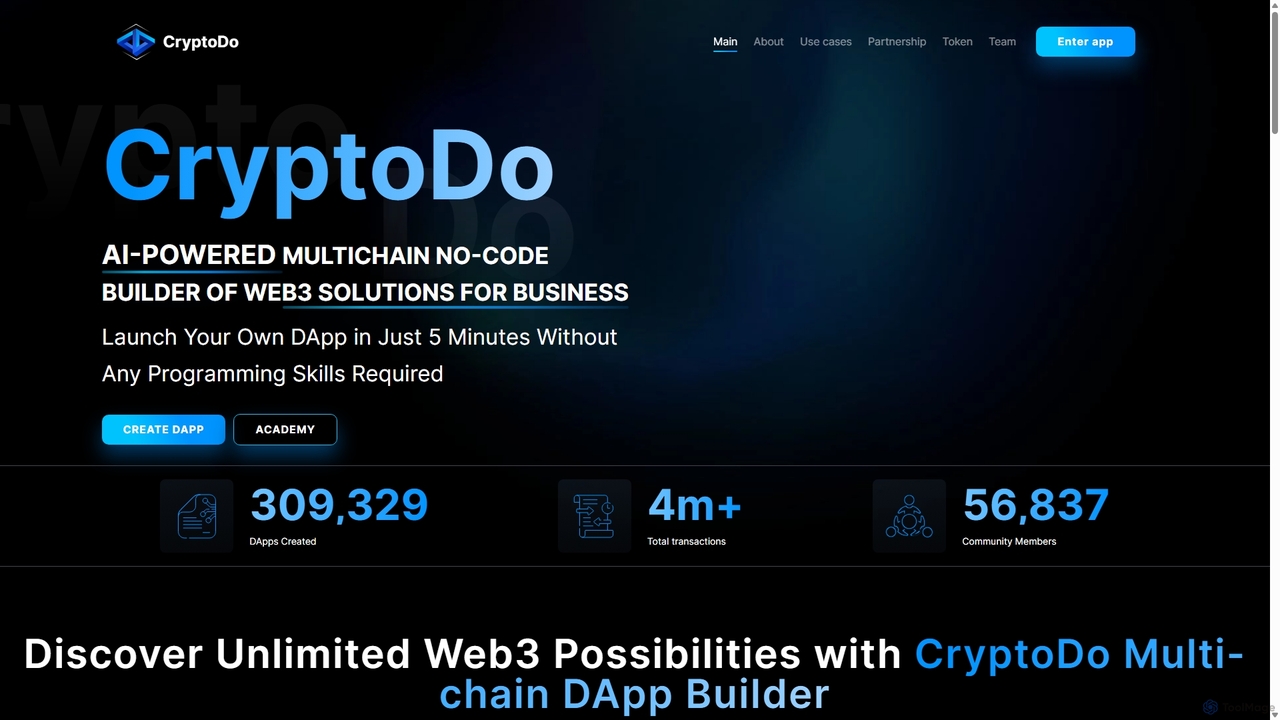
CryptoDo
CryptoDo is an AI-powered, multi-chain, no-code platform for building Web3 solutions. It enables users to create and deploy secure DApps and smart contracts, such as ERC-20 tokens, NFTs, and DAOs, in just minutes without any programming skills. The platform features a visual builder, pre-audited templates, and an AI module for advanced customization, making blockchain development accessible, fast, and cost-effective for businesses and individuals.
Blockchain
Arbius
Arbius is a decentralized peer-to-peer network for machine learning, creating a global marketplace for AI compute. It enables model creators to monetize their work and users to access AI models in a censorship-resistant environment, powered by its native token, AIUS, and a Proof-of-Useful-Work mechanism.
Api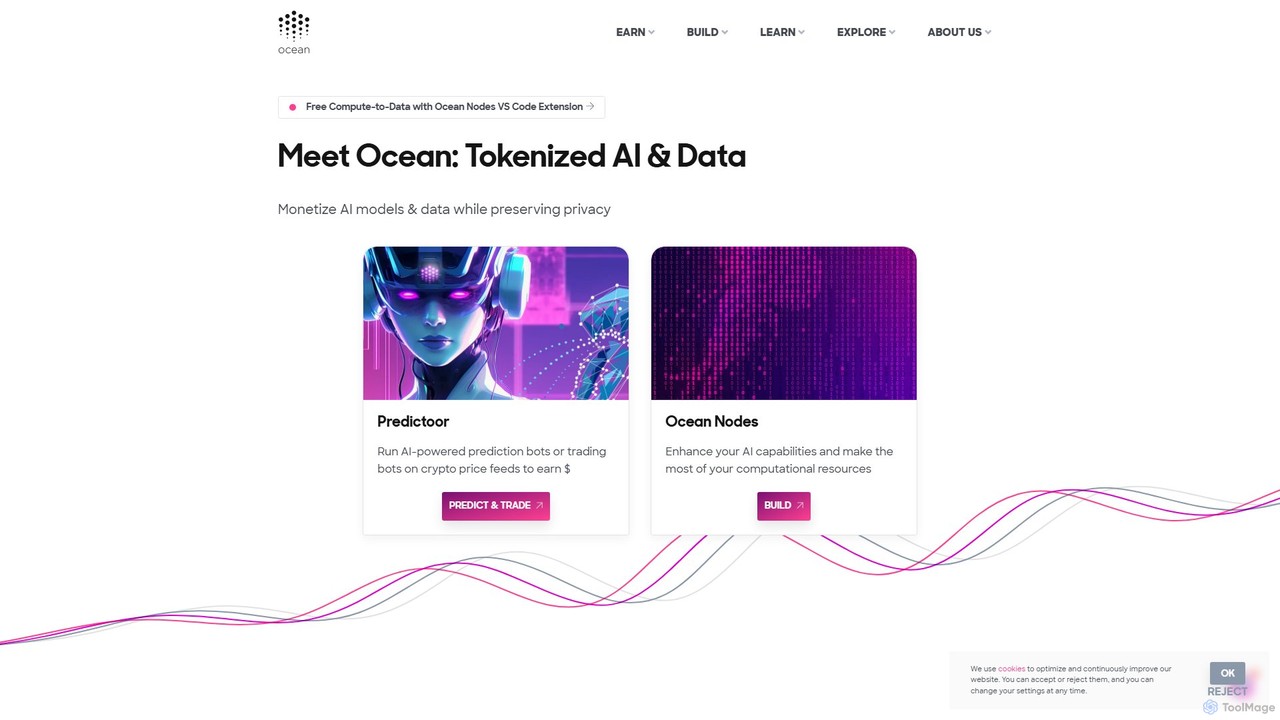
Ocean Protocol
Ocean Protocol is a decentralized data exchange protocol that unlocks data for AI and research. It uses blockchain technology, Data NFTs, and datatokens to enable secure, privacy-preserving data sharing and monetization. Data owners retain control and can sell access to their data without compromising privacy through its innovative Compute-to-Data feature, fostering a new data economy.
Marketplace
Openfabric
Openfabric is a decentralized Layer-1 blockchain protocol designed for building, connecting, and monetizing AI applications. It creates a planetary-scale network that unites AI innovators, data providers, infrastructure providers, and users in a collaborative and fair marketplace, aiming to make AI accessible to everyone.
Decentralized Ai
Namefi
Namefi is a pioneering platform that tokenizes traditional Web2 domain names into NFTs on the blockchain. It enables faster, safer, and more liquid trading of domains, integrates them into DeFi protocols, and uses AI to analyze and reveal their true potential value. Your domain becomes a verifiable, tradable digital asset.
Data Analysis
Jyek
Jyek is an AI agent platform that understands objectives, creates execution plans, uses tools, and delivers verifiable results for complex, multi-step tasks.
Automation
boxtradex
boxtradex provides access to BOXVERSE, a community-focused, AEI-driven agentic platform that merges Web3 and AI. It offers users access to AI agents through an integrated solution designed for the decentralized digital landscape.
Blockchain
Ascn
Ascn is an all-in-one AI ecosystem designed for crypto enthusiasts and businesses, offering powerful tools for market analysis, workflow automation, and AI agent creation without requiring programming skills. It provides a personal AI assistant for crypto, no-code builders, and robust APIs to streamline operations and enhance decision-making in the blockchain space.
Market Intelligence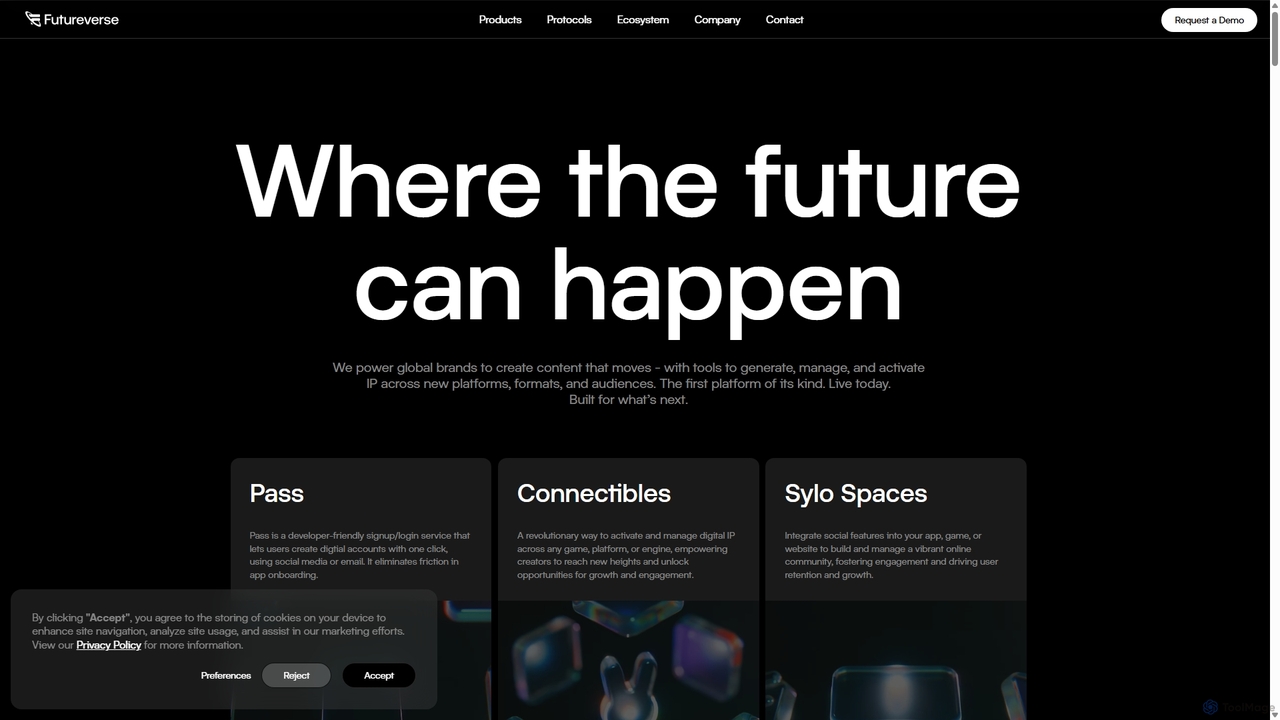
Futureverse
Futureverse is an all-in-one technology platform that combines AI and blockchain to build the open metaverse. It provides developers, brands, and creators with a comprehensive suite of tools for creating immersive games, intelligent applications, and interoperable digital experiences, fostering true digital ownership and engagement.
Blockchain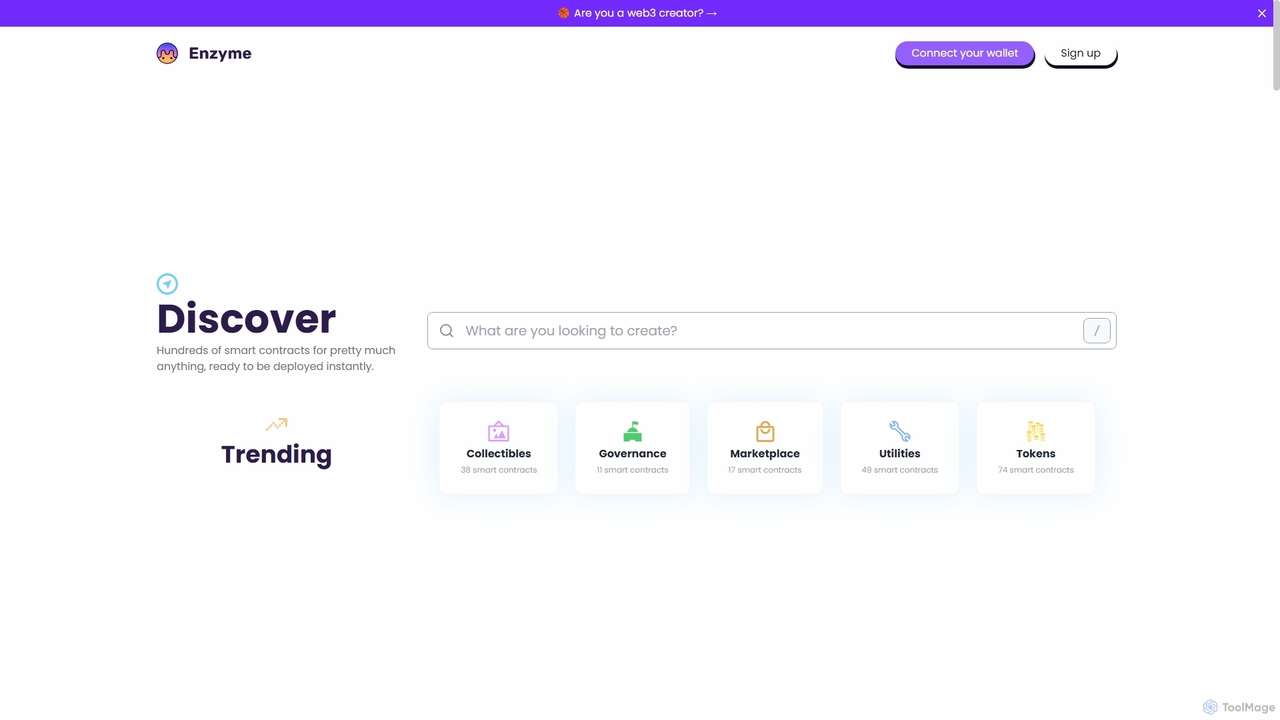
Enzyme
Enzyme is a no-code platform that empowers creators, developers, and brands to design, launch, and manage Web3 projects. It provides a vast library of pre-built, secure smart contracts for NFTs, DAOs, DeFi, and more, enabling instant deployment on multiple blockchains without writing a single line of code.
Blockchain
Rido Protocol Comments (0)
Sign in to comment.
Sign inNo comments yet.