Ai Best in category 6 results Data Analysis AI Tool

Popular AI tools in the Data Analysis field of Ai include Filevine、Scratchpad、aabo、OffDeal、Namefi、ThinkTask, etc., helping you quickly improve efficiency.

Namefi

Namefi

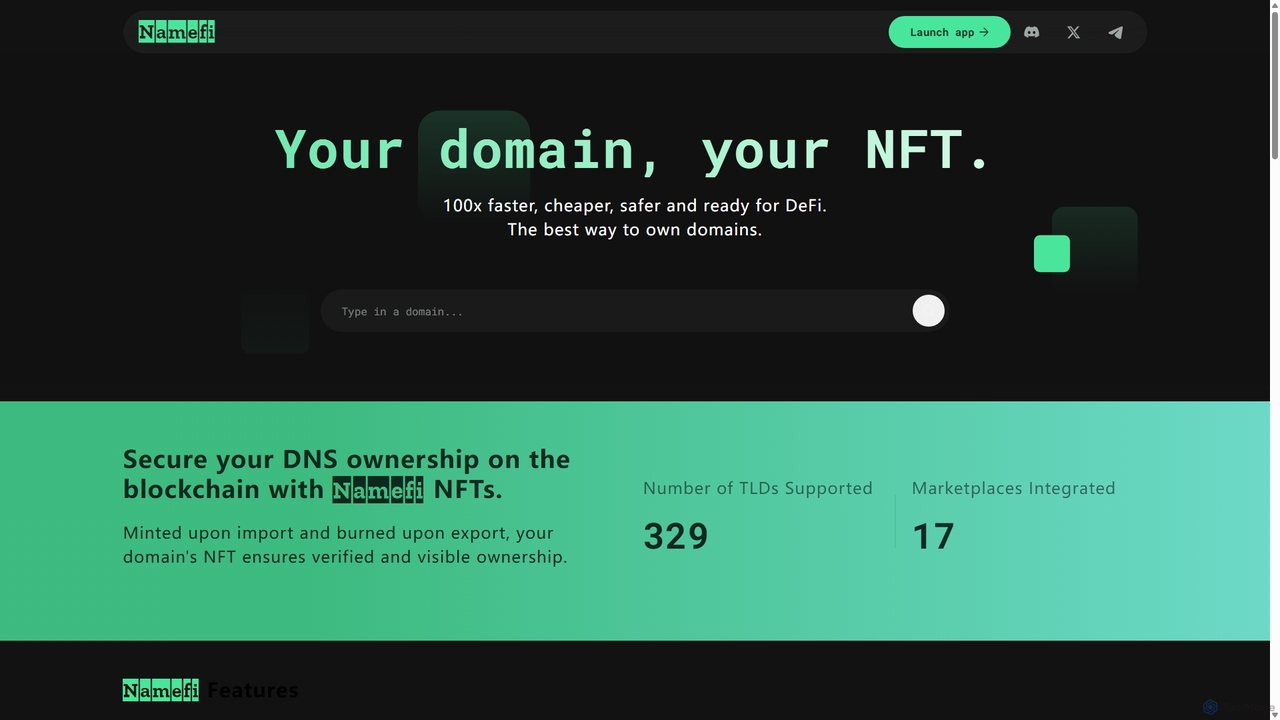
Namefi is a pioneering platform that tokenizes traditional Web2 domain names into NFTs on the blockchain. It enables …

7.8K
aabo

aabo

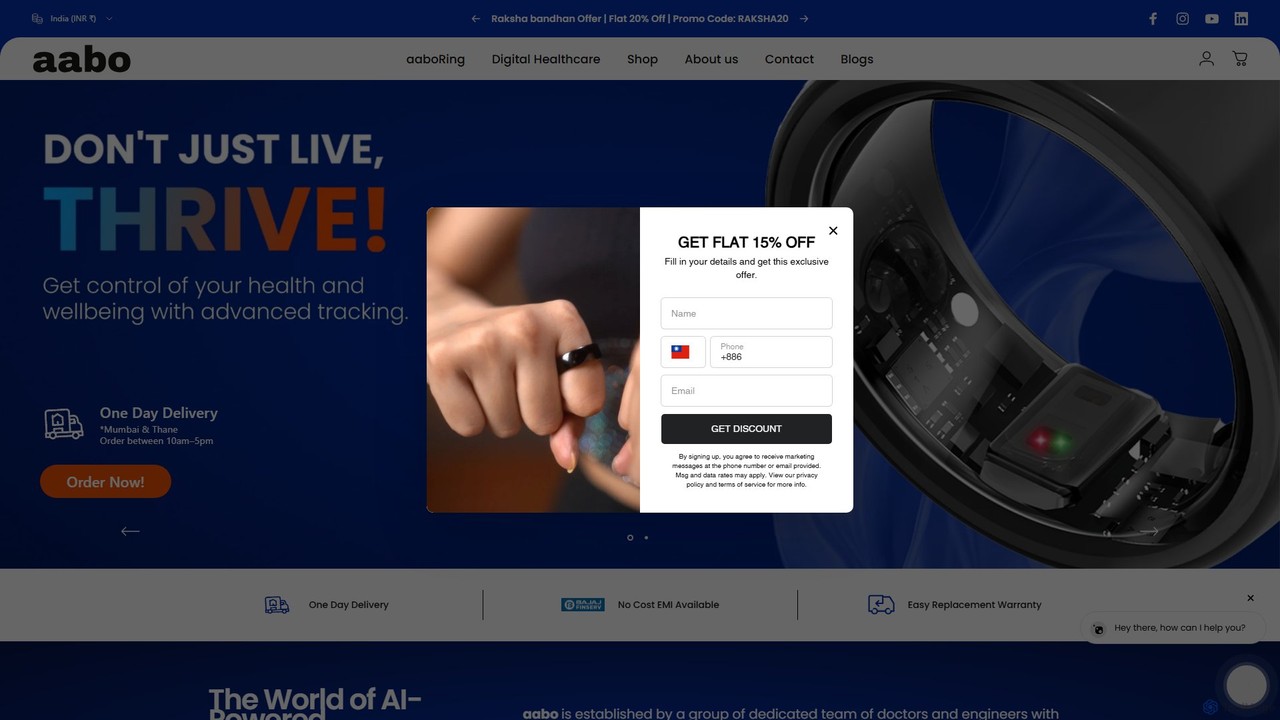
aabo is an AI-powered health-tech company offering the aaboRing, a smart ring for real-time health monitoring. It tracks …

24.1K
Scratchpad

Scratchpad

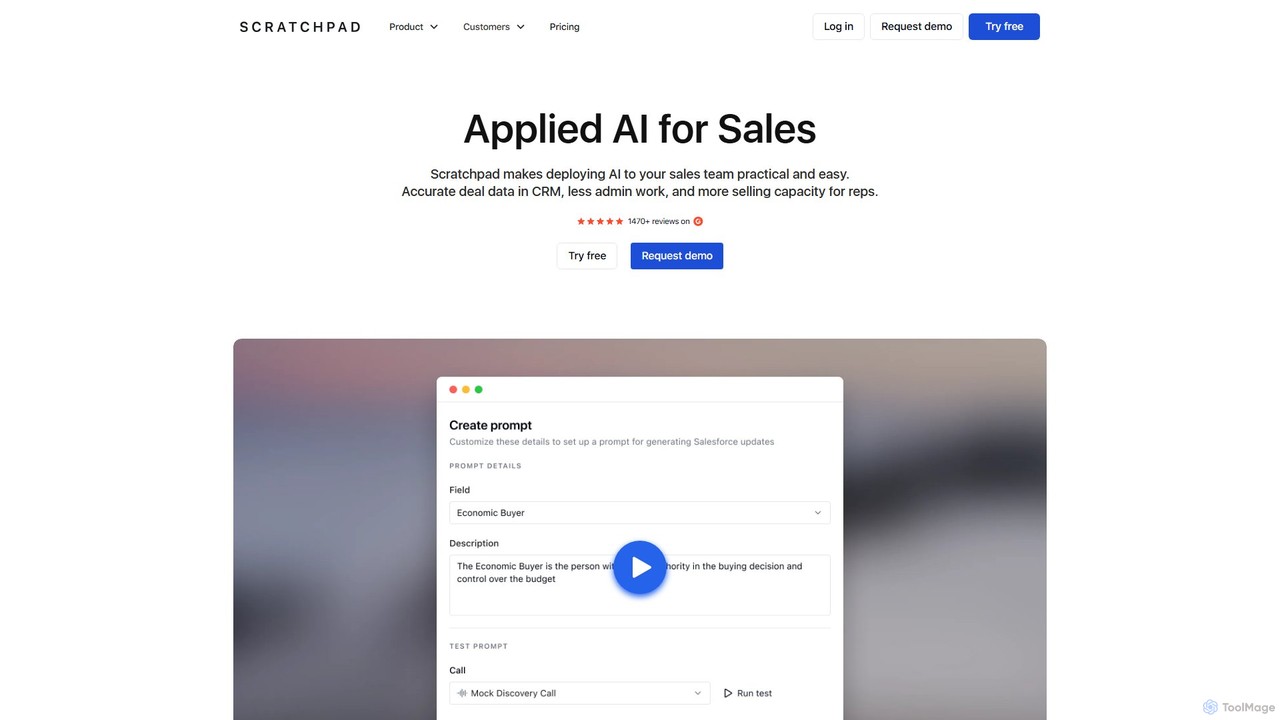
Scratchpad is an AI-driven sales execution platform designed to streamline workflows for sales teams. It provides a unified …

48.2K
OffDeal

OffDeal

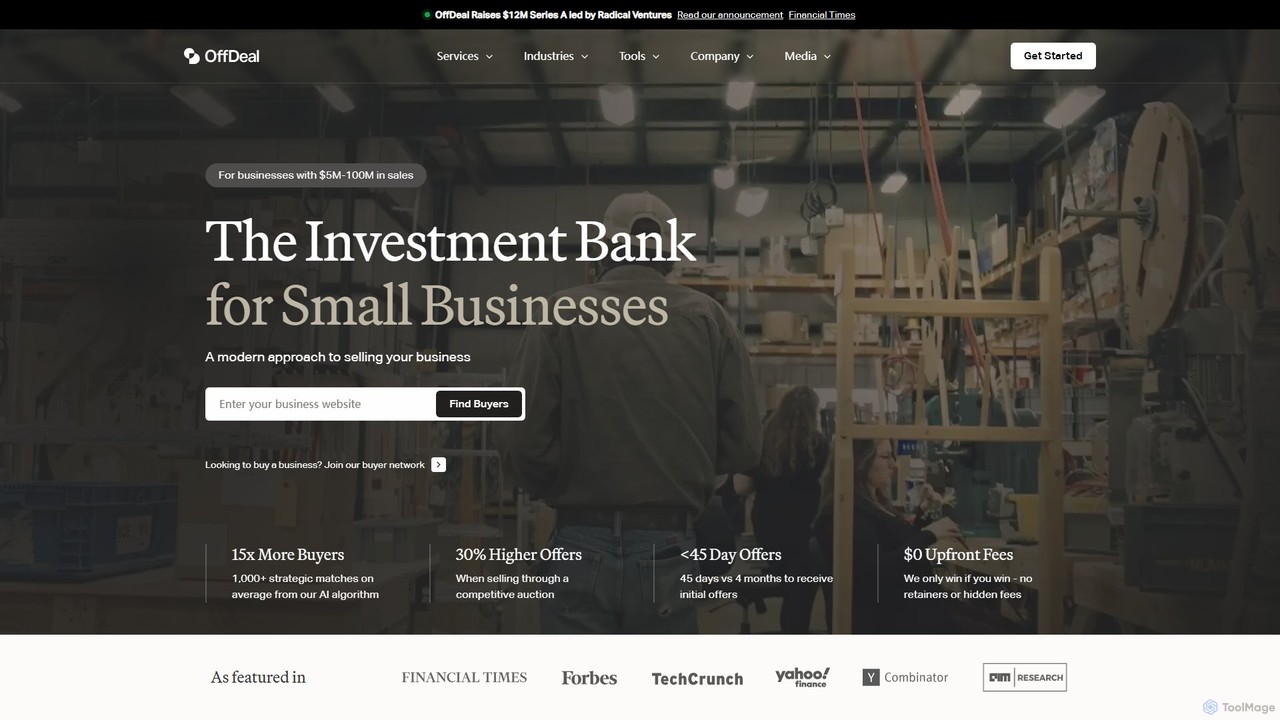
OffDeal is an AI-powered investment bank designed for small to medium-sized businesses ($5M-$100M in sales). It combines expert …

21.4K
ThinkTask

ThinkTask

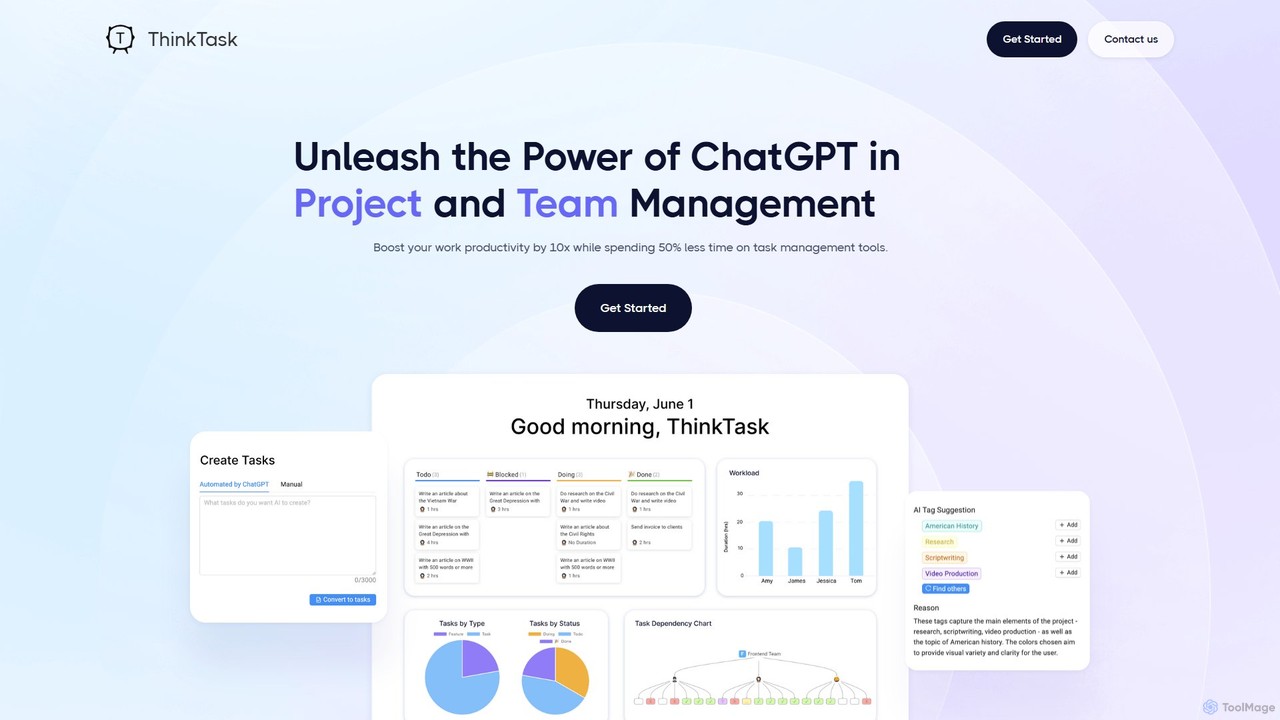
ThinkTask is an AI-powered project management platform that integrates ChatGPT to streamline workflows. It automates task creation from …

3.2K
Filevine

Filevine

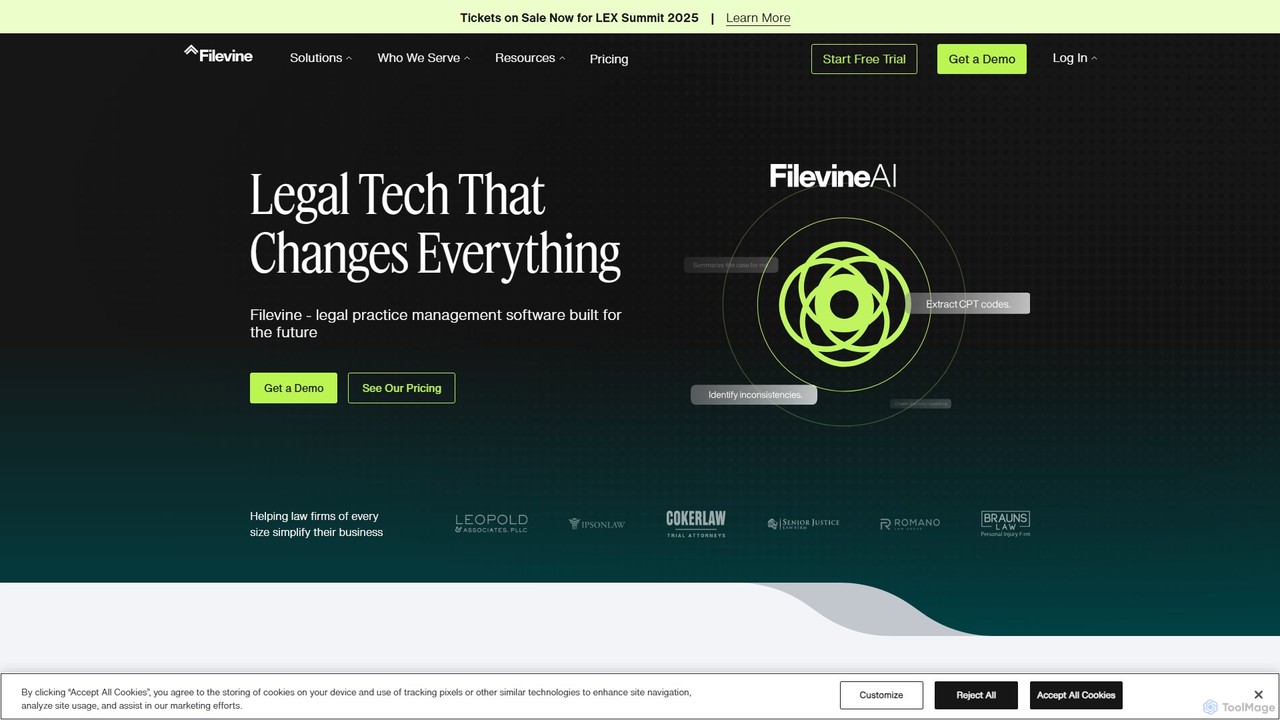
Filevine is an AI-powered legal practice management platform designed to streamline operations for law firms. It automates workflows, …

661.0K

About Data Analysis

AI Data Analysis tools are a class of software that uses machine learning to automatically process, analyze, and interpret complex datasets. These tools go beyond traditional spreadsheets or business intelligence platforms by identifying hidden patterns, forecasting future trends, and generating actionable insights without requiring deep statistical expertise. They empower businesses to make smarter, data-driven decisions by transforming raw data into clear narratives and predictions. The core advantage lies in their ability to accelerate the analysis cycle and uncover opportunities that manual analysis might miss.

Core Features

  • Automated Insight Generation: Automatically discovers and highlights significant trends, anomalies, and correlations in your data.
  • Predictive Modeling: Builds and deploys machine learning models to forecast future outcomes like sales, customer churn, or demand.
  • Natural Language Querying: Allows users to ask questions about their data in plain English and receive answers as charts and reports.
  • Data Cleaning and Preparation: Automates the time-consuming process of cleaning, structuring, and preparing raw data for analysis.
  • Interactive Visualization: Creates dynamic dashboards and reports that make complex data easy to understand and explore.

Use Cases

AI Data Analysis tools are widely used across various industries for business intelligence, market research, and operational planning. Marketing teams use them to predict customer behavior and optimize campaigns, while finance departments leverage them for fraud detection and financial forecasting. They are also essential in e-commerce for inventory management and in operations for identifying process inefficiencies.

How to Choose

When selecting an AI Data Analysis tool, consider its integration capabilities with your existing data sources (e.g., CRM, databases). Evaluate the user interface and whether it matches your team's technical skill level (no-code, low-code, or code-based). Assess the specific analytical functions offered, such as forecasting, classification, or anomaly detection. Finally, consider the tool's scalability to handle growing data volumes and its pricing model.

Data AnalysisUse Cases

1

Optimizing Marketing Campaign Performance

A marketing manager for an e-commerce brand needs to improve the return on investment (ROI) for their digital advertising campaigns. They connect their customer relationship management (CRM) and ad platform data to an AI Data Analysis tool. The tool automatically segments customers based on purchasing behavior and engagement, identifying high-value audiences. It then predicts which ad creatives and messaging will resonate most with each segment, providing clear recommendations. By reallocating their budget based on these AI-driven insights, the manager increases conversion rates by 25% while reducing ad spend.

2

Forecasting Sales and Managing Inventory

A retail operations manager is struggling with stockouts of popular items and overstocking of slow-moving products. They use an AI Data Analysis tool to analyze historical sales data, seasonality, and external factors like holidays and promotional events. The tool generates a highly accurate demand forecast for the next quarter for each product category. Based on this forecast, the manager adjusts purchase orders and optimizes inventory levels across different store locations. This leads to a 30% reduction in overstock costs and a significant decrease in lost sales due to stockouts.

3

Predicting Customer Churn for Subscription Services

A product manager at a SaaS (Software as a Service) company wants to proactively reduce customer churn. They feed customer usage data, support ticket history, and subscription information into an AI analysis platform. The platform builds a predictive model that assigns a 'churn risk score' to each customer. It also identifies key behaviors correlated with churn, such as a drop in feature usage or unanswered support surveys. The customer success team uses this list to prioritize outreach to at-risk customers, offering targeted support and incentives, which successfully reduces the monthly churn rate by 15%.

4

Detecting Financial Fraud and Anomalies

A financial analyst at a large corporation is tasked with monitoring thousands of daily transactions for fraudulent activity. Manually reviewing them is impossible. By using an AI Data Analysis tool, they can automatically scan all transaction data in real-time. The AI is trained to recognize normal spending patterns and instantly flags any transaction that deviates significantly, such as unusually large payments or transactions from suspicious locations. This allows the analyst to focus their investigation on a small number of high-risk alerts, improving fraud detection rates and saving countless hours of manual work.

5

Analyzing Customer Feedback from Surveys

A user experience (UX) researcher collects thousands of open-ended responses from a customer satisfaction survey. Instead of manually reading and categorizing each comment, they upload the data to an AI analysis tool with natural language processing (NLP) capabilities. The tool automatically identifies major themes, such as 'slow performance,' 'confusing interface,' and 'excellent customer support.' It also performs sentiment analysis, quantifying the percentage of positive, negative, and neutral comments for each theme. This provides the researcher with a clear, data-backed summary of customer feedback in minutes, allowing them to prioritize product improvements effectively.

6

Identifying Root Causes of Production Bottlenecks

An operations manager in a manufacturing plant wants to improve production efficiency. They collect data from various sensors on the assembly line, including machine uptime, output rates, and error logs. Using an AI Data Analysis tool, they can correlate these different data streams. The AI identifies a hidden pattern: a specific machine's temperature consistently rises just before a production slowdown occurs on the entire line. This insight reveals that the machine is overheating and causing a bottleneck. By scheduling proactive maintenance for this machine, the manager resolves the issue, increasing overall production output by 10%.

Data AnalysisFrequently Asked Questions