Kuse AI
Kuse AI is an intelligent visual collaboration platform that uses AI to supercharge brainstorming, mind mapping, and project …
Kuse AI is an intelligent visual collaboration platform that uses AI to supercharge brainstorming, mind mapping, and project planning. It provides an infinite canvas where teams can generate, organize, and develop ideas in real-time with the help of an AI assistant.
Creately
Creately is an AI-powered visual collaboration and work management platform. It combines intelligent diagramming, online whiteboarding, and data-driven …
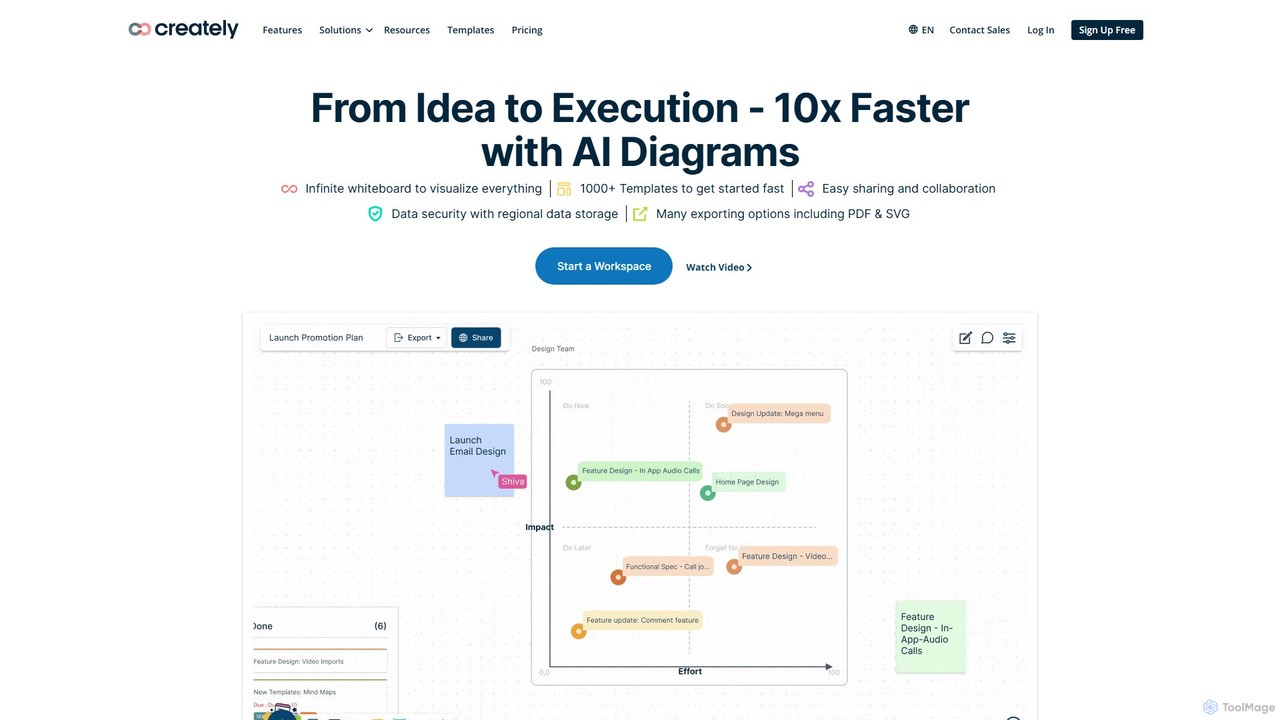
Creately is an AI-powered visual collaboration and work management platform. It combines intelligent diagramming, online whiteboarding, and data-driven project management on a single smart canvas, helping teams brainstorm, plan, and execute projects more effectively.
About Planning
AI Planning tools in Marketing are specialized AI-powered solutions designed to optimize strategic decision-making, resource allocation, and campaign scheduling within marketing operations. Leveraging advanced algorithms and comprehensive data analytics, these tools provide predictive insights into market trends, consumer behavior, and campaign performance. They empower marketers to develop more effective, data-driven strategies by transforming complex datasets into actionable plans, thereby enhancing operational efficiency and maximizing return on investment across various marketing initiatives.
Core Features
- Market Trend Analysis & Forecasting: Utilizes AI to analyze vast datasets, predicting future market shifts, emerging opportunities, and consumer preferences to inform proactive strategic planning.
- Campaign Strategy Optimization: Recommends optimal campaign structures, ideal channels, and compelling messaging based on predictive performance models and audience segmentation.
- Budget Allocation & Resource Management: Intelligently distributes marketing budgets and allocates human resources across different activities and channels to achieve maximum impact and efficiency.
- Content Calendar & Scheduling: Automates the creation, organization, and scheduling of content across platforms, aligning publishing times with predicted audience engagement patterns for optimal reach.
- Performance Prediction & Goal Setting: Estimates the potential outcomes and ROI of proposed marketing activities, aiding in realistic goal setting, risk assessment, and strategic adjustments.
Applicable Scenarios
Marketing departments extensively use these tools for developing comprehensive annual strategies and detailed quarterly campaign plans, ensuring alignment with overarching business goals. Marketing agencies leverage them to craft data-backed proposals, optimize client campaigns for superior results, and demonstrate clear value. Product managers employ AI planning for robust market entry strategies, precise product launch timelines, and competitive positioning. Content strategists utilize them to plan editorial calendars, optimize content distribution schedules, and ensure content relevance and impact across all platforms.
How to Choose
When selecting an AI Planning tool, consider its data integration capabilities with your existing CRM, analytics, and advertising platforms to ensure a unified data view. Evaluate the accuracy and transparency of its predictive models, along with the level of customization it offers to adapt to your specific business objectives and industry nuances. Assess its scalability to support future growth, user-friendliness for your marketing team, and the clarity of its reporting and insights to ensure actionable intelligence for continuous improvement.

PlanningUse Cases
Optimize Campaign Budget Allocation
A marketing manager needs to allocate budget across various digital channels (social media, search ads, email) for an upcoming product launch. An AI planning tool analyzes historical performance data, market trends, and target audience demographics to recommend the optimal budget distribution for each channel, predicting the highest ROI. This helps the manager make data-driven decisions, avoiding overspending on underperforming channels and maximizing the campaign's reach and conversion potential.
Automate Content Calendar Generation
A content strategist struggles to maintain a consistent publishing schedule across multiple blogs and social media platforms. An AI planning tool ingests audience engagement data, trending topics, and competitor content strategies to automatically generate a detailed content calendar. It suggests optimal posting times, content formats, and topic clusters for maximum audience resonance, streamlining the content creation workflow and ensuring a steady flow of relevant material.
Develop Data-Driven Market Entry Strategies
A product manager is considering launching a new product in an unfamiliar international market. An AI planning tool analyzes vast amounts of global market data, including economic indicators, cultural nuances, regulatory landscapes, and competitor presence. It identifies the most promising entry points, potential risks, and optimal positioning strategies, providing a comprehensive, data-backed roadmap for market penetration and reducing the uncertainty associated with new ventures.
Forecast Sales and Plan Lead Nurturing
A sales and marketing team needs to predict future sales volumes to plan lead nurturing campaigns effectively. An AI planning tool integrates CRM data, website analytics, and external economic factors to forecast sales for the next quarter. Based on these predictions, it suggests optimal lead nurturing paths, content recommendations, and follow-up schedules, ensuring that marketing efforts are aligned with sales targets and maximizing conversion rates from leads to customers.
Strategize Personalized Customer Journeys
A customer experience team aims to create highly personalized customer journeys across various touchpoints. An AI planning tool analyzes individual customer data, past interactions, and behavioral patterns to map out dynamic, personalized journeys. It identifies key moments for engagement, recommends specific content or offers, and schedules automated communications, ensuring each customer receives relevant and timely interactions that enhance satisfaction and loyalty throughout their lifecycle.
Optimize Social Media Posting Schedules
A social media manager needs to maximize engagement and reach for their brand's content across various platforms. An AI planning tool analyzes historical post performance, audience activity patterns, and platform-specific algorithms to recommend optimal posting times and content types. It helps schedule posts automatically, suggests trending hashtags, and identifies peak engagement windows, ensuring content is delivered when it's most likely to resonate with the target audience and drive interaction.