POKY
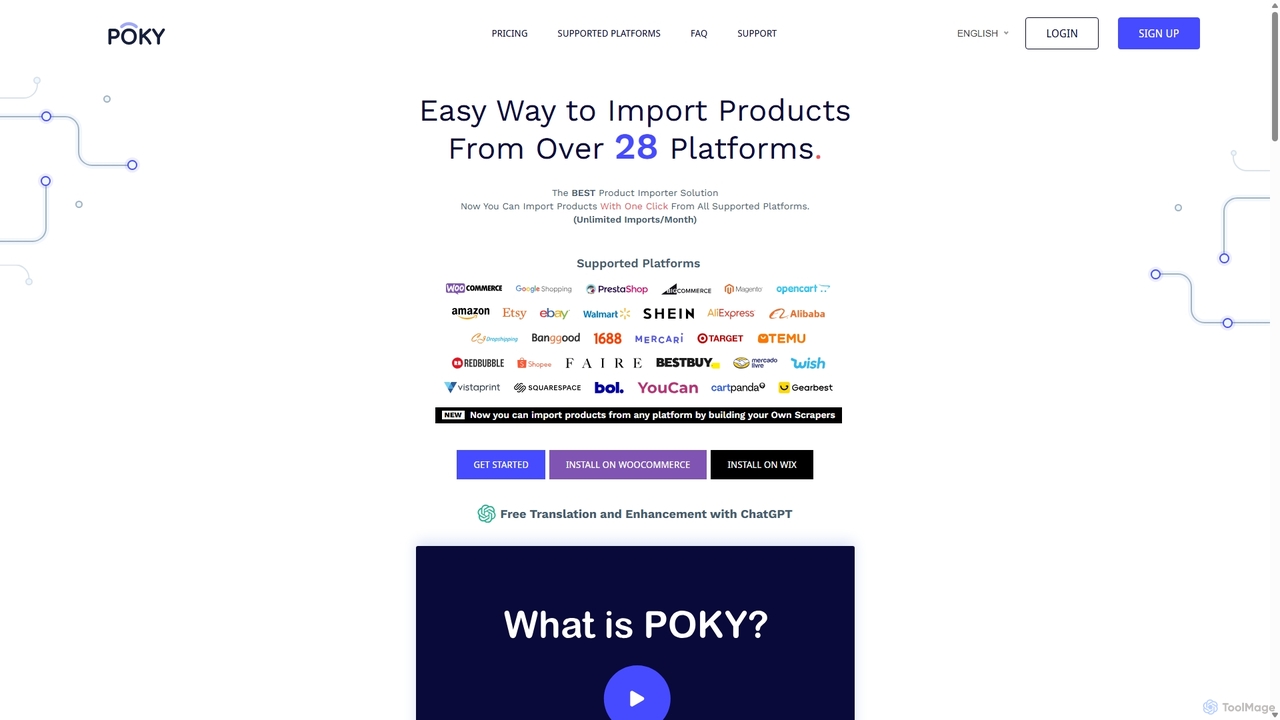
POKY is a powerful product importer for e-commerce, enabling merchants to copy products from over 38 platforms like …
POKY is a powerful product importer for e-commerce, enabling merchants to copy products from over 38 platforms like Shopify, Amazon, and AliExpress with one click. It features unlimited imports, a custom scraper builder, ChatGPT integration for product description enhancement and translation, and a supplier finder tool. Ideal for dropshippers and online store owners.
User Story Generator
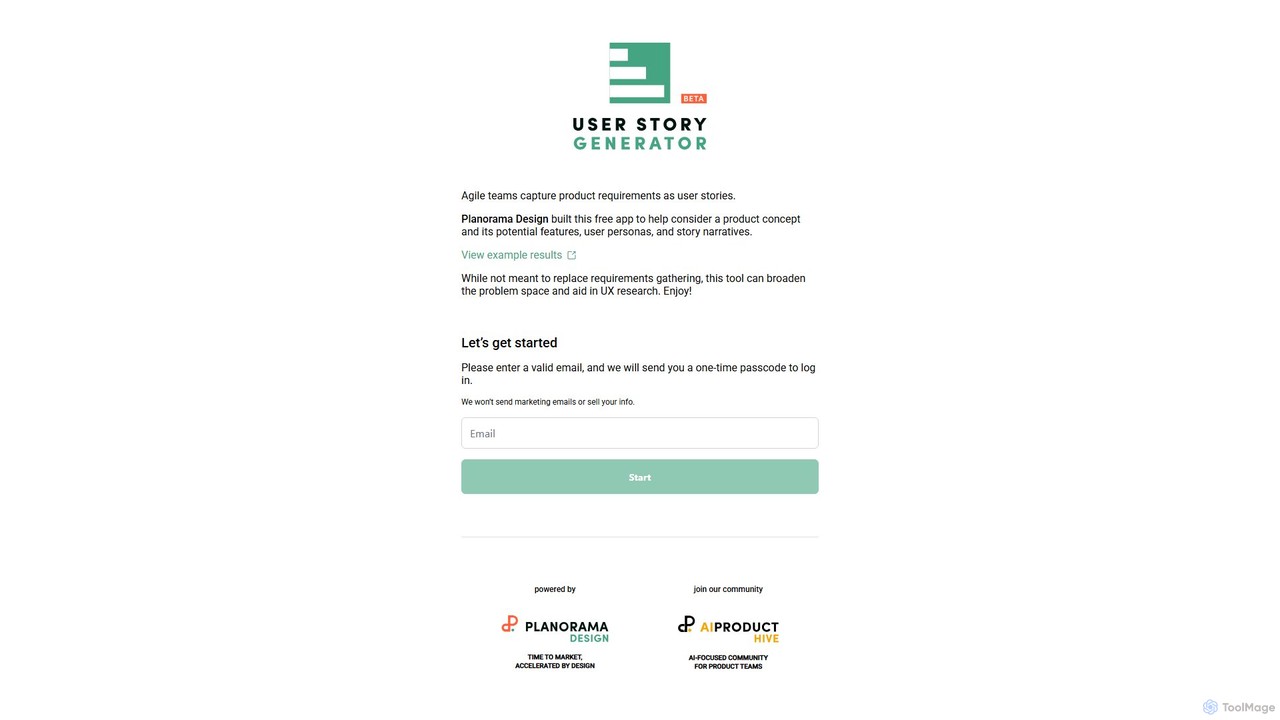
An AI-powered tool designed for agile teams to streamline the creation of user stories, personas, and feature narratives. …
An AI-powered tool designed for agile teams to streamline the creation of user stories, personas, and feature narratives. It helps product managers and developers quickly generate requirement documents, broaden the problem space, and accelerate the UX research process.
About Product Management
AI Product Management tools are a specialized category of software designed to assist product managers in data-driven decision-making throughout the product lifecycle. They leverage machine learning and natural language processing to analyze vast amounts of user feedback, market data, and internal documents. This enables PMs to uncover hidden insights, prioritize features more effectively, and create user-centric roadmaps. Unlike general marketing tools that focus on promotion, these tools are built to inform the core product strategy and development process.
Core Features
- User Feedback Synthesis: Automatically categorizes and summarizes feedback from reviews, surveys, and support tickets to identify key themes.
- Roadmap Intelligence: Suggests feature priorities based on strategic goals, user impact, and estimated development effort.
- Automated Specification Writing: Generates initial drafts of user stories, requirements, and acceptance criteria from high-level ideas.
- Competitive Analysis: Monitors competitor features and market trends to identify opportunities and threats in real-time.
- Impact Prediction: Forecasts the potential impact of new features on key business metrics like user engagement or retention.
Applicable Scenarios
These tools are widely used by product teams in SaaS companies, e-commerce platforms, and mobile app development. For instance, a product manager can feed thousands of app store reviews into a tool to instantly identify the most requested features. They are also used to generate a data-backed business case for a new initiative to present to stakeholders.
Selection Criteria
When selecting a tool, consider its integration capabilities with your existing stack (e.g., Jira, Slack, Intercom). Evaluate the depth of its analytical features—does it just categorize feedback or also identify root causes? Also, assess the user interface's intuitiveness and whether the pricing model scales with your team's size and data volume.
Product ManagementUse Cases
Automate User Feedback Analysis from Multiple Channels
A SaaS Product Manager is tasked with sifting through thousands of pieces of feedback from Intercom, App Store reviews, and NPS surveys. Instead of spending days manually tagging data, they use an AI tool to ingest all this unstructured text. The tool's NLP capabilities automatically identify key themes, sentiment, and specific feature requests. The result is a prioritized dashboard of user needs in minutes, allowing the PM to build a data-backed case for the next sprint's priorities and share clear insights with the entire organization.
Create Data-Driven Product Roadmaps
A Head of Product needs to align the quarterly roadmap with company objectives, such as increasing user retention. An AI tool scores potential features against these objectives, user impact scores derived from feedback analysis, and estimated effort. It can visualize different roadmap scenarios based on various prioritization frameworks. This provides a clear, defensible roadmap that directly links development work to business goals, making it easier to achieve stakeholder buy-in and communicate the product strategy effectively.
Generate User Stories and Product Specifications
A Product Owner needs to write detailed user stories and acceptance criteria for the engineering team. By inputting a high-level feature idea, such as 'Add a team collaboration feature,' the AI generates a set of well-structured user stories and potential acceptance criteria. This process significantly reduces the time spent on documentation, ensures consistency in spec quality, and frees up the Product Owner to focus more on strategic tasks like user research and stakeholder communication, rather than repetitive writing.
Conduct Rapid Competitive Intelligence
A Product Strategist in a competitive market needs to stay ahead of what competitors are building. An AI tool can be configured to monitor competitors' product updates, press releases, and user reviews across the web. It surfaces trends, identifies feature gaps in the market, and flags shifts in competitor strategy. This provides proactive insights for strategic planning, preventing the product from falling behind and helping to identify unique opportunities for differentiation that resonate with market needs.
Validate Product Ideas with Market Data
An entrepreneur or New Product Development Manager needs to assess the viability of a new product idea before investing in development. An AI tool can analyze market trends, forum discussions on platforms like Reddit, and search data related to the problem the product aims to solve. It identifies the target audience's primary pain points and existing solutions. This provides quantitative and qualitative data to validate or pivot the initial idea, significantly reducing the risk of building a product that nobody wants.
Prioritize Bugs and Technical Debt
A Technical Product Manager must balance new feature development with fixing bugs and addressing technical debt. An AI tool can analyze bug reports from platforms like Sentry or Jira, correlating them with customer support tickets and user churn data. It helps quantify the business impact of each bug, not just its technical severity. This results in a clear, impact-based priority list for the engineering team, ensuring that the most critical issues affecting user experience and revenue are addressed first.