ToolMage
Sign in

Best 2 Review Management AI tools for Marketing

Popular Review Management AI tools in Marketing include spokk and Spiral, helping you work more efficiently.

spokk
Freemium

spokk

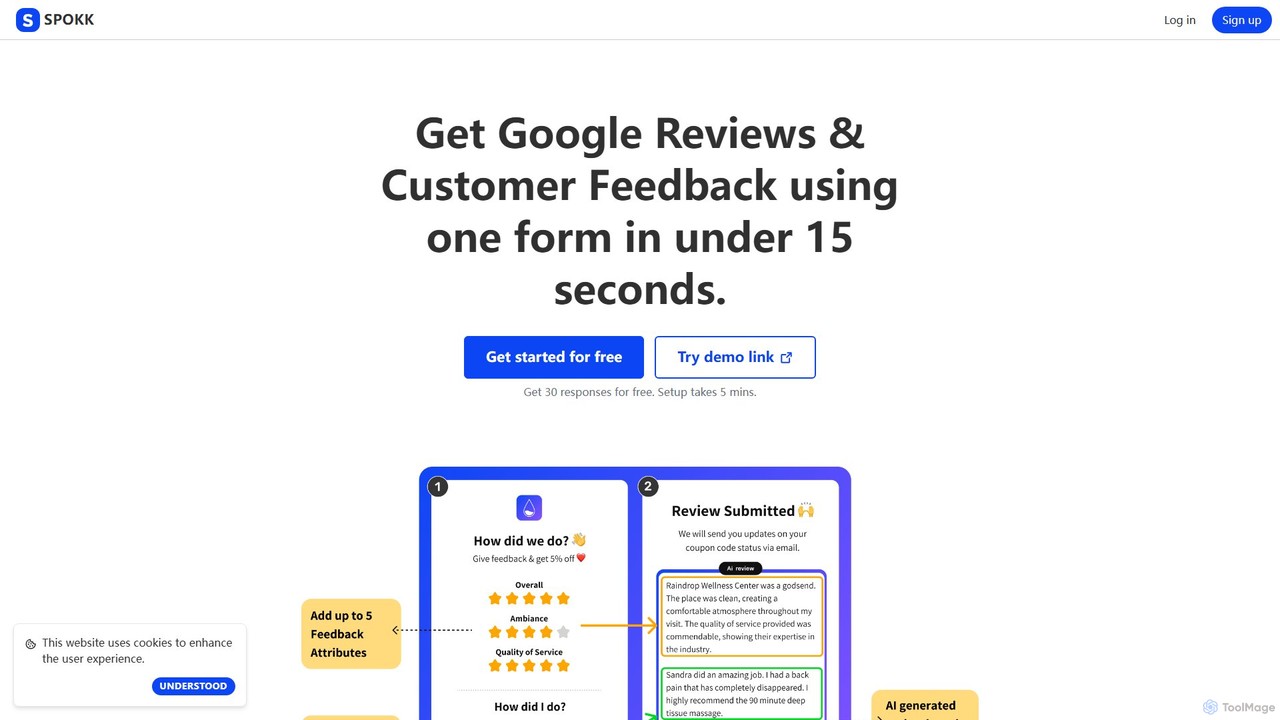
Spokk is an AI-powered tool that helps service businesses automate customer feedback collection and generate high-quality online reviews. It transforms simple customer feedback from a 15-second form into a well-written review draft, which customers can easily post on platforms like Google, boosting a business's online reputation and attracting new clients.

Feedback Management
Visits 17.1KFavorites 182Likes 187
Spiral
Freemium

Spiral

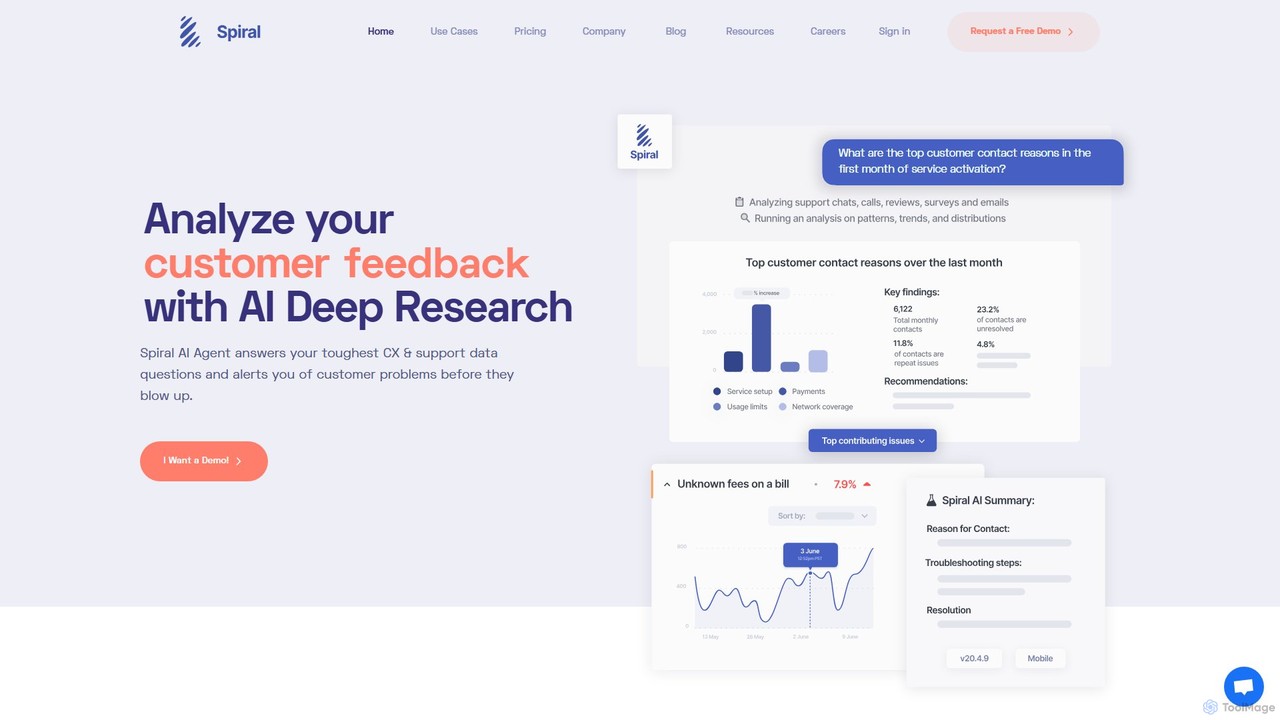
Spiral is an AI-powered platform that analyzes unstructured customer feedback from multiple channels. It intelligently classifies interactions, detects issues, and provides actionable insights to improve customer support, product quality, and overall customer experience. It helps businesses save time on data analysis and make data-driven decisions.

Business Intelligence
Visits 11.2KFavorites 119Likes 120

About Review Management

AI Review Management tools are specialized platforms that automate the process of monitoring, analyzing, and responding to customer reviews across multiple channels. They leverage Natural Language Processing (NLP) to perform sentiment analysis, identify key topics, and generate context-aware response drafts. This enables businesses to efficiently manage their online reputation, gather valuable customer feedback, and improve customer satisfaction at scale. These tools are a crucial component of modern digital marketing, turning customer feedback into actionable business intelligence.

Core Features

  • Review Aggregation: Gathers reviews from various platforms like Google, Yelp, and Amazon into a single, unified dashboard.
  • Sentiment Analysis: Automatically classifies reviews as positive, negative, or neutral to prioritize responses.
  • AI Response Generation: Creates personalized, context-appropriate draft replies for reviews, saving significant time.
  • Trend & Topic Analysis: Identifies recurring themes and keywords in feedback to uncover product or service improvement opportunities.
  • Automated Review Solicitation: Sends timely requests to satisfied customers to encourage them to leave positive reviews.

Use Cases

Ideal for businesses of all sizes that rely on online reputation, including e-commerce stores, restaurants, hotels, local service providers, and SaaS companies. They are used to streamline customer service, improve product development based on feedback, and enhance local SEO performance through consistent review engagement.

How to Choose

When selecting a tool, consider the range of platforms it supports, the quality and customizability of its AI-generated responses, and the depth of its analytical reports. Also, evaluate its integration capabilities with your existing CRM or helpdesk software and ensure its pricing model aligns with your business scale and review volume.

Review Management use cases

1

Centralize E-commerce Product Review Management

An e-commerce manager for an online electronics store uses an AI Review Management tool to consolidate reviews from their Shopify site, Amazon, and BestBuy.com. The tool's sentiment analysis immediately flags negative reviews about a specific product's battery life. The AI generates a draft response acknowledging the issue and offering a solution, which the manager quickly customizes and posts. This process reduces response time by 70% and provides the product team with clear, data-driven feedback for the next product iteration.

2

Improve Multi-Location Restaurant Service Quality

The operations director for a national pizza chain uses a review management platform to monitor feedback for over 200 locations from Google Maps and Yelp. The dashboard reveals a recurring theme of "late delivery" associated with three specific branches. They use this insight to investigate and resolve logistical issues in those areas. The tool also helps local managers respond consistently to all reviews, improving customer relations and local search rankings.

3

Streamline SaaS Feedback for Product Development

A product manager at a SaaS company integrates a review management tool with their Slack and Jira. The tool pulls in reviews from G2, Capterra, and the App Store. It automatically tags reviews mentioning "feature request" or "bug" and analyzes the sentiment. Positive reviews are shared to a team motivation channel in Slack, while negative reviews with bug reports automatically create a ticket in Jira, ensuring user feedback directly influences the development priority list.

4

Enhance Hotel Guest Experience in Real-Time

A boutique hotel manager receives real-time alerts from their AI review tool whenever a new review is posted on TripAdvisor or Booking.com during a guest's stay. A guest mentions a noisy air conditioner in a review. The manager is immediately notified, dispatches maintenance to fix the issue, and the AI drafts an apology and confirmation of the fix. This proactive service often turns a negative experience into a positive one, showcasing excellent customer care.

5

Automate Review Generation for Local Services

The owner of a local plumbing company connects their scheduling software to an AI review management tool. After a job is marked as complete, the system automatically sends a text message or email to the customer asking for a review on Google or HomeAdvisor. This simple automation increases the rate of new positive reviews by 300%, significantly boosting their visibility in local search results and building trust with potential customers.

6

Analyze App Store Feedback After Updates

A mobile app developer releases a major update for their fitness app. They use an AI review management tool to analyze the influx of reviews on the Apple App Store and Google Play Store. The tool's topic analysis quickly identifies that while users love the new workout plans, many are reporting a login issue on older Android devices. This allows the development team to rapidly push a patch to fix the critical bug before it impacts a larger user base.

Review Management FAQ

What are AI Review Management tools?

AI Review Management tools are software solutions that use artificial intelligence to automate monitoring, analyzing, and responding to customer reviews online. Their core functions include aggregating reviews from multiple sources, using sentiment analysis to gauge customer opinion, and generating draft responses. They are primarily used by businesses to manage their online reputation and extract actionable insights from customer feedback.

How do I choose the right AI Review Management tool?

To choose the right tool, evaluate these key factors:

  • Platform Coverage: Ensure it integrates with the review sites most important to your business (e.g., Google, Yelp, G2, Amazon).
  • AI Capabilities: Assess the accuracy of its sentiment analysis and the quality of its AI-generated responses.
  • Analytics and Reporting: Check if it provides deep insights into trends, topics, and customer sentiment over time.
  • Integrations: Verify if it connects with your existing workflow tools like CRM, helpdesk, or project management software.
What is the difference between Review Management and Social Media Monitoring?

Review Management tools focus specifically on dedicated review platforms (like Google Maps, Yelp, TripAdvisor, G2) to manage reputation and gather structured product/service feedback. Social Media Monitoring tools have a broader scope, tracking brand mentions, conversations, and trends across social networks (like Twitter, Facebook, Instagram) for marketing, PR, and customer service purposes. While there can be overlap, their primary focus and data sources are distinct.

What are the main benefits of using an AI Review Management tool?

The main benefits include significant time savings by automating response drafting and review monitoring. They provide a centralized view of customer feedback, enabling faster responses and a consistent brand voice. The AI-powered analytics help businesses quickly identify recurring problems and positive trends, turning customer opinions into valuable data for operational and product improvements. Ultimately, they help improve online reputation and customer loyalty.

Who can benefit from using AI Review Management tools?

Virtually any business with an online presence can benefit. This includes local businesses like restaurants and clinics aiming to improve their local search ranking, e-commerce stores managing product reviews, hotel and travel companies monitoring guest satisfaction, and SaaS companies gathering user feedback for product development. Any organization that values customer feedback and online reputation will find these tools valuable.