ToolMage
Sign in

Best 3 Sales Funnel AI tools for Marketing

Popular Sales Funnel AI tools in Marketing include Autofunnel, Unshackled, and Lazycom, helping you work more efficiently.

Autofunnel
Paid

Autofunnel

Autofunnel is an all-in-one AI marketing platform that builds, automates, and scales your entire online business. Using its unique "Vibe Prompting" technology, you can create sales funnels, websites, marketing copy, podcasts, and even books through simple conversations with the AI, all integrated with a full CRM.

Crm
Visits 14.9KFavorites 130Likes 132
Unshackled
Paid

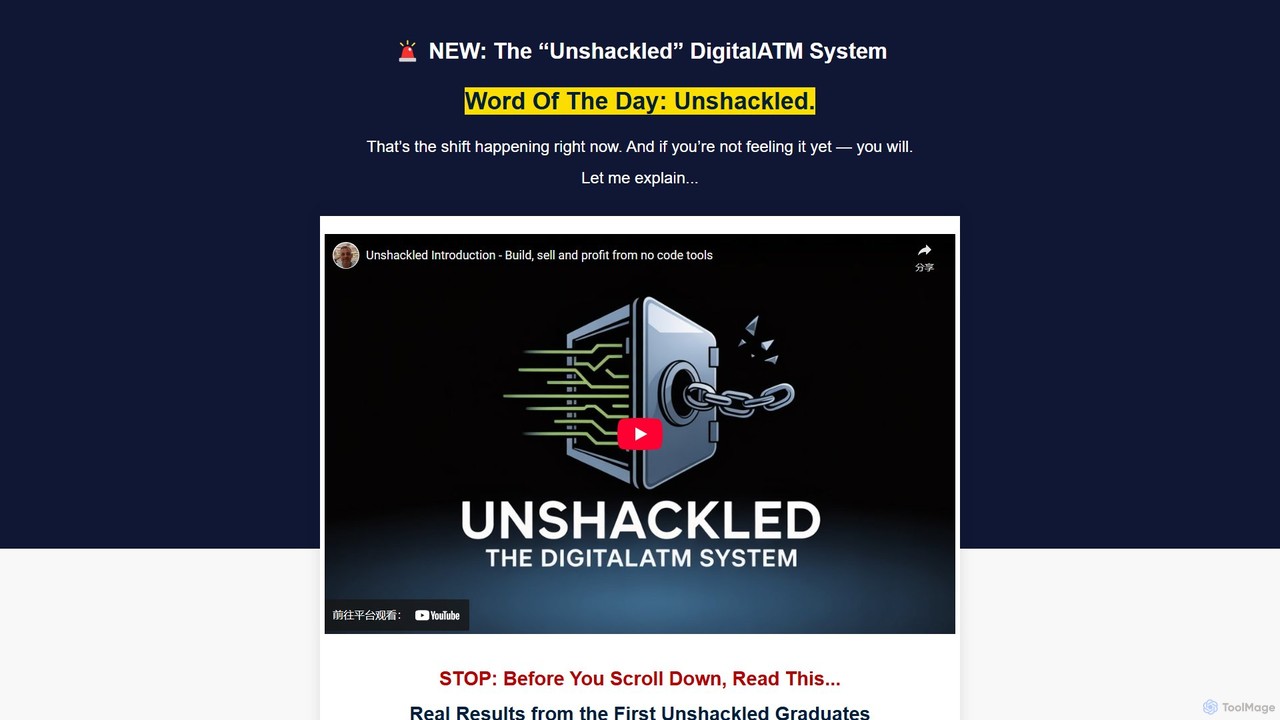
Unshackled

Unshackled is a comprehensive training system by Anthony Hayes that teaches you how to build, launch, and sell your own no-code AI tools. Learn to generate tool ideas, use AI prompts to create software, write sales copy, and build a profitable 'Digital ATM'—a buyer's list for recurring revenue. This program is designed for entrepreneurs and marketers without any coding experience, enabling them to ship products quickly and compete in the digital market.

Entrepreneurship
Visits 7.3KFavorites 113Likes 115
Lazycom
Paid

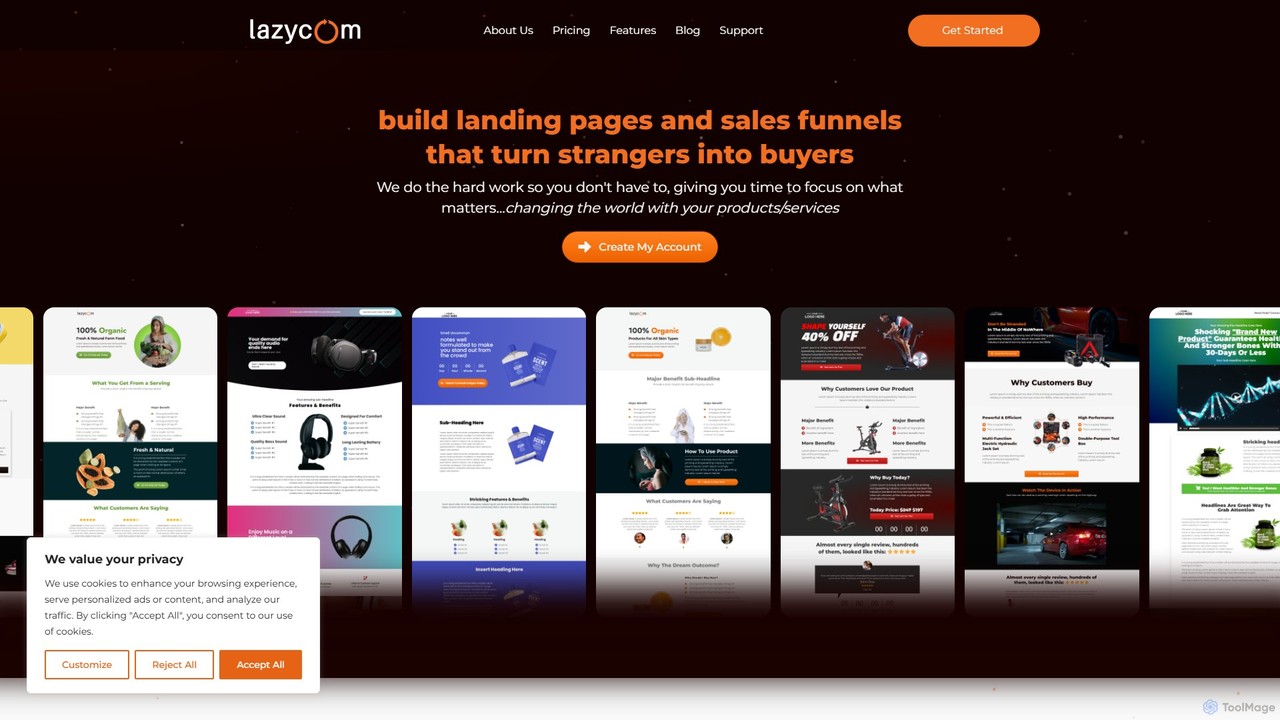
Lazycom

Lazycom is an AI-powered, all-in-one marketing automation platform designed for eCommerce businesses. It simplifies the creation of high-converting landing pages and sales funnels with a user-friendly drag-and-drop editor and conversion-optimized templates. The platform integrates email/SMS automation, CRM, and AI-driven content generation and SEO, empowering non-tech-savvy entrepreneurs to boost sales and streamline their marketing efforts without needing multiple complex tools.

Marketing Automation
Visits 7.2KFavorites 132Likes 130

About Sales Funnel

AI Sales Funnel tools are specialized platforms designed to automate and optimize the entire customer journey from initial awareness to final purchase. These tools leverage artificial intelligence to analyze user behavior, personalize communication across various channels, and predict which leads are most likely to convert. By automating tasks like lead scoring, email nurturing, and A/B testing, they help businesses build efficient, data-driven pathways that guide prospects seamlessly toward a sale. This targeted approach significantly improves conversion rates and maximizes marketing return on investment.

Core Features

  • AI-Powered Lead Scoring: Automatically ranks leads based on their behavior and demographics to prioritize sales efforts.
  • Automated Nurturing Sequences: Creates and deploys personalized email and message workflows that adapt to user actions.
  • Behavioral Analytics: Tracks user interactions throughout the funnel to identify drop-off points and optimization opportunities.
  • Dynamic Content Personalization: Delivers tailored landing pages, offers, and content to different audience segments in real-time.
  • Predictive A/B Testing: Uses AI to test variations of pages and emails more efficiently, quickly finding the highest-converting options.

Use Cases

AI Sales Funnel tools are invaluable for digital marketers, e-commerce managers, SaaS companies, and B2B sales teams. For instance, a SaaS business can use them to automate trial user onboarding and conversion sequences. An e-commerce store can create funnels to recover abandoned carts and suggest personalized product upsells, directly increasing revenue.

How to Choose

When selecting an AI Sales Funnel tool, consider its integration capabilities with your existing CRM and marketing platforms. Evaluate the depth of its analytics and reporting features to ensure you can measure performance effectively. Also, assess the user-friendliness of the funnel builder and the level of automation it offers to match your team's technical skills and strategic needs.

Sales Funnel use cases

1

Automating Lead Nurturing for a SaaS Company

A marketing manager for a B2B SaaS company needs to convert more trial users into paying customers. They use an AI sales funnel tool to create an automated onboarding sequence. When a user signs up for a free trial, the AI triggers a personalized email series that highlights key features based on the user's initial actions within the app. The tool tracks engagement, scores leads, and once a lead reaches a 'highly engaged' threshold, it automatically notifies a sales representative via CRM integration to schedule a personalized demo, increasing the trial-to-paid conversion rate by over 20%.

2

Optimizing an E-commerce Abandoned Cart Funnel

An e-commerce store owner faces a high cart abandonment rate. By implementing an AI sales funnel tool, they create a multi-step recovery sequence. The AI first identifies when a user abandons their cart. Within an hour, it sends a reminder email. If there's no action, the AI analyzes the products in the cart and sends a follow-up email 24 hours later featuring customer reviews for those specific items. For high-value carts, the AI can trigger a final email offering a small, time-sensitive discount. This intelligent, automated funnel helps recover lost sales and boosts overall revenue.

3

Creating High-Converting Funnels for Digital Products

An online course creator wants to maximize sales for their new program. Using an AI sales funnel builder, they can quickly generate a complete funnel, including a landing page, an email opt-in for a free webinar, and a sales page. The AI suggests high-converting copy and design layouts based on industry data. It then runs A/B tests on headlines and call-to-action buttons automatically. After the webinar, the tool segments attendees based on engagement and sends tailored follow-up sequences to convert warm leads, significantly reducing the manual effort and guesswork involved in launching a product.

4

Personalizing B2B Sales Outreach at Scale

A B2B sales team needs to improve the effectiveness of their cold outreach campaigns. They integrate an AI sales funnel tool with their lead database. The AI analyzes each lead's company data, industry, and job title to dynamically personalize email templates. For example, it can insert relevant industry statistics or mention a specific company pain point in the opening line. The tool also automates follow-ups and stops the sequence once a lead replies. This level of personalization at scale increases reply rates and helps the sales team book more meetings with qualified prospects.

5

Upselling and Cross-selling to Existing Customers

A marketing team wants to increase customer lifetime value (CLV). They use an AI sales funnel tool to analyze the purchase history and behavior of existing customers. Based on this data, the AI builds segments and triggers automated campaigns for upselling and cross-selling. For example, a customer who recently bought a camera might receive a targeted email funnel promoting compatible lenses and accessories a week later. The AI optimizes which offers are sent to which customers, maximizing relevance and increasing the average order value without manual intervention.

6

Qualifying Leads from a High-Traffic Blog

A company with a popular blog generates thousands of leads per month through content downloads, but the sales team is overwhelmed. They implement an AI sales funnel tool to score these leads automatically. The AI analyzes factors like the lead's job title, company size, and the specific content they downloaded. Leads scoring above a certain threshold are flagged as Marketing Qualified Leads (MQLs) and routed directly to sales. Lower-scoring leads are entered into a long-term nurturing funnel. This process ensures the sales team only spends time on the most promising prospects, improving efficiency and conversion rates.

Sales Funnel FAQ

What are AI Sales Funnel tools?

AI Sales Funnel tools are software platforms that use artificial intelligence to automate and optimize the process of guiding potential customers towards a purchase. Unlike traditional marketing automation, they use AI to perform tasks like predictive lead scoring, personalizing content in real-time, and optimizing conversion paths automatically. Their main purpose is to increase efficiency, improve conversion rates, and provide deep insights into customer behavior throughout the entire sales journey, from awareness to advocacy.

How to choose the right AI Sales Funnel tool?

Choosing the right tool depends on your specific business needs. Consider the following factors:

  • Integrations: Ensure the tool seamlessly connects with your existing CRM, email marketing platform, and other essential software.
  • Ease of Use: Look for a tool with an intuitive visual funnel builder, especially if your team is not highly technical.
  • Analytics and Reporting: The tool should provide clear, actionable insights into funnel performance, conversion rates, and customer behavior.
  • Scalability: Select a platform that can grow with your business, handling an increasing volume of leads and customers without performance issues.
  • Features: Match the tool's features (e.g., lead scoring, A/B testing, personalization) to your marketing strategy and goals.
What's the difference between an AI Sales Funnel tool and a CRM?

A CRM (Customer Relationship Management) is primarily a system of record. It stores customer data, tracks interactions, and manages relationships. An AI Sales Funnel tool, on the other hand, is a system of engagement and automation. It actively uses the data (often from a CRM) to build and execute automated marketing and sales sequences. While a CRM tells you who your customers are and what they've done, an AI Sales Funnel tool proactively guides them through the next steps of their journey using intelligent automation.

Can AI Sales Funnel tools replace human marketers?

No, AI Sales Funnel tools are designed to augment, not replace, human marketers. They excel at handling repetitive, data-intensive tasks like lead scoring, sending automated emails, and running A/B tests at scale. This frees up marketers to focus on higher-level strategic work, such as developing creative campaigns, understanding customer psychology, building brand narratives, and making strategic decisions based on the insights provided by the AI. The most effective marketing teams use these tools to enhance their capabilities and efficiency.

Who benefits most from using AI Sales Funnel tools?

A wide range of businesses can benefit, but they are particularly effective for:

  • SaaS Companies: For automating user onboarding, trial-to-paid conversions, and reducing churn.
  • E-commerce Businesses: To recover abandoned carts, personalize product recommendations, and run targeted promotions.
  • Digital Marketers and Agencies: To manage multiple client funnels efficiently and demonstrate clear ROI through data.
  • B2B Sales Teams: For automating lead qualification, personalizing outreach, and ensuring timely follow-ups.
  • Course Creators and Coaches: To automate webinar funnels, product launches, and nurture leads into clients.