
ToolMage
Sign in

Best 1 Spy Tools for Marketing

Popular Spy Tools in Marketing include Tikstar, helping you work more efficiently.

Tikstar
Freemium

Tikstar

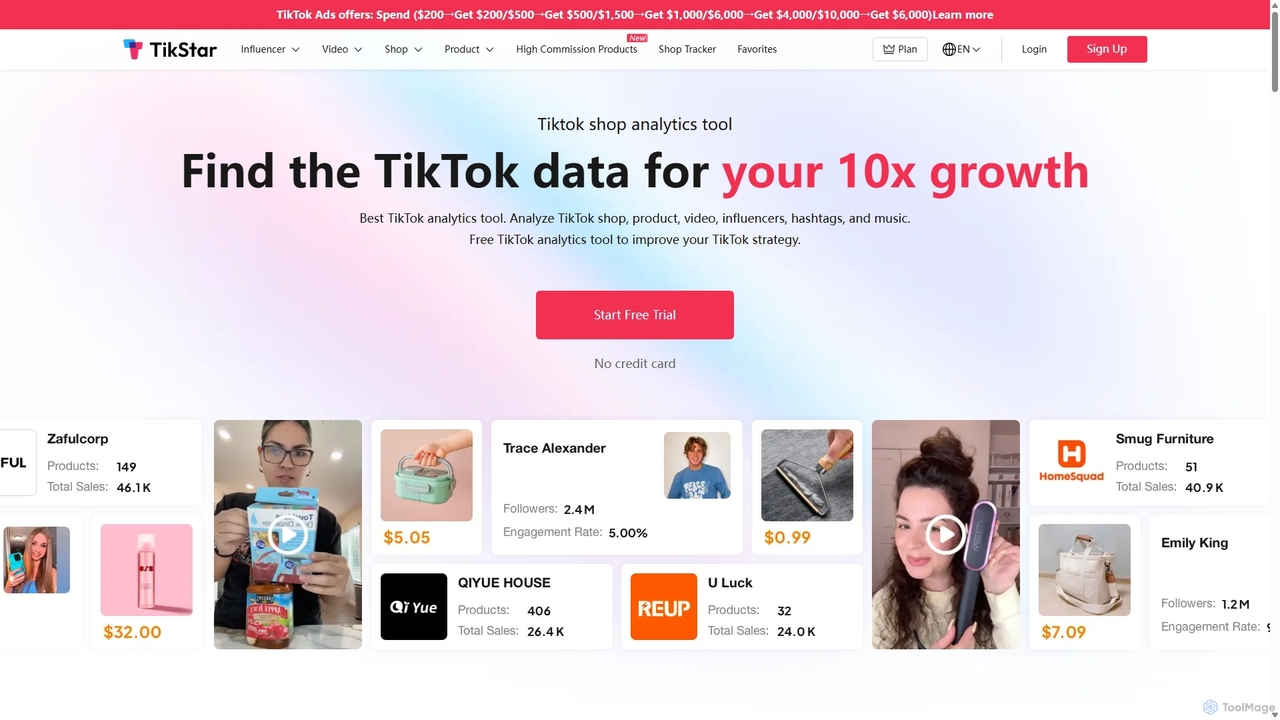
Tikstar is a powerful TikTok analytics tool for e-commerce sellers, brands, and influencers. It provides comprehensive data on TikTok Shops, products, videos, and creators, helping users discover winning products, find the right influencers, and optimize marketing strategies for significant growth.

Product Research
Visits 10.7KFavorites 141Likes 137

About Spy Tools

Spy Tools are AI-powered platforms designed to gather and analyze competitive intelligence and market data. Leveraging advanced algorithms, these tools monitor competitor strategies, ad campaigns, and product movements in real-time. They provide marketers and businesses with actionable insights to inform strategic decisions and gain a competitive edge. This allows for proactive adaptation to market shifts and optimization of marketing efforts.

Core Features

  • Competitor Ad Monitoring: Track and analyze competitor advertising creatives, platforms, and spending across various channels.
  • Market Trend Analysis: Identify emerging trends, popular products, and shifts in consumer interest within specific niches.
  • Audience Insight Generation: Uncover demographic data, interests, and online behaviors of target audiences and competitor customers.
  • Product Research & Tracking: Monitor new product launches, pricing strategies, and sales performance of rivals.
  • SEO Keyword Spying: Discover competitor keyword rankings, backlink profiles, and content strategies.

Use Cases

Digital marketing agencies utilize spy tools to benchmark client performance against competitors and identify new growth opportunities. E-commerce businesses employ them to track competitor pricing, product innovations, and promotional offers. Startups can analyze market gaps and validate product ideas by understanding existing market dynamics and competitor weaknesses.

How to Choose

When selecting AI spy tools, consider the breadth of data sources (social media, search engines, ad networks), the depth of analytics offered (historical data, real-time alerts), and the accuracy of the insights. Evaluate the user interface for ease of use, integration capabilities with existing marketing stacks, and the pricing structure relative to the features provided. Data freshness and compliance with privacy regulations are also crucial.

Spy Tools use cases

1

Analyze Competitor Ad Campaigns for Strategic Insights

A digital marketing manager needs to understand why a competitor's recent ad campaign is performing exceptionally well. Using an AI spy tool, they can monitor the competitor's ad creatives, targeting parameters, ad spend estimates, and landing page strategies across platforms like Facebook and Google. This allows them to identify successful elements, benchmark their own campaigns, and adapt their creative and targeting approaches to improve ROI.

2

Discover Emerging Market Trends and Product Opportunities

An e-commerce business owner wants to stay ahead of the curve by identifying new product niches. An AI spy tool can scan social media, search queries, and e-commerce platforms for trending products, popular keywords, and shifts in consumer demand. By analyzing this data, they can quickly identify potential best-sellers, validate new product ideas, and adjust inventory or marketing efforts to capitalize on early market adoption.

3

Optimize Product Pricing Based on Competitor Data

A product manager for an online retail store needs to ensure their product pricing remains competitive while maximizing profit. With an AI spy tool, they can continuously track competitor pricing for similar products, monitor promotional offers, and analyze price elasticity in the market. This enables them to dynamically adjust their own pricing, implement targeted discounts, and maintain a strong market position without sacrificing margins.

4

Uncover Competitor Audience Demographics and Interests

A content strategist aims to expand their audience reach by understanding who their competitors are attracting. An AI spy tool can provide insights into the demographics, interests, and online behavior of competitor audiences. By analyzing this data, the strategist can refine their content topics, adjust their tone, and identify new channels where their target audience is active, leading to more effective content creation and distribution.

5

Monitor Competitor SEO and Content Strategies

An SEO specialist wants to improve their website's organic search ranking. Using an AI spy tool, they can analyze competitor keyword rankings, identify their top-performing content, examine backlink profiles, and understand their overall content strategy. This intelligence helps the specialist discover high-value keywords, identify content gaps, and build a more robust SEO and content plan to outperform rivals.

6

Track Competitor Product Launches and Innovations

A business development team needs to stay informed about new offerings from key competitors. An AI spy tool can automatically detect and track new product announcements, feature updates, and service launches across competitor websites, press releases, and social media. This allows the team to quickly assess market impact, anticipate competitive moves, and adapt their own product roadmap or sales strategies accordingly.

Spy Tools FAQ

What are AI Spy Tools in marketing?

AI Spy Tools are specialized software applications that leverage artificial intelligence to collect, analyze, and interpret data about competitors, market trends, and audience behavior. They automate the process of competitive intelligence gathering, providing insights into advertising strategies, product movements, pricing, and SEO performance. Their core purpose is to help businesses make data-driven decisions to gain a competitive advantage.

How do AI Spy Tools gather information?

AI Spy Tools work by continuously scanning and scraping publicly available data from various online sources, including social media platforms, search engines, ad networks, e-commerce sites, and news outlets. AI algorithms then process this vast amount of raw data, identifying patterns, trends, and anomalies. Natural Language Processing (NLP) might analyze ad copy, while machine learning models predict market shifts or identify audience segments, presenting actionable insights to users.

What's the difference between AI Spy Tools and general Market Research Tools?

While both aim to provide market insights, AI Spy Tools specifically focus on competitive intelligence and real-time monitoring of rivals' activities, often with a proactive, offensive stance. General Market Research Tools, conversely, tend to focus on broader market analysis, consumer surveys, and historical data to understand overall market dynamics. Spy tools are more about 'what competitors are doing now,' whereas market research is 'what the market looks like overall.'

What key features should I look for in an AI Spy Tool?

When choosing an AI Spy Tool, prioritize features like comprehensive data coverage (e.g., ad platforms, social media, e-commerce), real-time data updates, and robust analytical capabilities (e.g., trend analysis, performance benchmarking). Look for tools that offer customizable alerts, detailed reporting, and the ability to export data. Integration with your existing marketing stack and strong data privacy compliance are also crucial considerations for effective and ethical use.

Who benefits most from using AI Spy Tools?

Digital marketing agencies, e-commerce businesses, product managers, and competitive intelligence teams benefit significantly from AI Spy Tools. Agencies can optimize client campaigns, e-commerce stores can refine pricing and product strategies, and product managers can identify market gaps and track competitor innovations. Essentially, any business or individual looking to gain a data-driven competitive edge in their market can leverage these tools to inform strategic decisions and improve performance.