E Commerce Best in category 7 results Product Research AI Tool

Popular AI tools in the Product Research field of E Commerce include FastMoss、VOC AI、shulex、Tikstar、Capalyze、ProductIQ、AdsMoss, etc., helping you quickly improve efficiency.

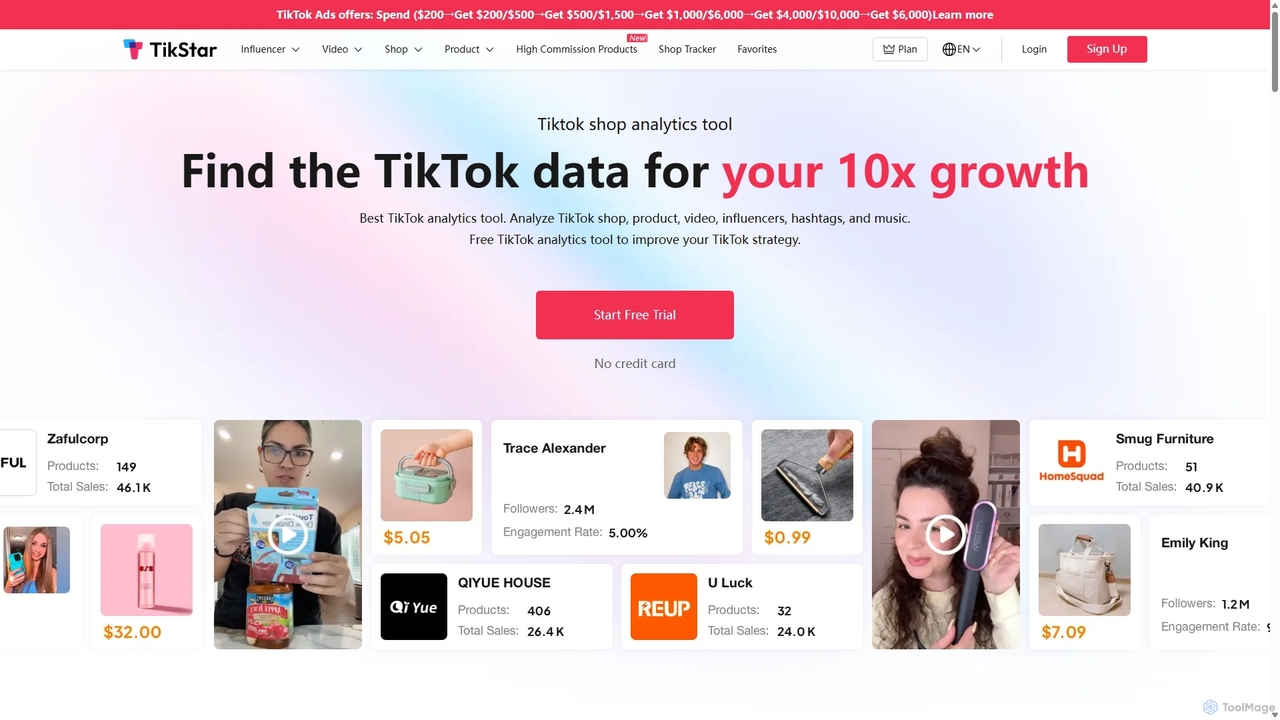
Tikstar

Tikstar

Tikstar is a powerful TikTok analytics tool for e-commerce sellers, brands, and influencers. It provides comprehensive data on …

10.6K
shulex

shulex

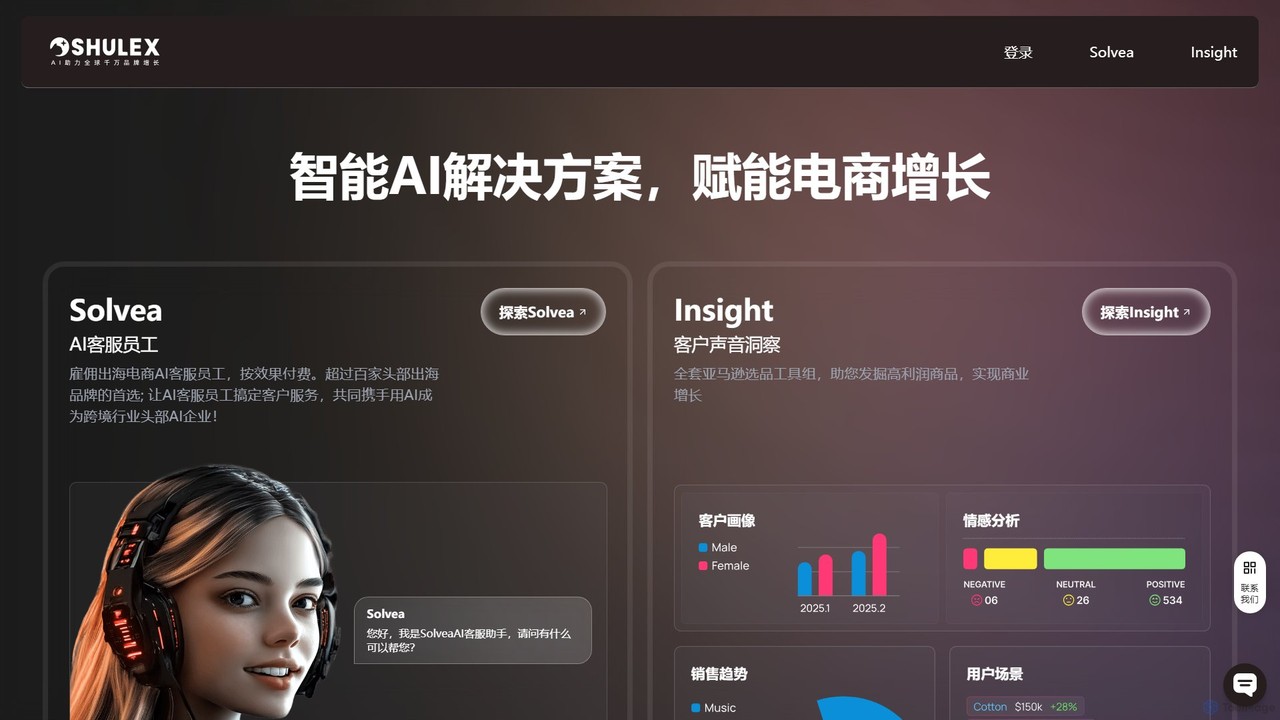
shulex is a unified AI-powered platform designed to empower e-commerce growth. It integrates Solvea, an AI customer service …

36.1K
AdsMoss

AdsMoss

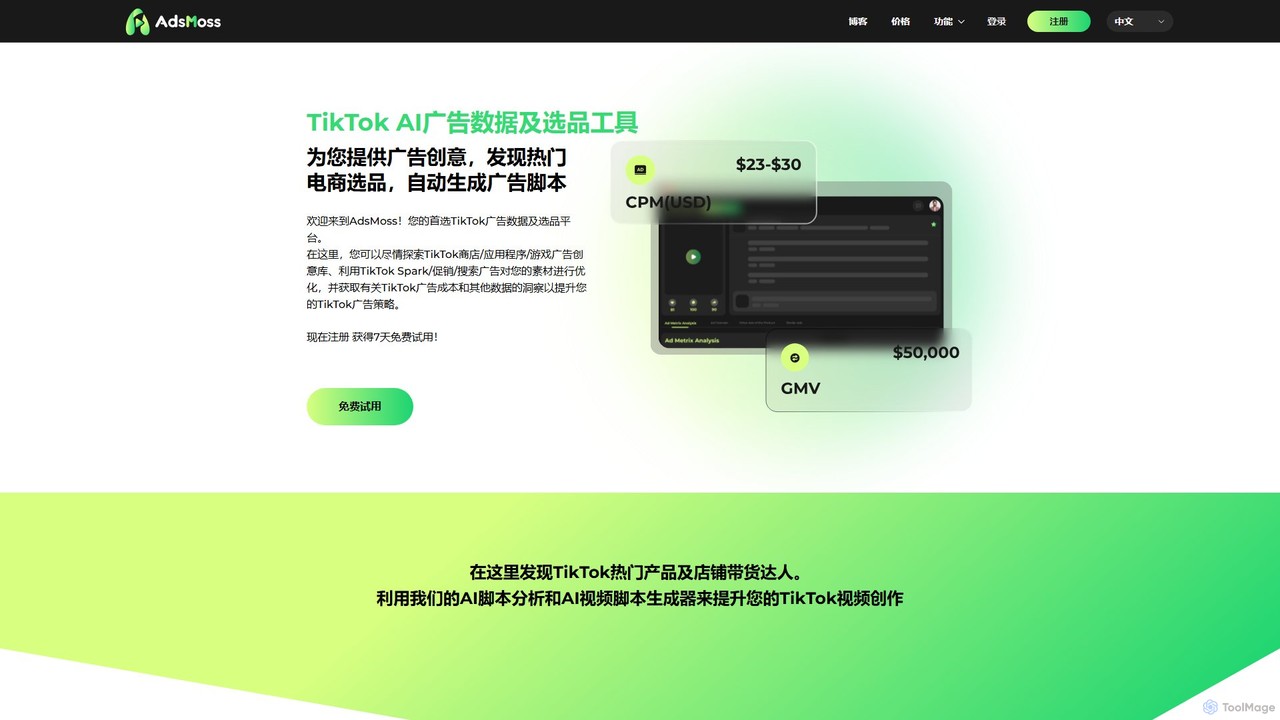
AdsMoss is an AI-powered intelligence platform for TikTok advertising. It provides a massive ad library, e-commerce product discovery, …

1.8K
Free
ProductIQ

ProductIQ

ProductIQ is an AI-powered shopping assistant that simplifies product discovery. Ask questions in natural language to receive instant, …

1.8K
FastMoss

FastMoss

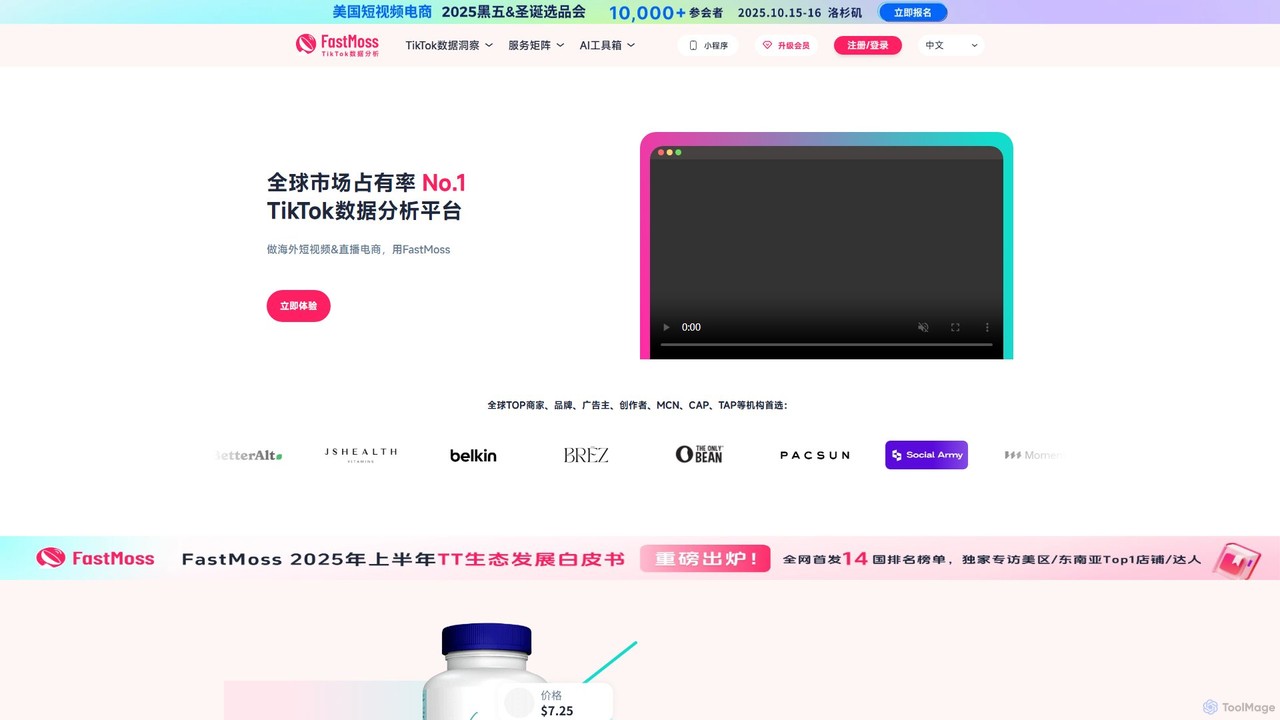
FastMoss is a leading all-in-one data analytics platform for TikTok, specializing in short video, live e-commerce, and influencer …

2.0M
VOC AI

VOC AI

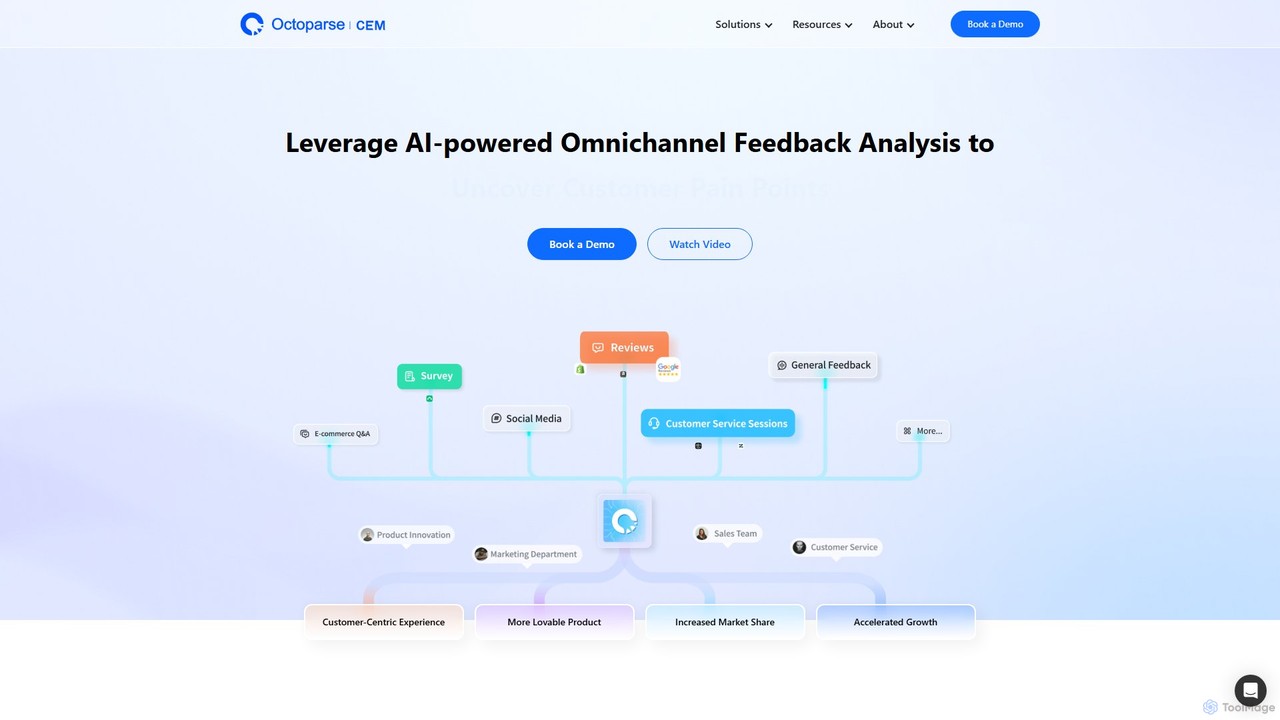
VOC AI is a unified customer experience management platform for e-commerce. It combines Solvea, an AI-powered customer service …

118.8K
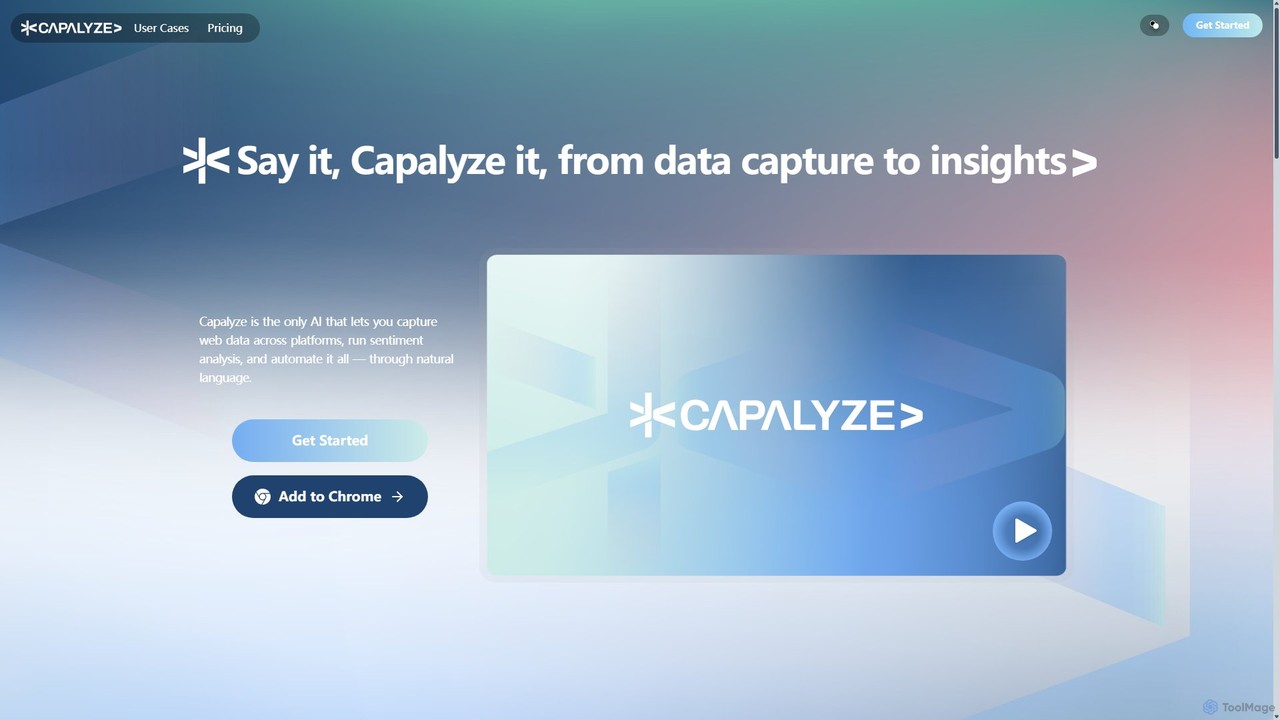
Capalyze

Capalyze

Capalyze is a conversational AI tool that automates web data capture, sentiment analysis, and data interpretation. Using natural …

4.9K

About Product Research

AI Product Research tools are specialized applications designed to automate the discovery and analysis of profitable products for e-commerce. These tools leverage machine learning to process vast datasets from marketplaces, social media, and search engines to identify market trends and competitor strategies. They empower sellers to make data-driven decisions, reducing the risk associated with launching new products. By analyzing factors like sales velocity, keyword demand, and profit margins, these platforms provide a clear path to finding high-potential items.

Core Features

  • Trend Identification: Automatically detects emerging product trends and seasonal demand spikes across various platforms.
  • Competitor Analysis: Tracks competitor sales data, pricing strategies, review sentiment, and listing performance.
  • Profitability Calculation: Estimates potential revenue and profit margins by analyzing sourcing costs, fees, and market prices.
  • Niche Discovery: Uncovers underserved market niches with high demand and low competition.
  • Supplier Vetting: Analyzes supplier data, including transaction history and reviews, to identify reliable partners.

Use Cases

These tools are essential for Amazon FBA sellers, dropshippers, private label brand owners, and e-commerce marketing teams. They are used to validate new product ideas before investing in inventory, find untapped niches to enter, and continuously monitor market dynamics. For example, a dropshipper can find a trending product on social media and instantly analyze its market viability on major e-commerce platforms.

How to Choose

When selecting an AI Product Research tool, consider the data sources it covers (e.g., Amazon, Shopify, TikTok). Evaluate the depth of its analytics, such as historical sales data and profitability calculators. Check for integration capabilities with your e-commerce platform and consider the user interface's ease of use. Finally, compare pricing models to ensure they align with your business scale and budget.

Product ResearchUse Cases

1

Finding Winning Products for Dropshipping

A solo entrepreneur starting a dropshipping business uses an AI product research tool to minimize risk and find high-potential items. Instead of manually browsing social media, they set filters for products with increasing engagement rates and low ad saturation. The tool analyzes data from TikTok, Instagram, and Facebook, presenting a curated list of trending products. It provides links to potential suppliers on platforms like AliExpress, along with estimated profit margins, allowing the entrepreneur to quickly test multiple products without significant upfront investment.

2

Validating a Niche for Amazon FBA

An experienced Amazon FBA seller wants to expand into the competitive 'kitchen gadgets' category. They use an AI tool to perform an in-depth niche analysis. The tool aggregates data on the top 100 listings, showing their monthly revenue, sales velocity, and review history. It also performs a sentiment analysis on customer reviews, highlighting common complaints like 'difficult to clean' or 'breaks easily.' This insight allows the seller to source a product with improved features and enter the market with a clear competitive advantage.

3

Developing a Private Label Product

A direct-to-consumer (DTC) brand plans to launch a new line of sustainable yoga mats. Before committing to manufacturing, the product team uses an AI research tool to validate demand. The tool analyzes search trends for keywords like 'eco-friendly yoga mat' and scrapes reviews from competitor products, identifying key features customers value, such as 'good grip' and 'non-toxic.' This data directly informs the product's final design and marketing message, ensuring it meets market expectations.

4

Identifying Seasonal Trends for an Etsy Shop

An Etsy seller specializing in handmade home decor uses an AI tool to prepare for the holiday season. The tool analyzes historical sales data and current trends on Pinterest and Etsy for terms like 'fall decor' and 'Christmas ornaments.' It identifies breakout keywords and visual styles (e.g., 'rustic farmhouse,' 'minimalist design') that are gaining popularity. Based on this data, the seller can proactively create inventory that aligns with upcoming demand and optimize their listings with relevant keywords to maximize holiday sales.

5

Optimizing Pricing Strategy Against Competitors

The marketing manager for an online electronics store uses an AI product research tool to set up automated tracking for their top 10 competitors. The tool monitors price changes, promotions, and stock levels for a specific list of products in real-time. When a competitor launches a sale, the manager receives an alert. This allows the team to react quickly, adjust their own pricing or launch a counter-promotion, ensuring they don't lose sales due to being overpriced.

6

Sourcing and Vetting Reliable Suppliers

An e-commerce business owner has identified a promising product but needs to find a reliable manufacturer. They use an AI tool that integrates with supplier databases like Alibaba. The tool not only finds suppliers for the product but also analyzes their profiles, including transaction history, customer reviews, and response rates. It can flag suppliers with a history of poor quality or shipping delays. This automates a significant part of the due diligence process, helping the owner connect with trustworthy partners more efficiently.

Product ResearchFrequently Asked Questions