Analytics Best in category 7 results Data Analysis AI Tool

Popular AI tools in the Data Analysis field of Analytics include FastMoss、Carbonfact、Zeda.io、Skills、Getgud.io、Innovispark、floxi, etc., helping you quickly improve efficiency.

Innovispark

Innovispark

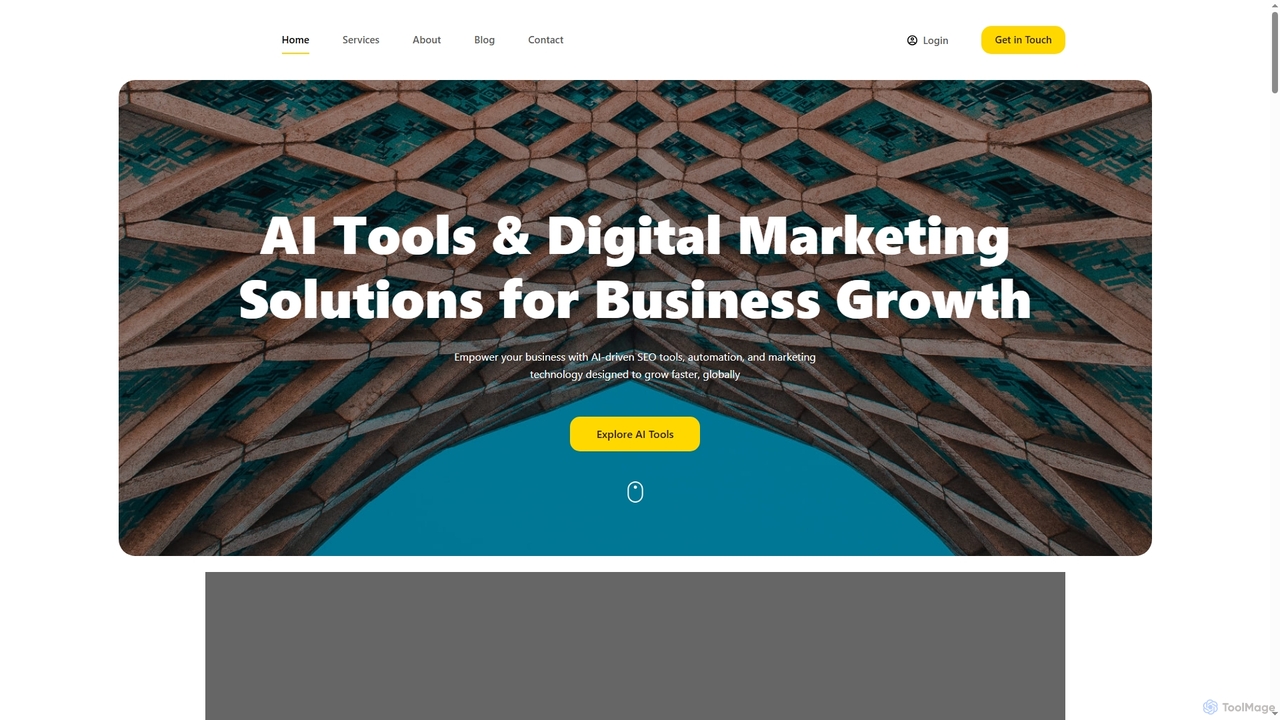
Innovispark offers AI-driven digital marketing solutions and automation services designed to accelerate business growth globally. It provides tools …

2.8K
Skills

Skills

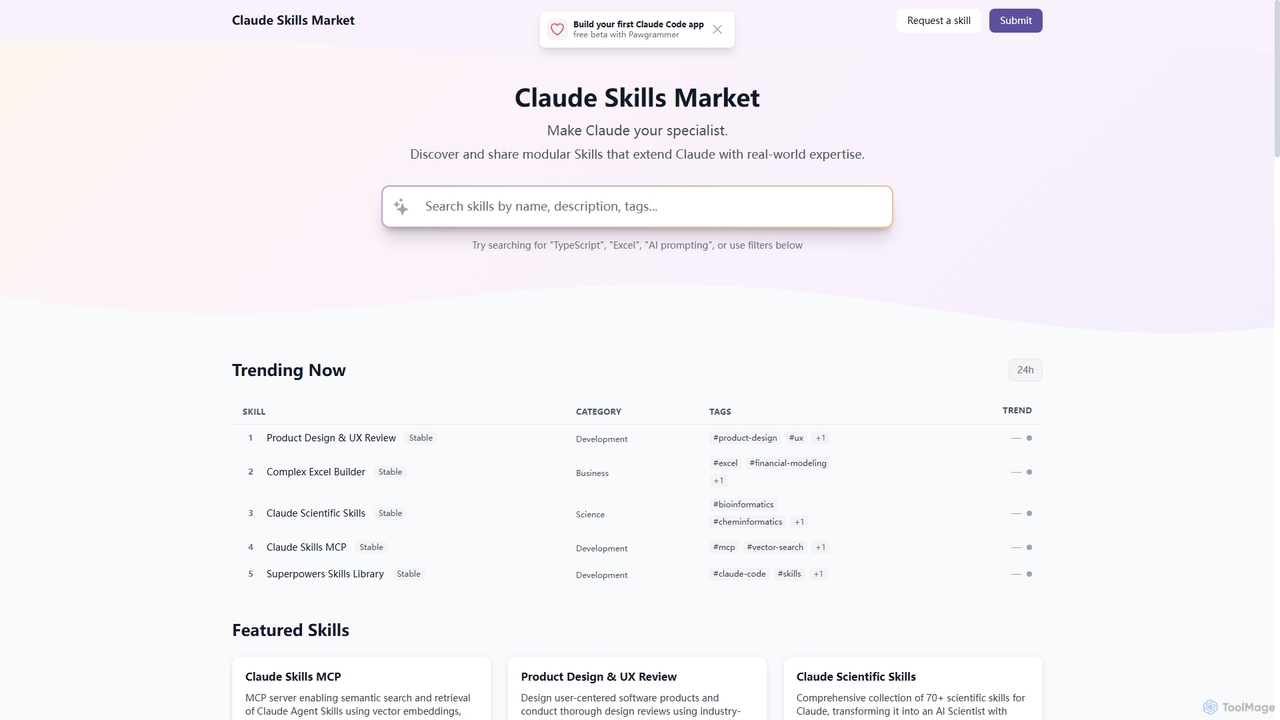
Skills is a dynamic marketplace designed to extend Claude's capabilities with specialized, real-world expertise. It offers a diverse …

8.2K
floxi

floxi

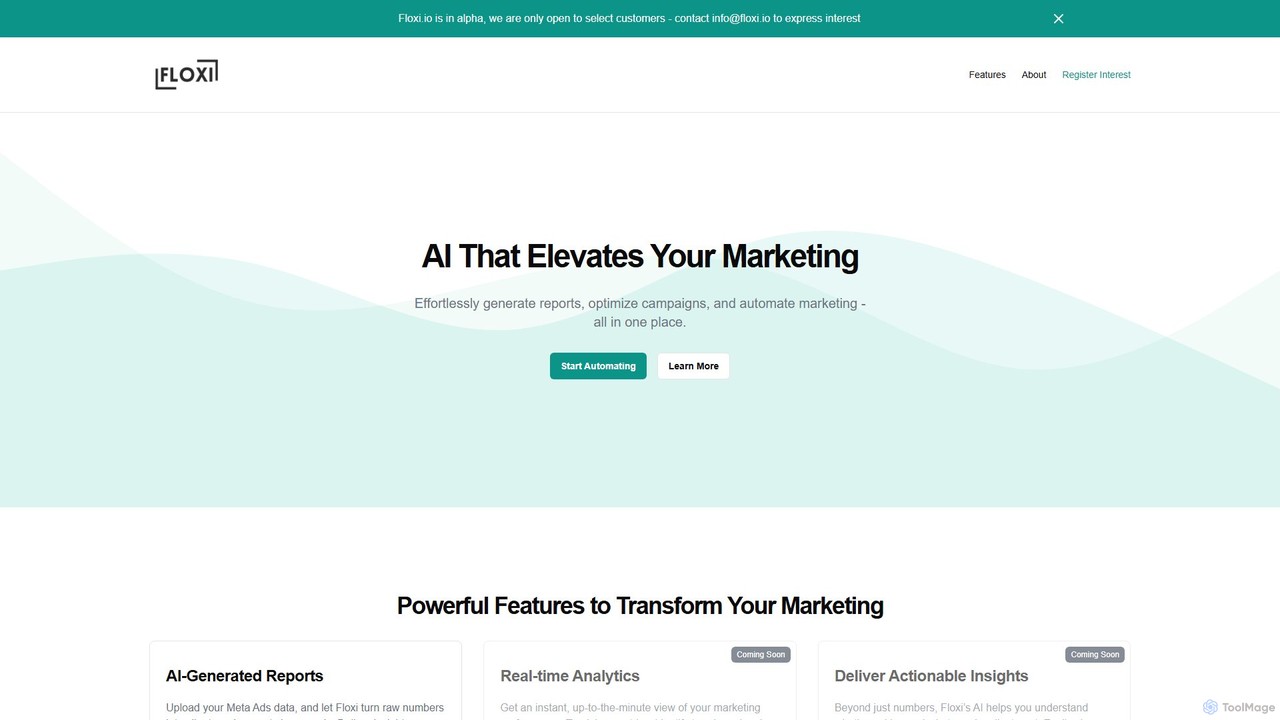
Floxi is an AI-powered marketing platform designed to automate and elevate your marketing efforts. It specializes in generating …

2.2K
Zeda.io

Zeda.io

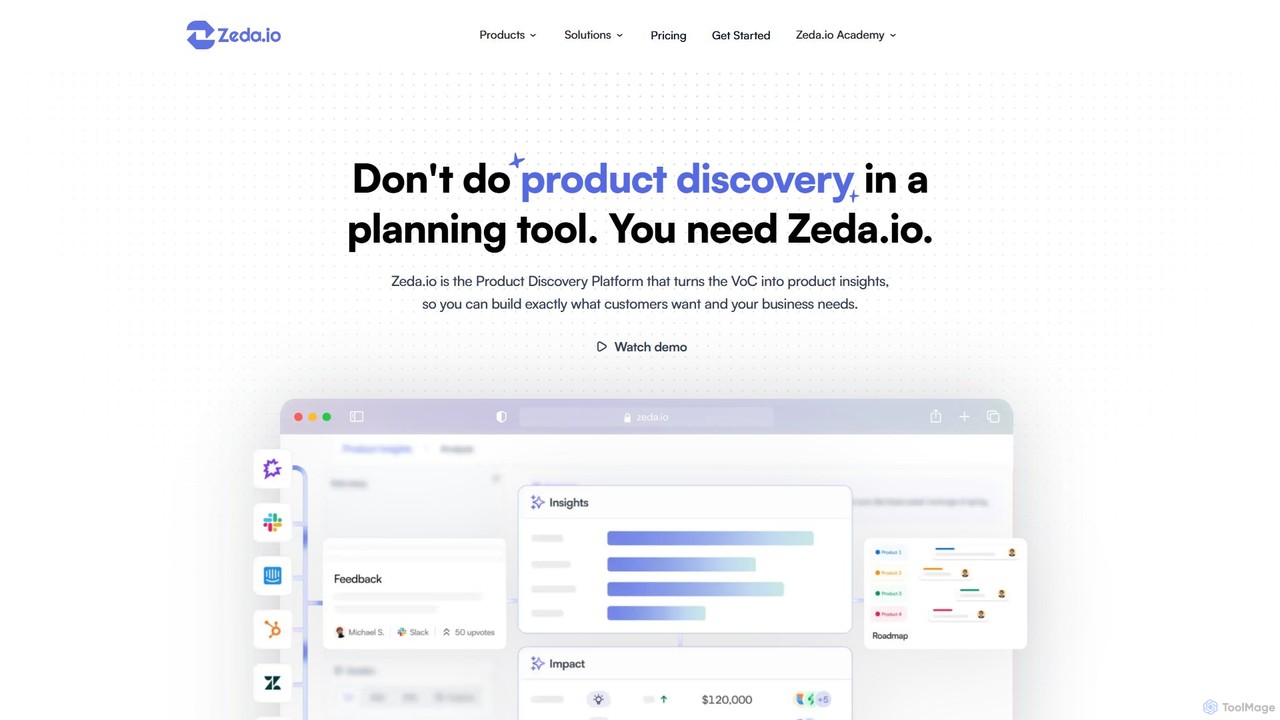
Zeda.io is an AI-powered product discovery platform that centralizes Voice of Customer (VoC) data from all sources. It …

10.1K
Carbonfact

Carbonfact

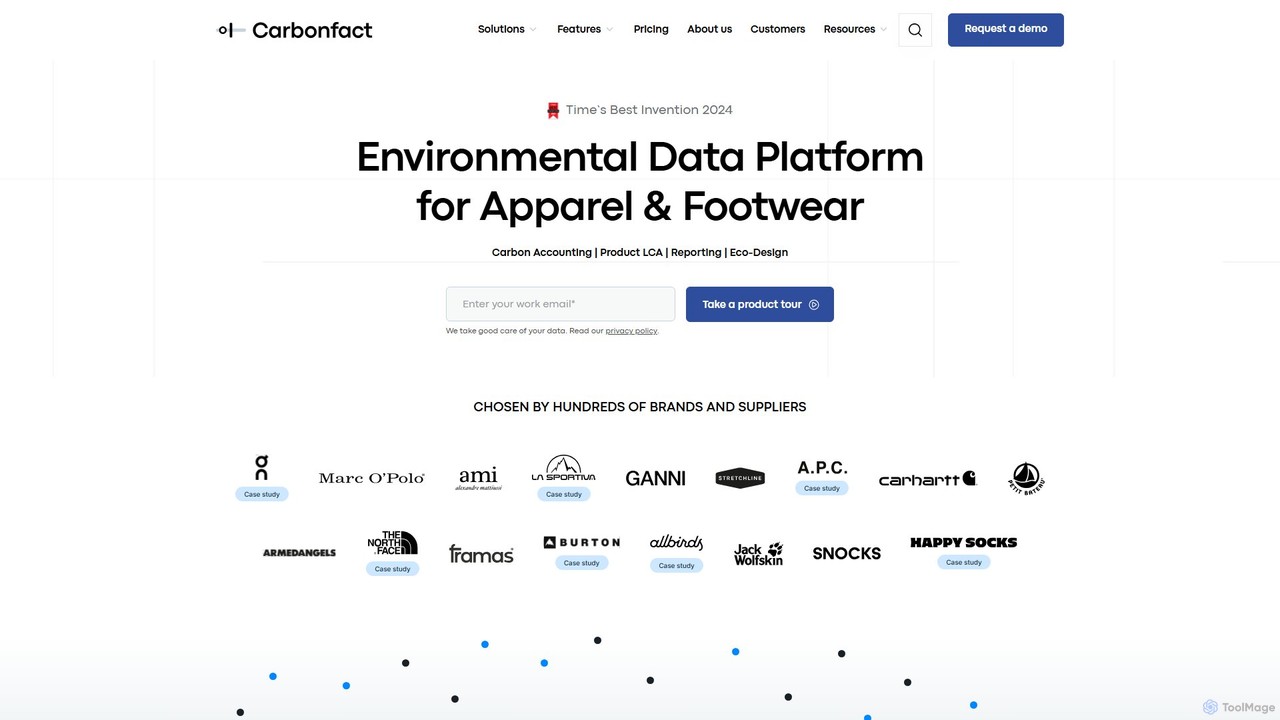
Carbonfact is an AI-powered sustainability platform specifically for the apparel and footwear industry. It automates carbon accounting, product …

29.9K
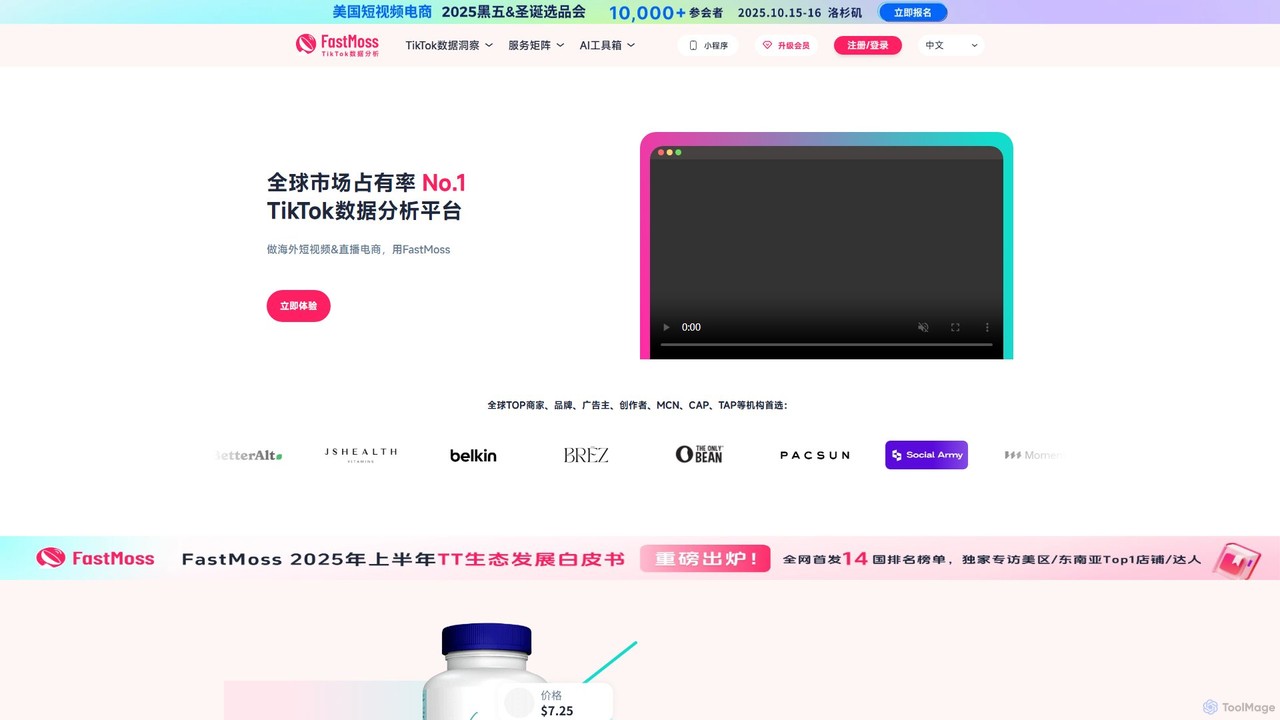
FastMoss

FastMoss

FastMoss is a leading all-in-one data analytics platform for TikTok, specializing in short video, live e-commerce, and influencer …

2.0M
Getgud.io

Getgud.io

Getgud.io is an AI-powered game observability platform designed for developers and esports teams. It analyzes in-match player behavior …

7.4K

About Data Analysis

AI Data Analysis tools are applications designed to automate and accelerate the process of inspecting, cleaning, transforming, and modeling data to uncover actionable insights. They leverage machine learning and statistical algorithms to identify patterns, predict future outcomes, and interpret complex datasets without requiring extensive manual coding. These tools empower users, from business analysts to data scientists, to perform sophisticated analyses and make data-driven decisions more efficiently. This focus on deep data manipulation and modeling distinguishes them within the broader Analytics landscape.

Core Features

  • Automated Data Cleaning: Intelligently identifies and corrects errors, handles missing values, and removes duplicates to ensure data quality.
  • Natural Language Querying: Allows users to ask complex questions about their data in plain English, translating them into executable queries.
  • Predictive Modeling: Builds and deploys models for forecasting, classification, and regression to predict trends and behaviors.
  • Pattern & Anomaly Detection: Automatically surfaces hidden correlations, customer segments, and unusual data points that could signify risks or opportunities.
  • Code Generation & Assistance: Generates optimized SQL, Python, or R code snippets for complex tasks, speeding up workflows for technical users.

Use Cases

These tools are widely used by data analysts, business intelligence professionals, marketers, and financial analysts. Common applications include customer churn prediction, sales forecasting, market basket analysis in retail, fraud detection in finance, and operational efficiency analysis in manufacturing. They enable organizations to move beyond simple reporting to understand the underlying drivers of their business performance.

How to Choose

When selecting an AI Data Analysis tool, consider its data source connectivity (databases, APIs, cloud storage), the range of its analytical capabilities (from descriptive to prescriptive), and the required user skill level (no-code, low-code, or code-first). Also, evaluate its integration with other platforms, such as visualization tools (like Tableau or Power BI) and data warehouses, to ensure a seamless workflow.

Data AnalysisUse Cases

1

Analyze Marketing Campaign Performance

A marketing analyst needs to understand the ROI of a recent multi-channel campaign. Instead of manually exporting data from Google Analytics, Facebook Ads, and a CRM, they connect these sources to an AI data analysis tool. Using natural language queries like 'What was the customer acquisition cost by channel for the Q3 campaign?', the tool automatically joins the data, performs the calculation, and identifies that while social media drove high engagement, search ads resulted in a 30% higher conversion rate for high-value customers. This insight allows for immediate budget reallocation to more profitable channels.

2

Forecast E-commerce Product Demand

An e-commerce manager wants to optimize inventory for the upcoming holiday season. They upload historical sales data, including product SKUs, dates, prices, and promotional periods, into an AI analysis tool. The tool's predictive modeling feature automatically identifies seasonality, trends, and the impact of past promotions. It generates a demand forecast for the next three months at the SKU level, predicting a 50% surge in demand for specific gift items. Based on this forecast, the manager adjusts purchase orders, preventing stockouts on popular items and reducing overstock of slow-moving products.

3

Detect Financial Transaction Anomalies

A compliance officer at a financial institution is tasked with monitoring thousands of transactions per second for fraudulent activity. They stream transaction data into an AI analysis platform. The tool's anomaly detection algorithm, which has learned normal transaction patterns, flags a series of small, rapid transfers to a new international account as highly unusual. It generates an alert in real-time, providing the officer with all relevant transaction details. This allows for immediate investigation and account suspension, preventing a potential loss of thousands of dollars.

4

Predict Customer Churn for Subscription Services

A product manager for a SaaS company wants to proactively reduce customer churn. They consolidate user activity data, subscription history, and support ticket logs into a single dataset. Using an AI data analysis tool, they build a classification model to predict which customers are most likely to cancel their subscriptions. The model identifies that a drop in daily logins combined with a recent unresolved support ticket are strong predictors of churn. The customer success team uses this list to proactively reach out to at-risk users with special offers and dedicated support, successfully reducing churn by 15% in the following quarter.

5

Generate SQL Queries with Natural Language

A business analyst needs to create a complex report on quarterly regional sales performance but is not an expert in SQL. Instead of waiting for a data engineer, they use an AI data analysis tool. They type a request in plain English: 'Show me the total sales for each product category, broken down by region, for Q2 2023, and sort the results by the highest total sales.' The AI tool instantly generates a complex, multi-join SQL query. The analyst can then copy this query and run it directly against the company's database, generating the required report in minutes instead of days.

6

Analyze Patient Outcomes in Healthcare Research

A clinical researcher is studying the effectiveness of a new treatment protocol using a large, anonymized patient dataset. The dataset contains hundreds of variables, including demographics, treatments, and outcomes. Using an AI data analysis tool, the researcher can quickly identify statistically significant correlations between the new protocol and improved patient recovery times. The tool's pattern detection feature also uncovers a specific patient subgroup that responds exceptionally well, a finding that was not part of the original hypothesis. This accelerates the research process and provides crucial insights for refining treatment guidelines.

Data AnalysisFrequently Asked Questions