Atypica
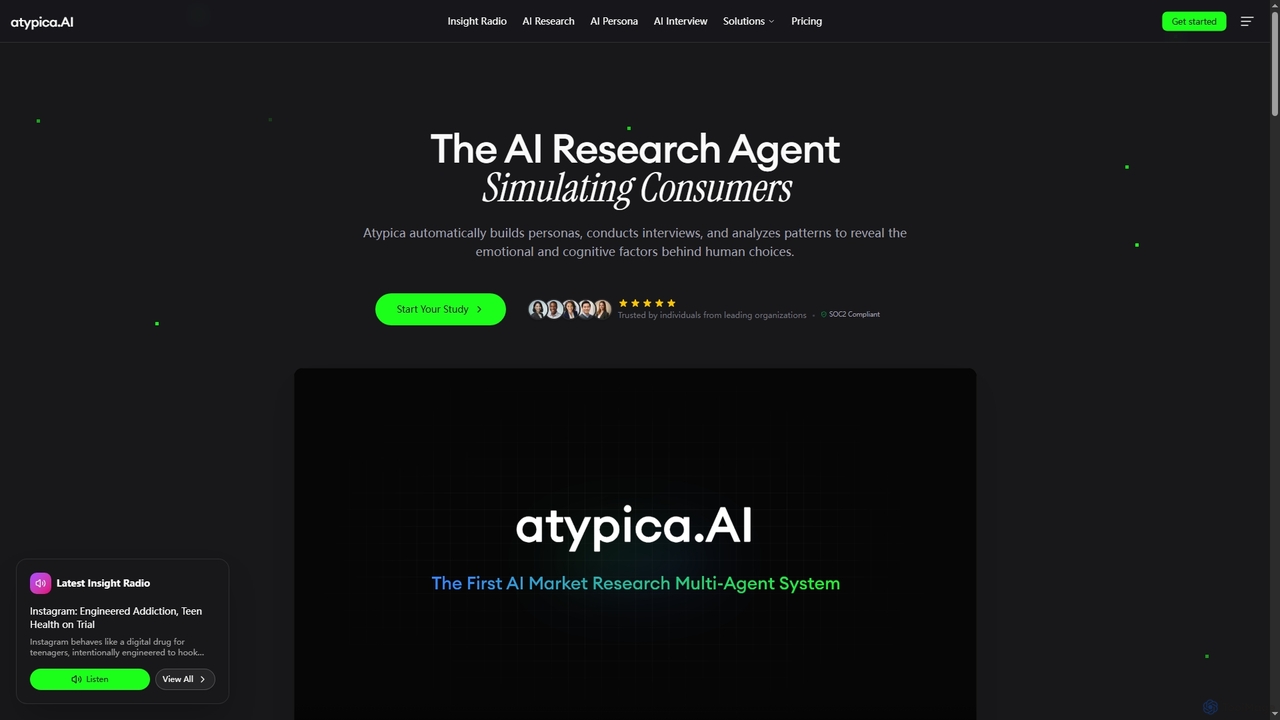
Atypica is an AI research agent designed to simulate consumers, providing deep insights into human decision-making. It automatically …
Atypica is an AI research agent designed to simulate consumers, providing deep insights into human decision-making. It automatically builds AI personas, conducts expert interviews, and analyzes behavioral patterns to uncover emotional and cognitive factors influencing choices. This platform helps businesses and individuals conduct market research, test concepts, and strategize with unparalleled speed and depth.
Accurment
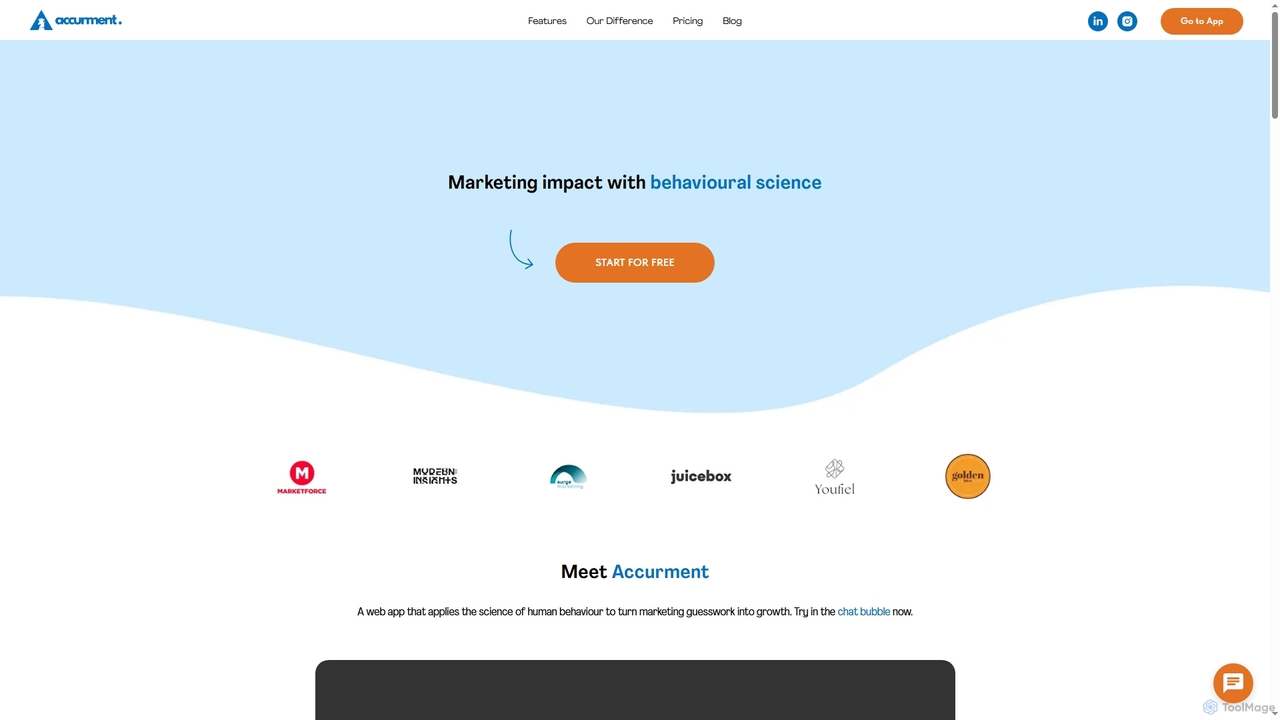
Accurment is an AI-powered web app that leverages behavioral science to transform marketing guesswork into strategic growth. Designed …
Accurment is an AI-powered web app that leverages behavioral science to transform marketing guesswork into strategic growth. Designed by marketing professors, it provides expert-curated insights for planning, testing, and optimizing campaigns. It helps businesses and marketers make data-backed decisions, measure impact, and achieve more credible and effective marketing outcomes.
About Strategy Planning
AI Strategy Planning tools are a specialized category of marketing software that analyzes market data and competitor intelligence to generate actionable strategic recommendations. They use machine learning and natural language processing to synthesize vast amounts of information, such as consumer trends, social media sentiment, and industry reports. This enables marketing teams to build data-driven plans, identify growth opportunities, and forecast market shifts with greater accuracy. These tools transform complex data into clear, strategic roadmaps for campaigns and business development.
Core Features
- Automated SWOT Analysis: Automatically identifies Strengths, Weaknesses, Opportunities, and Threats from market and internal data.
- Competitor Intelligence Tracking: Continuously monitors competitors' marketing activities, product launches, and customer feedback.
- Market Trend Forecasting: Uses predictive analytics to identify emerging trends and shifts in consumer behavior.
- Audience Segmentation: Analyzes demographic and psychographic data to define high-value customer segments and personas.
- Strategic Roadmap Generation: Creates visual timelines and plans that align marketing activities with business objectives.
Use Cases
These tools are primarily used by marketing strategists, brand managers, and business analysts. They are essential for developing quarterly or annual marketing plans, preparing for a new product launch, entering a new market, or repositioning a brand. For example, a strategist can use the tool to validate a go-to-market strategy by simulating potential outcomes based on competitor reactions.
How to Choose
When selecting an AI Strategy Planning tool, consider the breadth and quality of its data sources (e.g., social media, market reports, web analytics). Evaluate the sophistication of its analytical models and the clarity of its visualizations and reports. Also, assess its ability to integrate with other marketing platforms like CRM or analytics software, and ensure the user interface is intuitive for strategic planning workflows.

Strategy PlanningUse Cases
Develop a Go-to-Market (GTM) Strategy
A product marketing manager preparing for a new software launch uses an AI strategy tool to accelerate planning. By inputting target audience parameters and competitor products, the tool analyzes market data to recommend optimal pricing tiers, identify the most effective marketing channels (e.g., tech blogs, LinkedIn ads), and generate key messaging points that highlight unique selling propositions. This process reduces research time from weeks to days and provides a data-backed foundation for the entire launch campaign.
Conduct Automated Competitor Analysis
A brand strategist needs to understand the competitive landscape in real-time. Instead of manually tracking dozens of competitors, they use an AI tool to automate the process. The tool continuously scans competitors' websites, social media channels, and press releases for changes in messaging, pricing, and feature updates. It then generates a weekly dashboard that visualizes competitor positioning and identifies emerging threats or opportunities, allowing the strategist to proactively adjust their own brand strategy.
Identify New Market Expansion Opportunities
A business development team at a SaaS company wants to identify new vertical markets. They use an AI strategy tool to analyze industry reports, online forums, and customer review data from adjacent markets. The AI identifies underserved niches by detecting recurring pain points and requests for features that are not met by existing solutions. The output is a prioritized list of potential expansion markets, complete with market size estimates and profiles of a typical customer, guiding the company's strategic growth decisions.
Create Data-Driven Buyer Personas
A content marketing team wants to refine its target audience profiles. Instead of relying on assumptions, they feed customer survey data, support tickets, and social media comments into an AI strategy tool. The tool performs sentiment analysis and topic modeling to build several detailed buyer personas. Each persona includes demographic data, key motivations, primary pain points, and preferred content formats. This allows the team to create highly targeted content that resonates more effectively with each segment.
Optimize Quarterly Marketing Budget Allocation
A marketing director is planning the budget for the next quarter. They use an AI strategy tool to model different allocation scenarios. The tool uses historical performance data and market trend forecasts to predict the potential ROI of investing more in different channels, such as content marketing, paid search, or influencer collaborations. The output provides a recommended budget split that maximizes expected lead generation and brand awareness, helping the director make a more informed and defensible budget decision.
Forecast Industry Trends for Proactive Planning
A corporate strategy team needs to anticipate future market shifts to stay ahead. They use an AI planning tool that analyzes a massive dataset including patent filings, academic research, venture capital investments, and news articles. The tool identifies emerging technological and consumer behavior trends before they become mainstream. It presents these findings as a trend forecast report, allowing the team to make long-term strategic pivots, such as investing in new R&D or developing products for future markets.