Marketing Best in category 1 results Trust & Safety AI Tool

Popular AI tools in the Trust & Safety field of Marketing include Nonbot.org, etc., helping you quickly improve efficiency.

Free
Nonbot.org

Nonbot.org

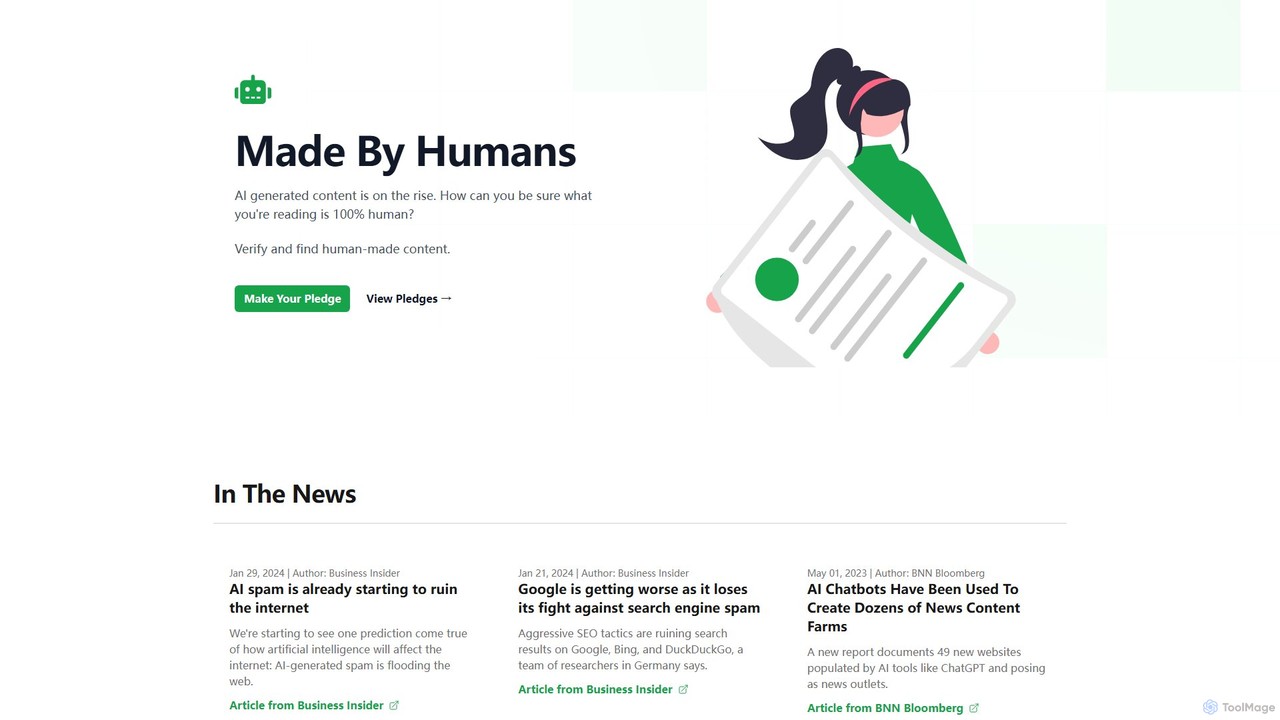
A free platform for creators to certify their content as 100% human-made. By taking a pledge, users receive …

3.8K

About Trust & Safety

AI Trust & Safety tools are a specialized category of software that automatically protects a brand's reputation and user safety across marketing channels. These tools leverage machine learning models to analyze text, images, and user behavior in real-time to identify and mitigate risks. They are essential for maintaining a healthy online environment, ensuring brand integrity, and protecting marketing investments from fraud and abuse. By automating moderation and threat detection, they allow marketing teams to scale their community engagement and advertising efforts safely.

Core Features

  • Content Moderation: Automatically detects and flags or removes harmful content such as hate speech, spam, and inappropriate imagery from comments and user-generated content.
  • Fraud Detection: Identifies and blocks invalid traffic, fake accounts, and fraudulent activities like click fraud or review bombing to protect ad spend and platform integrity.
  • Brand Safety Analysis: Scans ad placements and user content to ensure a brand's advertisements do not appear alongside unsafe or inappropriate material.
  • User Behavior Analysis: Monitors user activity patterns to proactively identify malicious actors, bots, or coordinated inauthentic behavior.

Use Cases

These tools are critical for social media managers, digital advertisers, e-commerce platform operators, and community managers. They are used to moderate comments on social media campaigns, prevent click fraud in PPC advertising, filter fake reviews on product pages, and maintain a safe environment in online communities and forums associated with a brand.

How to Choose

When selecting an AI Trust & Safety tool, consider its detection accuracy and the range of risks it covers (e.g., text, image, video). Evaluate its integration capabilities with your existing marketing platforms (social media, ad networks). Also, assess its scalability to handle your volume of content and traffic, and review its reporting features for insights into detected threats.

Trust & SafetyUse Cases

1

Automate Social Media Comment Moderation

A social media manager for a global consumer brand is responsible for maintaining a positive community on platforms like Instagram and Facebook. They use an AI Trust & Safety tool to automatically scan all incoming comments on their posts in real-time. The tool is configured to instantly hide comments containing hate speech, spam links, or profanity, and flag comments with negative sentiment for manual review. This process saves the team hours of manual work daily and protects the brand's image by ensuring a safe and welcoming space for their audience, leading to higher engagement rates.

2

Prevent Click Fraud in PPC Campaigns

A digital advertising specialist manages a significant budget for Google Ads and other PPC networks. To maximize ROI, they employ an AI Trust & Safety tool focused on ad fraud detection. The tool analyzes the source and behavior of every click in real-time. It identifies patterns indicative of bots or click farms, such as non-human browsing speeds or clicks from suspicious IP ranges. The system automatically blocks these fraudulent sources from seeing or clicking on ads, saving up to 20% of the ad budget that would have been wasted and providing more accurate campaign performance data.

3

Filter Fake Reviews on E-commerce Sites

An e-commerce manager for an online electronics store needs to maintain the credibility of their product ratings. They integrate an AI Trust & Safety tool with their review submission system. The AI analyzes new reviews for signs of inauthenticity, such as generic language used across multiple products, unusual timing of submissions, or IP addresses linked to known spammers. It automatically quarantines suspicious reviews for human verification while allowing genuine ones to be published instantly. This maintains customer trust, provides more reliable feedback for product improvement, and prevents competitors from manipulating ratings.

4

Ensure Brand Safety in Programmatic Advertising

A media buyer for a large corporation runs programmatic ad campaigns across thousands of websites. To protect the brand's image, they use an AI-powered brand safety tool. Before an ad is served, the tool scans the content of the webpage in real-time, analyzing text and images for sensitive topics like violence, political extremism, or adult content. If the page is flagged as unsafe, the tool prevents the ad from being displayed there. This proactive approach ensures the brand is never associated with harmful content, preserving its reputation and ensuring ad spend is directed towards positive, brand-aligned environments.

5

Protect Online Communities from Harassment

A community manager for a popular gaming company oversees a large online forum where players discuss strategies and interact. To foster a non-toxic environment, they deploy an AI Trust & Safety tool that analyzes user behavior. The tool identifies patterns of harassment, such as targeted negative comments towards a specific user or the use of coded language to bypass word filters. It can automatically issue warnings, temporarily mute offenders, or escalate severe cases to the human moderation team. This helps maintain a healthy community, improves user retention, and protects the brand from being associated with online toxicity.

6

Vet Influencers for Brand Safety Risks

A marketing manager planning an influencer campaign needs to ensure potential partners align with the brand's values. They use an AI Trust & Safety tool to conduct background checks on influencers. The tool scans an influencer's historical content across all their social platforms, flagging posts with controversial topics, offensive language, or past brand safety incidents. It also analyzes audience demographics and engagement quality to spot signs of fake followers. This provides a comprehensive risk score for each influencer, enabling the manager to make informed partnership decisions and avoid potential PR crises.

Trust & SafetyFrequently Asked Questions