prime_link
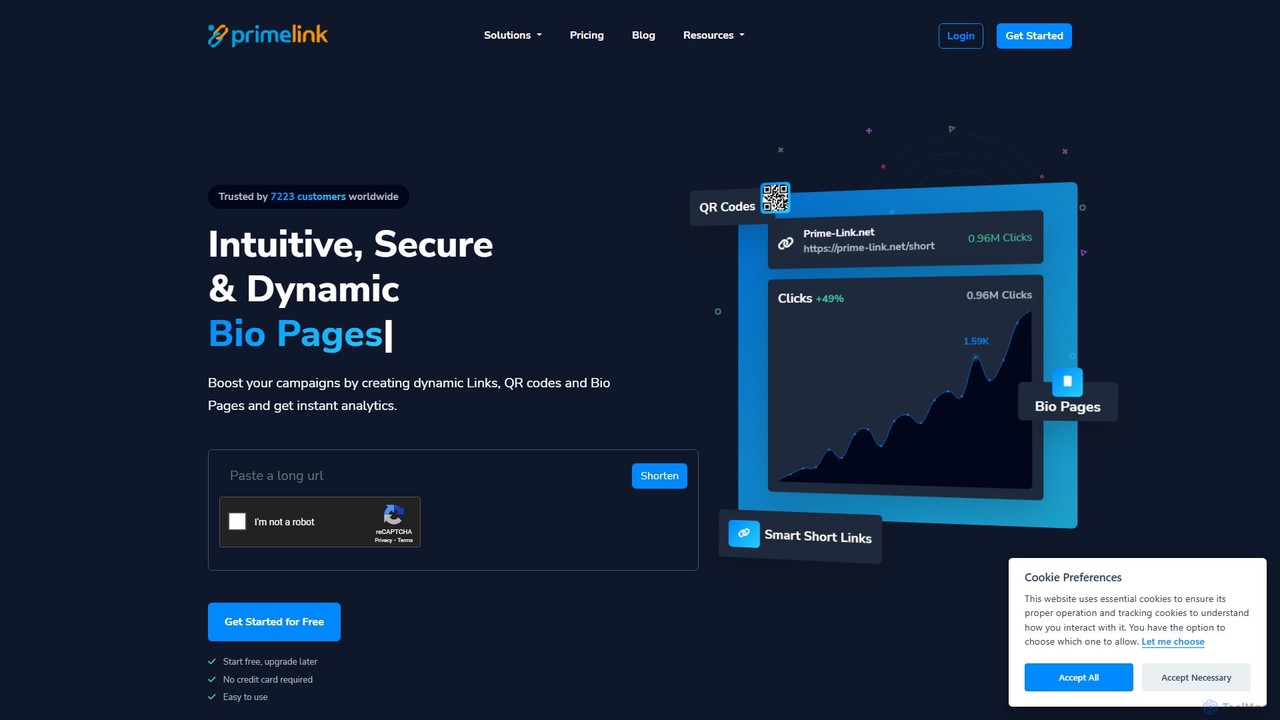
Prime-Link is an all-in-one link management platform for shortening URLs, creating dynamic bio pages, generating custom QR codes, …
Prime-Link is an all-in-one link management platform for shortening URLs, creating dynamic bio pages, generating custom QR codes, and tracking campaign performance with advanced analytics, targeting, and team collaboration features.
OmnesLink
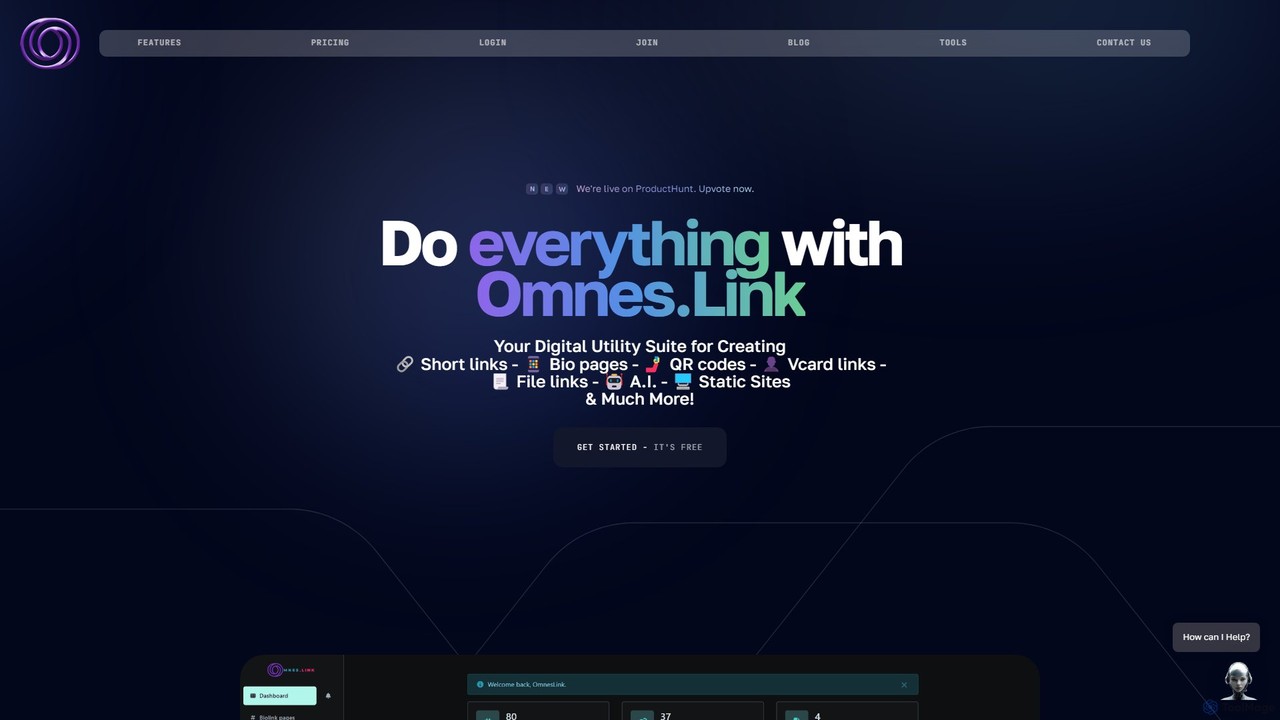
OmnesLink is an AI-powered, all-in-one digital utility suite, a "digital Swissknife" for marketers and creators. It integrates tools …
OmnesLink is an AI-powered, all-in-one digital utility suite, a "digital Swissknife" for marketers and creators. It integrates tools for creating short links, bio pages, QR codes, static sites, and Vcards, alongside powerful AI for text and image generation, all managed through a comprehensive analytics dashboard.
About Url Shortener
URL Shorteners are tools designed to convert long, cumbersome web addresses into short, manageable, and shareable links. These tools go beyond simple shortening by providing powerful analytics to track click-through rates, geographic data, and user engagement. They are a vital component of digital marketing, enabling users to brand their links, monitor campaign performance, and optimize their online strategy. Many advanced URL shorteners also integrate features like QR code generation and link-in-bio page creation.
Core Features
- Custom Branded Links: Create short URLs using your own custom domain to increase brand recognition and trust.
- Detailed Click Analytics: Track every click with data on geography, device type, referrer source, and time-of-day engagement.
- Link Management Dashboard: A centralized platform to organize, edit, tag, and manage all your shortened links efficiently.
- QR Code Generation: Instantly create dynamic QR codes that point to your short links, ideal for print and offline marketing.
- Link Retargeting: Add tracking pixels (e.g., Facebook, Google) to your short links to build custom audiences for ad campaigns.
Use Cases
URL shorteners are widely used by digital marketers, social media managers, and content creators. They are essential for tracking the performance of social media posts, email marketing campaigns, and digital ads. Businesses use them to create clean, branded links for sharing in professional communications, while influencers and creators leverage them to build link-in-bio pages for their social profiles.
How to Choose
When selecting a URL shortener, consider the depth of analytics you require—from basic click counts to comprehensive engagement metrics. Evaluate the level of link customization, including support for custom domains and editable URL slugs. Check for integration capabilities with other marketing tools like Google Analytics or social media schedulers. Finally, assess the pricing model based on your expected volume of links and clicks.

Url ShortenerUse Cases
Tracking Social Media Campaign Performance
A digital marketer is launching a new product across multiple social media platforms like Instagram, Twitter, and Facebook. To measure the effectiveness of each channel, they use a URL shortener to create a unique, tracked link for each platform's promotional post. By accessing the analytics dashboard, the marketer can compare click-through rates, identify which platform drives the most traffic to the product page, and see the geographic distribution of the audience. This data allows for data-driven decisions to allocate future advertising budgets more effectively.
Creating a Branded Link-in-Bio Page
An influencer or content creator needs a single, easy-to-remember link for their social media profiles (like Instagram or TikTok) that directs followers to multiple destinations. Using an advanced URL shortener, they create a custom link-in-bio page. This mobile-friendly landing page contains buttons linking to their latest YouTube video, blog, merchandise store, and affiliate partners. The shortener provides a single branded URL (e.g., creator.name/links) to put in their bio, and they can track which of the links on the page gets the most clicks, helping them understand what their audience is most interested in.
Measuring Offline Marketing with QR Codes
A restaurant wants to promote a new seasonal menu using flyers and posters in their establishment. To bridge the gap between their physical and digital marketing, they use a URL shortener to create a link to the online menu. Then, they generate a dynamic QR code from this short link and print it on all promotional materials. When customers scan the QR code, they are directed to the menu, and the restaurant can track the number of scans, the times of day they are most scanned, and even the general location. This provides valuable feedback on the effectiveness of their print advertising.
A/B Testing Marketing Landing Pages
A marketing team has designed two different versions of a landing page (Version A and Version B) to see which one converts better. They use a URL shortener that supports A/B testing or link rotation. They create a single short link that randomly directs 50% of the traffic to Version A and 50% to Version B. After running an email campaign with this single link, they can analyze the click data from the shortener and the conversion data from their web analytics to definitively determine which landing page design is more effective, optimizing their conversion funnel.
Managing Affiliate Marketing Links
An affiliate marketer promotes products from various merchants, each with a long and complex affiliate URL. To make these links more presentable and easier to share on their blog and social media, they use a URL shortener. They create a custom, branded short link for each product (e.g., my-site.com/product-review). This not only masks the affiliate code but also allows them to track clicks from their own dashboard, providing an extra layer of data to compare against the merchant's reporting. If a merchant changes their affiliate link structure, the marketer can simply update the destination URL in their dashboard without having to change the short link on all their content.
Enhancing Email Marketing Click-Through Rates
An email marketer is sending out a weekly newsletter with links to blog posts, product pages, and special offers. Long, messy URLs can look unprofessional and may be flagged by spam filters. By using a URL shortener with a custom domain, they can replace these long links with clean, branded, and trustworthy short URLs (e.g., news.mybrand.com/weekly-deal). This improves the visual appeal of the email, increases recipient trust, and can lead to higher click-through rates. The detailed analytics also allow the marketer to see which links in the newsletter are most popular, providing insights for future content strategy.