ToolMage
Sign in

Best 2 Writing AI tools for Ai Content Generation

Popular Writing AI tools in Ai Content Generation include iMyFone and OmnesLink, helping you work more efficiently.

iMyFone
Freemium

iMyFone

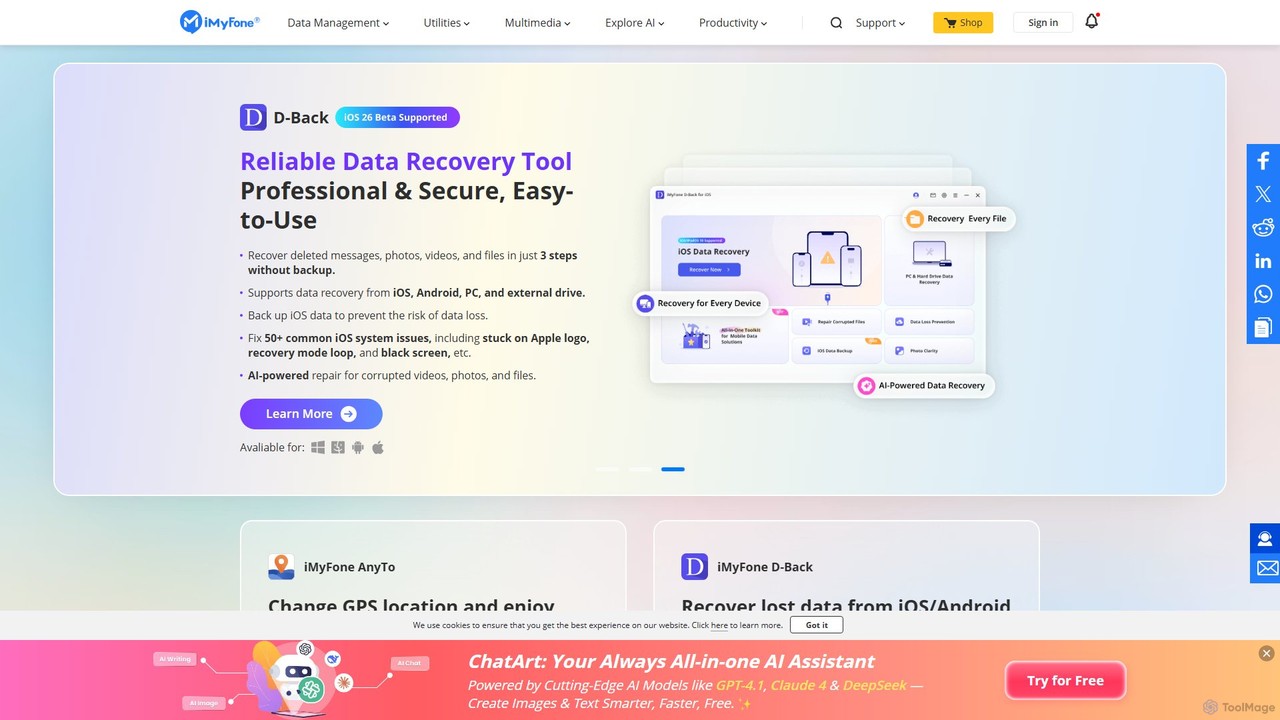
iMyFone offers a comprehensive suite of AI-powered software solutions for iOS, Android, Windows, and Mac. It specializes in data recovery, system repair, password unlocking, and creative content generation. With tools like the offline AI assistant Nut Studio and the versatile ChatArt, iMyFone empowers users to solve complex digital problems and enhance productivity with cutting-edge artificial intelligence.

Personal Assistant
Visits 3MFavorites 154Likes 162
OmnesLink
Freemium

OmnesLink

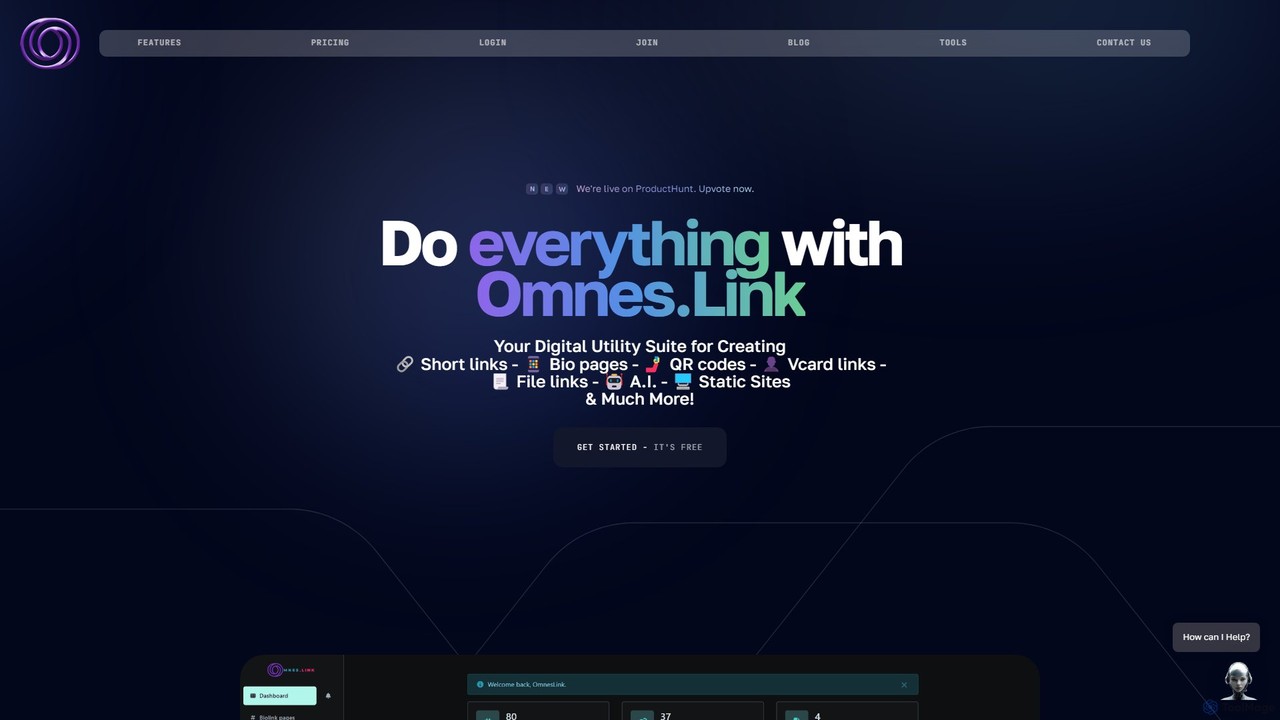
OmnesLink is an AI-powered, all-in-one digital utility suite, a "digital Swissknife" for marketers and creators. It integrates tools for creating short links, bio pages, QR codes, static sites, and Vcards, alongside powerful AI for text and image generation, all managed through a comprehensive analytics dashboard.

Writing
Visits 5.2KFavorites 117Likes 139

About Writing

AI Writing tools are a specialized category of AI content generators designed to create, refine, and optimize text-based content. They leverage advanced Large Language Models (LLMs) to understand context, tone, and structure, producing human-like writing for various purposes. These tools are valuable for overcoming writer's block, scaling content production, and maintaining a consistent brand voice across different channels. They go beyond simple text generation by offering features for specific formats like blog posts, ad copy, and professional emails.

Core Features

  • Template-Based Generation: Provides pre-built templates for specific content types like articles, social media posts, and ad copy.
  • Tone and Style Adjustment: Allows users to rewrite text to match different tones, such as formal, casual, persuasive, or empathetic.
  • Grammar and Readability Enhancement: Corrects grammatical errors and improves sentence structure for better clarity and engagement.
  • SEO Content Optimization: Helps integrate relevant keywords and suggests structural improvements to enhance search engine rankings.
  • Content Expansion and Summarization: Capable of expanding on a brief idea to create a full paragraph or summarizing long documents into key points.

Use Cases

These tools are widely used by content marketers, copywriters, social media managers, and business professionals. They are essential for drafting marketing campaigns, generating blog content, writing professional correspondence, and creating engaging social media updates. Students and academics also use them for paraphrasing and improving the clarity of their research papers.

How to Choose

When selecting an AI Writing tool, consider the quality and coherence of the generated text. Evaluate the variety and relevance of available content templates. Check for multi-language support, integration capabilities with platforms like WordPress or Shopify, and the robustness of its SEO features. Finally, compare pricing models to find one that aligns with your content volume and budget.

Writing use cases

1

Accelerate Blog Post and Article Creation

A content marketer for a SaaS company needs to publish two high-quality, SEO-optimized blog posts per week to drive organic traffic. Using an AI Writing tool, they input a target keyword and a brief outline. The tool generates a complete first draft, including an introduction, structured body paragraphs with subheadings, and a conclusion. The marketer then spends about 20% of their time editing, fact-checking, and adding their unique brand voice, reducing the total content creation time by over 70% and allowing them to focus on strategy and promotion.

2

Generate High-Converting Ad Copy

An e-commerce manager running campaigns on social media and search engines needs to create multiple variations of ad copy to A/B test. They use an AI Writing tool's ad copy template, providing the product name, key features, and target audience. The tool instantly generates dozens of headlines and descriptions in different styles (e.g., witty, urgent, benefit-focused). This allows the manager to quickly launch diverse ad sets, identify the most effective messaging, and improve campaign ROI without spending hours brainstorming copy variations.

3

Draft Professional Emails and Communications

A business development manager needs to send personalized outreach emails to 50 potential clients. Instead of writing each one from scratch, they use an AI Writing tool. They create a base template and use the tool's 'rewrite' and 'tone adjustment' features to quickly generate variations for different industries and contact persons. The tool helps craft compelling subject lines and clear calls-to-action, ensuring a professional and effective communication style. This process cuts down drafting time by 80%, allowing the manager to focus on building relationships with leads who respond.

4

Create Engaging Social Media Content Calendars

A social media manager is responsible for planning a month's worth of content across Instagram, Twitter, and LinkedIn. They use an AI Writing tool to brainstorm content ideas based on industry trends and upcoming holidays. For each idea, the tool generates platform-specific captions, including relevant hashtags and emojis. It can also rephrase the same core message for different platforms, creating a casual tone for Instagram and a professional one for LinkedIn. This automates the most time-consuming part of content planning, freeing up the manager to focus on community engagement and performance analysis.

5

Paraphrase and Improve Academic Writing

A university student is writing a literature review and needs to synthesize information from multiple sources without plagiarizing. They use an AI Writing tool's paraphrasing function to rephrase complex sentences and technical jargon into clearer language. The tool also helps check for grammatical consistency and improves the overall flow and readability of their paper. This allows the student to express complex ideas accurately in their own words, maintain academic integrity, and produce a more polished and professional final draft for submission.

6

Optimize E-commerce Product Descriptions

An online store owner with hundreds of products needs to write unique, compelling, and SEO-friendly descriptions for each item. This manual task would take weeks. By using an AI Writing tool, they can upload a CSV file with product names and key features. The tool then batch-generates descriptions for all products, incorporating persuasive language and relevant keywords. The owner can set a consistent tone and format, ensuring all product pages are professional and optimized for search, leading to better visibility and higher conversion rates.

Writing FAQ

What are AI Writing tools?

AI Writing tools are software applications that use artificial intelligence, specifically large language models, to generate, rewrite, and optimize human-like text. Unlike simple text editors, they can create original content from prompts, adapt the writing style and tone, and structure text for specific formats like blog posts, emails, or ad copy. Key features often include content templates, grammar correction, plagiarism checking, and SEO optimization, making them powerful assistants for anyone involved in content creation.

How to choose the right AI Writing tool?

To choose the right AI Writing tool, consider these key factors:

  • Output Quality: Evaluate the coherence, accuracy, and naturalness of the generated text. Test it with prompts relevant to your needs.
  • Features and Templates: Ensure the tool offers the specific formats you need (e.g., blog posts, ad copy, technical writing) and features like tone adjustment or SEO analysis.
  • Ease of Use: The interface should be intuitive, allowing you to generate and refine content efficiently without a steep learning curve.
  • Integrations: Check if it integrates with your existing workflow tools, such as WordPress, Google Docs, or social media schedulers.
  • Pricing: Compare plans based on your expected usage (word count, number of users) and ensure the cost aligns with the value it provides.
What's the difference between an AI Writing tool and a grammar checker?

The primary difference lies in their core function: creation versus correction. A grammar checker, like basic spell-check or Grammarly, identifies and corrects errors in existing text—such as spelling, punctuation, and grammatical mistakes. An AI Writing tool, on the other hand, is a generative tool. It can create entirely new text from scratch based on a user's prompt. While many AI writing tools include advanced grammar checking, their main purpose is to draft articles, write ad copy, brainstorm ideas, and rewrite content in different tones, functions that go far beyond simple error correction.

Can AI Writing tools replace human writers?

AI Writing tools are best viewed as powerful assistants or co-pilots, not replacements for human writers. They excel at automating repetitive tasks, generating ideas, creating first drafts, and overcoming writer's block. However, they currently lack the deep contextual understanding, critical thinking, creativity, and emotional intelligence that a human writer brings. Human oversight is essential for fact-checking, ensuring brand voice alignment, strategic content planning, and adding unique insights. The most effective approach is a collaboration where writers leverage AI to enhance their productivity and creativity.

What types of content can AI Writing tools generate?

AI Writing tools are versatile and can generate a wide array of text-based content. Common examples include:

  • Marketing Content: Blog posts, articles, SEO content, ad copy (for Google, Facebook, etc.), social media captions, and email newsletters.
  • Business Communications: Professional emails, press releases, business plans, and reports.
  • E-commerce: Product descriptions, customer reviews, and FAQ answers.
  • Creative Writing: Story plots, video scripts, song lyrics, and poetry.
  • Academic Content: Essay outlines, summaries of research papers, and paraphrased text.

The quality and suitability of the output often depend on the specific tool's training and the quality of the user's input prompt.