Marketing Best in category 1 results Virtual Events AI Tool

Popular AI tools in the Virtual Events field of Marketing include Versy.ai, etc., helping you quickly improve efficiency.

Versy.ai

Versy.ai

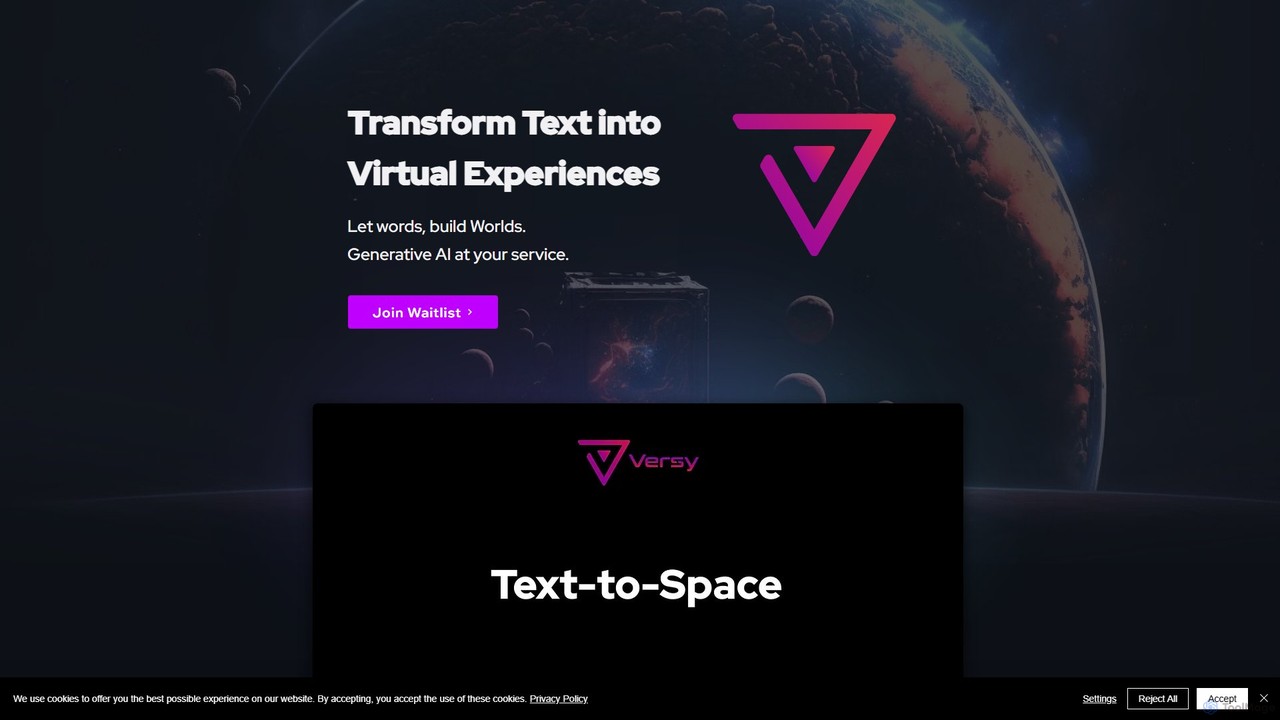
Versy.ai is a generative AI platform that transforms text prompts into immersive, interactive virtual experiences. It enables users …

4.1K

About Virtual Events

Virtual Events tools are AI-powered platforms designed to create, manage, and host immersive online events. They leverage AI for features like intelligent attendee matchmaking, real-time engagement analytics, and personalized content recommendations. These tools enable organizations to reach a global audience, reduce logistical costs, and capture rich data insights from webinars, virtual conferences, and online trade shows. Unlike simple video conferencing software, these platforms focus on recreating the interactive and networking aspects of physical events in a digital environment.

Core Features

  • AI-Powered Matchmaking: Intelligently connects attendees with similar interests, speakers, or exhibitors to foster meaningful networking.
  • Interactive Virtual Venues: Offers customizable 3D spaces, virtual booths, and networking lounges to simulate a physical event experience.
  • Engagement Analytics: Tracks attendee behavior, session popularity, interaction levels, and sentiment in real-time.
  • Automated Content Management: Helps organize session schedules, speaker profiles, on-demand video libraries, and downloadable resources.
  • Multilingual Support: Provides real-time captions and translations to cater to a diverse, global audience.

Use Cases

Marketing teams, event organizers, and corporate training departments use these tools extensively. They are ideal for hosting large-scale international conferences, industry-specific trade shows, internal company all-hands meetings, and product launch events. These platforms provide a scalable and data-driven alternative to physical gatherings, enabling broader reach and deeper engagement measurement.

How to Choose

When selecting a Virtual Events tool, consider the platform's scalability for your expected audience size and its level of customization for branding virtual spaces. Evaluate its integration capabilities with CRM and marketing automation systems. Also, assess the robustness of its analytics for measuring event ROI and the quality of its interactive features like polls, Q&A, and networking lounges.

Virtual EventsUse Cases

1

Host a Global Technology Conference

An international tech company uses a virtual event platform to host its annual developer conference. The tool's AI matchmaking connects developers with relevant experts and sponsors, while interactive Q&A sessions and virtual workshops are managed seamlessly. Post-event analytics provide deep insights into session popularity and audience engagement, helping shape future content strategy and measure event ROI effectively.

2

Organize a Virtual University Open Day

A university admissions team creates an immersive virtual campus for prospective students. They set up departmental virtual booths, host live-streamed presentations from faculty, and use AI chatbots to answer common queries 24/7. This approach allows students from different countries to explore facilities and interact with staff without travel constraints, significantly widening the applicant pool and improving accessibility.

3

Conduct a Hybrid Corporate Sales Kick-off

A multinational corporation hosts a hybrid sales kick-off, with teams attending both in-person and remotely. The virtual event platform syncs the experience, streaming main stage keynotes live and providing virtual breakout rooms for remote attendees. AI-powered networking tools suggest connections between in-person and virtual participants, fostering a unified team culture and ensuring equal opportunities for engagement.

4

Launch a New Product with a Virtual Trade Show

A consumer electronics brand launches a new product by hosting a virtual trade show. They design interactive 3D product booths where attendees can view demos, download brochures, and chat with sales representatives. The platform captures lead information from every interaction, such as booth visits and content downloads, automatically syncing it with the company's CRM for immediate follow-up by the sales team.

5

Deliver Certified Professional Training Programs

A professional association offers certification courses through a virtual event platform. The tool facilitates live instruction, on-demand learning modules, and interactive assessments. It tracks participant progress and engagement, automatically issuing certificates upon completion. This approach makes professional development more accessible and cost-effective for members worldwide, removing geographical barriers to learning.

6

Create an Internal Employee Engagement Fair

A large enterprise's HR department organizes a virtual fair to promote internal mobility and employee resource groups. Employees create avatars, explore different departmental 'booths,' and network with colleagues in virtual lounges. The platform's gamification features, like leaderboards and scavenger hunts, boost participation and make the internal event more engaging and memorable, strengthening corporate culture in a remote-first environment.

Virtual EventsFrequently Asked Questions