3D Best in category 2 results World Generation AI Tool

Popular AI tools in the World Generation field of 3D include Opus、Versy.ai, etc., helping you quickly improve efficiency.

Versy.ai

Versy.ai

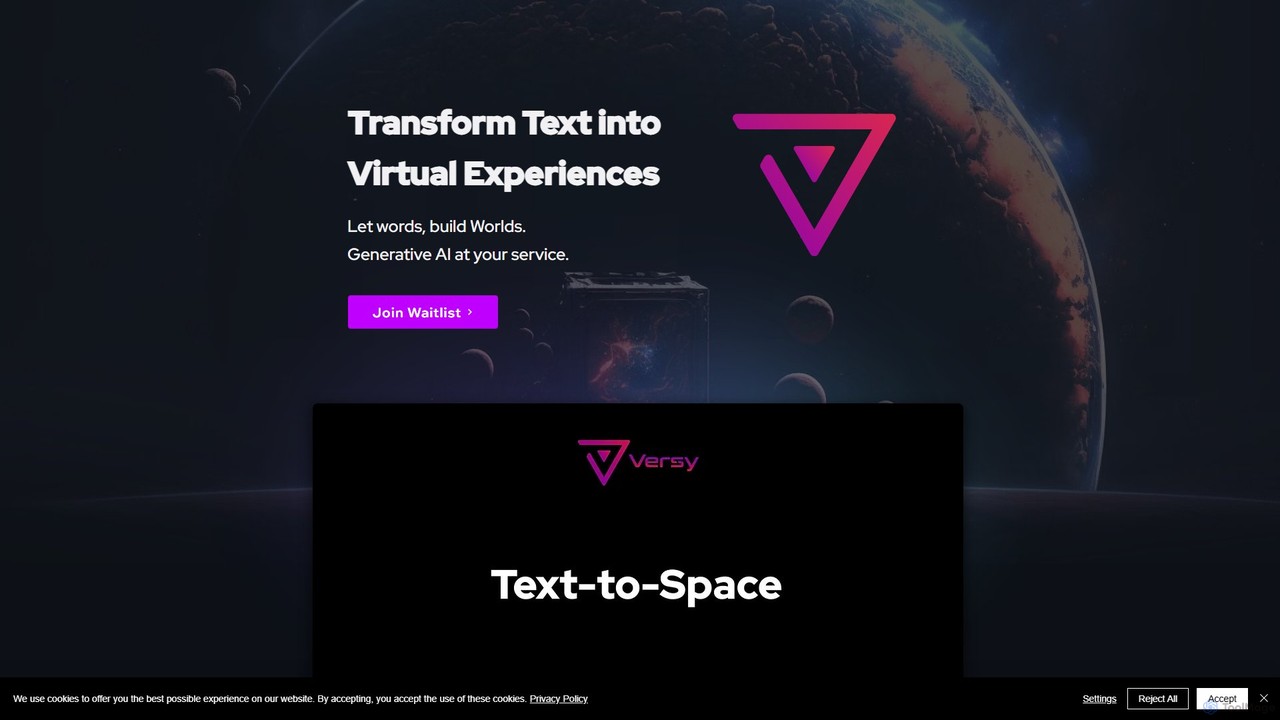
Versy.ai is a generative AI platform that transforms text prompts into immersive, interactive virtual experiences. It enables users …

3.8K
Opus

Opus

Opus is a generative AI platform that transforms text into dynamic, 3D virtual worlds and video content. Designed …

150.4K

About World Generation

World Generation tools are AI-powered platforms that automate the creation of vast and intricate virtual environments, a specialized subset within 3D content creation. These tools leverage advanced algorithms and procedural generation techniques to design diverse landscapes, complex ecosystems, cities, or even entire planets. They significantly reduce the manual design time required for populating large-scale 3D projects, enabling creators to rapidly prototype and build immersive worlds for games, simulations, and virtual reality applications. This technology transforms conceptual ideas into detailed, explorable digital spaces with unprecedented speed and efficiency.

Core Features

  • Procedural Landscape Generation: Automatically creates diverse terrains, mountains, valleys, and bodies of water based on user-defined parameters.
  • Ecosystem & Biome Placement: Intelligently populates worlds with vegetation, wildlife, and environmental elements suitable for specific biomes.
  • City & Structure Generation: Designs complex urban layouts, buildings, and infrastructure, adhering to architectural styles and functional requirements.
  • Material & Texture Application: Applies realistic textures and materials to generated surfaces, enhancing visual fidelity and realism.
  • Dynamic Weather & Lighting: Simulates realistic weather patterns, day-night cycles, and atmospheric effects within the generated world.

Applicable Scenarios

These tools are indispensable for game developers prototyping open-world maps, filmmakers creating expansive digital backdrops for visual effects, and architects visualizing large-scale urban developments. They streamline the creation of complex 3D environments across various industries.

How to Choose

When selecting a World Generation tool, consider its generation scope and detail capabilities (e.g., planet vs. single scene), the level of customization and control it offers over generated elements, and its integration compatibility with your existing 3D modeling or game engine software (e.g., Unity, Unreal Engine, Blender). Also, evaluate the quality and variety of its built-in asset library and its ability to maintain a consistent artistic style.

World GenerationUse Cases

1

Game Level Design & Prototyping

Game developers utilize AI world generation to quickly create vast open-world maps, intricate dungeons, or diverse planetary surfaces. This allows for rapid iteration and testing of gameplay mechanics and exploration before detailed manual asset placement, significantly accelerating the development cycle.

2

Virtual Reality (VR) Environment Creation

VR experience designers leverage these tools to build expansive, immersive virtual worlds for training simulations, interactive storytelling, or social VR platforms. They provide rich, detailed backdrops that enhance user engagement and presence within virtual spaces.

3

Film & Animation Digital Set Extension

Filmmakers and animators employ world generation to create breathtaking digital landscapes, futuristic cities, or alien planets as background extensions for visual effects. This saves significant time and resources compared to traditional 3D modeling for large-scale environments.

4

Architectural & Urban Planning Visualization

Urban planners and architects utilize AI to generate realistic cityscapes, suburban developments, or natural park environments for large-scale visualization projects. This aids in design review, public presentations, and understanding the impact of proposed developments.

5

Simulation & Training Scenarios

Developers of simulation software, such as those for autonomous driving, flight training, or disaster response, use world generation to create diverse and realistic training environments. This allows AI agents or human trainees to interact with varied and complex conditions safely.

6

Fantasy Map & Lore Creation

Authors, Dungeon Masters, and world-builders use these tools to visualize and explore their fictional realms. By generating detailed geographical features, settlements, and even historical elements, they can enrich their narratives and create more consistent and believable fantasy worlds.

World GenerationFrequently Asked Questions