ToolMage
Sign in

Best 3 Avatar Generation AI tools for 3D

Popular Avatar Generation AI tools in 3D include Avatar SDK, in3d, and Copresence, helping you work more efficiently.

Avatar SDK
Freemium

Avatar SDK

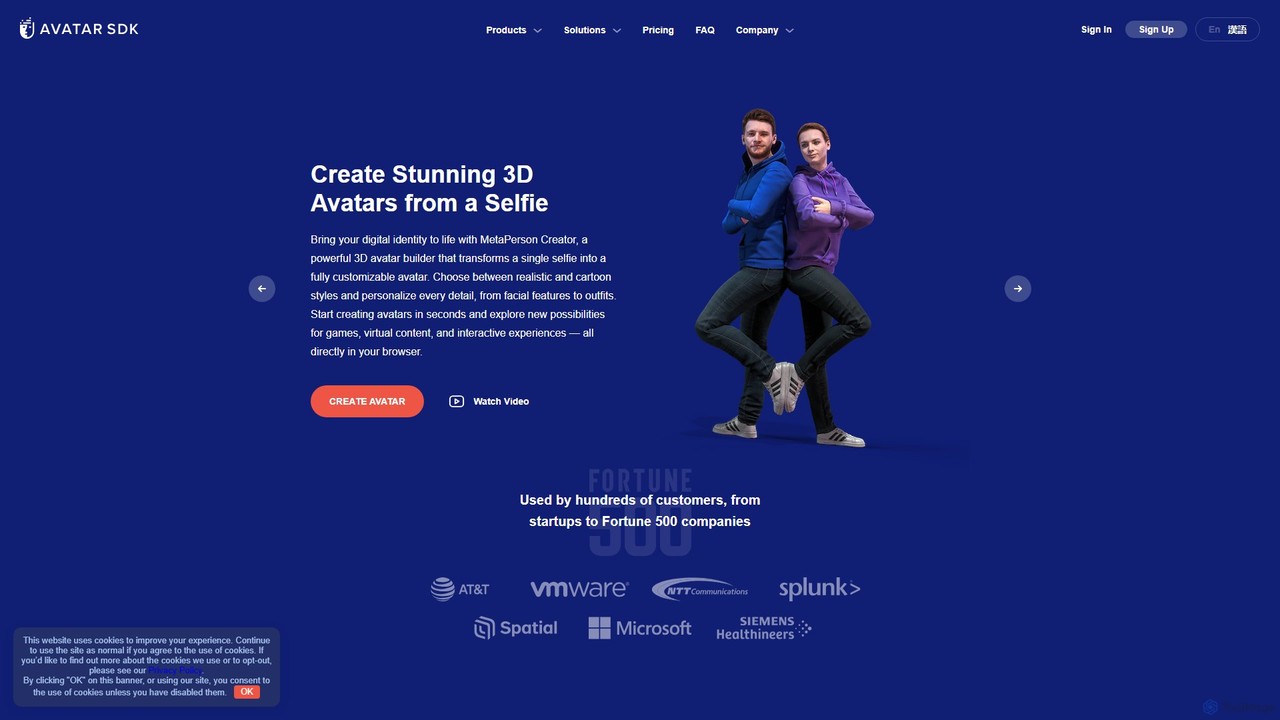
An advanced AI-powered Software Development Kit (SDK) for creating realistic and customizable 3D avatars from a single 2D photo. Ideal for games, metaverses, and virtual communication applications.

Avatar Generation
Visits 93.3KFavorites 123Likes 123
in3d
Freemium

in3d

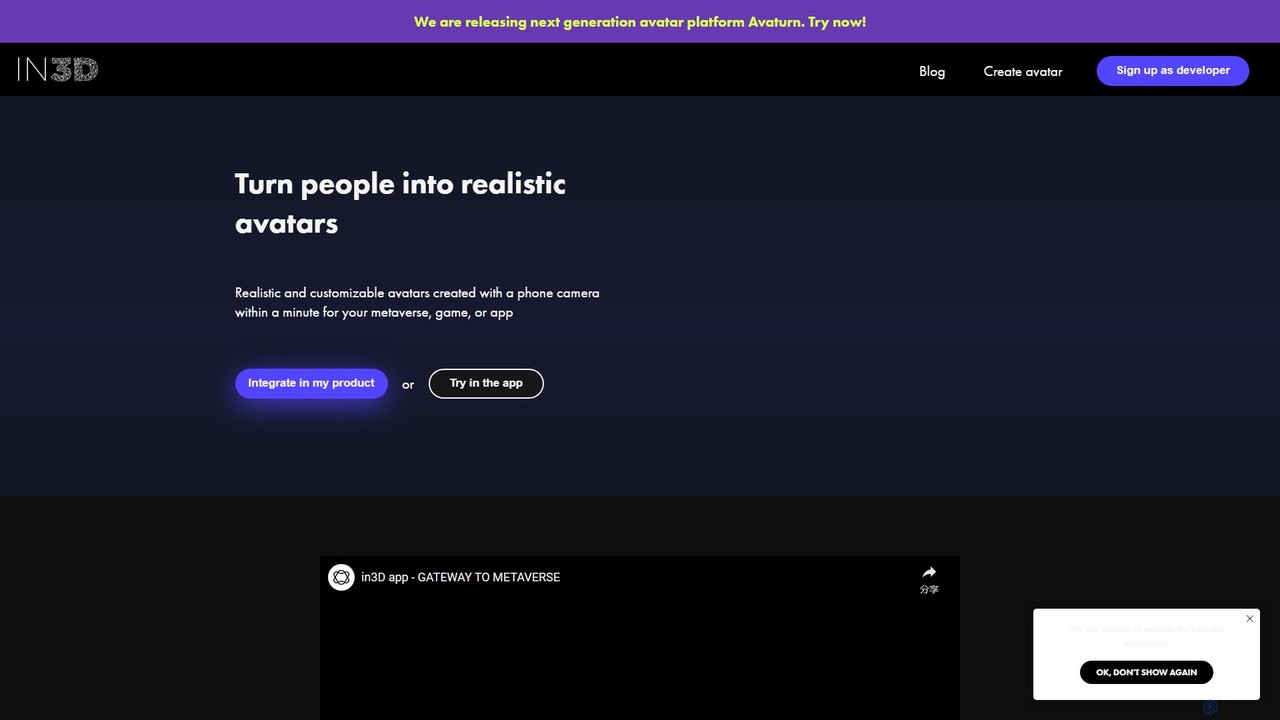
in3d is an AI-powered platform that enables users to create realistic, customizable 3D avatars from a simple phone camera scan in under a minute. It provides SDKs for easy integration into games, metaverses, and applications on Unity, Unreal Engine, and the web.

Avatar Generation
Visits 12.1KFavorites 113Likes 116
Copresence
Paid

Copresence

Copresence is an AI-powered platform that enables users to create photorealistic, fully rigged 3D head avatars using just a smartphone. In minutes, it transforms a simple face scan into a high-quality digital twin, compatible with major game engines, VR/AR applications, and VFX workflows, bridging the gap between the physical and virtual worlds.

Avatar Generation
Visits 5.1KFavorites 127Likes 127

About Avatar Generation

Avatar Generation tools are AI applications that create personalized digital representations of users or characters. These tools utilize advanced models to transform photos, text descriptions, or user inputs into unique 2D images or 3D models. They are widely used for establishing distinct online identities across social media, gaming, and virtual worlds. Unlike general 3D modeling software, these tools specialize in character creation, offering a streamlined and accessible process for generating expressive and stylized avatars without requiring technical expertise.

Core Features

  • Photo-to-Avatar Conversion: Transforms uploaded photographs into various stylized avatar formats.
  • Text-to-Avatar Creation: Generates unique avatars based on descriptive text prompts.
  • Style Customization: Offers a wide range of artistic styles, such as anime, cartoon, realistic, and fantasy.
  • 3D Model Export: Allows exporting avatars in formats like VRM or FBX for use in games and VR applications.
  • Trait & Accessory Control: Provides detailed options to customize facial features, clothing, hairstyles, and accessories.

Use Cases

These tools are ideal for gamers, streamers, and content creators looking to build a personal brand. They are also popular among social media users creating unique profile pictures and individuals crafting their identity for metaverse platforms. Businesses can use them to design brand mascots or virtual assistants for customer engagement.

How to Choose

When selecting an Avatar Generation tool, consider the desired output style (e.g., realistic vs. cartoon). Evaluate the input method you prefer, whether it's from a photo, text, or manual creation. Determine if you need a simple 2D image or a fully rigged 3D model. Also, assess the level of customization offered and check for compatibility with required export formats like PNG, JPG, or VRM.

Featured tool rankings

Avatar Generation use cases

1

Creating a Unique Social Media Profile Picture

A social media user or influencer looking to enhance their online presence can use an AI Avatar Generator to create a distinctive profile picture. By uploading a few selfies, the tool generates dozens of images in various artistic styles, such as professional headshots, fantasy art, or sci-fi themes. This allows them to stand out from standard photographs, maintain a consistent and memorable brand identity across platforms like Instagram, Twitter, and LinkedIn, and refresh their look without needing a professional photoshoot.

2

Designing a Custom Gaming & Streaming Persona

A gamer or Twitch streamer needs a consistent and recognizable character for their channel. Using an avatar generator, they can create a unique persona that reflects their brand. They can either generate a 2D character for use in overlays, emotes, and channel art, or create a fully rigged 3D model. This 3D avatar, often in VRM format, can be used with vtubing software like VSeeFace or OBS plugins, allowing them to stream as an animated character that mirrors their movements and expressions in real-time, creating a more engaging experience for their audience.

3

Developing Avatars for Metaverse & VR Platforms

An enthusiast of virtual reality or a metaverse user needs a personalized 3D avatar to represent themselves in digital worlds like VRChat or Decentraland. Instead of using generic default avatars, they can use an AI tool to generate a unique 3D model. The process often involves customizing appearance, clothing, and accessories to match their real or desired identity. After creation, they export the avatar in a compatible format (like VRM or FBX) and import it into their chosen platform, enabling a more immersive and personal form of social interaction and exploration in virtual spaces.

4

Generating Character Concepts for Creative Projects

A writer, game developer, or artist often needs quick visual inspiration for characters. Instead of spending hours sketching or searching for references, they can use a text-to-avatar generator. By inputting detailed character descriptions, such as 'a grizzled space pirate with a cybernetic eye and a leather jacket,' the AI can produce multiple visual interpretations in seconds. This rapidly accelerates the brainstorming and concept art phase, providing a concrete visual foundation that can be refined later. It's an efficient way to explore different styles and ideas without requiring advanced drawing skills.

5

Creating a Professional & Branded Virtual Identity

A business professional or remote worker wants a consistent, polished image for online profiles and virtual meetings without always using a real photo or live video. They can use an avatar generator to create a semi-realistic avatar that reflects their professional persona. This avatar can be used as a profile picture on LinkedIn, Slack, and company directories. For video calls, it can serve as a static image or be integrated with tools that animate the avatar's mouth with audio, maintaining a professional presence while enhancing personal privacy and reducing 'Zoom fatigue'.

6

Producing Diverse Characters for Marketing Materials

A marketer or small business owner needs a variety of character images for an ad campaign, website, or presentation but has a limited budget for stock photos or custom illustrations. By using an AI avatar generator, they can create a cast of diverse, royalty-free characters that match their brand's style and target audience. They can specify traits like age, ethnicity, and attire to ensure inclusivity. This approach provides unique, on-brand visuals, avoids recurring licensing fees, and allows for quick iteration and creation of new characters as marketing needs evolve.

Avatar Generation FAQ

What is an AI Avatar Generator?

An AI Avatar Generator is a tool that uses artificial intelligence to create digital characters or profile pictures. Users can typically generate avatars by uploading their photos, which the AI reinterprets in various styles, or by providing text descriptions. The output can range from 2D cartoon images to realistic portraits and even fully-rigged 3D models for use in virtual reality and gaming. These tools make character creation accessible to everyone, regardless of artistic skill.

How to choose the right AI avatar generator?

To choose the right tool, consider these factors:

  • Output Style: Do you want a realistic, cartoon, anime, or fantasy look? Check the tool's gallery to see if its style matches your preference.
  • Input Method: Do you prefer uploading a photo, writing a text prompt, or customizing from a template?
  • 2D vs. 3D: Determine if you need a static image (2D) for a profile picture or a versatile model (3D) for gaming or VR.
  • Customization Options: Look for tools that offer detailed control over features like clothing, hair, accessories, and expressions if you need a highly specific look.
  • Export Formats: Ensure the tool can export in the format you need, such as PNG/JPG for images or VRM/FBX for 3D models.
What's the difference between an AI Avatar Generator and 3D modeling software?

The main difference is specialization and ease of use. AI Avatar Generators are specialized tools designed for one purpose: creating characters quickly and easily, often without any technical skill. They use AI to automate the process. 3D modeling software (like Blender or Maya) are powerful, general-purpose tools for creating any 3D object, not just characters. They offer infinite control but require significant time, skill, and technical knowledge to master. An avatar generator is for users who want a final character, while 3D software is for creators who want to build something from scratch.

Can AI avatar generators create animated or 3D avatars?

Yes, many advanced avatar generators can create 3D models. While some tools focus on producing static 2D images for profile pictures, others specialize in generating fully-rigged 3D avatars. These models are often provided in standard formats like VRM, FBX, or GLB. A 'rigged' model has a digital skeleton, which allows it to be animated. Users can then import these 3D avatars into other applications, such as vtubing software, game engines (like Unity or Unreal), or metaverse platforms, to bring their characters to life with movement and expressions.

Who typically uses AI Avatar Generation tools?

A wide range of people use these tools. This includes:

  • Social Media Users: To create unique and eye-catching profile pictures.
  • Gamers and Streamers: For building a personal brand and creating virtual personas (VTubers).
  • Content Creators: To generate character art for stories, comics, or videos without needing to draw.
  • Business Professionals: For creating a consistent and private virtual identity for online meetings and profiles.
  • Metaverse Enthusiasts: To design personalized avatars for exploring virtual worlds like VRChat.