ToolMage
Sign in

Best 2 Voice Generation AI tools for Marketing

Popular Voice Generation AI tools in Marketing include SteosVoice and MicVoice.ai, helping you work more efficiently.

MicVoice.ai
Freemium

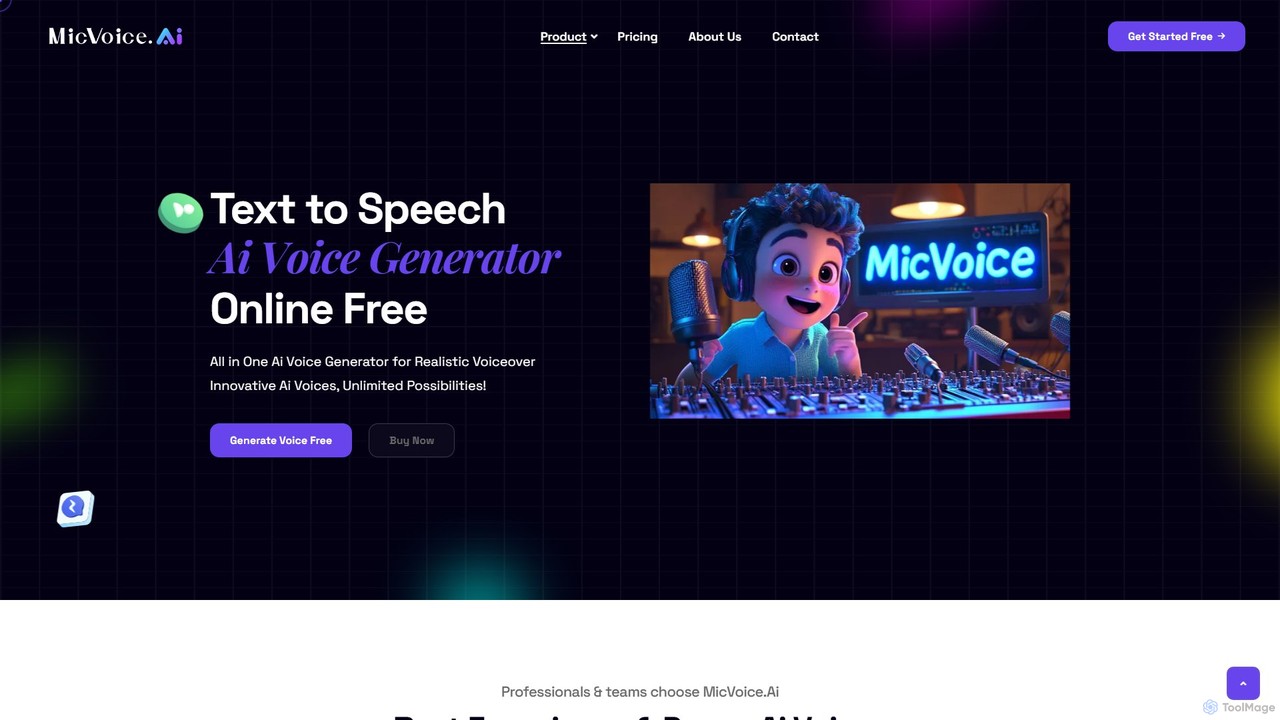
MicVoice.ai

MicVoice.ai is an advanced AI voice generator that converts text to natural-sounding speech. It offers text-to-speech, voice cloning, and voice changing capabilities, supporting various inputs like text, PDF, and JPG. Ideal for content creators, marketers, and educators to produce high-quality voiceovers for audiobooks, ads, and e-learning.

Text To Speech
Visits 7.3KFavorites 112Likes 106
SteosVoice
Freemium

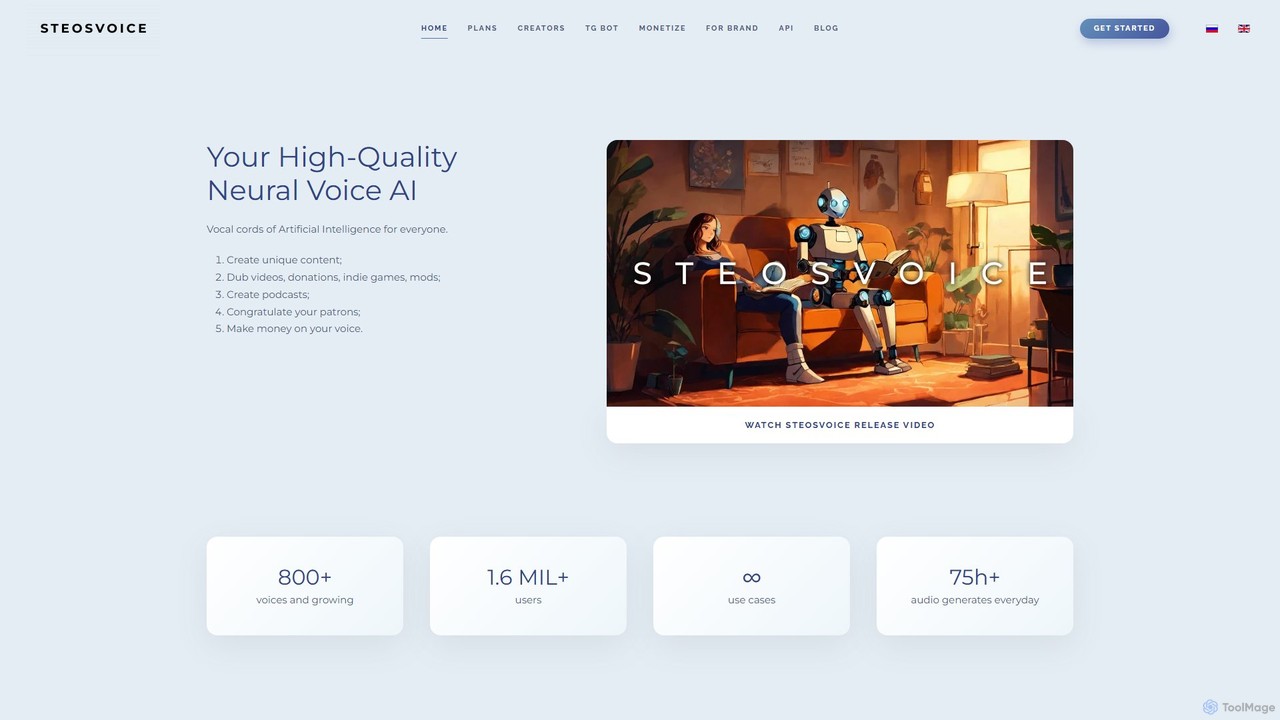
SteosVoice

SteosVoice (formerly CyberVoice) is a high-quality neural voice AI platform that generates realistic speech from text. With over 800 voices, it serves content creators, businesses, and game developers for dubbing, podcasts, audio articles, and more. It offers both a free Telegram bot for quick tasks and comprehensive paid plans for commercial use.

Text To Speech
Visits 47.7KFavorites 167Likes 152

About Voice Generation

Voice Generation tools are AI-powered platforms that create realistic, human-like speech from text. Leveraging advanced text-to-speech (TTS) and deep learning models, these tools synthesize audio in various languages, accents, and emotional tones. They are essential for creating scalable marketing content, such as video narrations, podcast ads, and interactive voice responses, without the need for human voice actors. Many platforms also offer voice cloning capabilities, allowing brands to create a unique and consistent audio identity.

Core Features

  • Text-to-Speech (TTS) Conversion: Converts written scripts into high-quality, natural-sounding audio files.
  • Voice Customization: Allows adjustment of pitch, speed, pauses, and emotional tone to match specific content needs.
  • Multi-Language & Accent Support: Generates speech in numerous languages and regional accents for global audiences.
  • Voice Cloning: Creates a digital replica of a specific voice from a short audio sample for consistent branding.
  • API Access: Enables integration of voice generation capabilities directly into applications and automated workflows.

Use Cases

Primarily used in marketing, content creation, and customer experience, these tools are ideal for producing voiceovers for promotional videos, generating audio for e-learning modules, and creating dynamic ad creatives. They are also valuable for developing accessible content and building interactive voice response (IVR) systems.

How to Choose

When selecting a Voice Generation tool, consider the naturalness and quality of the voices, the range of available languages and accents, the ease of use of the editing interface, and the pricing model (e.g., per character or subscription). Also, evaluate the commercial usage rights and API availability for integration needs.

Voice Generation use cases

1

Create Voiceovers for Marketing Videos

Marketing teams use Voice Generation tools to produce professional narrations for product demos, social media ads, and explainer videos. Instead of hiring voice actors and booking studio time, they can paste a script, select a brand-aligned voice, and generate the audio in minutes. This significantly reduces production costs and time, allowing for rapid A/B testing of different ad copies and tones to optimize campaign performance.

2

Generate Audio for E-Learning & Training

Corporate trainers and instructional designers utilize these tools to convert training materials, manuals, and presentations into engaging audio content. This makes learning more accessible for auditory learners and employees on the go. The ability to easily update scripts and regenerate audio ensures that training content remains current without requiring costly and time-consuming re-recording sessions.

3

Produce Scalable Podcast Advertisements

For podcast networks and advertisers, Voice Generation tools enable the creation of multiple ad variations tailored to different shows or listener segments. Advertisers can quickly generate localized ads with regional accents or test different calls-to-action. This scalability allows for efficient production of dynamic ad insertions, maximizing relevance and return on investment.

4

Develop Interactive Voice Response (IVR) Systems

Customer service departments and developers use Voice Generation APIs to create natural-sounding prompts for IVR and automated phone systems. This improves the customer experience by replacing robotic, disjointed messages with smooth, human-like speech. It also allows for dynamic, personalized messages to be generated in real-time based on customer data, such as using a customer's name or referencing their recent order.

5

Create Audio Versions of Blog Posts & Articles

Content creators and publishers can increase the reach of their written content by offering audio versions. Using a Voice Generation tool, they can automatically convert articles into listenable formats for their website or podcast feed. This caters to audiences who prefer consuming content while commuting, exercising, or multitasking, boosting engagement and time on site.

6

Localize Global Advertising Campaigns

International marketing teams can adapt a single video ad for multiple regions by generating voiceovers in various languages and accents. This ensures brand messaging is consistent globally while sounding authentic and local to each target market. It eliminates the logistical complexity and high cost of coordinating with multiple voice actors and studios across different countries, enabling faster campaign rollouts.

Voice Generation FAQ

What is AI Voice Generation?

AI Voice Generation, also known as Text-to-Speech (TTS), is a technology that uses artificial intelligence to convert written text into audible, human-like speech. Unlike traditional robotic TTS, modern AI models analyze text for context and emotion, producing audio with natural intonations, pauses, and inflections. These tools are widely used in marketing for creating voiceovers, podcast ads, and accessible content.

How to choose the right Voice Generation tool for marketing?

To choose the right tool for marketing, evaluate these key factors:

  • Voice Quality: Listen to samples to ensure the voices sound natural and engaging, not robotic.
  • Customization: Check for options to control speed, pitch, and emotional tone to match your brand's voice.
  • Language/Accent Library: Ensure it supports the languages and accents of your target audiences for effective localization.
  • Usage Rights: Verify that the commercial license allows for use in paid advertising and public-facing content.
  • API Access: If you need to automate content creation, check for a well-documented and reliable API.
What is the difference between Voice Generation and Voice Cloning?

Voice Generation typically refers to creating speech from a library of pre-built, synthetic voices. You choose a voice from a list. Voice Cloning is a more advanced feature where the AI learns the unique characteristics of a specific person's voice from an audio sample. It can then generate new speech in that exact voice. Voice cloning is used to create a consistent, branded digital voice or to have a specific person, like a CEO, 'speak' new content without being in a studio.

Can AI-generated voices convey emotion?

Yes, many advanced AI Voice Generation tools can convey a range of emotions. Users can often select styles like 'happy,' 'sad,' 'excited,' or 'professional' from a menu or use specific markup in the text to guide the AI's performance. This capability is crucial for creating engaging marketing content, character voices, and expressive narration that connects with an audience on an emotional level.

Is it legal to use AI-generated voices for commercial purposes?

Yes, it is generally legal to use AI-generated voices from reputable services for commercial purposes, as these platforms have secured the necessary rights for their voice libraries. However, it is crucial to check the terms of service for each tool regarding usage in paid ads or broadcast media. Using voice cloning technology without the explicit consent of the person whose voice is being cloned is unethical and can have serious legal consequences, violating privacy and publicity rights.