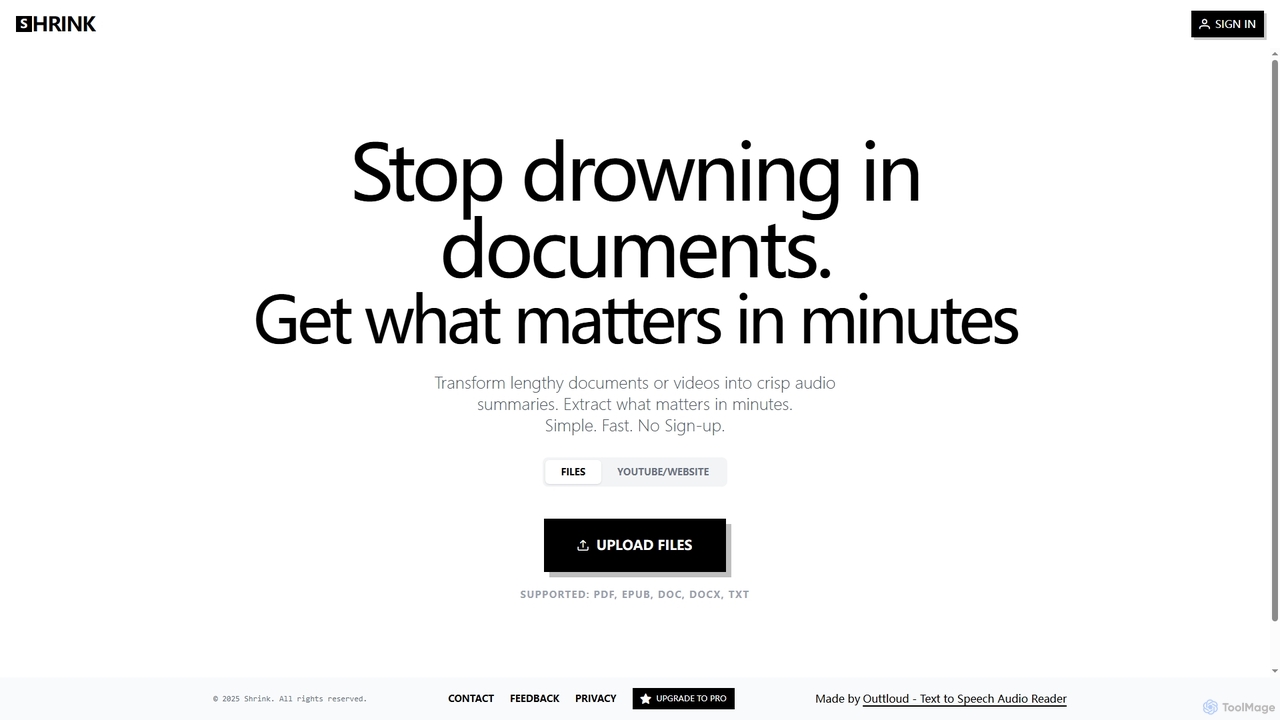
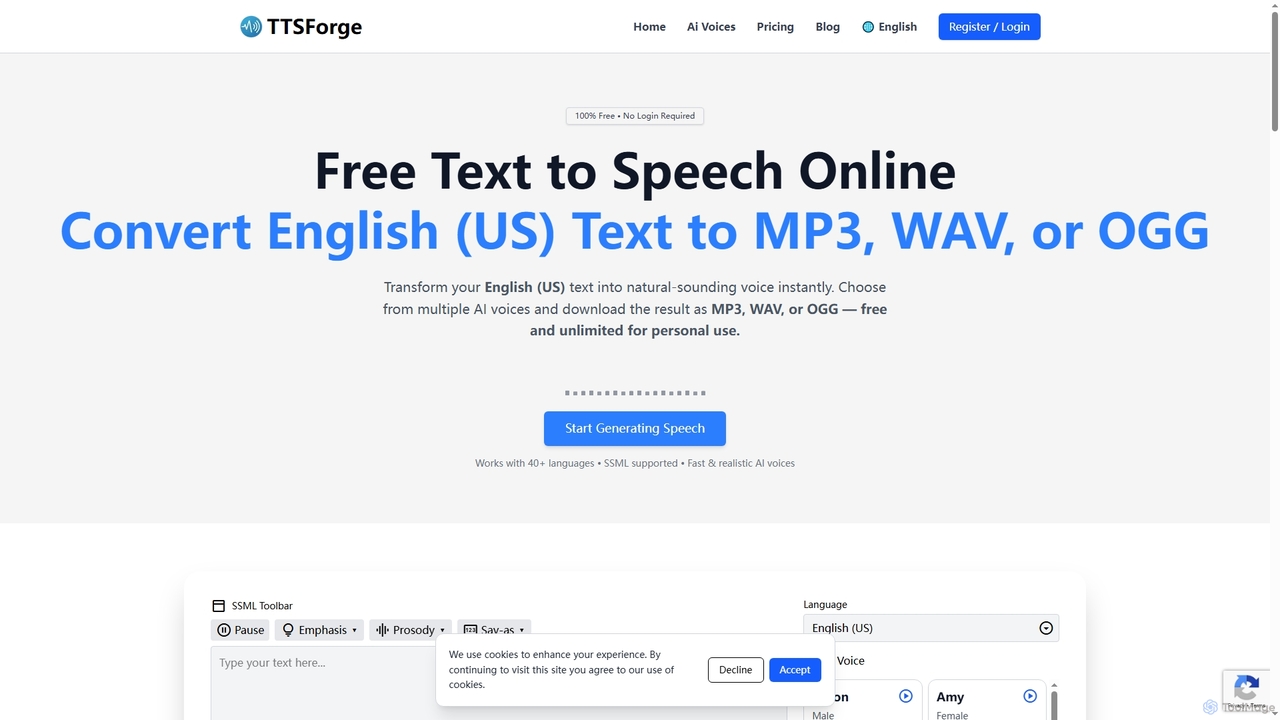
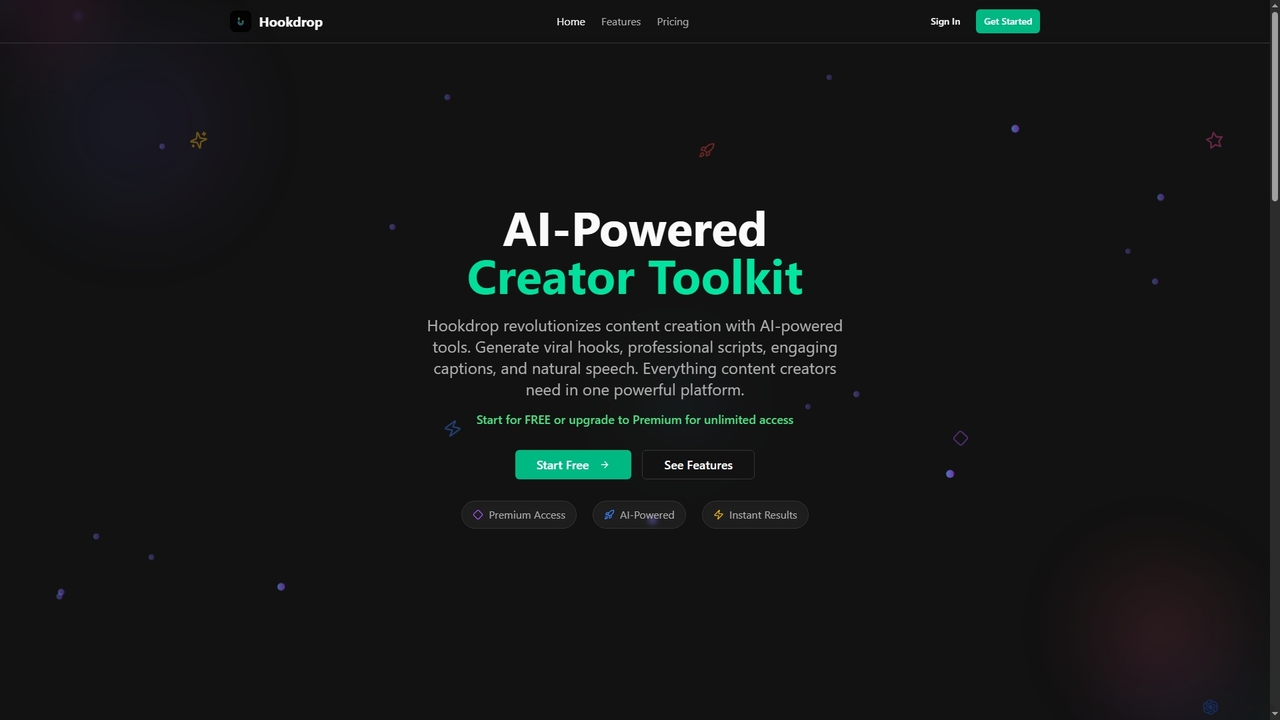
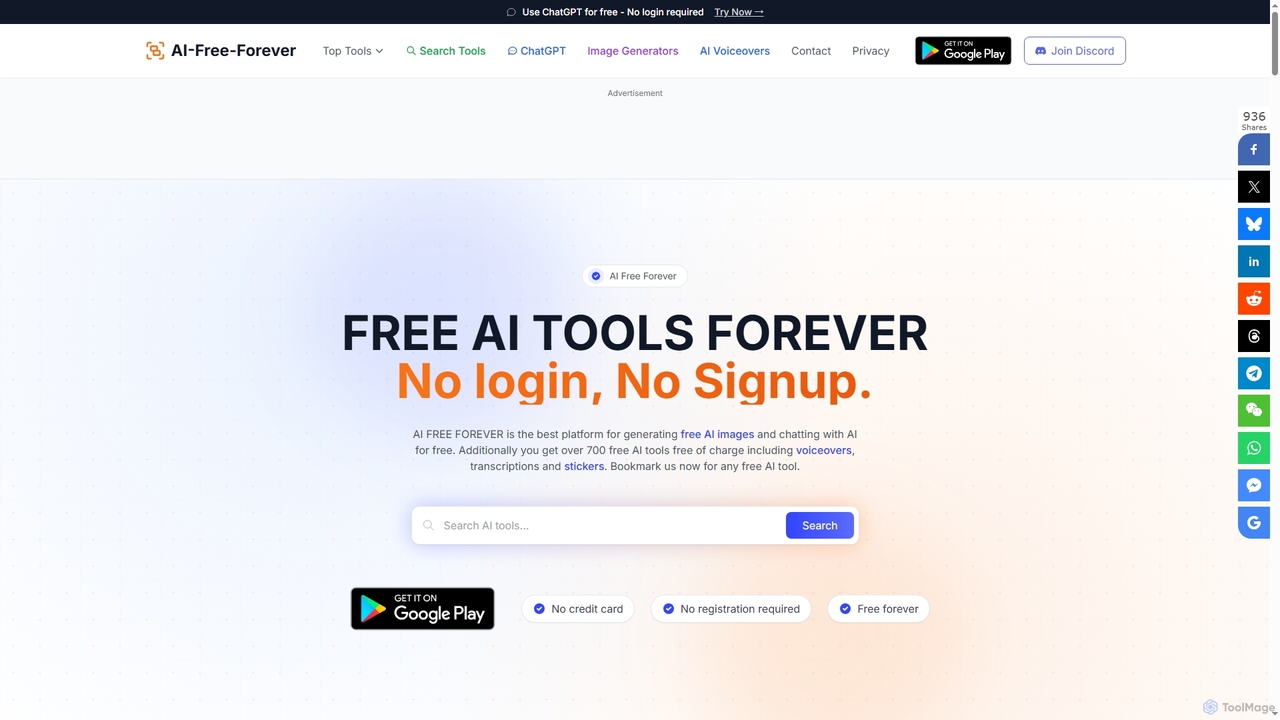
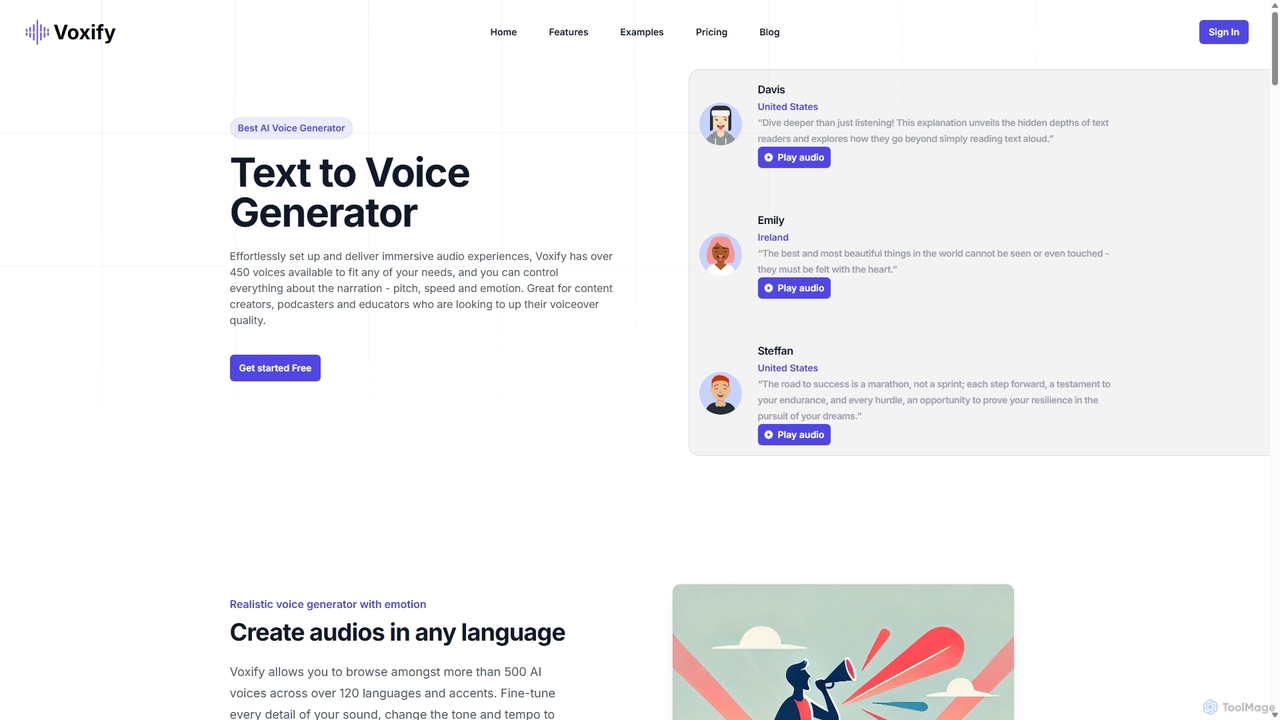
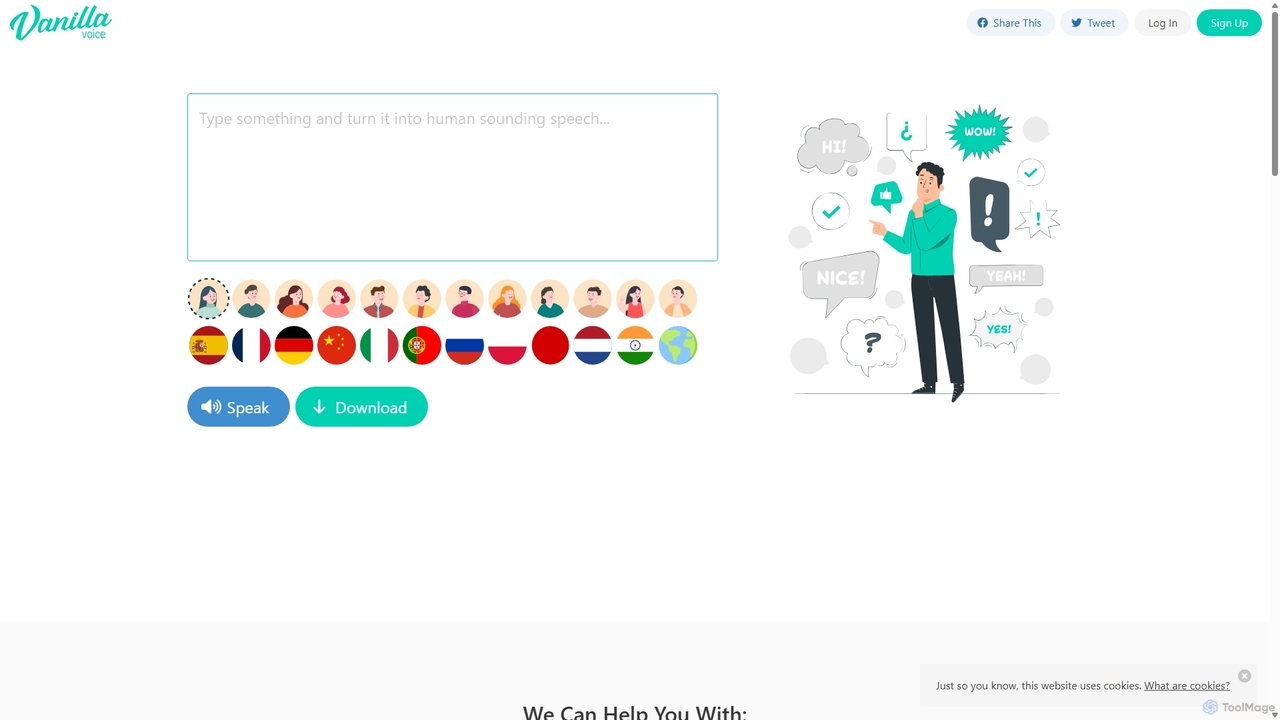
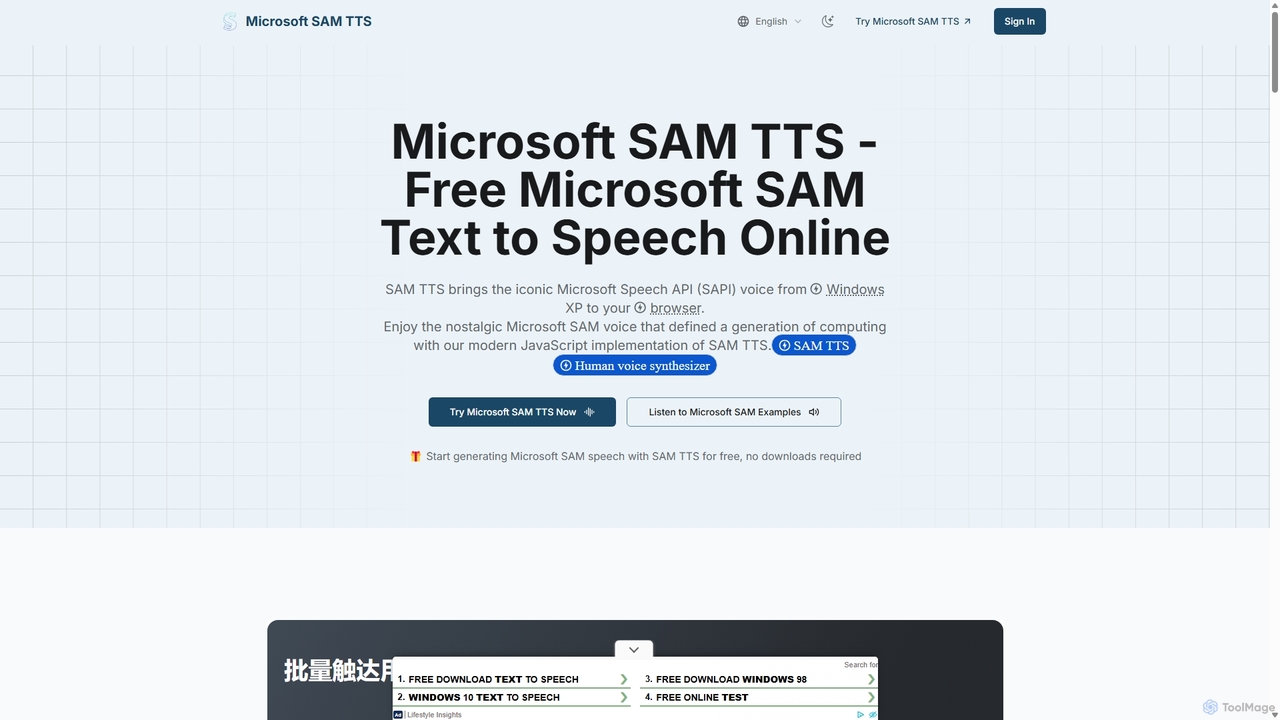
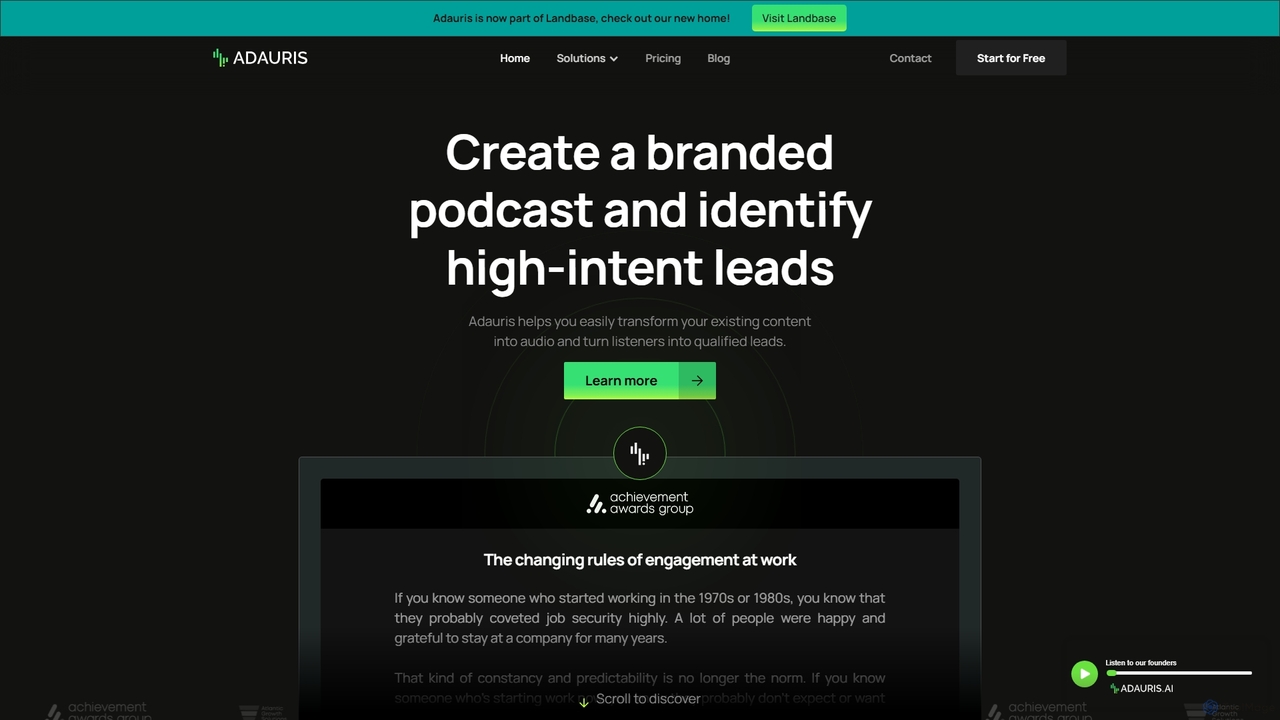
Text To Speech (TTS) tools are AI-powered applications that convert written text into natural-sounding spoken audio. These tools leverage advanced artificial intelligence, natural language processing, and deep learning models to synthesize human-like voices with remarkable accuracy and expressiveness. They provide immense value by enhancing accessibility for diverse users, automating content creation workflows, and enabling new forms of interactive communication across various digital platforms. Modern TTS solutions offer highly customizable voices with emotional nuances, multi-language support, and the ability to fine-tune pronunciation for specific contexts.
Core Features
- Natural Voice Generation: Produces high-quality, human-like voices with realistic intonation, rhythm, and natural pauses, making the audio engaging and easy to understand.
- Multi-language & Accent Support: Generates speech in a wide array of languages and regional accents, allowing creators to reach global audiences with localized content.
- Voice Customization: Offers extensive control over voice parameters, enabling users to adjust pitch, speaking speed, volume, and select from various voice styles or emotional tones to match the content's mood.
- SSML (Speech Synthesis Markup Language) Support: Provides fine-grained control over pronunciation, emphasis, pauses, and speaking styles within the text, ensuring precise delivery of complex scripts.
- Audio Export Options: Enables exporting synthesized speech in common audio formats like MP3, WAV, or OGG, ensuring compatibility and versatile use across different media platforms.
Applicable Scenarios
Text To Speech tools are widely adopted by content creators, educators, and businesses seeking efficient audio solutions. Content creators, including YouTubers, podcasters, and audiobook producers, utilize TTS for generating professional voiceovers for videos, podcasts, and entire audiobooks, significantly saving time and resources compared to traditional recording. E-learning platforms and publishers convert extensive course materials, articles, and documents into audio formats, making education more accessible for visually impaired learners, those with reading difficulties, or individuals who prefer auditory learning on the go. Furthermore, businesses integrate TTS into customer service systems for automated voice prompts, interactive voice response (IVR) menus, and conversational AI, enhancing user experience and streamlining support operations.
How to Choose
When selecting a Text To Speech tool, prioritize voice quality and naturalness to ensure a pleasant and credible listening experience for your audience. Evaluate its language and accent coverage to confirm it supports all your target demographics and regional variations. Consider the level of voice customization offered, such as granular control over pitch, speed, emotional range, and the ability to fine-tune pronunciation, which is crucial for expressive and context-appropriate output. Assess integration capabilities, especially if you need to connect the TTS service with existing applications, content management systems, or development workflows via API. Finally, carefully compare pricing models, which often vary based on character count, usage time, or subscription tiers, to find a cost-effective solution that aligns with your budget and usage volume.