ToolMage
Sign in

Best 5 Voiceover AI tools for Marketing

Popular Voiceover AI tools in Marketing include F5-TTS, Vocu AI, VoiceDesignAI, aivoicecloning, and DeepZen, helping you work more efficiently.

F5-TTS
Freemium

F5-TTS

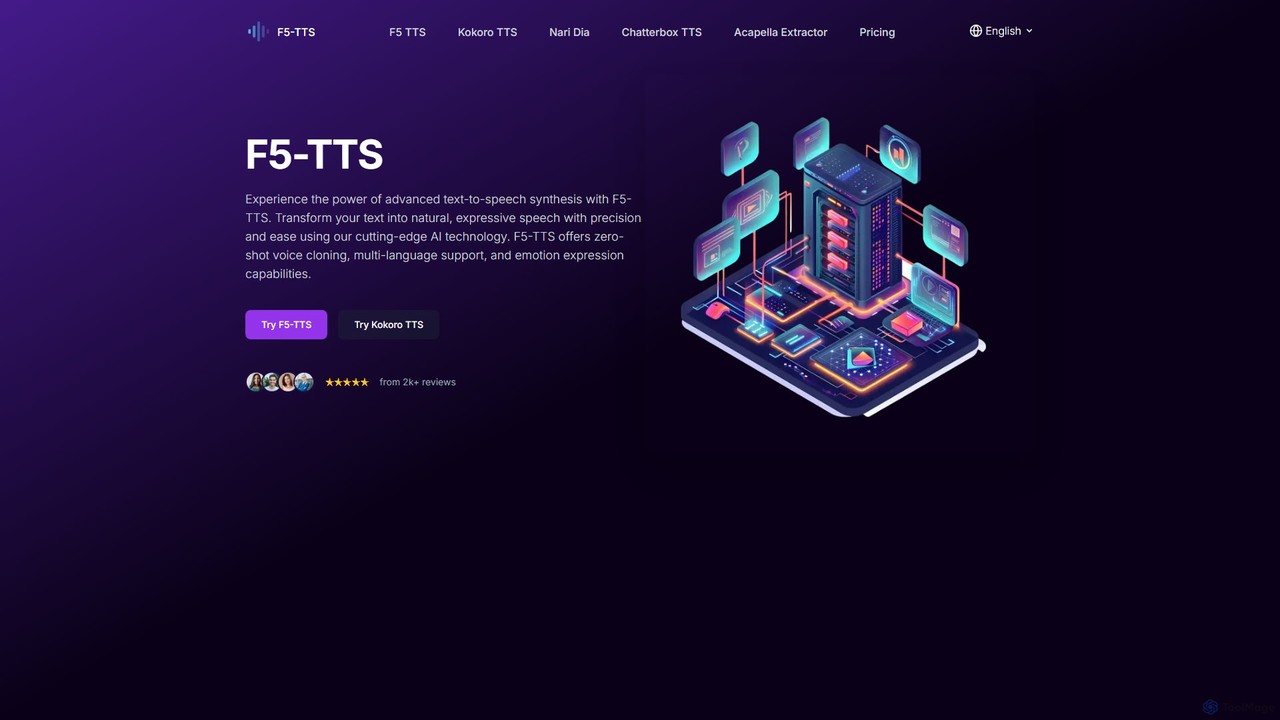
F5-TTS is an advanced AI text-to-speech (TTS) tool that offers free online voice generation. It specializes in zero-shot voice cloning, allowing users to create natural, expressive speech in multiple languages by simply uploading an audio sample. Key features include emotion and speed control, high-quality audio output, and real-time processing, making it ideal for content creators, developers, and marketers.

Text To Speech
Visits 39.5KFavorites 126Likes 133
aivoicecloning
Freemium

aivoicecloning

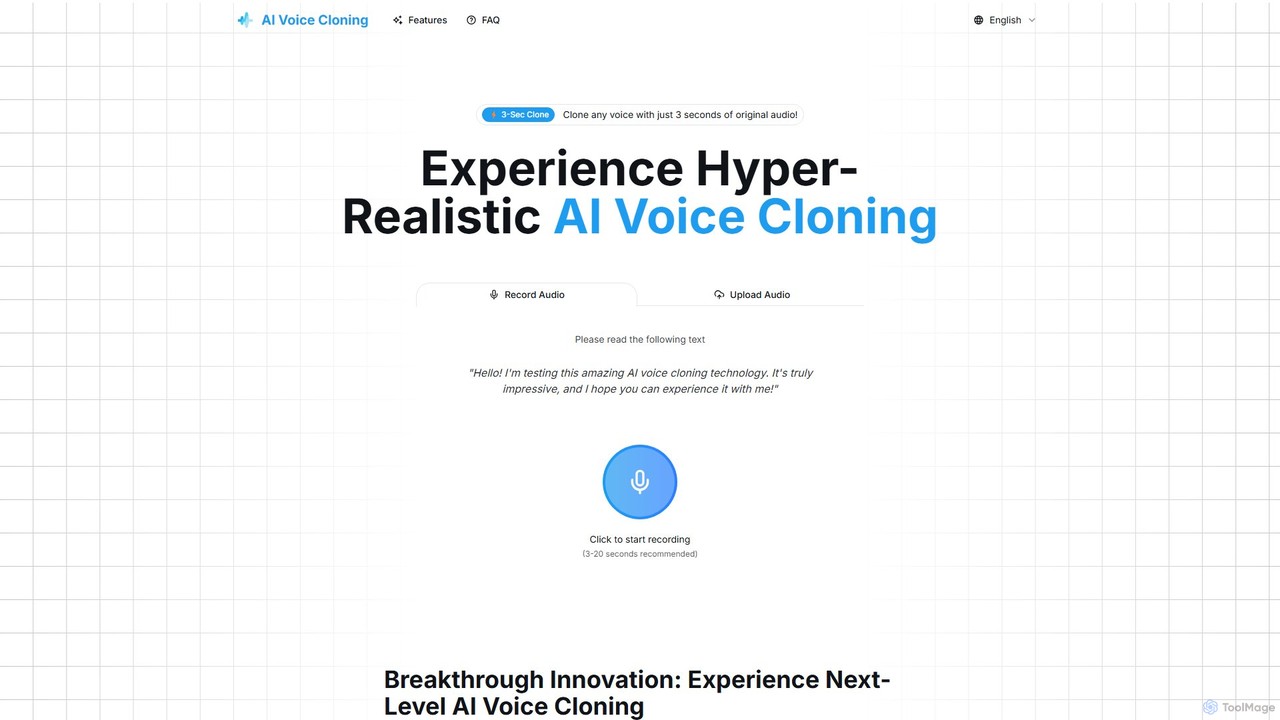
aivoicecloning is a hyper-realistic AI voice generator that can clone any voice from just a 3-second audio sample. It offers high-fidelity, multi-language voice replication for content creators, developers, and businesses, featuring a simple interface and instant audio generation. It supports English, Mandarin, Japanese, and Korean.

Text To Speech
Visits 5.6KFavorites 113Likes 129
VoiceDesignAI
Freemium

VoiceDesignAI

VoiceDesignAI is a free, cutting-edge text-to-speech (TTS) and voice converter powered by advanced AI models like Deepseek, Hailuo, and Grok. It transforms text into natural, expressive, and high-quality audio. The platform supports voice cloning, multi-language synthesis, and real-time processing, making it ideal for content creators, developers, and businesses seeking to enhance their projects with lifelike voiceovers.

Text To Speech
Visits 6.8KFavorites 105Likes 116
Vocu AI
Freemium

Vocu AI

Vocu AI is a pioneering hyper-realistic AI voice synthesis and instant cloning platform. It leverages a state-of-the-art voice model to generate natural, emotionally expressive audio. Clone any voice in seconds with a short sample, create multilingual content, and explore a unique AI Voice Marketplace.

Voice Cloning
Visits 10.1KFavorites 112Likes 116
DeepZen
Paid

DeepZen

DeepZen is an advanced AI voice generation and text-to-speech platform specializing in creating emotionally resonant, human-like audio. It excels at producing long-form content such as audiobooks, podcasts, and marketing voiceovers with unparalleled realism and emotional depth, offering a scalable alternative to traditional voice recording.

Text To Speech
Visits 5.4KFavorites 120Likes 118

About Voiceover

AI Voiceover tools are a class of software that uses advanced text-to-speech (TTS) technology to generate realistic, human-like narration from text. These tools leverage deep learning models to analyze text and produce audio with natural intonation, pacing, and emotion. Within the marketing landscape, they provide a scalable and cost-effective solution for creating high-quality audio content for videos, advertisements, and presentations without the need for traditional recording studios or voice actors. This technology enables rapid content creation and localization across multiple languages.

Core Features

  • Text-to-Speech (TTS) Synthesis: Converts written text into high-fidelity spoken audio in various voices and languages.
  • Voice Cloning: Creates a digital replica of a specific human voice from a small audio sample for consistent branding.
  • Emotional & Tonal Control: Allows users to adjust the emotional tone (e.g., happy, sad, formal) and speech characteristics like pitch, speed, and pauses.
  • Multi-Language & Accent Support: Offers a vast library of voices covering numerous languages and regional accents for global campaigns.
  • Audio Synchronization: Provides tools to align the generated voiceover with video timelines or presentations seamlessly.

Use Cases

AI Voiceover tools are widely used by marketing teams, content creators, and e-learning developers. Common applications include creating narration for promotional videos and social media ads, producing consistent audio for corporate training modules, generating voiceovers for podcasts, and adding audio descriptions to content for accessibility.

How to Choose

When selecting an AI Voiceover tool, evaluate the naturalness and quality of the voices offered. Consider the breadth of the language and accent library to ensure it meets your target audience's needs. Assess the level of customization available for tone and pacing. Finally, carefully review the licensing terms to confirm you have the rights for commercial use of the generated audio.

Voiceover use cases

1

Creating Multilingual Video Ad Narrations

A global marketing manager is tasked with launching a new product campaign across five different countries. Instead of hiring five separate voice actors and coordinating recording sessions, they use an AI voiceover tool. They upload the finalized script and select the appropriate language and a suitable voice for each region. Within an hour, they generate five high-quality, localized voiceovers. This approach reduces production time from weeks to hours and cuts costs by over 80%, allowing the team to allocate budget to media buying and other promotional activities.

2

Producing Corporate E-Learning Modules

An instructional designer at a large corporation needs to create a series of training videos for a new software rollout. Consistency in narration is key for a professional learning experience. Using an AI voiceover tool, they establish a standard corporate voice. As the software is updated, they can easily modify parts of the script and regenerate only the necessary audio segments, rather than re-recording entire modules. This ensures all training materials remain up-to-date and consistent in tone and quality, while significantly speeding up the content update cycle.

3

Automating Podcast Production Workflows

A content creator runs a daily news summary podcast. The process of recording, editing, and mastering audio every day is time-consuming. By integrating an AI voiceover tool, they automate the narration process. A script is automatically pulled from their content management system, converted into audio using a pre-selected AI voice, and then sent to an audio editor for final touches. This automation saves them over two hours per day, allowing them to focus on research and scriptwriting, thereby improving the overall quality and consistency of their podcast.

4

Adding Audio to Articles for Accessibility

A digital publisher wants to make their online magazine more accessible to visually impaired users and cater to audiences who prefer audio content. Manually recording each article is not feasible. They use an AI voiceover tool with an API to automatically convert every new published article into an audio version. An audio player is embedded at the top of each post, offering a 'Listen to this article' option. This initiative significantly broadens their audience reach, improves on-page time, and enhances the site's overall user experience and SEO performance.

5

Developing Interactive Voice Response (IVR) Systems

A developer at a telecommunications company is building a new customer service IVR system. To avoid robotic and unnatural-sounding prompts, they use an AI voiceover API. This allows them to generate dynamic, clear, and friendly voice prompts in real-time. When menu options or promotional messages change, the system can be updated instantly by simply changing the text, without needing new recordings. This results in a more pleasant customer experience, reduced caller frustration, and a more agile and maintainable IVR infrastructure.

6

Creating Character Voices for Indie Games

An independent game developer is creating a story-rich RPG with numerous characters but has a limited budget for voice acting. They use an AI voiceover tool that offers a wide range of character voices and emotional styles. By adjusting pitch, speed, and emotional presets, they can create unique and distinct voices for each character in the game. This allows them to fully voice their game's dialogue, enhancing player immersion and storytelling, at a fraction of the cost of hiring a full cast of voice actors.

Voiceover FAQ

What is an AI Voiceover tool?

An AI Voiceover tool is software that uses text-to-speech (TTS) technology to convert written text into audible, human-like speech. These tools are powered by artificial intelligence and deep learning models trained on vast amounts of voice data. This allows them to generate narration with realistic intonations, rhythms, and emotions. They are commonly used in marketing, e-learning, and content creation to produce voiceovers for videos, podcasts, and presentations quickly and cost-effectively.

How to choose the right AI Voiceover tool?

To choose the right AI Voiceover tool, consider the following factors:

  • Voice Quality: Listen to samples to assess how natural and clear the voices sound. The best tools produce audio that is nearly indistinguishable from human speech.
  • Language and Accent Library: Ensure the tool supports the languages and specific regional accents you need for your target audience.
  • Customization Features: Look for options to control pitch, speed, volume, and pauses. Advanced tools also offer emotional style adjustments.
  • Commercial Rights: Verify the tool's licensing policy. Ensure you have the legal right to use the generated voiceovers in commercial projects like advertisements or monetized content.
  • API Access: If you need to automate voiceover generation at scale, choose a tool that provides a well-documented API for integration.
What's the difference between AI voiceover and traditional voice acting?

The primary difference lies in speed, cost, and creative control. AI voiceover is significantly faster and more affordable, allowing for instant generation and revision of audio from a script. It offers consistency and scalability. Traditional voice acting, performed by human actors, provides a level of emotional nuance, subtlety, and unique character interpretation that AI is still learning to replicate perfectly. While AI excels at clear, consistent narration for marketing or training, traditional acting is often preferred for complex character-driven entertainment or high-end branding where unique human performance is paramount.

Can I use AI-generated voiceovers for commercial projects?

Generally, yes, but it is crucial to check the specific terms of service and licensing agreement of the AI voiceover tool you use. Most reputable providers offer subscription plans that include commercial rights, allowing you to use the generated audio for marketing, YouTube monetization, product sales, and other business purposes. Free or trial versions often have restrictions and may limit usage to non-commercial or personal projects only. Always verify the license to avoid potential copyright issues.

What is voice cloning in AI voiceover tools?

Voice cloning is an advanced feature in some AI voiceover tools that allows you to create a digital replica of a specific person's voice. Typically, this process involves providing a short audio sample of the target voice. The AI then analyzes its unique characteristics—such as pitch, tone, and cadence—and builds a model that can generate new speech in that same voice. This is highly valuable for businesses wanting a consistent brand voice across all audio content, or for creators who want to use their own voice without having to record every new piece of content manually.