Marketing Best in category 1 results Web3 Marketing AI Tool

Popular AI tools in the Web3 Marketing field of Marketing include Ojamu, etc., helping you quickly improve efficiency.

Ojamu

Ojamu

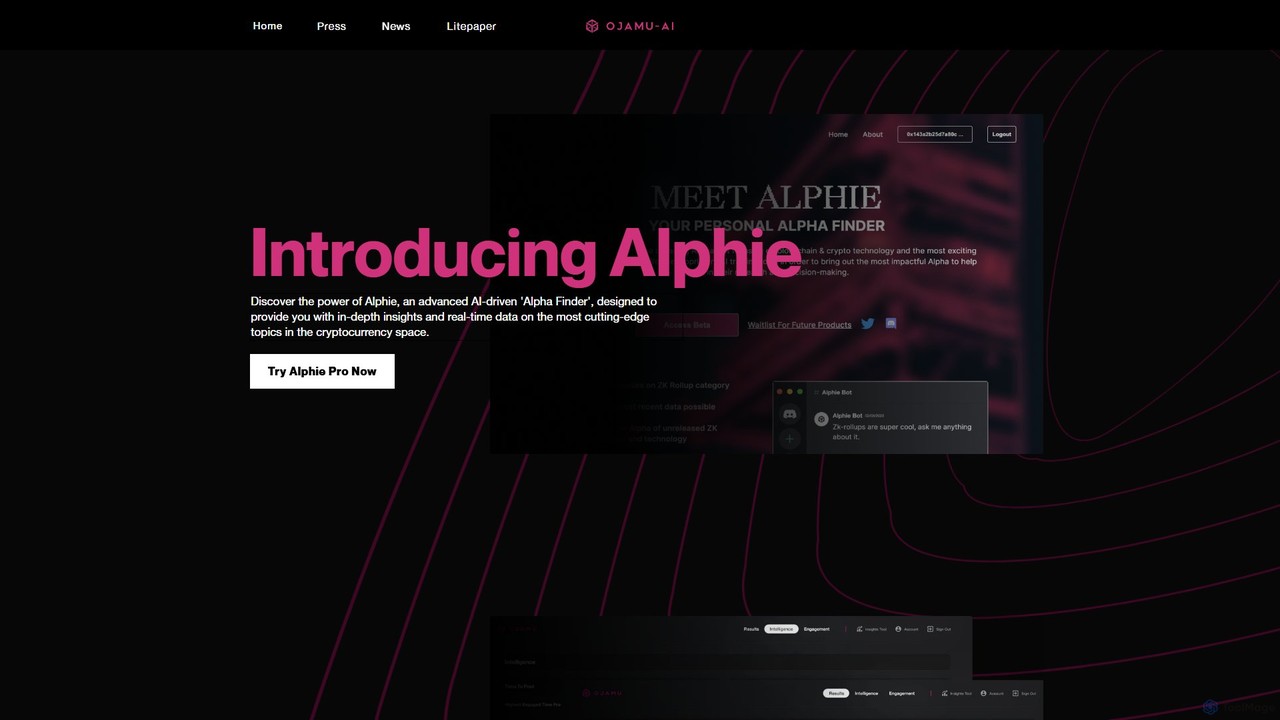
Ojamu is an AI-powered MarTech platform designed for the Web3, blockchain, and metaverse ecosystems. It utilizes AI and …

3.0K

About Web3 Marketing

Web3 Marketing tools are a specialized category of marketing platforms designed to engage audiences using blockchain technology. These tools leverage concepts like NFTs, crypto tokens, and decentralized identities to build direct, transparent relationships with users. They enable brands to create token-gated communities, reward on-chain actions, and analyze wallet data for deeper insights. Unlike traditional marketing, Web3 marketing focuses on community ownership, verifiable participation, and value exchange rather than simple data extraction.

Core Features

  • Token-Gating: Restrict access to content, communities, or events based on ownership of specific NFTs or tokens.
  • On-Chain Analytics: Analyze public blockchain data to understand user behavior, wallet holdings, and transaction patterns.
  • NFT & Token Airdrops: Distribute digital assets directly to user wallets to reward loyalty, attract new users, or grant governance rights.
  • Quest & Campaign Management: Create interactive tasks and reward users for completing specific on-chain or off-chain actions.
  • Wallet-Based Segmentation: Group users based on their wallet activity, asset holdings, and protocol interactions for targeted communication.

Use Cases

These tools are essential for NFT projects, DAOs (Decentralized Autonomous Organizations), GameFi platforms, and brands entering the metaverse. For example, a fashion brand can launch an NFT collection that grants holders exclusive access to new product drops, while a DeFi protocol can use airdrops to bootstrap its community of governance token holders.

How to Choose

When selecting a Web3 Marketing tool, consider its blockchain compatibility (e.g., Ethereum, Solana, Polygon), integration with platforms like Discord and Twitter, and the depth of its on-chain analytics. Also evaluate the user interface's ease of use for non-technical marketers, data privacy policies, and the flexibility of its campaign creation and reward mechanisms.

Web3 MarketingUse Cases

1

Launching an NFT-Based Loyalty Program

A retail brand's marketing team wants to move beyond traditional points-based rewards. Using a Web3 marketing tool, they create and distribute a collection of branded NFTs to their most loyal customers. The tool's token-gating feature is then integrated with their e-commerce site and Discord server. Customers who hold the NFT in their crypto wallet automatically unlock exclusive benefits, such as early access to sales, special discounts, and a private channel for community feedback. This creates a verifiable and tradable form of membership, fostering a stronger sense of brand ownership and community.

2

Driving Community Growth with a Token Airdrop

A new decentralized finance (DeFi) protocol needs to attract early users and build a core community. The project's founders use a Web3 marketing platform to identify active wallets within similar ecosystems. They set up an airdrop campaign to distribute their new governance token to these targeted wallets, as well as to early participants in their own protocol. The platform automates the distribution process, ensuring tokens reach thousands of relevant users securely. This strategy rapidly bootstraps a decentralized community of stakeholders who are financially invested in the project's success.

3

Creating Token-Gated Content for a DAO

A research-focused Decentralized Autonomous Organization (DAO) produces in-depth market analysis reports. To fund their operations and reward members, they use a Web3 marketing tool to implement token-gating. Access to their premium content library and internal discussion forums is restricted to users who hold a certain amount of the DAO's native token. The tool verifies token ownership in real-time, granting or revoking access automatically. This model ensures that only contributing members can benefit from the collective's work, creating a sustainable and exclusive ecosystem.

4

Analyzing On-Chain Data for User Segmentation

The marketing lead for a play-to-earn (P2E) game wants to identify and re-engage high-value players. They connect their game's smart contract to an on-chain analytics tool. The platform analyzes transaction data to segment players into categories like "Whales" (large token holders), "Frequent Traders," and "New Players." Based on these segments, the team can launch targeted campaigns, such as offering exclusive in-game items to whales or providing tutorials and starter packs to new players, optimizing engagement and retention.

5

Running a Quest Campaign for User Onboarding

A new Web3 social media platform aims to guide users through its key features. Using a quest-building tool, the growth team designs an onboarding campaign. New users are presented with a series of tasks, such as creating a profile, making their first post, and connecting their wallet. Each completed task is verified on-chain and automatically rewards the user with experience points (XP) or small amounts of cryptocurrency. This gamified process increases user activation rates and teaches them how to use the platform effectively from day one.

6

Verifying Event Attendance with POAPs

An organizer of a major Web3 conference wants to provide attendees with a digital collectible to commemorate their participation. They use a POAP (Proof of Attendance Protocol) distribution tool. During the event, attendees can scan a QR code to mint a unique, non-transferable NFT badge to their wallet. This serves as a verifiable credential of their attendance, which can be used later to grant access to post-event content, future event discounts, or specific online communities. It transforms a simple attendance record into a valuable digital identity marker.

Web3 MarketingFrequently Asked Questions