ToolMage
Sign in

Best 2 Audio Generation AI tools for Multimedia Creation

Popular Audio Generation AI tools in Multimedia Creation include AI Doc Suite and Wawoo AI, helping you work more efficiently.

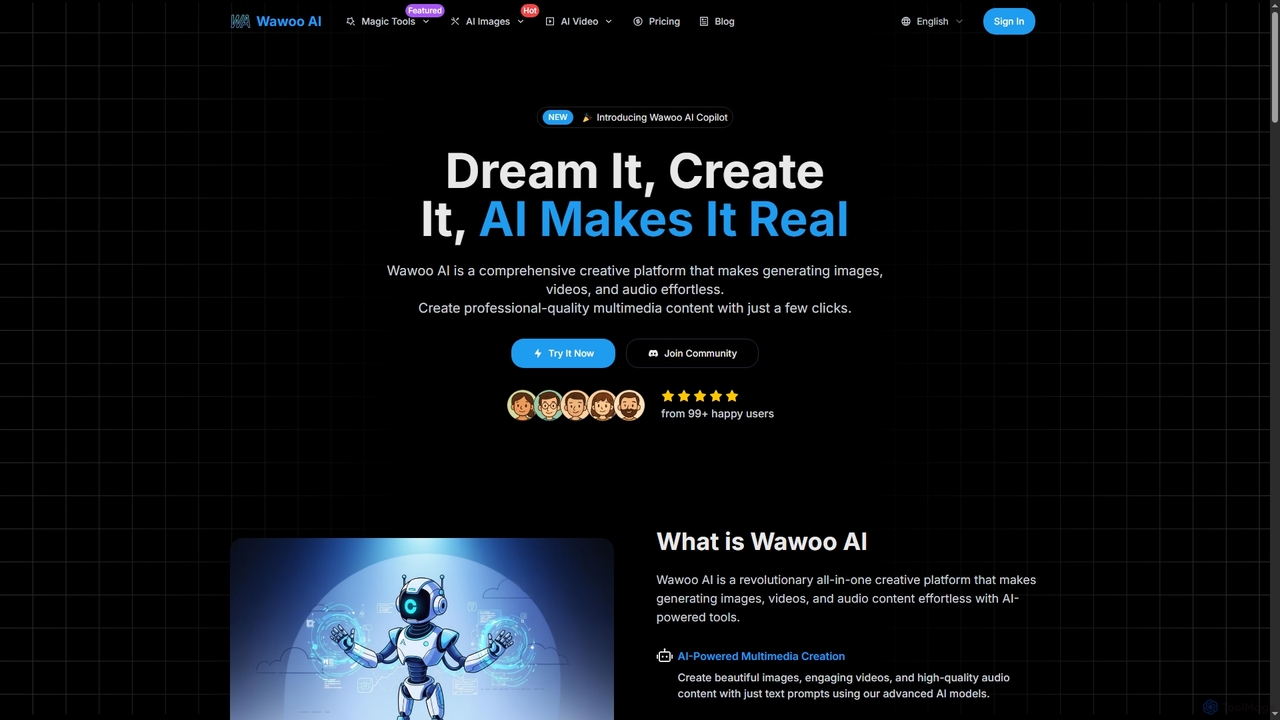
Wawoo AI
Freemium

Wawoo AI

Wawoo AI is an all-in-one creative platform leveraging advanced AI to effortlessly generate professional-quality images, videos, and audio from simple text prompts. It empowers creators of all skill levels to produce stunning multimedia content rapidly, offering features like AI Copilot, multiple AI models, and commercial usage rights.

Digital Art
Visits 5.9KFavorites 113Likes 103
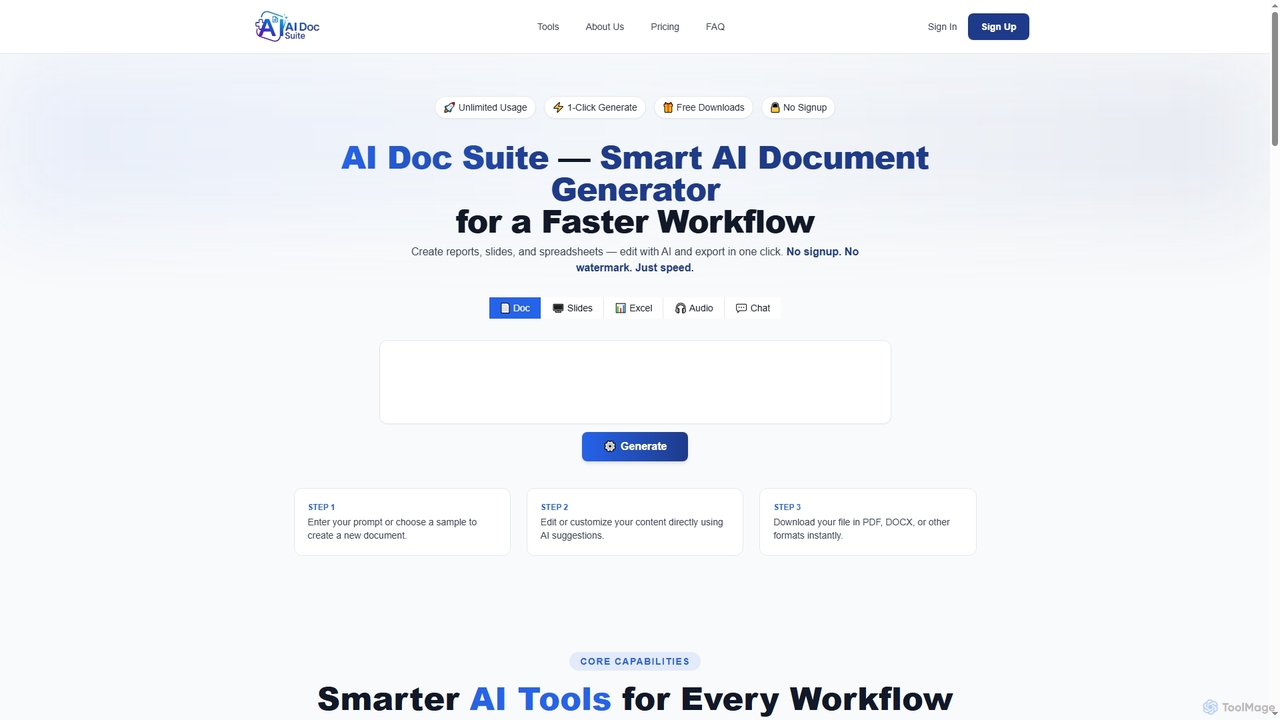
AI Doc Suite
Freemium

AI Doc Suite

AI Doc Suite is an advanced, browser-based AI workspace for creating, editing, and converting professional documents, slides, spreadsheets, audio, images, and videos. It streamlines content generation with intelligent automation and customizable templates, offering a comprehensive solution for various creative and business needs.

Document Sharing
Visits 13.1KFavorites 103Likes 105

About Audio Generation

AI Audio Generation tools are a class of software that use artificial intelligence to create new audio content from scratch. These tools leverage deep learning models, such as text-to-speech (TTS) and generative models, to synthesize realistic human voices, compose original music, or produce unique sound effects based on user inputs like text. They provide a powerful solution for creators and developers to produce high-quality audio for podcasts, videos, and applications without needing traditional recording equipment or licensing expensive stock audio. This technology enables rapid prototyping, content localization, and scalable audio production.

Core Features

  • Text-to-Speech (TTS): Converts written text into natural-sounding speech with various voices, languages, and emotional tones.
  • Music Generation: Creates original, royalty-free musical compositions based on genre, mood, or instrument specifications.
  • Voice Cloning: Replicates a specific person's voice from an audio sample to generate new speech in that voice.
  • Sound Effect Synthesis: Generates custom sound effects (SFX) for films and games based on descriptive text prompts.

Use Cases

These tools are widely used by podcasters, video creators, and e-learning developers for narration and voiceovers. Game developers and app builders use them for character voices and interactive responses. Marketers also leverage these tools for creating audio ads and multilingual content, streamlining production workflows across various media.

How to Choose

Evaluate the audio quality and naturalness of the output. Consider the variety of available voices, languages, and musical styles. For developers, check for API availability and documentation. Finally, carefully review the licensing terms to ensure the generated audio can be used for your intended commercial or personal projects.

Featured tool rankings

Audio Generation use cases

1

Create High-Quality Podcast Voiceovers

Podcasters and content creators can use AI Audio Generation tools to produce consistent and professional-sounding narration for their episodes. Instead of investing in expensive microphones or soundproofing a room, users can simply type or paste their script into the tool. The AI generates a clean, studio-quality audio file in a chosen voice style. This is particularly useful for solo creators, correcting mistakes without re-recording, or producing audio versions of blog posts, significantly reducing production time and costs.

2

Generate Custom Background Music for Videos

Video editors and social media marketers often need unique, royalty-free music to match the tone of their content. AI Music Generation tools allow them to specify a genre (e.g., cinematic, lo-fi, corporate), mood (e.g., uplifting, suspenseful), and duration. The AI then composes an original track that fits these parameters perfectly. This eliminates the time-consuming search for stock music and avoids potential copyright issues, ensuring every video has a custom-tailored soundtrack.

3

Develop Interactive Voice Assistant Responses

Developers building applications, smart devices, or interactive voice response (IVR) systems require dynamic and natural-sounding voice outputs. AI Text-to-Speech (TTS) APIs can be integrated directly into their products. This allows the application to convert real-time information, such as user names, appointment times, or dynamic data, into clear speech. The result is a more engaging and personalized user experience compared to robotic, pre-recorded messages.

4

Prototype Game Character Voices

During the early stages of game development, designers need to experiment with different voices for characters to establish their personality. AI voice cloning and generation tools enable them to quickly create placeholder dialogue. By providing a script and selecting voice characteristics, developers can hear how a character sounds in-game without the immediate cost and time commitment of hiring professional voice actors. This facilitates faster iteration and better creative decision-making.

5

Produce Multilingual Marketing Content

Global companies need to create marketing materials, such as video ads or product tutorials, for audiences in different regions. AI Audio Generation tools with multi-language support can translate a script and generate a native-sounding voiceover in dozens of languages. This process is significantly faster and more cost-effective than hiring and coordinating with multiple voice actors from around the world, enabling businesses to scale their global marketing efforts efficiently.

6

Design Unique Sound Effects for Media

Sound designers for films, animations, or games sometimes require very specific sound effects that are not available in standard libraries. AI sound effect generators can create novel sounds from text descriptions like "a metallic creature walking on a crystal floor" or "a futuristic laser blast echoing in a cave." This provides creative freedom and allows designers to produce a unique auditory landscape that perfectly matches their visual storytelling.

Audio Generation FAQ

What is AI Audio Generation?

AI Audio Generation refers to tools that use artificial intelligence to create new audio content, such as speech, music, or sound effects, from user inputs like text. These tools employ deep learning models to synthesize highly realistic and customizable audio without manual recording. Key capabilities include text-to-speech (TTS), music composition, and voice cloning, making them valuable for content creation, software development, and accessibility.

How do I choose the right AI Audio Generation tool?

To choose the right tool, consider these factors:

  • Audio Quality: Listen to samples to assess the naturalness and clarity of the generated voice or music.
  • Feature Set: Determine if you need text-to-speech, music generation, voice cloning, or specific languages and accents.
  • Customization: Check for options to control tone, pacing, emotion, or musical instruments.
  • Usage Rights: Verify the licensing terms to ensure you can use the audio for commercial purposes if needed.
  • Integration: If you're a developer, look for robust API access and clear documentation.
What's the difference between AI Audio Generation and traditional audio editing software?

The key difference is creation versus manipulation. AI Audio Generation tools create new audio content from scratch based on prompts (like text or parameters). Traditional audio editing software (like Audacity or Adobe Audition) is used to manipulate existing audio recordings—to cut, mix, apply effects, and clean up pre-recorded sound. One generates, the other edits.

Can I use AI-generated audio for commercial purposes?

This depends entirely on the specific tool's terms of service and licensing agreement. Many paid services grant full commercial rights for the audio you create, allowing you to use it in podcasts, videos, and products. However, some free or lower-tier plans may have restrictions. Always read the licensing terms carefully before using generated audio in a commercial project to avoid copyright issues.

What are the main types of AI Audio Generation?

The main types of AI Audio Generation include:

  • Text-to-Speech (TTS): Converts written text into spoken words, often with a wide choice of voices and languages.
  • Music Generation: Composes original musical pieces based on inputs like genre, mood, and tempo.
  • Voice Cloning: Creates a digital replica of a specific voice from an audio sample, which can then speak any text.
  • Sound Effect Generation: Synthesizes unique sound effects from text descriptions for media like games and films.