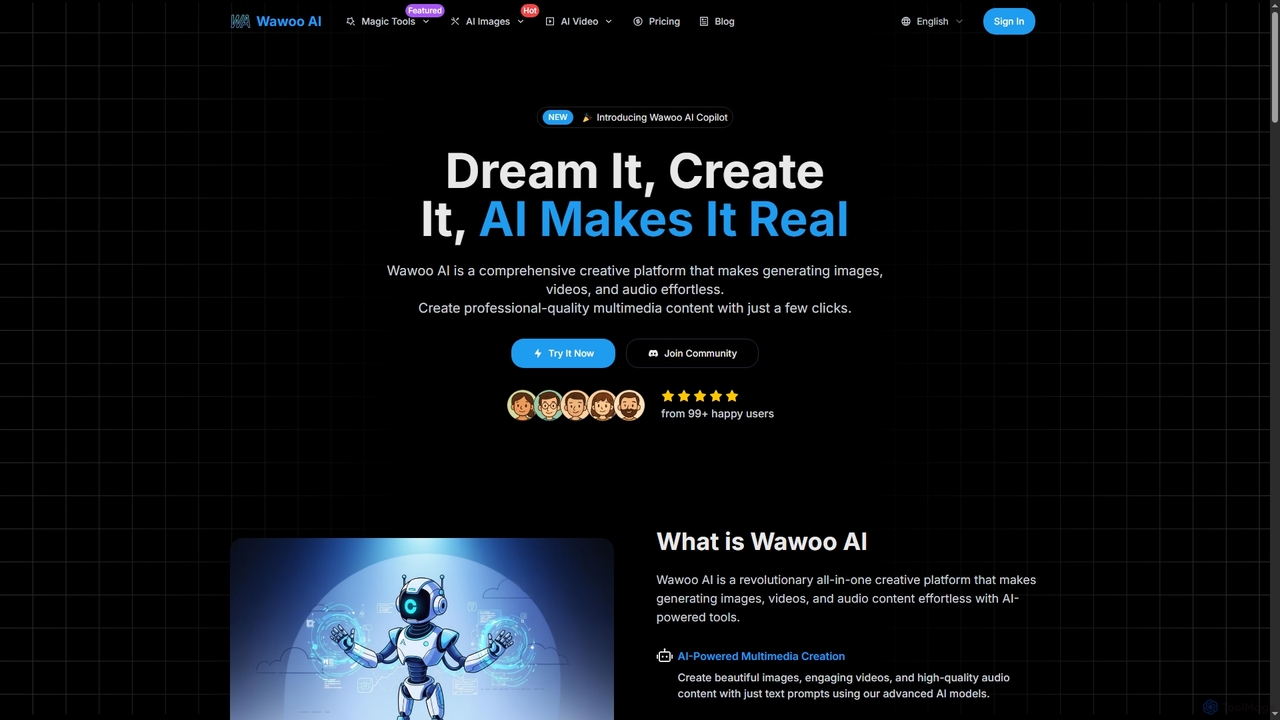
Digital Art tools are a category of AI-powered applications that leverage advanced algorithms to assist artists and creators in generating, transforming, and enhancing visual content. These tools streamline creative workflows, enabling rapid prototyping and exploration of diverse artistic styles within the broader Content Creation domain. They empower users to push creative boundaries, from generating unique concepts to refining existing artworks with unprecedented efficiency.
Core Features
- Generative Image Creation: Produce novel images from text prompts, sketches, or reference photos.
- Style Transfer & Transformation: Apply artistic styles from famous paintings or custom inputs to new or existing visuals.
- Image Upscaling & Enhancement: Increase resolution and add detail to low-quality images or artworks without pixelation.
- Inpainting & Outpainting: Seamlessly fill missing parts of an image or extend its boundaries with AI-generated content.
- 3D Asset & Texture Generation: Create textures, materials, or even basic 3D models from 2D inputs or descriptions.
Use Cases
Digital Art AI tools are indispensable for professionals in creative industries, including game developers, graphic designers, illustrators, and marketing specialists. They are used for accelerating concept development, creating unique visual assets for campaigns, and personal artistic exploration. These tools democratize complex artistic techniques, making advanced visual creation accessible to a wider audience.
How to Choose
When selecting a Digital Art AI tool, consider its generative capabilities, the flexibility of style control, and the quality of output. Evaluate its integration with existing design software, the availability of specific features like inpainting or 3D generation, and the licensing terms for commercial use. User interface intuitiveness and community support are also crucial for a smooth creative process.