Samudra Sahayak
An AI-powered smart fishing assistant for Indian fishermen. It provides AI-predicted potential fishing zones, real-time weather alerts, GPS …
An AI-powered smart fishing assistant for Indian fishermen. It provides AI-predicted potential fishing zones, real-time weather alerts, GPS navigation, emergency SOS, and a catch logging system to enhance safety, efficiency, and profitability at sea.
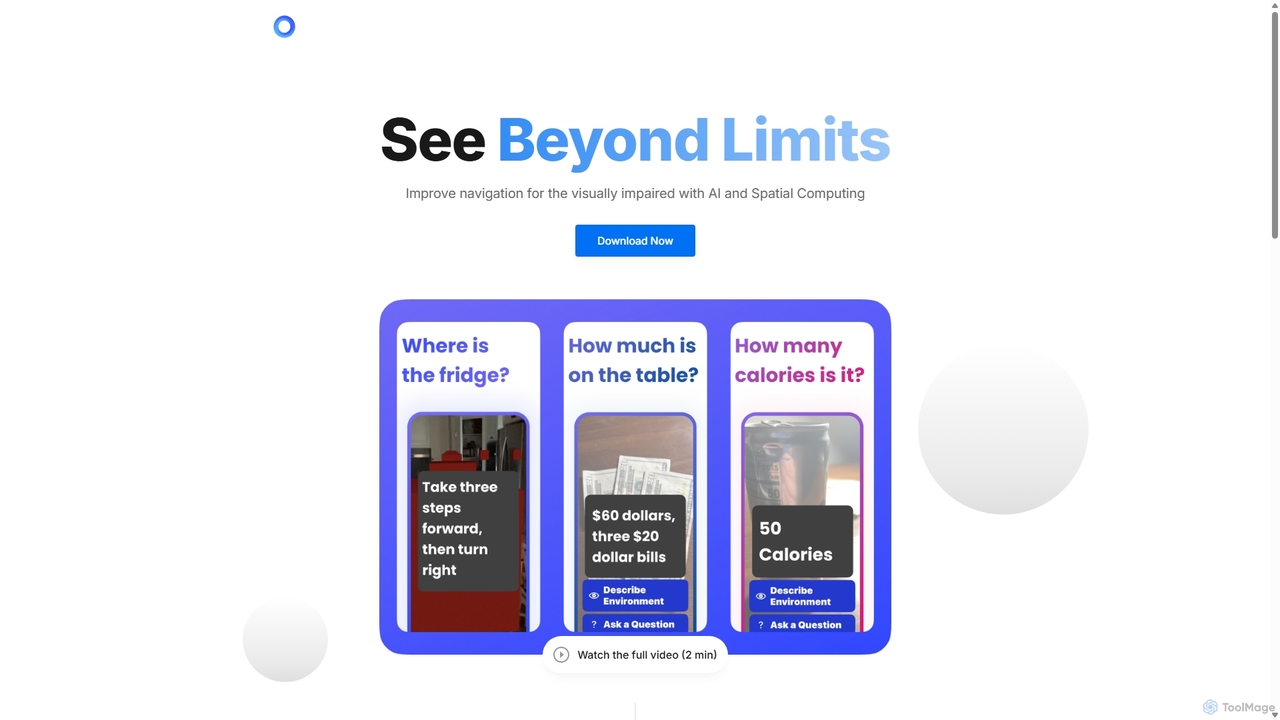
PingPath
PingPath is an AI-powered mobile application designed to enhance indoor navigation for visually impaired individuals. By leveraging LiDAR, …
PingPath is an AI-powered mobile application designed to enhance indoor navigation for visually impaired individuals. By leveraging LiDAR, spatial computing, and intuitive spatial audio, it transforms a smartphone into a powerful assistive tool for identifying objects, avoiding obstacles, and confidently navigating unfamiliar indoor environments.
About Navigation
AI Navigation tools are a class of systems that use artificial intelligence to provide intelligent, real-time pathfinding and spatial awareness. These tools leverage machine learning, computer vision, and sensor fusion to analyze vast datasets, including maps, live traffic, and environmental obstacles. They deliver optimized routes that adapt dynamically to changing conditions, going beyond traditional GPS capabilities. This results in more efficient, safer, and context-aware navigation for autonomous vehicles, robotics, and personal travel applications.
Core Features
- Dynamic Pathfinding: Calculates the most efficient route in real-time by considering traffic, weather, road closures, and other live variables.
- Predictive Routing: Analyzes historical data and patterns to forecast travel times and suggest optimal departure times or routes.
- Obstacle Detection & Avoidance: Utilizes sensors like LiDAR, cameras, and radar to identify and navigate around static and moving obstacles.
- Sensor Fusion: Combines data from multiple sources (GPS, IMU, cameras) to create a highly accurate and reliable understanding of position and environment.
- Indoor Positioning: Enables accurate navigation inside complex buildings like airports, malls, or warehouses where GPS signals are weak or unavailable.
Applicable Scenarios
AI Navigation is critical in logistics for optimizing delivery routes for fleets and warehouse robots. It forms the core technology for autonomous vehicles, including self-driving cars, drones, and agricultural machinery. In consumer applications, it powers advanced mapping services and augmented reality wayfinding tools that provide intuitive, turn-by-turn directions in complex urban environments.
Selection Criteria
When choosing an AI Navigation tool, consider its primary application—whether for autonomous hardware, fleet management, or a consumer app. Evaluate the accuracy and update frequency of its mapping and traffic data. For developers, the availability and documentation of APIs and SDKs for integration are crucial. Finally, assess its real-time processing capabilities and its ability to function reliably in the target operational environment.

NavigationUse Cases
Autonomous Warehouse Robot Navigation
A logistics manager for a large e-commerce fulfillment center deploys a fleet of Automated Guided Vehicles (AGVs). These robots use an AI navigation system that integrates with the warehouse management system (WMS). The AI calculates the most efficient paths for picking items from shelves and transporting them to packing stations, dynamically rerouting to avoid collisions with human workers, forklifts, and other AGVs. This system significantly increases order fulfillment speed and reduces operational errors by ensuring robots travel on optimal, congestion-free paths.
Smart Urban Mobility Planning
A city commuter uses an advanced mapping application to plan their daily journey. The app's AI navigation engine analyzes real-time data from public transit, ride-sharing services, traffic sensors, and weather reports. It suggests a multi-modal route—combining a train ride, a short walk, and a final scooter trip—that is predicted to be the fastest. If the train is delayed, the app instantly recalculates and suggests an alternative bus route, providing the user with an adaptive travel plan that minimizes delays and stress.
Agricultural Drone Crop Surveying
An agronomist uses an AI-powered drone to monitor a 500-acre farm. They define the survey area in a control application, and the AI navigation software generates an optimal flight path that ensures complete coverage while conserving battery life. During flight, the drone uses computer vision to identify and avoid obstacles like power lines and trees. The system also adjusts the flight path in real-time based on wind conditions to maintain stable image capture for crop health analysis, ensuring high-quality data collection with minimal human intervention.
Last-Mile Delivery Robot Navigation
A local restaurant deploys sidewalk delivery robots to bring orders to customers. Each robot is equipped with an AI navigation system using cameras and LiDAR. The AI processes this sensor data to build a real-time map of its surroundings, allowing it to navigate busy sidewalks, wait for traffic at crosswalks, and move around pedestrians and pets. The system ensures safe and efficient delivery by choosing the clearest, most direct path, providing a reliable alternative to human couriers in dense urban areas.
Augmented Reality Indoor Wayfinding
A visitor at a large international airport uses the airport's official app for directions to their departure gate. The app uses AI-powered indoor positioning, which combines Wi-Fi signals and the phone's inertial sensors to pinpoint the user's location. By pointing their phone's camera forward, the user sees augmented reality arrows and instructions overlaid on the real-world view, guiding them through complex terminals, past shops, and directly to their gate. This technology simplifies navigation in GPS-denied environments and enhances the passenger experience.
Accessibility Navigation for the Visually Impaired
A visually impaired individual uses a specialized mobile app to navigate city streets independently. The app's AI navigation system processes real-time video from the phone's camera to identify sidewalks, crosswalks, and potential obstacles like street furniture or pedestrians. It provides auditory feedback through headphones, describing the environment ('crosswalk ahead in 10 feet,' 'obstacle on your right') and giving turn-by-turn directions. This application of AI navigation empowers users with greater mobility and safety, transforming their ability to interact with their surroundings.