MechMate
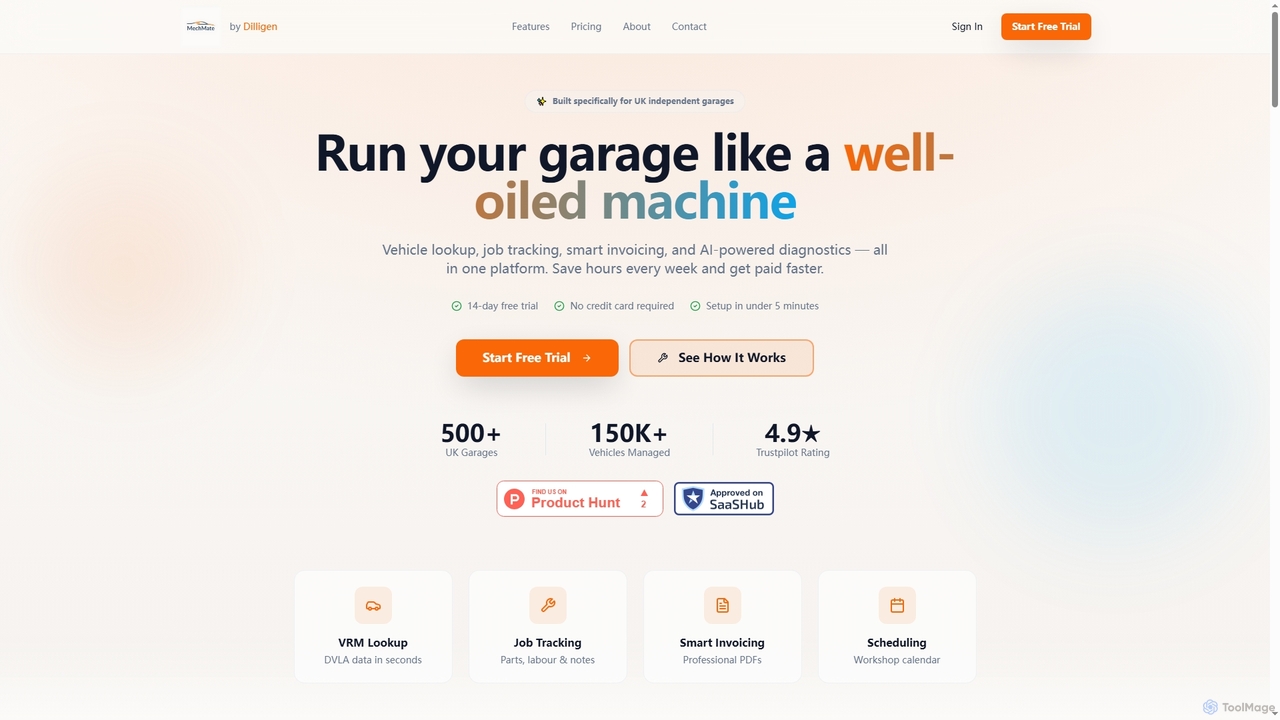
MechMate is a comprehensive garage management software designed specifically for independent UK mechanics. It streamlines operations with features …
MechMate is a comprehensive garage management software designed specifically for independent UK mechanics. It streamlines operations with features like vehicle lookup, job tracking, smart invoicing, AI diagnostics, and workshop scheduling, helping garages save time and get paid faster.
BrainPredict
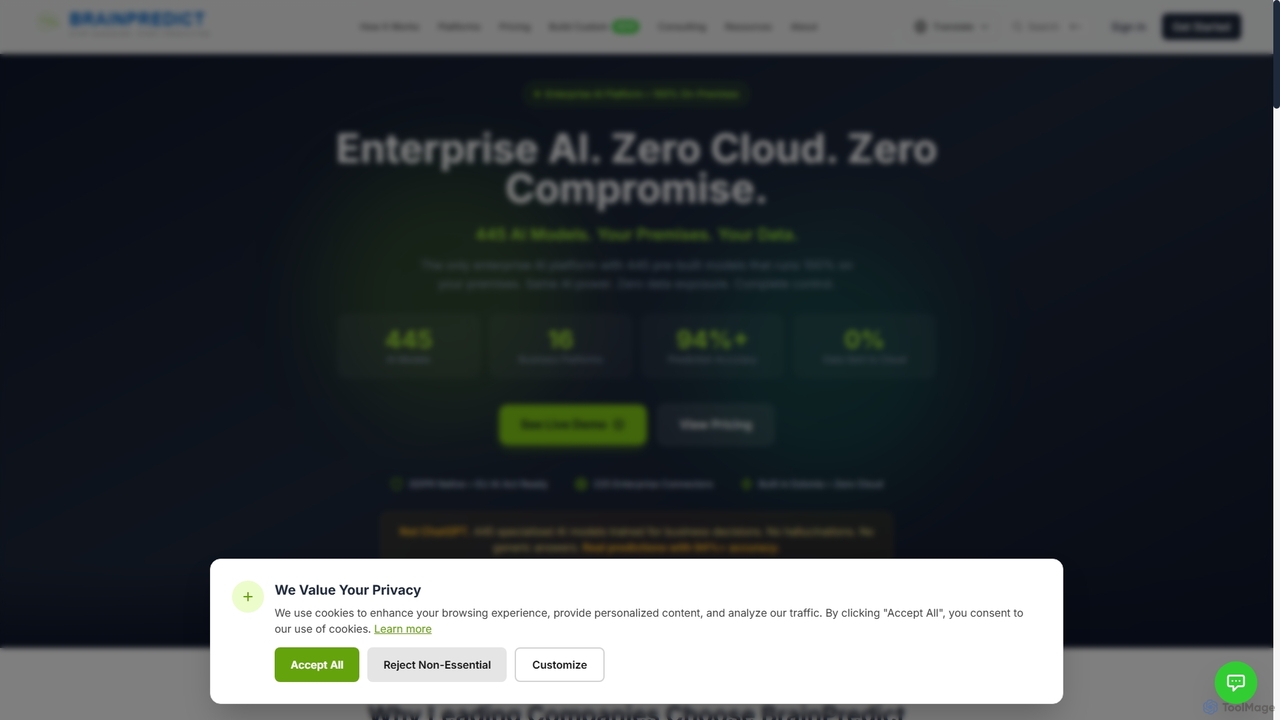
BrainPredict is an enterprise AI platform offering 445 specialized AI models that run 100% on-premises. It ensures zero …
BrainPredict is an enterprise AI platform offering 445 specialized AI models that run 100% on-premises. It ensures zero cloud exposure and complete data sovereignty, delivering 94%+ prediction accuracy for critical business decisions across 16 functions.
Hear
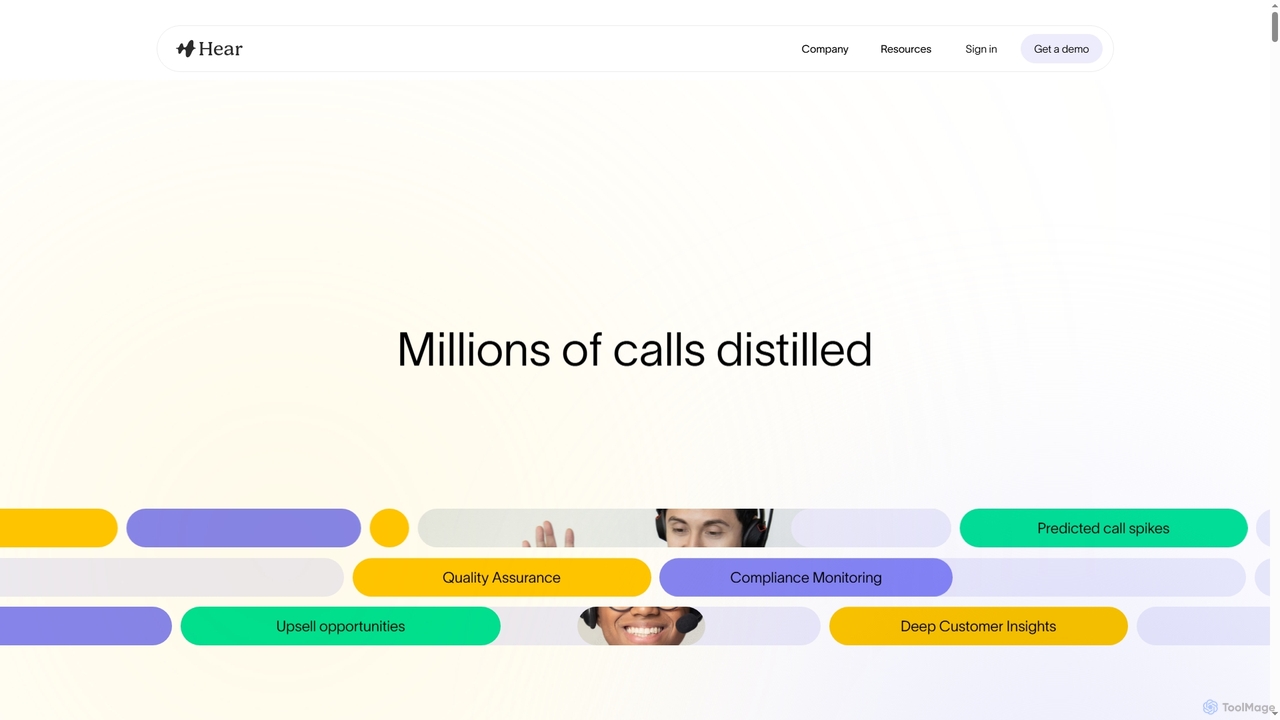
Hear is an AI-powered contact center intelligence platform that transforms customer interactions into actionable insights. It helps CX …
Hear is an AI-powered contact center intelligence platform that transforms customer interactions into actionable insights. It helps CX leaders automate quality assurance, monitor compliance, evaluate agent performance, and predict churn across all communication channels, driving operational efficiency and enhancing customer experience.
Meal Dynamics
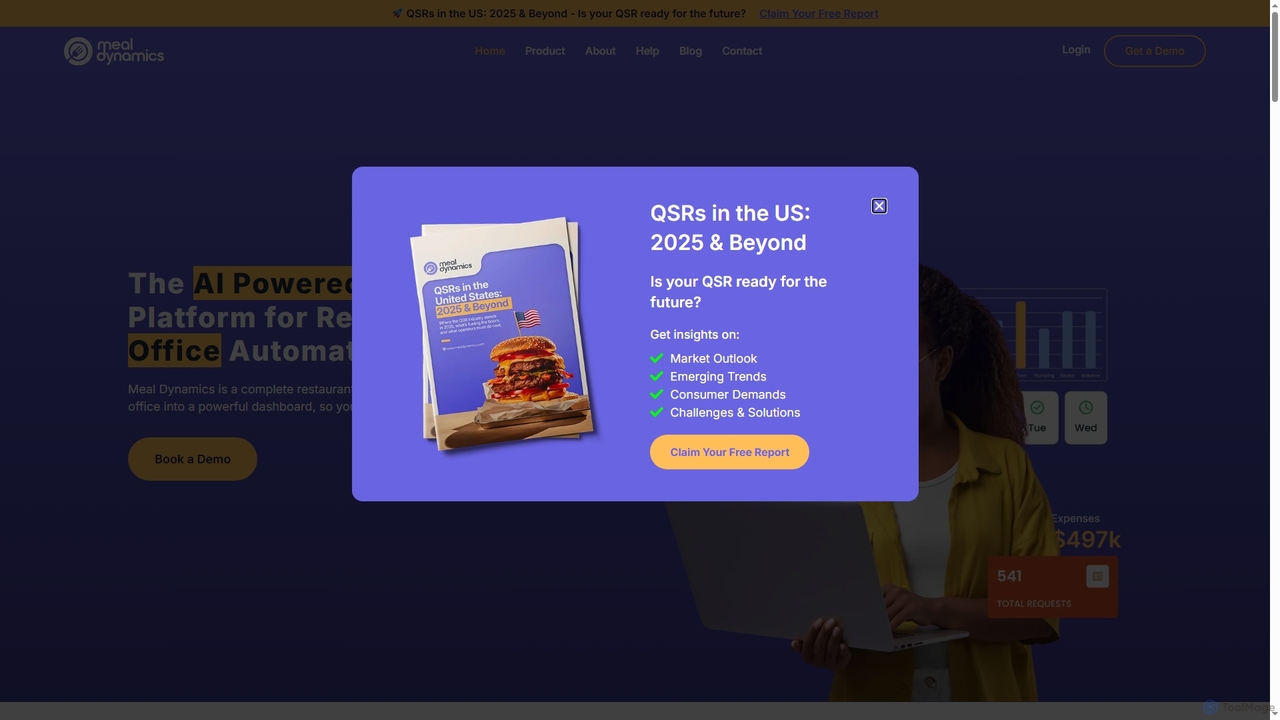
Meal Dynamics is an AI-powered, full-stack restaurant management software designed to automate back-office operations. It centralizes accounts payable, …
Meal Dynamics is an AI-powered, full-stack restaurant management software designed to automate back-office operations. It centralizes accounts payable, repair and maintenance, expense management, operational checklists, and vendor management into one powerful dashboard, helping restaurants save time, reduce costs, and scale efficiently.
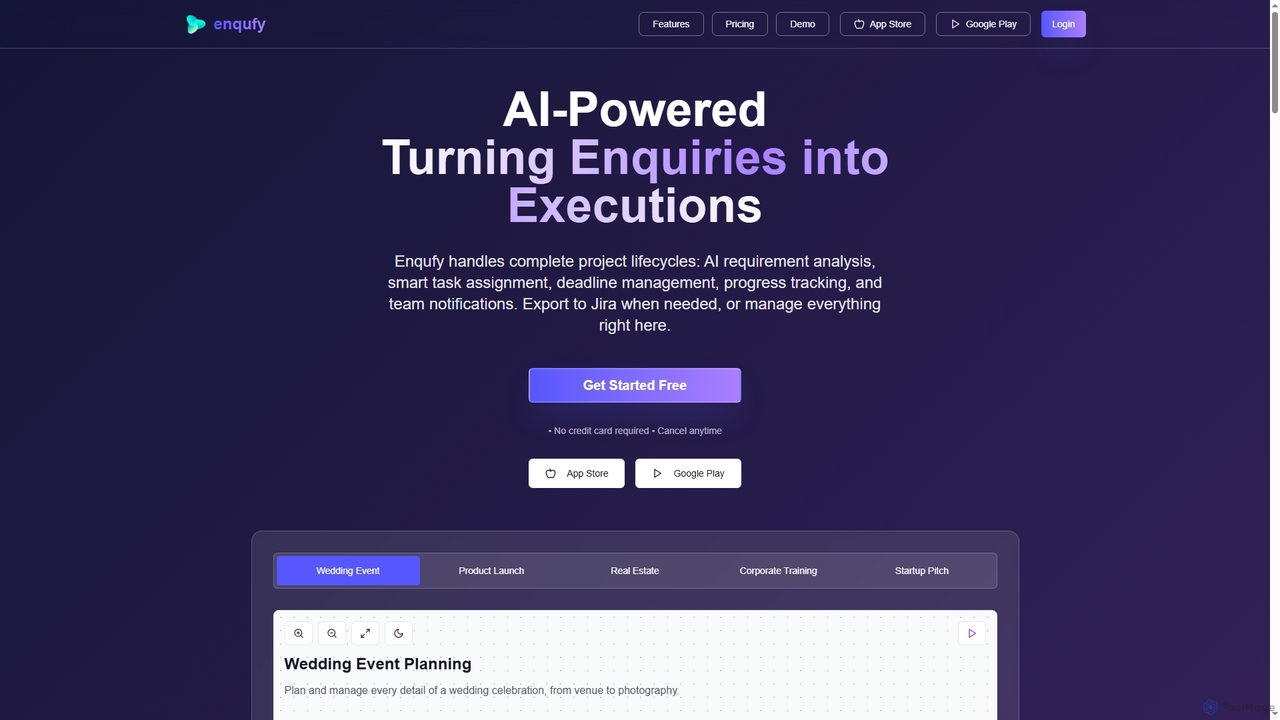
Enqufy
Enqufy is an AI-powered workflow automation platform designed to transform enquiries into structured, actionable project lifecycles. It streamlines …
Enqufy is an AI-powered workflow automation platform designed to transform enquiries into structured, actionable project lifecycles. It streamlines task assignment, deadline management, and team collaboration, offering real-time progress tracking and performance analytics for businesses of all sizes. Available on web and mobile, it enhances efficiency and productivity across diverse industries.
About Operations Management
Operations Management AI tools are a category of advanced software solutions that leverage artificial intelligence to optimize and streamline an organization's core operational processes. These tools utilize machine learning, predictive analytics, and automation to enhance efficiency, reduce costs, and improve decision-making across various business functions. By automating routine tasks, forecasting demand, and optimizing resource allocation, Operations Management AI empowers businesses to achieve greater agility, resilience, and strategic advantage in complex market environments.
Core Features
- Predictive Analytics: Forecasts future demand, equipment failures, or supply chain disruptions based on historical data and real-time inputs.
- Process Automation: Automates repetitive operational tasks, such as data entry, report generation, and workflow approvals, using RPA and AI.
- Resource Optimization: Intelligently allocates human, material, and financial resources to maximize output and minimize waste.
- Supply Chain Optimization: Enhances visibility, predicts logistics issues, and optimizes inventory levels and routing for efficient supply chains.
- Quality Control & Anomaly Detection: Monitors operational data for deviations, identifies potential quality issues, and flags anomalies in real-time.
Applicable Scenarios
Operations Management AI tools are crucial for manufacturing firms optimizing production lines, logistics companies streamlining delivery routes and inventory, and service industries managing workforce scheduling and customer flow. They are also vital for retail businesses forecasting sales and managing stock, and for IT departments automating infrastructure monitoring and incident response.
How to Choose
When selecting Operations Management AI tools, consider the specific operational challenges you aim to solve, such as inventory management or process automation. Evaluate the tool's integration capabilities with existing ERP or CRM systems, its scalability to handle growing data volumes, and the level of customization offered. Assess the vendor's support, data security measures, and pricing model, including any hidden costs for implementation or training.

Operations ManagementUse Cases
Optimizing Manufacturing Production Schedules
A manufacturing plant manager uses AI-powered operations management software to analyze historical production data, machine performance, and order forecasts. The AI generates optimized production schedules, minimizing downtime, balancing workload across machines, and ensuring on-time delivery, leading to a 15% increase in throughput and reduced overtime costs.
Predictive Maintenance for Industrial Equipment
An industrial facility's maintenance team deploys AI tools to monitor sensor data from critical machinery in real-time. The AI detects subtle anomalies and predicts potential equipment failures days or weeks in advance. This enables proactive maintenance scheduling, preventing costly breakdowns, extending equipment lifespan, and reducing unplanned downtime by up to 25%.
Enhancing Supply Chain Demand Forecasting
A retail chain's supply chain analyst utilizes AI for demand forecasting, integrating sales data, promotional calendars, weather patterns, and economic indicators. The AI provides highly accurate predictions for product demand across various regions. This leads to optimized inventory levels, reduced stockouts, minimized overstocking, and a 10% improvement in inventory turnover.
Automating Customer Service Workflow Management
A large call center implements AI-driven operations management to intelligently route customer inquiries, automate responses to common FAQs, and prioritize complex cases. The AI analyzes customer sentiment and agent performance to optimize staffing levels and training needs. This results in a 20% reduction in average handling time and a significant boost in customer satisfaction scores.
Optimizing Logistics and Delivery Route Planning
A logistics company uses AI to plan and optimize delivery routes for its fleet. The AI considers real-time traffic, weather conditions, delivery windows, and vehicle capacity to generate the most efficient routes. This reduces fuel consumption by 12%, decreases delivery times, and allows for more deliveries per vehicle per day, enhancing operational efficiency.
Streamlining IT Operations and Incident Response
An IT operations team leverages AI to monitor network performance, server health, and application logs. The AI automatically identifies and diagnoses anomalies, predicts potential outages, and even initiates automated remediation steps for common issues. This significantly reduces manual intervention, speeds up incident resolution, and improves overall system reliability and uptime.