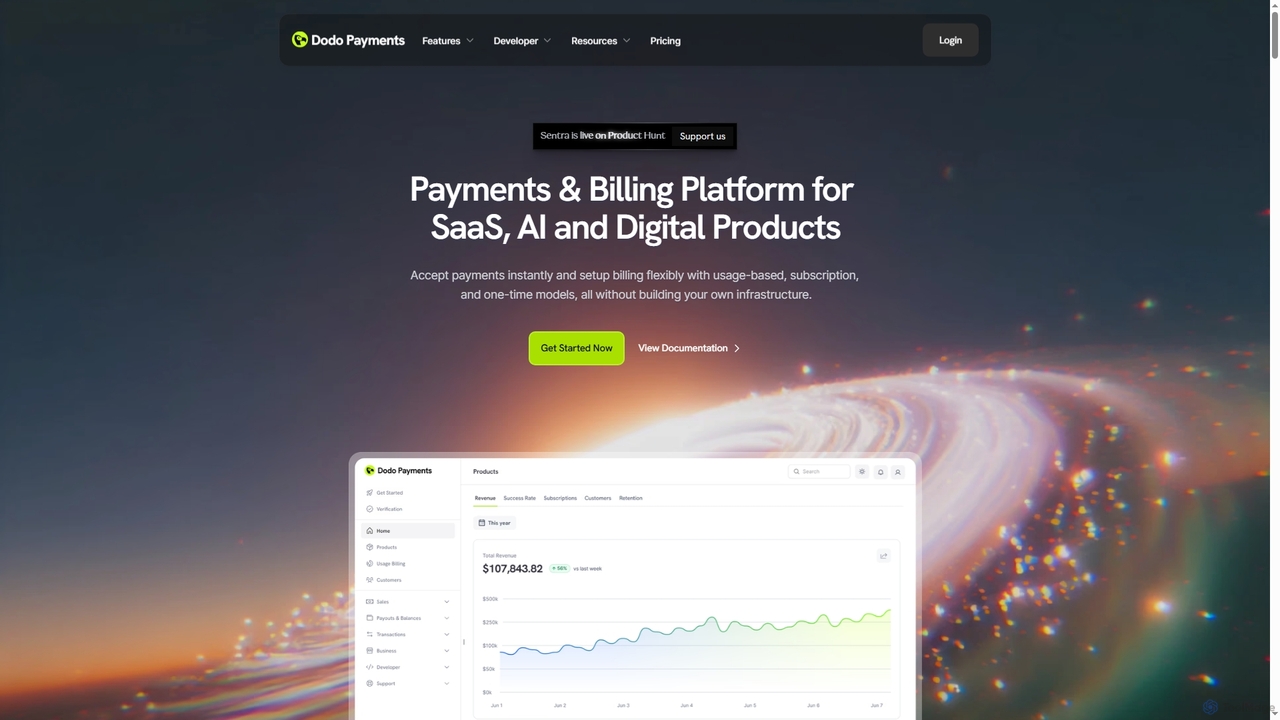
AI Billing tools are specialized platforms that automate and optimize the entire customer billing lifecycle, from invoicing to revenue recognition. These tools leverage machine learning to handle complex subscription models, predict payment failures, and personalize collection efforts. They primarily serve to reduce manual accounting work, minimize revenue leakage, and improve cash flow for businesses with recurring revenue streams. By automating these processes, they allow companies to scale their pricing strategies and customer base efficiently.
Core Features
- Subscription Management: Automates the entire lifecycle of recurring billing, including trials, upgrades, downgrades, and prorations.
- Intelligent Dunning: Uses AI to predict failed payments and automatically executes customized retry and communication strategies to recover revenue.
- Revenue Recognition: Automates complex accounting standards (like ASC 606) for accurate financial reporting and compliance.
- Usage-Based Billing: Accurately tracks and invoices customers based on their consumption of services, such as API calls or data storage.
- Automated Invoicing: Generates and delivers professional, customized invoices automatically based on billing cycles and customer data.
Use Cases
AI Billing tools are essential for SaaS companies, subscription-based services, telecommunication providers, and any business with complex, recurring revenue models. For instance, a SaaS platform can use these tools to manage thousands of different subscription plans and usage tiers, while a utility company can automate metered billing for millions of customers, ensuring accuracy and timeliness.
How to Choose
When selecting an AI Billing tool, consider its ability to support your specific pricing models (e.g., tiered, usage-based, hybrid). Evaluate its integration capabilities with your existing CRM and accounting software. Assess the sophistication of its dunning management and analytics features for reducing churn. Finally, review its compliance and security certifications to ensure it meets industry standards for handling financial data.