Personal Finance Best in category 3 results Budgeting AI Tool

Popular AI tools in the Budgeting field of Personal Finance include Tellio、Cartinel、BuyLensAI, etc., helping you quickly improve efficiency.

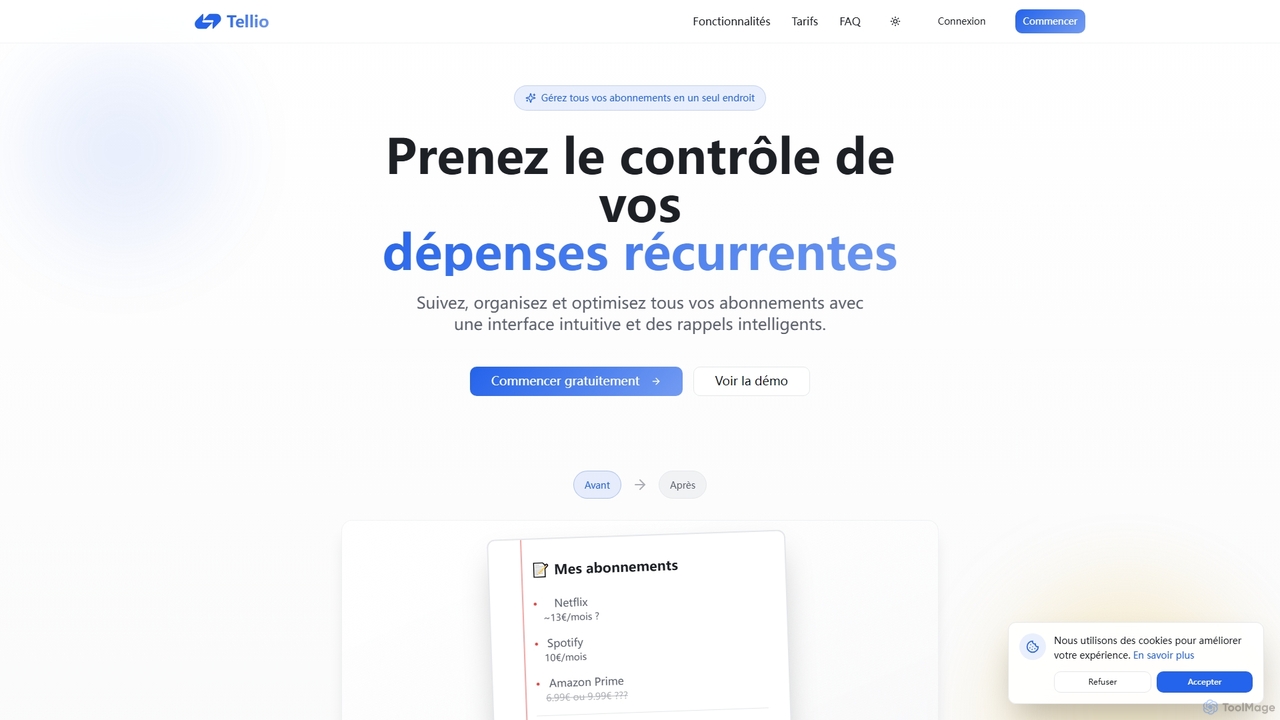
Tellio

Tellio

Tellio is an intuitive subscription management platform designed to help users track, organize, and optimize all their recurring …

3.1K
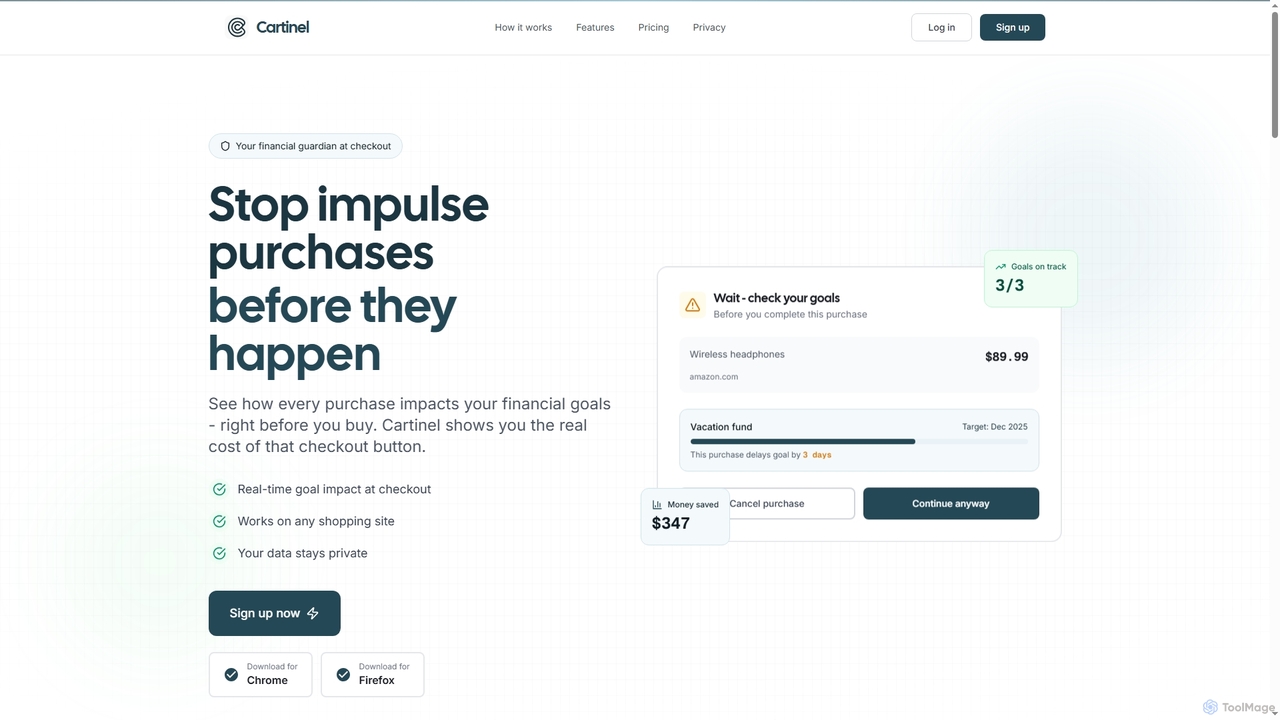
Cartinel

Cartinel

Cartinel is an AI-powered browser extension for Chrome and Firefox that acts as a financial guardian, preventing impulse …

3.1K
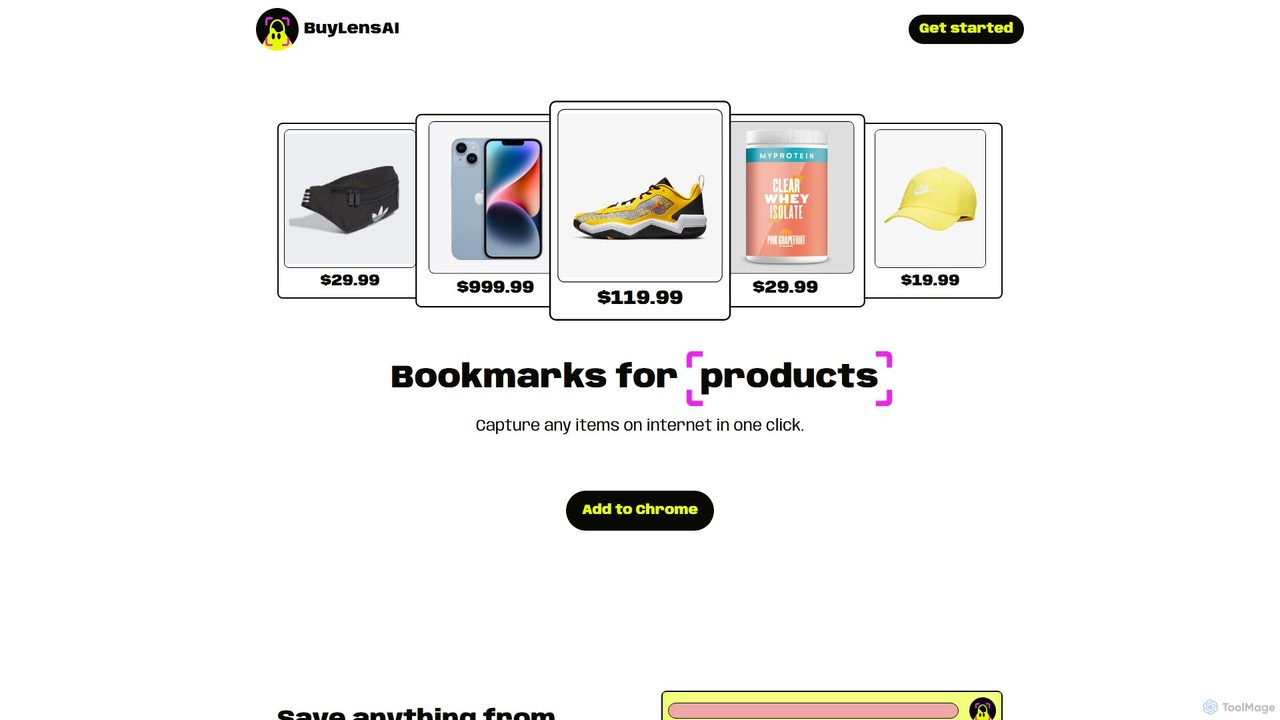
BuyLensAI

BuyLensAI

BuyLensAI is an AI-powered Chrome extension that lets you capture and organize any product from any website with …

3.1K

About Budgeting

AI Budgeting tools are applications that use artificial intelligence to automate and optimize personal or household financial planning. These tools analyze transaction data to automatically categorize spending, forecast future expenses, and identify savings opportunities. By leveraging machine learning, they provide personalized insights and actionable recommendations that go beyond simple expense tracking. This helps users gain a clear understanding of their financial habits and make smarter decisions to achieve their financial goals.

Core Features

  • Automated Transaction Categorization: Automatically sorts bank and credit card transactions into relevant categories like groceries, transport, and entertainment.
  • Predictive Spending Forecasts: Analyzes historical data to project future cash flow, helping to anticipate upcoming expenses and avoid shortfalls.
  • Personalized Savings Insights: Identifies areas of overspending and suggests specific, data-driven ways to cut costs based on individual habits.
  • Smart Goal Setting & Tracking: Helps users set realistic financial goals and provides optimized plans to achieve them, adjusting recommendations as circumstances change.

Applicable Scenarios

These tools are ideal for individuals seeking to gain control over their daily spending, families planning for major life events like buying a home or saving for education, and freelancers managing fluctuating income. They are particularly useful for anyone who finds manual budgeting with spreadsheets tedious and wants proactive, intelligent guidance on their finances.

Selection Criteria

When choosing an AI Budgeting tool, consider the security of its bank connections (e.g., read-only access, encryption). Evaluate the accuracy of its automatic categorization and the quality of the financial insights it provides. Also, compare pricing models and ensure the user interface is intuitive and meets your specific financial tracking needs.

BudgetingUse Cases

1

Automating Expense Tracking for Young Professionals

A busy young professional connects their bank and credit card accounts to an AI budgeting tool. The AI automatically scans all transactions, categorizing them into areas like 'Dining Out,' 'Subscriptions,' and 'Transport.' Instead of spending hours manually entering data into a spreadsheet, they receive a weekly summary report with clear visualizations of their spending habits. This allows them to instantly see where their money is going and adjust their budget for the upcoming week in just a few minutes.

2

Family Financial Planning for a Major Goal

A family planning to buy a house in three years uses an AI budgeting tool to set a down payment savings goal. The tool analyzes their joint income and historical spending patterns to create a realistic monthly savings plan. It identifies the top three non-essential spending categories where they can cut back, such as streaming services and frequent take-out meals. The AI provides weekly progress reports and alerts them if they are falling behind schedule, suggesting specific adjustments to get back on track.

3

Managing Variable Income for Freelancers

A freelance graphic designer with fluctuating monthly income uses an AI budgeting app to maintain financial stability. The tool analyzes past income data to forecast high and low earning months. Based on these predictions, it recommends a 'safe-to-spend' amount for each month, automatically allocating a higher percentage of income to savings during profitable months. This ensures they have a financial cushion to cover expenses during leaner periods without having to manually calculate and adjust their budget constantly.

4

Identifying and Canceling Hidden Subscriptions

A user suspects they are paying for services they no longer use. They use an AI budgeting tool's 'recurring payment' detection feature. The AI scans their transaction history from the past year and flags all recurring charges, including forgotten free trials that converted to paid plans and old gym memberships. The tool presents a clear list of these subscriptions with their monthly costs, allowing the user to easily identify and cancel over $50 in unnecessary monthly expenses, saving them $600 annually.

5

Optimizing a Debt Repayment Strategy

A user with multiple debts (credit card, student loan, car loan) links their accounts to an AI budgeting tool. The AI analyzes the interest rates, balances, and minimum payments for each debt. It then simulates two popular repayment strategies: the 'Avalanche' method (paying off highest interest first) and the 'Snowball' method (paying off smallest balance first). The tool provides a clear comparison, showing that the Avalanche method will save them over $1,200 in interest and get them out of debt 8 months sooner. This data-driven insight helps them choose the most financially efficient strategy.

6

Forecasting Cash Flow to Avoid Overdrafts

A user often struggles with managing their checking account balance, sometimes incurring overdraft fees. They use an AI budgeting tool's cash flow forecasting feature. The AI analyzes their regular income schedule and upcoming bill payments (rent, utilities, car payment). It predicts their account balance for the next 30 days and alerts them that their balance is projected to be negative in two weeks. This advance warning gives them time to transfer funds from savings or delay a non-essential purchase, successfully avoiding a costly overdraft fee.

BudgetingFrequently Asked Questions