ToolMage
Sign in

Best 4 Shopping AI tools for Productivity

Popular Shopping AI tools in Productivity include Kudos, Listmind, AI Shopping Assistant, and BuyLensAI, helping you work more efficiently.

Listmind
Freemium

Listmind

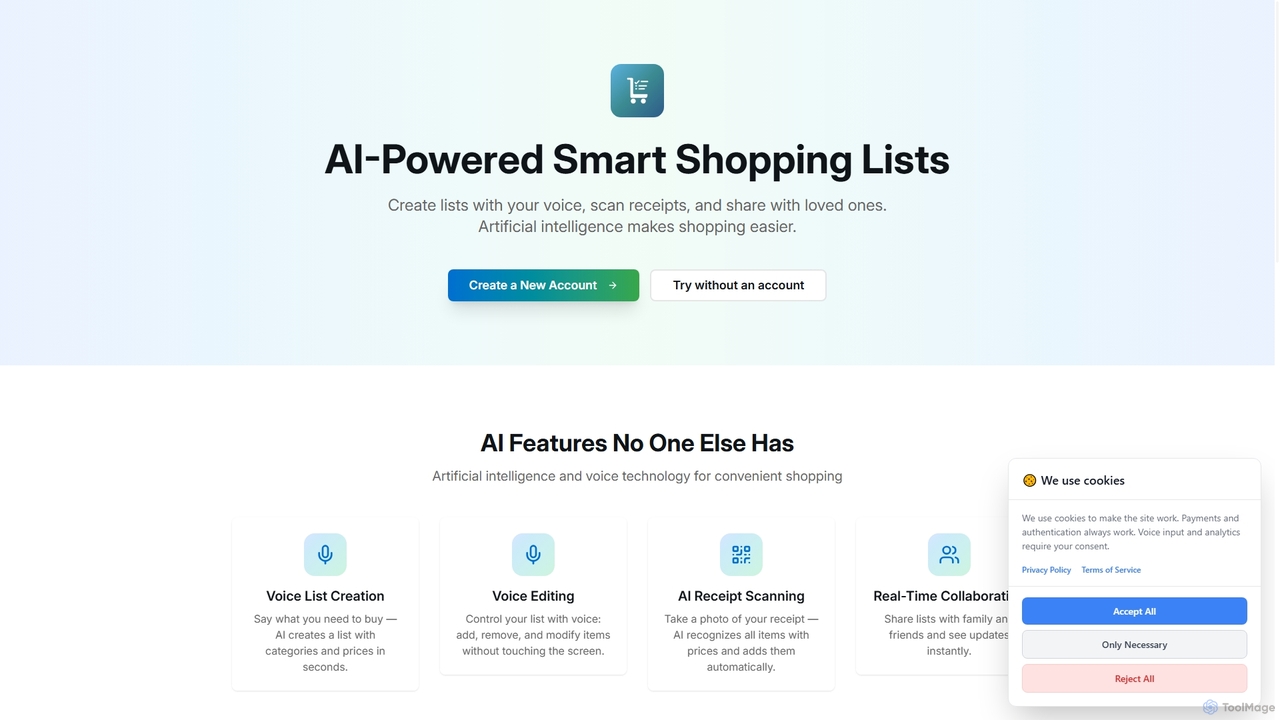
Listmind is an AI-powered smart shopping list app that simplifies your grocery shopping. Create lists using your voice, scan receipts to automatically add items, and collaborate in real-time with family and friends. Its intelligent features categorize items and estimate prices, making shopping faster and more organized.

Organization
Visits 5.4KFavorites 138Likes 124
BuyLensAI
Freemium

BuyLensAI

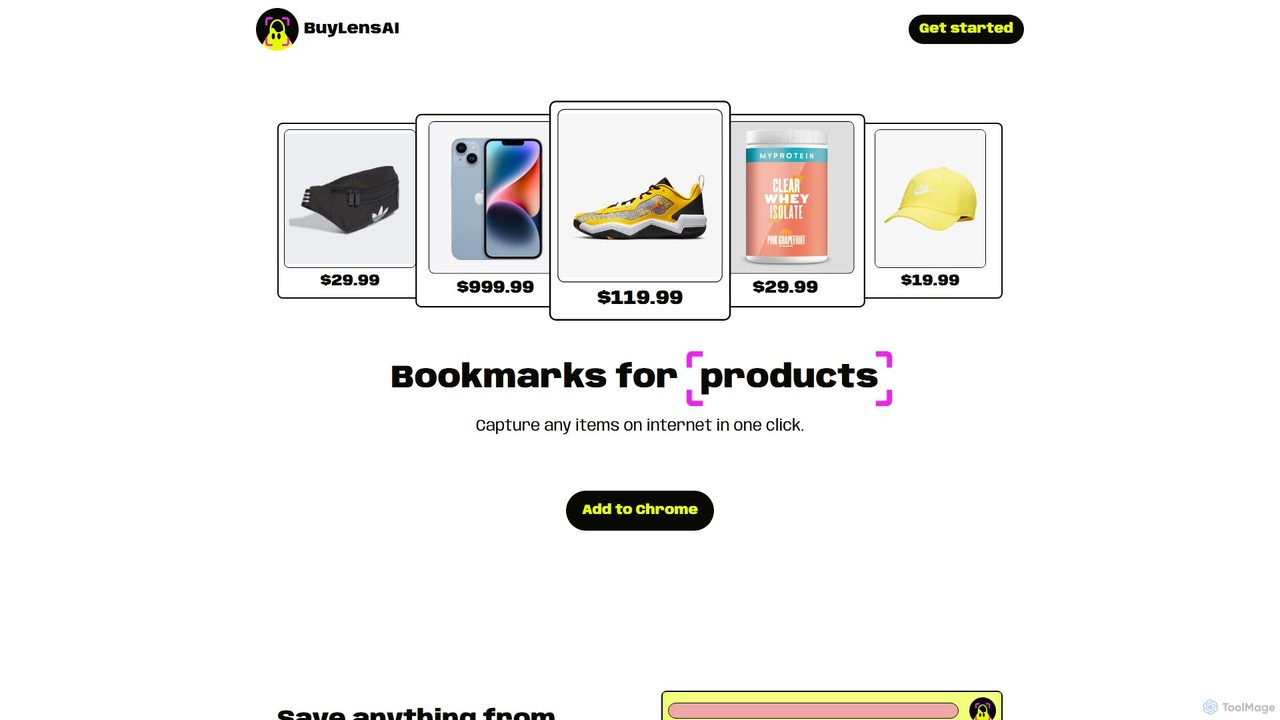
BuyLensAI is an AI-powered Chrome extension that lets you capture and organize any product from any website with a single click. Create curated shopping lists, track your expenses, and share your finds, all in one centralized dashboard. Say goodbye to endless tabs and forgotten bookmarks.

Chrome Extensions
Visits 5.3KFavorites 145Likes 141
AI Shopping Assistant
Free

AI Shopping Assistant

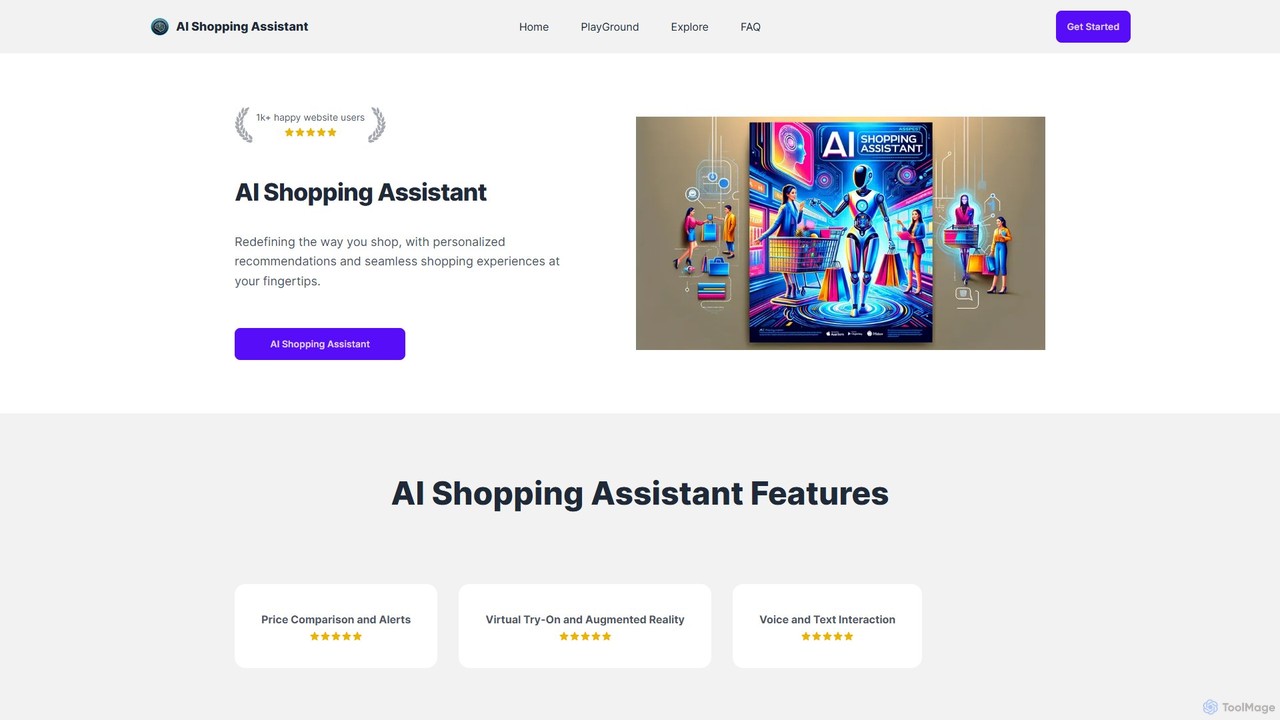
AI Shopping Assistant redefines online shopping with a hyper-realistic virtual try-on feature. Upload a photo of a person and a garment to instantly see the fit. It also aims to offer price comparisons and voice interaction, making it a comprehensive tool for confident and personalized shopping decisions.

Virtual Try On
Visits 5.4KFavorites 146Likes 147
Kudos
Free

Kudos

Kudos is a free, AI-powered financial companion that helps you maximize credit card rewards automatically. It functions as a smart wallet browser extension and app, selecting the best card at checkout, finding hidden perks, tracking spending, and monitoring your credit score to help you save money effortlessly.

Utilities
Visits 928.3KFavorites 144Likes 141

About Shopping

AI Shopping tools are applications that leverage artificial intelligence to enhance and personalize the online purchasing experience. These tools utilize machine learning, computer vision, and data analysis to understand user preferences, track market trends, and identify the best product options. They transform the often time-consuming task of online shopping into a more efficient and targeted activity, helping users discover products, compare prices, and make informed decisions faster. This makes them a key component of personal productivity for savvy consumers.

Core Features

  • Personalized Recommendations: Analyzes browsing history and user data to suggest highly relevant products.
  • Price Comparison & Tracking: Automatically finds the best prices across multiple retailers and sends alerts for price drops.
  • Visual Search: Enables users to find products by uploading an image or using their camera.
  • AI Shopping Assistants: Provides conversational guidance, answers product questions, and helps locate items.
  • Automated Coupon & Deal Finding: Scans the web for applicable discount codes and deals at checkout.

Use Cases

These tools are ideal for consumers who want to save time and money, from finding the best deal on electronics to discovering new fashion items that match their style. E-commerce professionals also use them for competitive analysis and trend spotting. They are particularly useful for major purchasing decisions, holiday gift shopping, and everyday bargain hunting.

How to Choose

When selecting an AI Shopping tool, consider its platform coverage—does it support your favorite stores? Evaluate its core features; do you need price tracking, visual search, or a personal stylist? Review the privacy policy to understand how your data is used. Finally, consider the format, whether it's a browser extension for desktop use or a dedicated mobile app for shopping on the go.

Shopping use cases

1

Find the Best Price for Electronics

A tech enthusiast plans to buy a new camera and wants the best possible deal. Instead of manually checking dozens of websites, they use an AI shopping tool. The tool automatically scans major retailers, marketplaces, and even smaller specialty stores in real-time. It compares prices, shipping costs, and warranty options. The user sets a price alert and receives a notification a week later when the camera's price drops by 15% during a flash sale, allowing them to make the purchase at the optimal moment and save a significant amount of money.

2

Discover a New Wardrobe with Visual Search

A user sees an outfit they like in a social media post but doesn't know the brands. They take a screenshot and upload it to an AI visual search tool. The AI identifies the individual clothing items—the jacket, the jeans, and the shoes. It then scours the internet to find the exact items or visually similar alternatives at various price points. The user can browse a curated list of options, compare styles, and purchase a complete look that matches their inspiration, all without knowing a single keyword to search for.

3

Automate Holiday Gift Shopping

A busy professional needs to buy gifts for five family members with different tastes. They use an AI gift finder assistant. They input details for each person: age, interests (e.g., 'gardening', 'sci-fi novels'), relationship, and budget. The AI processes this information and generates a curated list of gift ideas for each person, complete with links to purchase, user reviews, and price comparisons. This turns hours of stressful browsing into a focused, 15-minute task, ensuring thoughtful gifts are found efficiently.

4

Virtual Try-On for Eyeglasses and Makeup

A customer wants to buy new prescription glasses online but is hesitant about how the frames will look on their face. They use a retailer's AI-powered virtual try-on feature. Using their device's camera, the tool maps their facial features and overlays a realistic 3D model of the glasses. They can turn their head to see the frames from different angles and switch between dozens of styles instantly. This provides the confidence to purchase without a physical fitting, reducing returns and improving customer satisfaction.

5

Get Personalized Product Recommendations

A user frequently shops for running shoes and athletic wear. Their favorite e-commerce site uses an AI recommendation engine. The AI analyzes their past purchases, items they've viewed, and even products they've added to their cart but not bought. When they next visit the site, the homepage displays a personalized section titled 'Top Picks for You', featuring new running shoes in their preferred brand and size, along with complementary items like moisture-wicking socks and running shorts. This saves them from browsing through irrelevant categories and helps them discover products they are highly likely to enjoy.

6

Automatically Apply the Best Coupon Codes

A shopper is at the checkout page of an online store with a cart full of items. They see a 'promo code' box but don't have a code. Instead of opening a new tab to search for codes, they use an AI-powered browser extension. With one click, the extension automatically scans the web for all available coupon codes for that store. It then tests each code in the background and applies the one that provides the biggest discount, instantly saving the user money without any manual effort or guesswork.

Shopping FAQ

What are AI Shopping tools?

AI Shopping tools are software applications, browser extensions, or features within e-commerce sites that use artificial intelligence to make the online shopping process smarter, faster, and more personalized. They analyze vast amounts of data, including your browsing habits and product details, to provide services like personalized recommendations, automated price comparison, visual product search, and virtual try-ons. Their main goal is to enhance user productivity by simplifying decision-making and saving time and money.

How do I choose the right AI Shopping tool?

To choose the right tool, consider your primary shopping needs. Here are four key factors:

  • Functionality: Do you need a tool for price tracking, coupon finding, style recommendations, or visual search? Choose one that specializes in the features you'll use most.
  • Format: Do you prefer a browser extension that works automatically in the background, or a dedicated mobile app for shopping on the go?
  • Retailer Coverage: Ensure the tool supports the online stores where you frequently shop. Some tools are universal, while others are specific to certain platforms like Amazon.
  • Privacy: Review the tool's privacy policy. Understand what data it collects and how it is used, and choose a reputable tool with positive user reviews.
What's the difference between an AI shopping assistant and a standard price comparison site?

The key difference is personalization and scope. A standard price comparison site typically requires you to manually search for a specific product and then presents a list of prices from various retailers. An AI shopping assistant is more proactive and holistic. It learns your preferences over time, can recommend products you might like without an explicit search, understands visual or conversational queries, and often integrates multiple functions like price tracking, coupon application, and style advice into a single, seamless experience.

Are AI Shopping tools safe for my privacy?

Reputable AI Shopping tools prioritize user privacy, but it's important to be informed. These tools often require access to your browsing data to provide personalized recommendations. Legitimate services will have a clear privacy policy explaining what data they collect and how it's used, often anonymizing it. To stay safe, you should:

  • Only download tools from official sources (like the Chrome Web Store or Apple App Store).
  • Read user reviews to check for any reported issues.
  • Review the permissions the tool requests before installing.
  • Choose tools from well-known, established companies.

Can AI Shopping tools really save me money?

Yes, they can be highly effective at saving money. Their primary financial benefits come from:

  • Automated Price Tracking: They monitor prices across numerous stores and alert you to drops, ensuring you buy at the lowest price.
  • Coupon and Deal Discovery: Many tools automatically find and apply the best available discount codes at checkout, which you might have otherwise missed.
  • Comparison Shopping: They make it easy to compare not just the price but also shipping costs and taxes from different vendors for the same item.
By automating these tasks, they consistently find savings opportunities that would be very time-consuming to locate manually.