ToolMage
Sign in

Best 1 Lifestyle AI tools for Personal

Popular Lifestyle AI tools in Personal include Spendtally, helping you work more efficiently.

Spendtally
Freemium

Spendtally

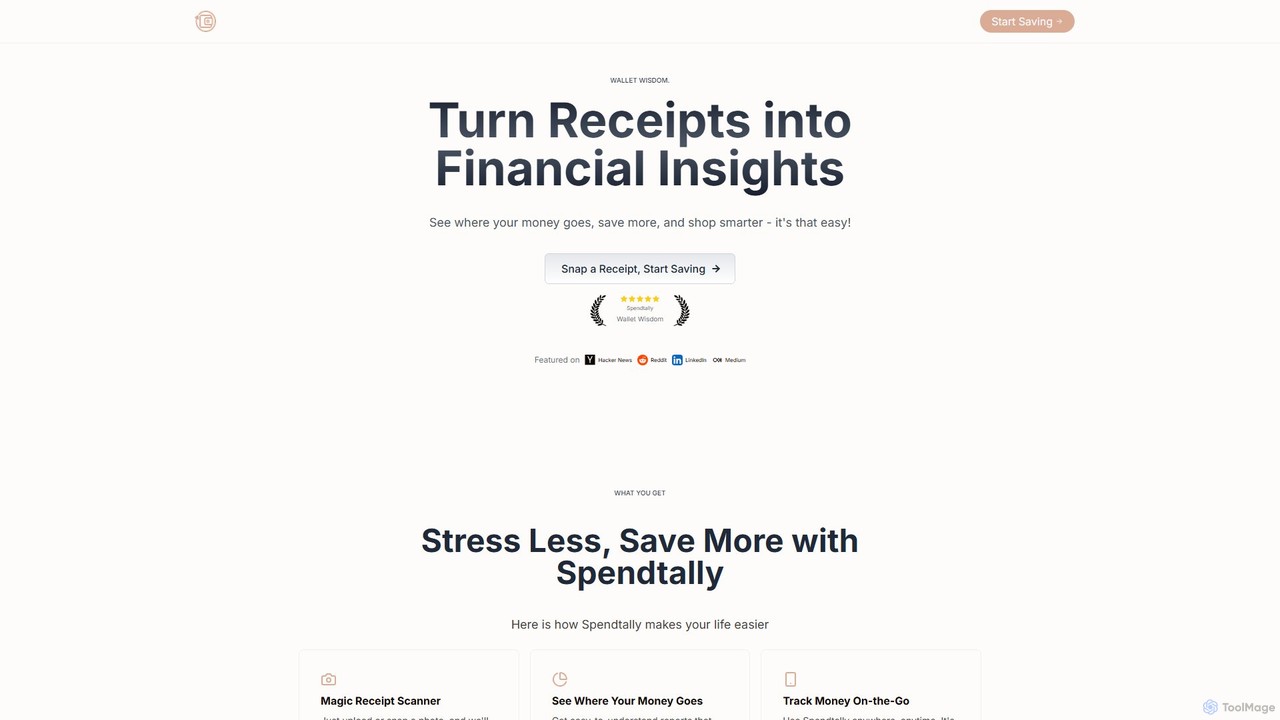
Spendtally is an AI-powered expense tracker that transforms your receipts into valuable financial insights. Simply snap a photo of a receipt, and Spendtally's OCR technology automatically extracts, categorizes, and analyzes your spending. It helps you understand where your money goes, identify savings opportunities, and make smarter financial decisions without the hassle of manual data entry.

Budgeting
Visits 5.7KFavorites 139Likes 144

About Lifestyle

AI Lifestyle tools are applications that use artificial intelligence to help users manage and enhance their daily routines, hobbies, and personal well-being. They leverage data analysis and machine learning to provide tailored recommendations, personalized plans, and actionable insights. These tools are applied in diverse areas such as fitness coaching, meal planning, travel itinerary creation, and hobby discovery. Their key strength lies in adapting to individual preferences and evolving needs, offering a dynamic and personalized user experience beyond static apps.

Core Features

  • Personalized Recommendations: Generates suggestions for activities, meals, or products based on user data and preferences.
  • Automated Planning: Creates structured plans like workout schedules, travel itineraries, or weekly meal calendars.
  • Goal Tracking & Analysis: Monitors user progress towards personal goals and provides data-driven feedback and motivation.
  • Interactive Guidance: Offers real-time coaching, step-by-step instructions, or conversational support for various activities.
  • Pattern Recognition: Identifies habits and routines from user data to suggest improvements for health or productivity.

Use Cases

These tools are ideal for health-conscious individuals, frequent travelers, hobbyists, and anyone seeking self-improvement. For example, a user can receive a custom fitness plan that adjusts based on their performance, get daily recipe suggestions that fit their dietary needs, or automatically generate a detailed vacation itinerary based on their interests and budget.

How to Choose

When selecting an AI Lifestyle tool, consider its specific focus—whether it's for fitness, nutrition, travel, or another niche. Evaluate the level of personalization and how well it adapts to your input. Prioritize applications with clear data privacy policies. Also, check for compatibility and integration with other devices you use, such as smartwatches or health-tracking apps.

Lifestyle use cases

1

Create Personalized Fitness and Nutrition Plans

A fitness enthusiast wants to move beyond generic workout apps. Using an AI Lifestyle tool, they input their fitness goals (e.g., build muscle, lose weight), dietary restrictions (e.g., vegetarian, gluten-free), available equipment, and time constraints. The AI analyzes this data to generate a dynamic weekly workout schedule and a corresponding meal plan. The plan adjusts automatically based on logged workout performance and feedback, ensuring continuous progress and preventing plateaus. This saves the user from hours of research and planning, providing a tailored coaching experience.

2

Generate Smart Travel Itineraries

A couple planning a vacation to a new city uses an AI travel planner to streamline the process. They specify their destination, travel dates, budget, and interests, such as history, food, and outdoor activities. The AI tool instantly generates a day-by-day itinerary, complete with optimized travel routes between attractions, restaurant recommendations based on their food preferences, and booking links for tickets. It can also suggest hidden gems and local experiences, creating a unique trip that goes beyond typical tourist guides and saving significant planning time.

3

Discover New Hobbies and Skills

An individual looking to develop a new interest uses an AI hobby discovery tool. They answer a series of questions about their personality, existing skills, and what they enjoy (e.g., creative, analytical, physical activities). The AI algorithm cross-references this profile with a vast database of hobbies to suggest several tailored options, such as urban gardening, coding, or playing a musical instrument. For each suggestion, the tool provides introductory guides, links to online courses, and connections to local or online communities, making it easy to get started.

4

Receive AI-Powered Fashion and Style Advice

A professional seeking to upgrade their wardrobe uses an AI stylist app. They upload photos of their existing clothes to create a digital closet. Based on their style preferences, body type, and upcoming events on their calendar, the AI suggests daily outfit combinations. It can also identify key missing pieces in their wardrobe and recommend new items from online stores that complement what they already own. This provides personalized style guidance without the cost of a human stylist, helping the user build a cohesive and functional wardrobe.

5

Improve Mental Well-being with Guided Mindfulness

A user dealing with daily stress turns to an AI-powered mindfulness app for support. The tool tracks their self-reported mood and stress levels throughout the day. Based on these patterns, it proactively suggests personalized mindfulness exercises, such as short breathing techniques before a meeting or a guided meditation session in the evening. The AI learns which exercises are most effective for the user over time, creating an adaptive mental wellness routine that helps manage stress, improve focus, and promote emotional balance.

6

Automate Daily Routines and Home Life

A tech-savvy homeowner uses an AI Lifestyle tool to orchestrate their smart home environment. The tool integrates with their smart lights, thermostat, coffee maker, and calendar. It learns their daily patterns and automates routines. For example, it can create a 'morning routine' that gradually brightens the lights, starts the coffee maker, and provides a summary of the day's appointments upon waking. Similarly, an 'evening routine' can dim the lights, adjust the temperature, and play calming music to help them wind down, simplifying daily life and creating a more comfortable living space.

Lifestyle FAQ

What are AI Lifestyle tools?

AI Lifestyle tools are applications that use artificial intelligence to provide personalized assistance in managing and improving daily life. Unlike standard apps, they analyze your personal data, preferences, and behavior to offer tailored recommendations, plans, and insights for areas like fitness, nutrition, travel, hobbies, and mental well-being. Their core function is to act as a personal, adaptive guide for various aspects of your life.

How do I choose the right AI Lifestyle tool?

To choose the right tool, first identify your primary goal (e.g., fitness, travel planning, skill development). Then, consider these factors:

  • Personalization Quality: Does the tool genuinely adapt to your inputs and feedback?
  • Data Privacy: Review its privacy policy to understand how your personal information is used and protected.
  • User Interface: Is the app intuitive and easy to use for daily tracking and interaction?
  • Integrations: Check if it connects with other services or devices you use, like a smartwatch or calendar app.
What is the difference between an AI Lifestyle tool and a standard productivity app?

The main difference lies in their focus and methodology. Standard productivity apps (like calendars or to-do lists) are typically rule-based and help you organize predefined tasks. AI Lifestyle tools focus on personal enrichment and well-being. They are data-driven, learning from your behavior to provide proactive, personalized recommendations and automated plans that you might not have created yourself, such as a new workout routine or a travel itinerary.

Are AI Lifestyle tools safe to use regarding my personal data?

Reputable AI Lifestyle tools use encryption and follow data protection regulations to secure user data. However, these apps often require access to sensitive personal information (like health metrics, location, or daily habits) to function effectively. It is crucial for users to read the privacy policy and terms of service before using a tool. Always choose applications from trusted developers that are transparent about how they collect, use, and protect your data.

Who can benefit from using AI Lifestyle tools?

A wide range of individuals can benefit from these tools. This includes fitness enthusiasts seeking customized workout and meal plans, frequent travelers wanting to automate itinerary planning, and anyone looking to discover new hobbies or learn new skills. They are also valuable for people focused on self-improvement, mindfulness, and mental well-being, as the tools can provide structured guidance and track progress towards personal goals in a data-driven way.