Personal Best in category 1 results Recommendation Engine AI Tool

Popular AI tools in the Recommendation Engine field of Personal include Gift Ideas AI, etc., helping you quickly improve efficiency.

Free
Gift Ideas AI

Gift Ideas AI

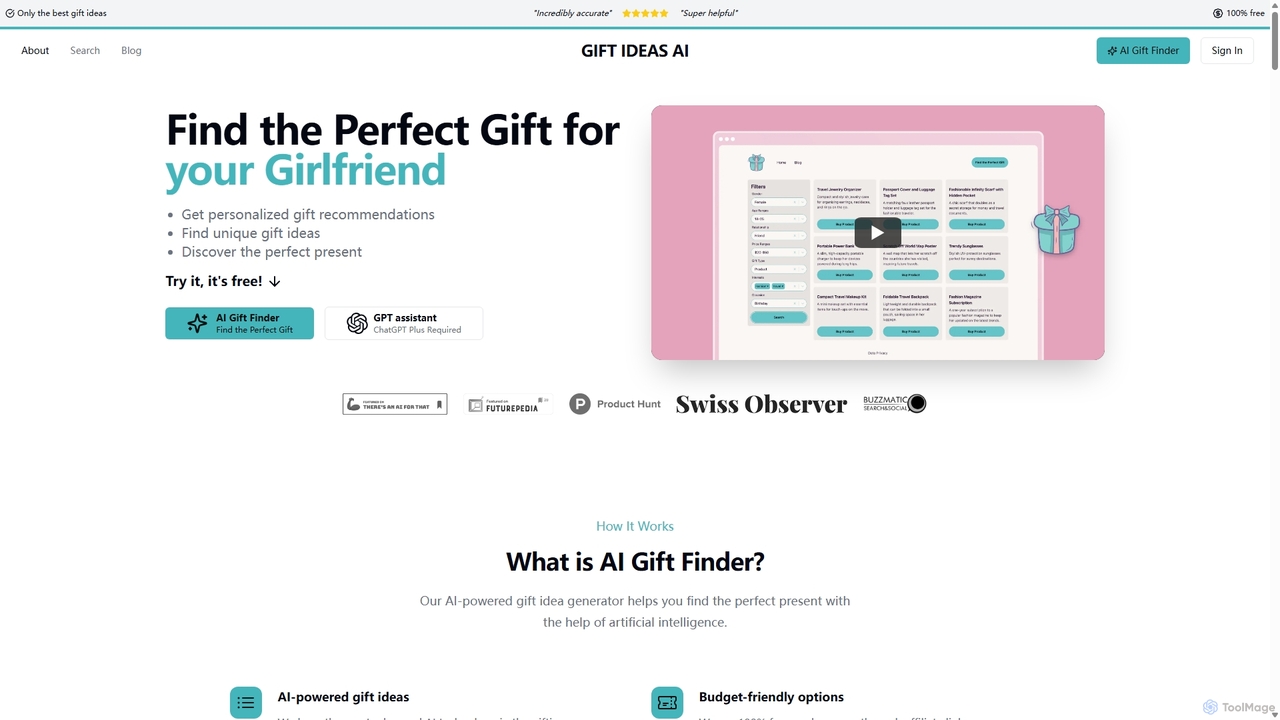
Gift Ideas AI is a free, AI-powered tool designed to eliminate the stress of gift shopping. By leveraging …

2.4K

About Recommendation Engine

A Recommendation Engine is a type of AI tool that predicts user preferences and suggests relevant items, such as products, content, or services. These engines analyze user behavior, historical data, and item attributes using algorithms like collaborative filtering or content-based filtering. They are crucial for personalizing user experiences, increasing engagement, and driving conversions on digital platforms. By delivering tailored suggestions, they help users discover new and interesting items they might otherwise miss.

Core Features

  • Collaborative Filtering: Recommends items based on the preferences and behaviors of similar users.
  • Content-Based Filtering: Suggests items with attributes similar to those a user has liked in the past.
  • Hybrid Models: Combines multiple recommendation strategies to improve accuracy and overcome individual model limitations.
  • Real-time Personalization: Adapts recommendations instantly based on a user's current actions and context.
  • Performance Analytics: Provides dashboards to track key metrics like click-through rates, conversion, and recommendation effectiveness.

Use Cases

Recommendation Engines are widely used in e-commerce, streaming services, news portals, and social media. For instance, an online retailer uses it to power 'Customers also bought' sections, while a video platform suggests movies based on viewing history. They are essential for any platform aiming to deliver a personalized content discovery experience.

How to Choose

When selecting a Recommendation Engine, consider its scalability to handle your user base and item catalog. Evaluate the variety of algorithms offered and their suitability for your data. Also, assess the ease of integration with your existing tech stack via APIs and the level of control available for customizing the recommendation logic.

Recommendation EngineUse Cases

1

Personalizing E-commerce Shopping Experience

An e-commerce manager integrates a recommendation engine to display personalized product carousels like 'Recommended for You' and 'Frequently Bought Together' on product and cart pages. The system analyzes each visitor's browsing history, past purchases, and real-time behavior, comparing it with data from thousands of other shoppers. This automated personalization helps increase the average order value by suggesting relevant upsells and cross-sells, ultimately boosting revenue and customer loyalty without manual curation.

2

Boosting Viewer Engagement on Streaming Platforms

A content manager at a video streaming service uses a recommendation engine to power the platform's discovery features. By analyzing a user's watch history, ratings, genre preferences, and even the time of day they watch, the engine populates the homepage with tailored suggestions for movies and TV shows. This reduces choice paralysis for viewers, increases total watch time, and lowers churn rates by consistently surfacing content that aligns with individual tastes, making the service feel indispensable.

3

Curating Personalized News and Article Feeds

A digital publisher or news outlet employs a recommendation engine to create a dynamic, individualized feed for each reader. The system tracks which articles, topics, and authors a user engages with, learning their interests over time. It then prioritizes and surfaces more relevant content, transforming a generic news site into a personal information hub. This leads to increased session duration, more page views per visit, and higher reader loyalty, which directly translates to greater ad revenue and subscription potential.

4

Enhancing Music and Podcast Discovery

An audio streaming app uses a recommendation engine to generate personalized playlists like 'Discover Weekly' and suggest new artists or podcasts. It analyzes complex user signals such as listening habits, skipped tracks, liked songs, and even playlist additions. By continuously introducing users to new content that precisely matches their taste, the platform fosters a strong sense of discovery and loyalty, making it the go-to service for users to find their next favorite song or podcast.

5

Automating Personalized Email Marketing

A marketing team connects a recommendation engine to their email automation platform. Instead of sending generic newsletters, the engine dynamically populates email templates with product or content suggestions tailored to each recipient's past interactions with the brand. For example, it can recommend products related to a recent purchase or articles similar to ones they've read. This hyper-personalization significantly improves email open rates, click-through rates, and ultimately, conversion, turning email marketing into a more effective revenue channel.

6

Guiding Users to Relevant SaaS Features

A product manager for a SaaS company uses a recommendation engine to improve feature adoption and user proficiency. The engine analyzes how different user segments interact with the application, identifying patterns of successful or underutilized features. It then provides contextual, in-app prompts or suggestions, guiding users toward advanced functionalities they might find valuable but haven't discovered. This proactive guidance helps increase user retention by ensuring customers get the maximum value out of the software.

Recommendation EngineFrequently Asked Questions