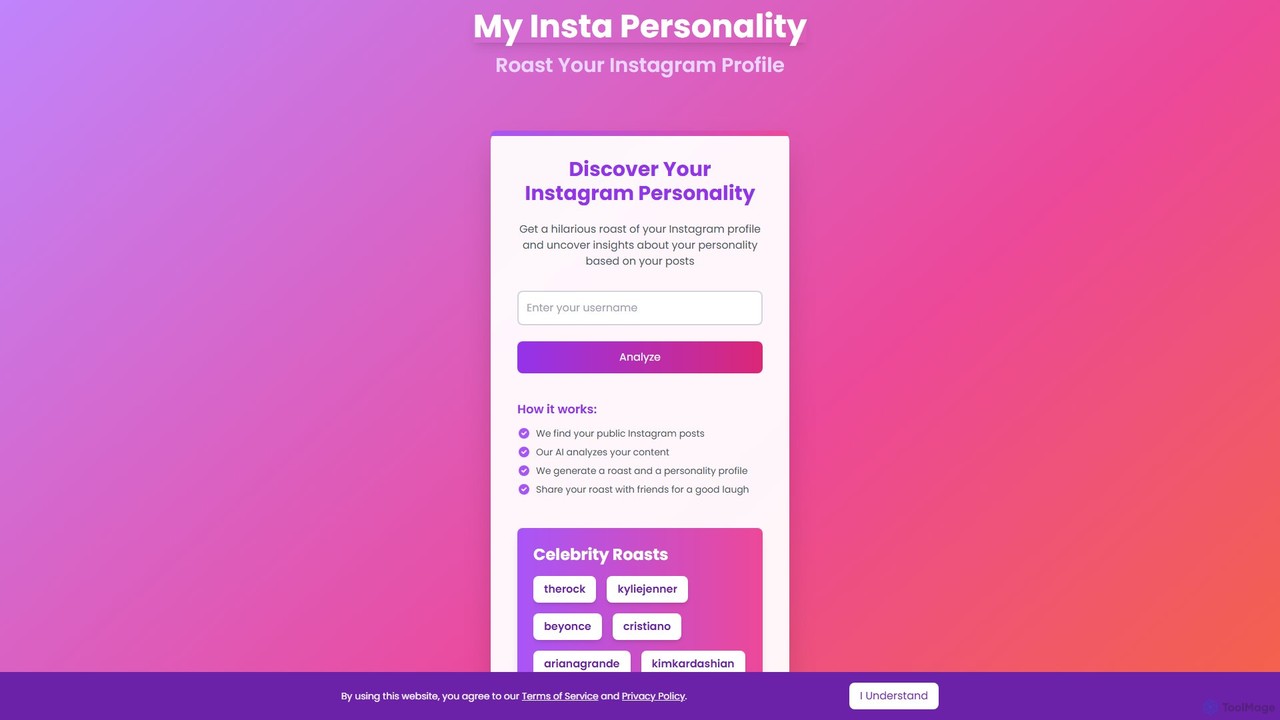
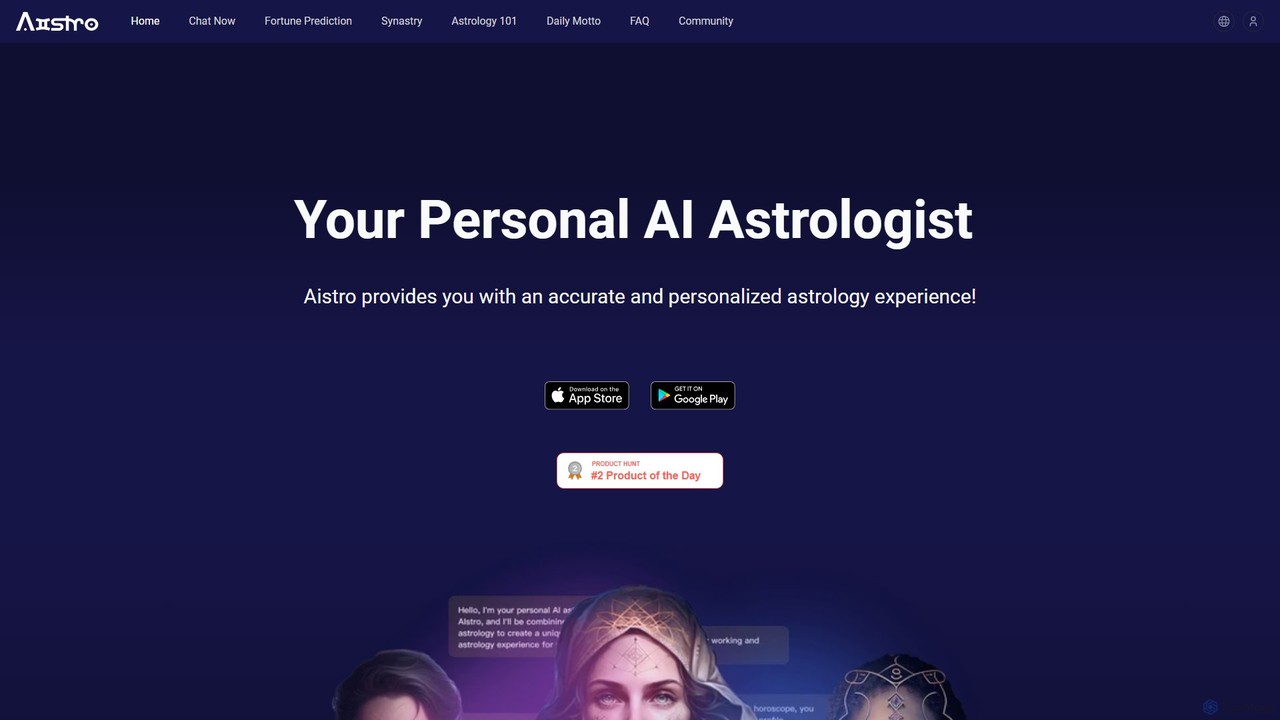
AI Self Discovery tools are applications designed to help users gain deeper insights into their personality, emotions, and behavioral patterns. These tools leverage machine learning algorithms to analyze user inputs, such as journal entries, survey responses, or conversational data, to provide personalized feedback and reflections. The primary value lies in offering an objective, data-driven mirror for self-exploration, helping individuals identify cognitive biases, understand emotional triggers, and align their actions with their core values. They serve as a private, accessible starting point for personal growth and increased self-awareness.
Core Features
- Personality Analysis: Provides insights into personality traits, communication styles, and cognitive preferences based on established psychological frameworks.
- Emotional Pattern Recognition: Analyzes text or mood logs to identify recurring emotional states, their triggers, and temporal patterns.
- AI-Powered Journaling: Offers intelligent prompts and analyzes journal entries to highlight key themes, sentiment shifts, and areas for reflection.
- Guided Reflection: Uses conversational AI to ask probing questions that guide users through structured self-exploration exercises.
- Value & Goal Alignment: Helps users clarify their core values and assess how their daily activities and long-term goals align with them.
Use Cases
These tools are particularly useful for individuals focused on personal development, professionals seeking career clarity, and anyone curious about their own psychological makeup. For example, a young professional might use a tool to understand their strengths and weaknesses before a career change. Similarly, someone looking to improve their emotional intelligence could use an AI journal to track and understand their emotional responses in various situations.
How to Choose
When selecting an AI Self Discovery tool, consider the underlying methodology; look for tools based on recognized psychological theories. Data privacy is paramount, so review the privacy policy to understand how your sensitive information is handled. Also, evaluate the user interface—whether you prefer a chatbot, a structured journal, or assessment-based interactions. Finally, assess the depth of the insights provided, favoring tools that offer actionable feedback over generic statements.