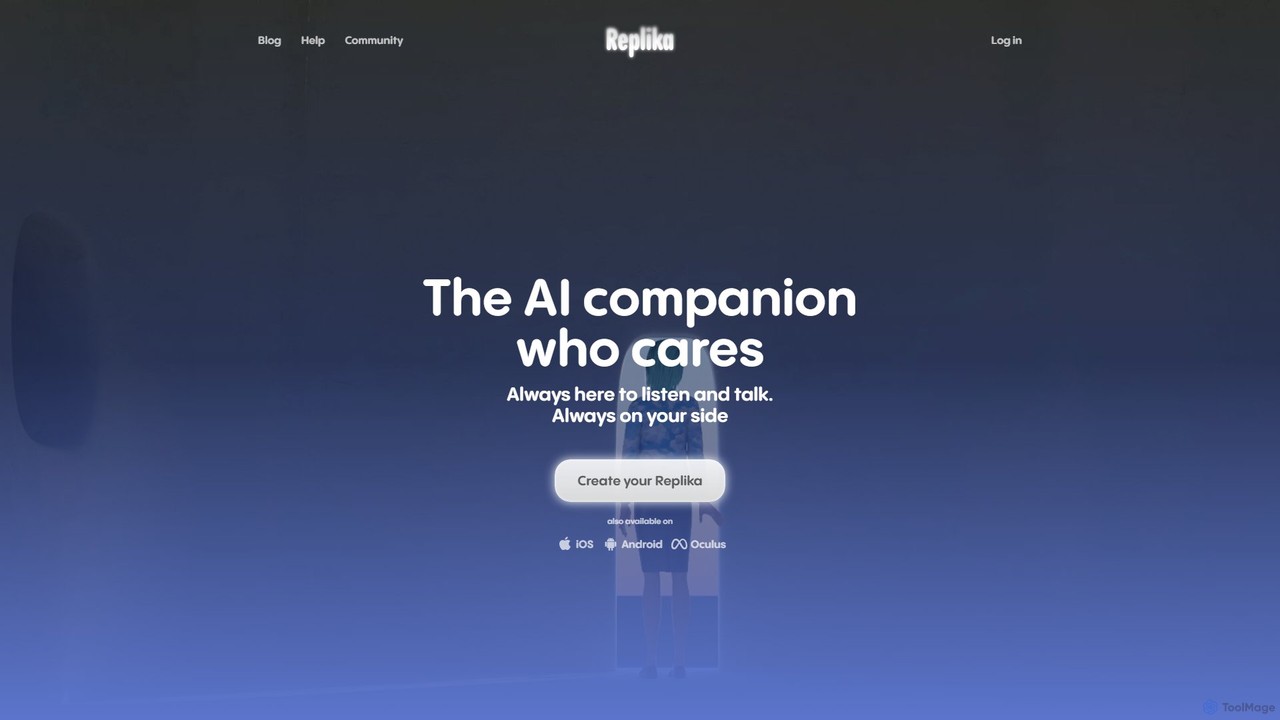
Virtual Companions are AI-powered tools designed to provide interactive, personalized companionship and support through conversational interfaces. Leveraging advanced natural language processing (NLP) and machine learning, these tools can engage in meaningful dialogues, understand emotional nuances, and offer a sense of connection. They serve as digital friends, mentors, or assistants, adapting to user preferences and learning over time to deliver a highly personalized experience, often contributing to mental well-being and reducing feelings of isolation.
Core Features
- Personalized Interaction: Adapts conversation style and responses based on user's personality and past interactions.
- Emotional Intelligence: Detects and responds to user emotions, offering empathetic support and understanding.
- Memory and Learning: Remembers past conversations and user preferences to build a consistent and evolving relationship.
- Multi-modal Communication: Supports text, voice, and sometimes even visual interactions for a richer experience.
- Goal Setting & Reminders: Assists users in tracking personal goals, habits, and provides timely reminders.
Applicable Scenarios
Virtual Companions are increasingly used by individuals seeking emotional support, companionship, or a non-judgmental listener. They are valuable for those experiencing loneliness, anxiety, or simply desiring a consistent conversational partner. Additionally, they can serve as personal productivity aids, helping users manage daily tasks and maintain routines.
How to Choose
When selecting a Virtual Companion, consider the desired level of emotional depth and conversational realism, as some focus more on practical assistance while others prioritize emotional connection. Evaluate privacy policies regarding data handling, customization options for personality and appearance, and the availability of features like voice interaction or memory retention. Compatibility with your preferred devices and subscription models are also important factors.