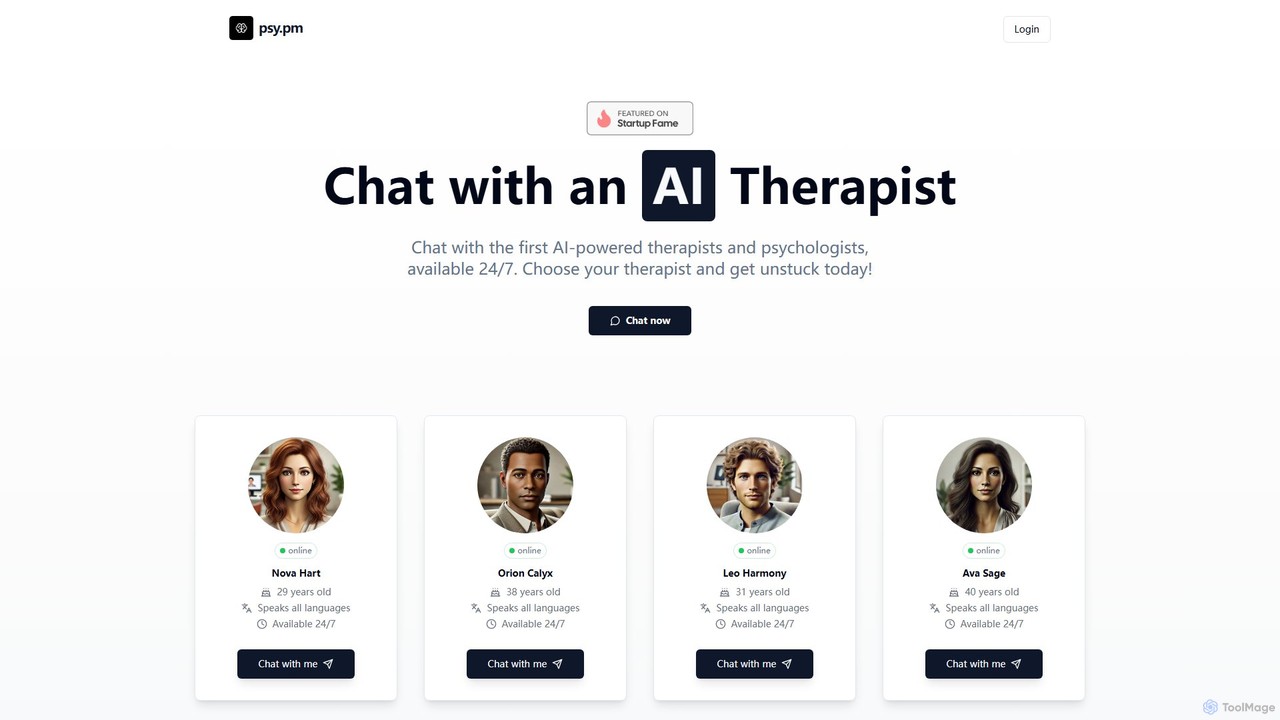
Wellbeing AI tools are a specialized category of artificial intelligence applications meticulously designed to enhance mental, emotional, and physical health. These innovative tools leverage advanced algorithms, machine learning, and data analysis to offer highly personalized support, guidance, and actionable insights for improving overall personal wellness. They empower individuals to proactively manage stress, improve sleep quality, cultivate mindfulness, track mood patterns, and maintain a healthier, more balanced lifestyle, seamlessly integrating into the broader "Personal" AI tools ecosystem by focusing specifically on holistic health.
Core Features
- Personalized Guidance: Offers tailored recommendations for meditation, breathing exercises, physical activities, or stress reduction techniques based on individual user data, preferences, and progress.
- Mood & Emotion Tracking: Provides intuitive interfaces for users to log their emotional states, analyzing input to identify patterns, triggers, and provide insights into mental wellbeing over time.
- Sleep Optimization: Utilizes sensors and AI to monitor sleep cycles, identify disturbances, and suggest personalized interventions such as soundscapes, bedtime routines, or environmental adjustments to improve sleep quality and duration.
- Mindfulness & Meditation: Delivers a wide array of guided meditation sessions, breathing exercises, and mindfulness practices, often adapting to the user's current state or goals to foster presence and reduce anxiety.
- Cognitive Behavioral Support: Offers AI-driven exercises, journaling prompts, and interactive modules based on Cognitive Behavioral Therapy (CBT) principles to help users identify and challenge negative thought patterns and develop healthier coping mechanisms.
Applicable Scenarios
Individuals frequently utilize Wellbeing AI tools for daily stress management, accessing guided meditations and breathing exercises to calm the mind during busy periods or before important events. They are also invaluable for those aiming to significantly improve sleep quality, with AI analyzing sleep patterns, identifying issues, and offering personalized advice or soothing soundscapes. Furthermore, these tools assist in tracking mood fluctuations over extended periods, providing valuable data for self-awareness, early detection of patterns, and informed discussions with healthcare professionals.
How to Choose
When selecting a Wellbeing AI tool, it's crucial to consider its primary focus—whether it's mental health, sleep improvement, physical fitness, or a holistic approach—and the depth of personalization it offers. Evaluate the tool's data privacy policies and its ability to securely integrate with other health devices or applications. Prioritize tools that incorporate evidence-based practices like CBT or mindfulness, and thoroughly assess the user interface for intuitiveness, engagement, and overall ease of use to ensure consistent adoption.