Product Best in category 2 results Roadmapping AI Tool

Popular AI tools in the Roadmapping field of Product include Miro Insights、Feedback Sync, etc., helping you quickly improve efficiency.

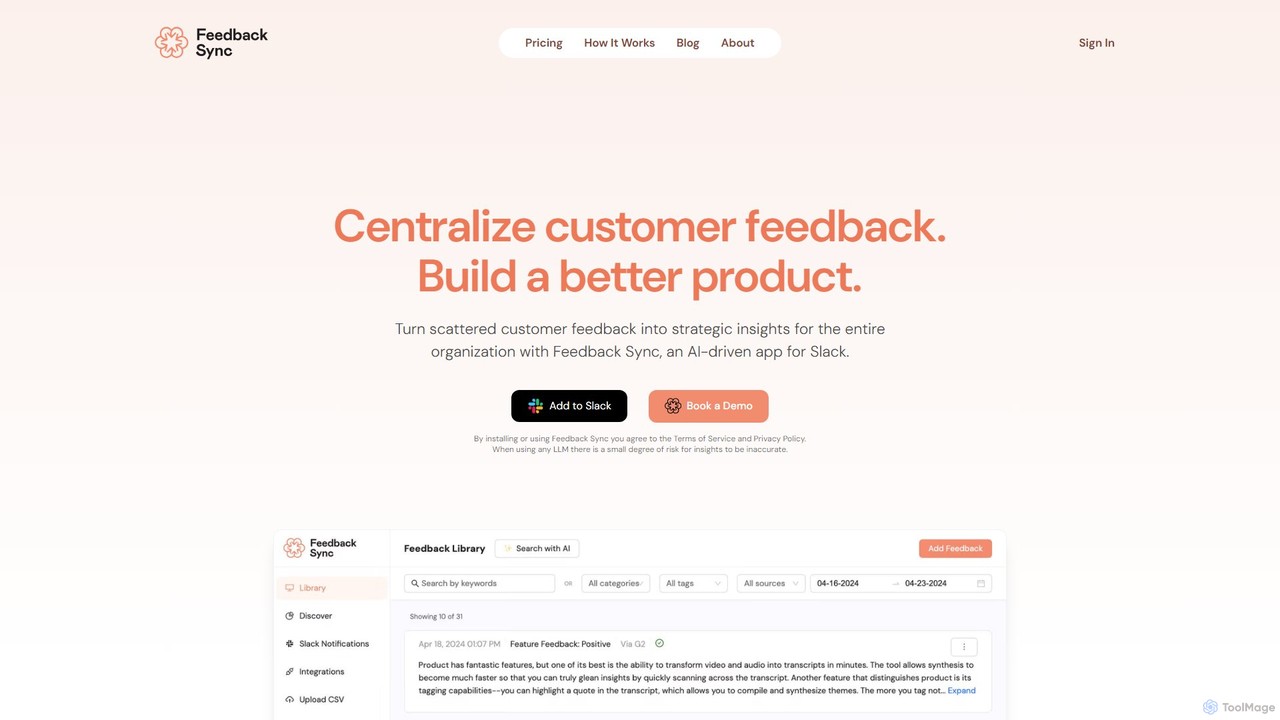
Feedback Sync

Feedback Sync

Feedback Sync is an AI-driven app for Slack that centralizes customer feedback from various sources like Zendesk and …

2.3K
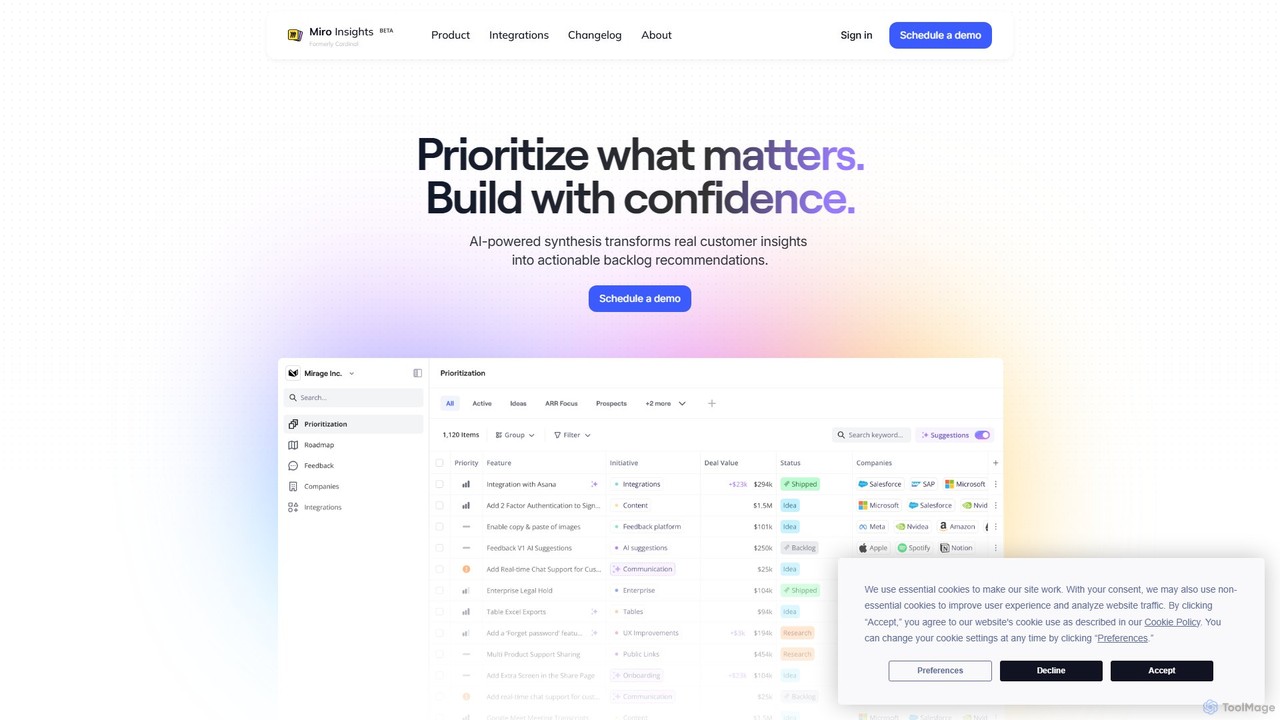
Miro Insights

Miro Insights

Miro Insights is an AI-powered product management platform that helps teams centralize customer feedback, analyze it for actionable …

3.3K

About Roadmapping

AI Roadmapping tools are specialized platforms for visually planning, communicating, and managing a product's strategic direction. These tools leverage AI to analyze data, suggest priorities, and forecast timelines, moving beyond static diagrams. They enable teams to create dynamic, data-driven roadmaps that connect high-level goals with day-to-day execution. The primary value lies in aligning stakeholders, adapting to changes, and providing a clear vision of where a product is heading.

Core Features

  • AI-Powered Prioritization: Uses algorithms to score and rank initiatives based on predefined frameworks like RICE or custom business drivers.
  • Dynamic Timeline Visualization: Automatically generates and updates visual roadmaps, such as Gantt charts or timeline views, reflecting real-time progress.
  • Dependency Mapping: Intelligently identifies and visualizes dependencies between features, teams, and milestones to proactively flag potential risks.
  • Scenario Planning & Forecasting: Simulates the impact of different decisions or changing priorities on timelines and resource allocation.
  • Automated Stakeholder Reporting: Generates tailored views and progress reports for different audiences, from engineering teams to executive leadership.

Use Cases

Primarily used by product managers, engineering leads, and executives in technology companies. They are crucial for quarterly and annual planning, communicating product strategy to internal teams and external partners, and tracking progress against strategic objectives. For example, a product team can use it to map out a new feature launch, while leadership uses it to view the entire product portfolio's progress.

How to Choose

When selecting an AI Roadmapping tool, consider its integration capabilities with development tools like Jira or GitHub to ensure data flows automatically. Evaluate the sophistication of its AI features—does it offer simple scoring or advanced predictive analytics? Also, assess the flexibility of its visualization options and the ease of sharing and customizing views for different stakeholders. Finally, consider the pricing model and its scalability as your team and product portfolio grow.

RoadmappingUse Cases

1

Aligning Quarterly Product Strategy for Executives

A Head of Product needs to present the upcoming quarterly strategy to the C-suite. Instead of static slides, they use an AI roadmapping tool to create a high-level, outcome-oriented roadmap. The tool automatically pulls progress data from development tools, showing how proposed initiatives tie back to company OKRs. AI-powered scenario planning allows them to instantly model the impact of budget changes or shifting a major launch, enabling a data-driven strategic conversation and securing executive buy-in faster.

2

Managing Dependencies for a Complex Feature Launch

An engineering manager is overseeing a major feature launch that involves the frontend, backend, and mobile teams. They use an AI roadmapping tool to map out all tasks and milestones. The tool's AI automatically identifies dependencies between tasks across different teams. When a delay in a backend API task is logged in Jira, the roadmap instantly visualizes the impact on the frontend and mobile timelines, automatically flagging the risk and notifying relevant team leads. This proactive visibility prevents a cascade of delays and allows for immediate course correction.

3

Prioritizing Features Using a Data-Driven Framework

A product manager is faced with hundreds of feature requests from sales, support, and customers. To move beyond subjective decision-making, they use an AI roadmapping tool. They input each feature idea and score it against a predefined RICE (Reach, Impact, Confidence, Effort) framework. The AI assists by pulling relevant data, such as the number of users requesting a feature or estimating development effort based on similar past tasks. The tool then generates a prioritized list, allowing the PM to build a defensible roadmap based on objective data and clearly communicate why certain features are being built first.

4

Communicating Roadmaps to Different Stakeholders

A product team needs to share its roadmap with multiple audiences: the engineering team needs a detailed, feature-level view; the sales team needs a high-level view focused on customer benefits; and leadership needs a strategic view tied to revenue goals. Using an AI roadmapping tool, the product manager maintains a single source of truth but creates multiple, customized views. They can toggle details, switch between timeline and Kanban views, and filter by strategic goal. This ensures every stakeholder sees the information most relevant to them, without the overhead of creating and maintaining separate documents, fostering better alignment across the organization.

5

Forecasting Release Dates and Resource Needs

A portfolio manager needs to plan the next six months for multiple product lines. They use an AI roadmapping tool to lay out the major initiatives. By analyzing historical data on team velocity and project complexity, the tool's AI provides a probabilistic forecast for completion dates, such as an '80% confidence' delivery window, rather than a single, often inaccurate, date. It also highlights potential resource bottlenecks, suggesting where an additional engineer or designer might be needed to meet strategic deadlines. This transforms planning from guesswork into a data-informed forecasting exercise.

6

Automating Progress Tracking and Reporting

A Program Manager is responsible for reporting on the status of several key initiatives to leadership each week. This used to involve manually chasing updates from different teams and compiling them into a presentation. Now, they use an AI roadmapping tool that integrates with Jira, Asana, and GitHub. The tool automatically pulls task statuses, calculates percentage completion for epics, and updates the roadmap in real-time. The AI component can even flag initiatives that are falling behind schedule or are at risk of missing their targets, allowing the Program Manager to focus on problem-solving rather than data collection and report generation.

RoadmappingFrequently Asked Questions