Retail Best in category 1 results Customer Behavior AI Tool

Popular AI tools in the Customer Behavior field of Retail include Calton Datx, etc., helping you quickly improve efficiency.

Calton Datx

Calton Datx

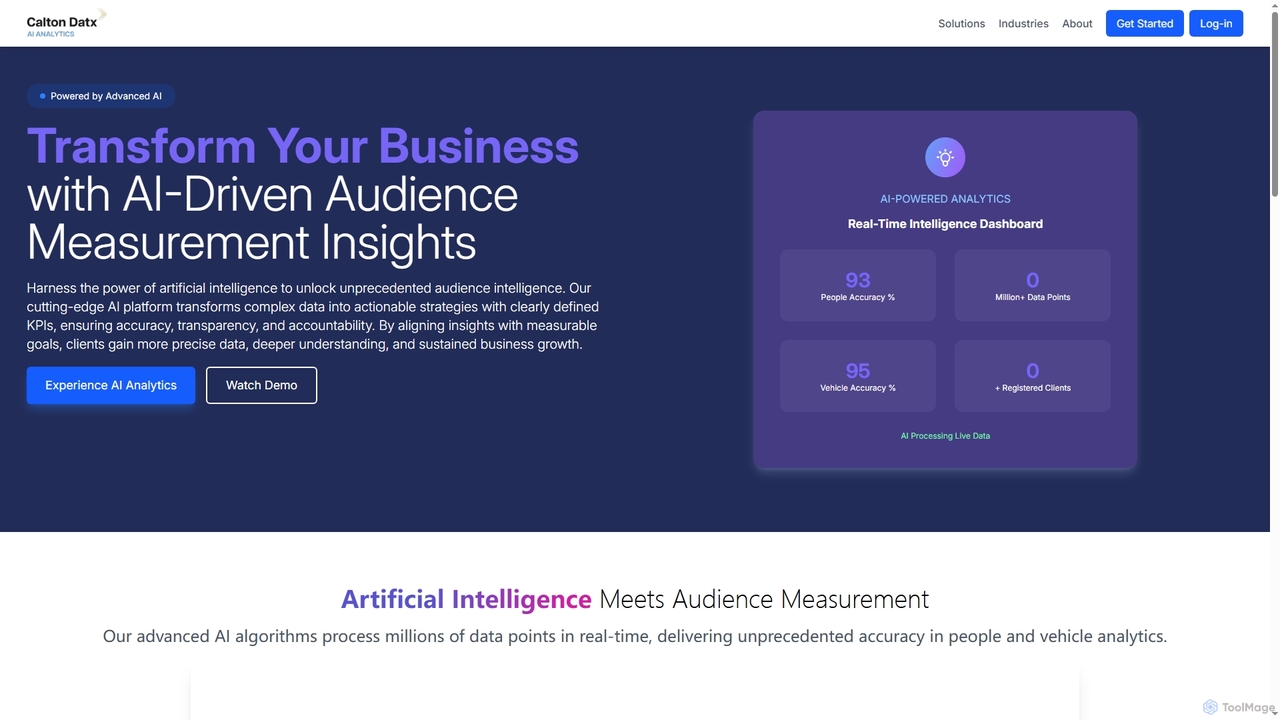
Calton Datx is an AI-powered audience measurement and analytics platform that provides real-time insights into people and vehicle …

3.8K

About Customer Behavior

Customer Behavior AI tools are specialized solutions that leverage artificial intelligence to analyze, predict, and influence how customers interact with a business. These tools process vast amounts of data—from purchase history and browsing patterns to social media interactions—to uncover deep insights into customer preferences and motivations. They enable businesses, particularly in retail, to understand buying habits, personalize experiences, and optimize engagement strategies, ultimately driving sales and fostering loyalty.

Core Features

  • Predictive Analytics: Forecast future customer actions like purchase likelihood, churn risk, or next best offer based on historical data.
  • Segmentation & Personalization: Automatically group customers into distinct segments and deliver tailored content, product recommendations, or marketing messages.
  • Sentiment Analysis: Gauge customer emotions and opinions from text data (reviews, social media) to understand satisfaction and pain points.
  • Journey Mapping: Visualize and analyze customer touchpoints across various channels to identify friction points and optimization opportunities.
  • Attribution Modeling: Determine the effectiveness of different marketing channels and touchpoints in driving customer conversions.

Applicable Scenarios

Retail businesses, e-commerce managers, marketing teams, and customer service departments extensively use Customer Behavior AI tools. For instance, an online fashion retailer might use these tools to predict which customers are likely to churn and proactively offer personalized discounts. A grocery chain could analyze purchasing patterns to optimize store layouts and product placements, while a subscription box service might use them to tailor product selections based on individual preferences.

How to Choose

When selecting Customer Behavior AI tools, consider the breadth of data sources it can integrate with (CRM, ERP, web analytics), its predictive accuracy, and the depth of its segmentation capabilities. Evaluate the ease of use and visualization features for non-technical users, as well as its ability to scale with your customer base. Finally, assess the level of customization for specific retail business rules and the quality of customer support.

Customer BehaviorUse Cases

1

Predicting Customer Churn

Subscription-based retail businesses, such as streaming services or beauty box providers, utilize Customer Behavior AI to identify subscribers at high risk of cancellation. By analyzing engagement metrics, past interactions, and demographic data, the AI predicts churn likelihood. This allows marketing teams to proactively intervene with targeted retention offers, personalized content, or improved customer support, significantly reducing subscriber loss and increasing customer lifetime value.

2

Personalizing Product Recommendations

E-commerce platforms and online retailers deploy these tools to offer highly relevant product suggestions to individual shoppers. Based on browsing history, purchase patterns, items viewed, and even real-time behavior, the AI generates personalized recommendations. This enhances the shopping experience, increases average order value, and improves conversion rates by presenting customers with items they are more likely to purchase.

3

Optimizing Marketing Campaign Targeting

Marketing managers in retail leverage Customer Behavior AI to refine audience segmentation for advertising campaigns. The tools analyze customer data to create granular segments based on preferences, buying intent, and lifecycle stage. This enables marketers to deliver highly targeted ads and promotions to the most receptive audiences, leading to higher click-through rates, better conversion performance, and more efficient ad spend.

4

Enhancing In-Store Experience with Data

Brick-and-mortar retailers use AI to analyze anonymized in-store customer movement, dwell times, and interaction patterns (e.g., with digital displays). By integrating this with purchase data, they can optimize store layouts, product placement, and staffing levels. This data-driven approach helps create a more intuitive and enjoyable shopping environment, improving customer satisfaction and driving impulse purchases.

5

Automating Customer Service Personalization

Customer service departments in retail integrate Customer Behavior AI to provide more personalized and efficient support. When a customer initiates contact, the AI quickly surfaces relevant information about their purchase history, previous interactions, and potential issues. This empowers agents to offer tailored solutions, anticipate needs, and resolve queries faster, leading to improved customer satisfaction and loyalty.

6

Identifying Cross-Selling and Upselling Opportunities

Sales and marketing teams use Customer Behavior AI to pinpoint optimal moments and products for cross-selling and upselling. By analyzing a customer's current purchases, past behavior, and similar customer profiles, the AI suggests complementary or premium products. This allows businesses to strategically present relevant offers at the right time, maximizing revenue from existing customers without appearing intrusive.

Customer BehaviorFrequently Asked Questions