
ToolMage
Sign in

Best 1 Omnichannel AI tools for Retail

Popular Omnichannel AI tools in Retail include Fynd, helping you work more efficiently.

Fynd
Freemium

Fynd

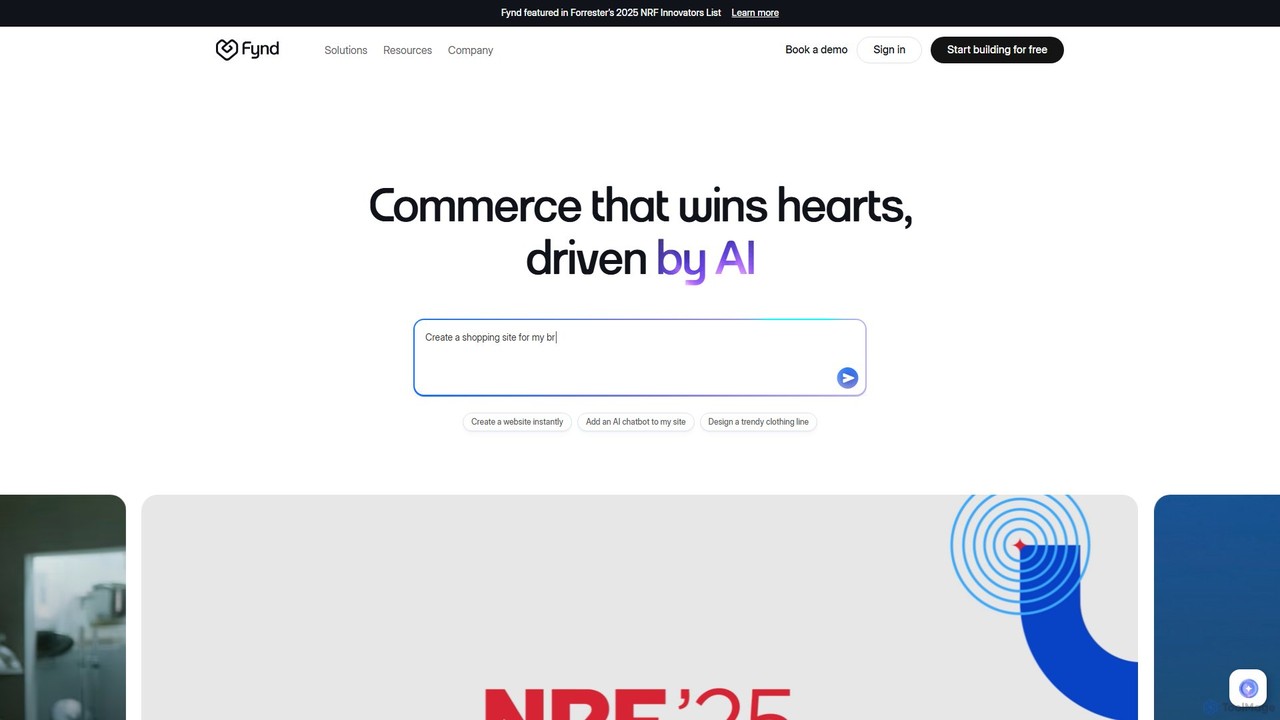
Fynd is an AI-powered omnichannel commerce platform designed for retail businesses. It provides a comprehensive suite of tools for online sales, in-store operations, fulfillment, and AI-driven design and marketing. Fynd helps brands unify their online and offline presence, automate workflows, and create enhanced customer experiences with technologies like AR, VR, and AI chatbots.

Fashion
Visits 244.1KFavorites 141Likes 139

About Omnichannel

Omnichannel AI tools are platforms designed to create a seamless and unified customer experience across all physical and digital touchpoints. These tools leverage AI to integrate data from e-commerce sites, mobile apps, physical stores, and customer service channels into a single customer profile. This enables retailers to deliver consistent, personalized interactions, regardless of how or where the customer engages. The primary value lies in breaking down data silos to understand the complete customer journey and drive loyalty.

Core Features

  • Unified Customer Profile: Consolidates data from all channels into a single, 360-degree view of the customer.
  • Cross-Channel Inventory Visibility: Provides real-time inventory information across stores and warehouses to enable services like click-and-collect.
  • Journey Orchestration: Maps and automates customer interactions across different channels, ensuring a consistent experience.
  • Personalization Engine: Uses AI to deliver tailored product recommendations, offers, and content on any channel.
  • Attribution and Analytics: Measures the impact of each touchpoint on the path to purchase, providing a holistic view of marketing effectiveness.

Use Cases

Omnichannel AI tools are essential for modern retail and e-commerce businesses aiming to bridge the gap between online and offline experiences. They are used by marketing teams to run cohesive campaigns, by operations for efficient order fulfillment (like BOPIS), and by customer service agents to access a complete history of customer interactions for faster, more effective support.

How to Choose

When selecting an Omnichannel AI tool, consider its integration capabilities with your existing systems (e-commerce platform, POS, CRM). Evaluate the platform's data management and segmentation power. Assess the sophistication of its AI-driven personalization engine and ensure it supports the specific channels your customers use. Finally, consider scalability to support business growth and increasing data volume.

Omnichannel use cases

1

Unified Customer View for In-Store Personalization

A fashion retailer uses an omnichannel platform to connect a customer's online browsing history and wishlist with their in-store profile. When the customer enters a store, a sales associate receives a notification on their tablet. This notification displays the items the customer recently viewed online, allowing the associate to provide hyper-personalized recommendations and locate specific sizes or colors immediately. This bridges the digital-to-physical gap, creating a seamless shopping experience and increasing the likelihood of a purchase.

2

Streamlining 'Buy Online, Pick Up In-Store' (BOPIS)

A home goods retailer implements an omnichannel AI system to manage real-time inventory across all locations. When a customer places a BOPIS order online, the system instantly identifies the nearest store with stock. It then reserves the item, sends an automated confirmation to the customer, and alerts store staff to prepare the order. The customer receives timely updates, including when the order is ready for pickup. This process reduces wait times, prevents stockouts, and improves operational efficiency.

3

Consistent Cross-Channel Customer Support

A customer initiates a support query via a website chatbot about a recent order. Later, they call the customer service hotline for a more detailed discussion. With an omnichannel platform, the phone agent instantly sees the entire chatbot conversation history, order details, and past purchase data. The customer doesn't need to repeat their issue, and the agent can provide a fast, context-aware resolution. This creates a frictionless support experience, increasing customer satisfaction and reducing call handling times.

4

Automating Personalized Marketing Campaigns

A cosmetics brand uses an omnichannel AI tool to orchestrate a product launch campaign. The system identifies customers who previously purchased similar products. It then sends a personalized email announcement, followed by a targeted ad on social media. If a customer adds the new product to their online cart but doesn't check out, the system triggers a reminder notification via the mobile app after 24 hours. This automated, multi-step journey ensures consistent messaging and maximizes conversion rates across all channels.

5

Managing Loyalty Programs Across All Channels

An electronics store's loyalty program is managed through an omnichannel platform. A customer can earn points by making a purchase in-store, writing a product review on the website, or engaging with the brand's app. The platform tracks all these activities in real-time, updating the customer's point balance instantly. The customer can then redeem their points for a discount seamlessly, whether they are checking out online or at a physical cash register. This unified approach makes the loyalty program more engaging and easier for customers to use.

6

Holistic Performance Analytics and Attribution

A marketing manager for a retail brand wants to understand the true ROI of their campaigns. Using an omnichannel analytics tool, they can track a customer's journey from seeing a social media ad, to clicking an email link, to finally making a purchase in a physical store by scanning a QR code. The AI model attributes the sale correctly across these different touchpoints, providing a clear picture of what's working. This allows the manager to optimize marketing spend and allocate budget more effectively, moving beyond last-click attribution models.

Omnichannel FAQ

What are Omnichannel AI tools?

Omnichannel AI tools are software platforms that unify customer data and interactions from all channels—such as websites, mobile apps, physical stores, and social media—into a single, coherent system. Their primary goal is to create a seamless customer experience, allowing customers to switch between channels without any disruption. AI is used to analyze the unified data to personalize marketing, streamline operations like inventory management, and provide context-aware customer support.

What's the difference between Omnichannel and Multichannel?

The key difference lies in integration and customer focus. Multichannel means having a presence on multiple channels (e.g., a store, a website, an app), but these channels often operate independently, in silos. Omnichannel integrates these channels to work together seamlessly. In an omnichannel strategy, the customer is at the center, and their journey across channels is tracked and unified. For example, a multichannel approach lets you buy online or in-store, while an omnichannel approach lets you buy online and return the item in-store, with the staff having full access to your online order details.

How to choose the right Omnichannel platform for a retail business?

When selecting an omnichannel platform, consider these four key factors:

  • Integration Capabilities: Ensure the platform can seamlessly connect with your existing tech stack, including your e-commerce site (e.g., Shopify, Magento), Point of Sale (POS) system, and CRM.
  • Data Unification: The platform must be able to ingest data from all customer touchpoints and create a single, accurate customer profile.
  • Scalability: Choose a solution that can grow with your business, handling increasing numbers of customers, products, and channels without performance issues.
  • Channel Support: Verify that the platform supports all the channels where your customers are active, from social media and email to in-store and mobile apps.
What are the main benefits of using an Omnichannel AI tool?

The primary benefits include a deeper understanding of customer behavior through unified data, which leads to more effective personalization. This results in higher customer satisfaction, loyalty, and lifetime value. Operationally, these tools improve inventory accuracy, streamline fulfillment processes like BOPIS, and enhance the efficiency of customer support teams. Ultimately, an omnichannel strategy driven by AI helps retailers increase revenue and build a stronger, more resilient brand.

Who should use Omnichannel AI tools?

Omnichannel AI tools are most beneficial for B2C businesses, particularly in retail, e-commerce, and hospitality, that interact with customers across multiple channels. Key users include:

  • Marketing Teams: To create personalized, cohesive campaigns and accurately measure ROI.
  • Operations & Logistics Managers: To manage inventory across locations and streamline order fulfillment.
  • Customer Service Leaders: To equip agents with a 360-degree customer view for better support.
  • E-commerce Managers: To bridge the gap between their online store and physical locations, improving the overall customer experience.