twinit
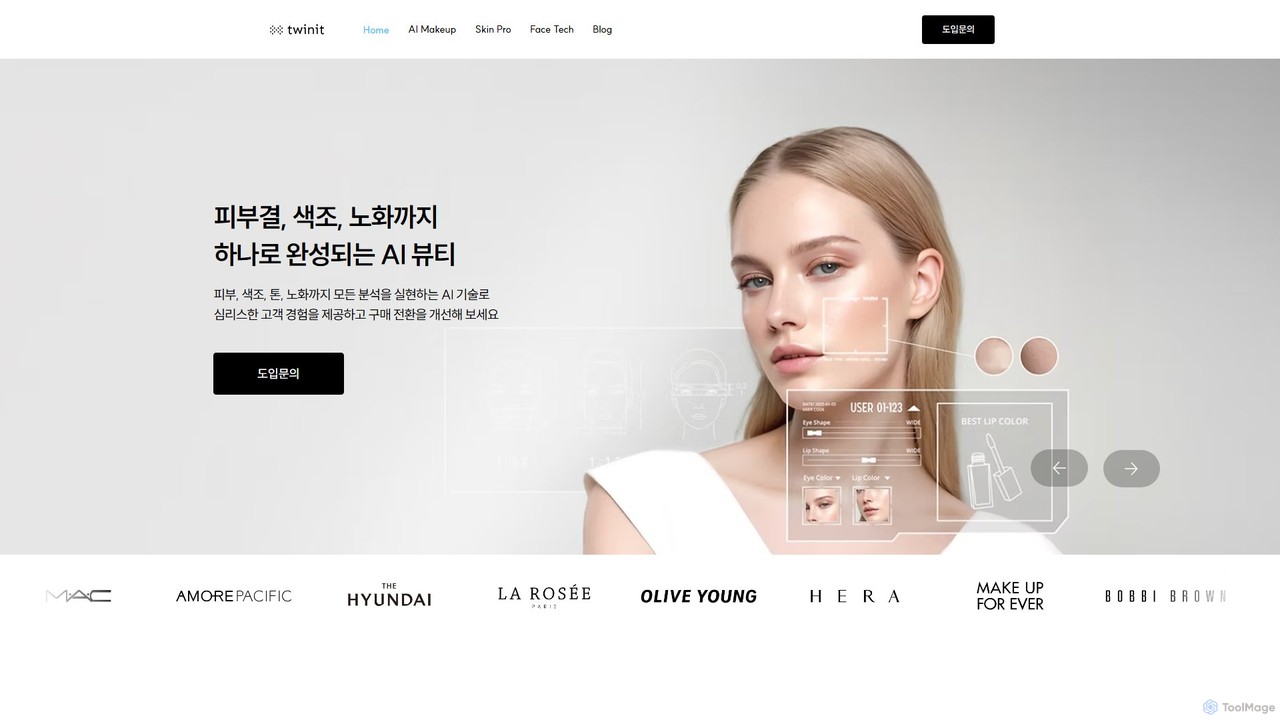
twinit is an advanced AI beauty technology solution offering hyper-realistic virtual makeup try-ons and in-depth skin analysis. Designed …
twinit is an advanced AI beauty technology solution offering hyper-realistic virtual makeup try-ons and in-depth skin analysis. Designed for beauty brands and retailers, it enhances customer engagement, increases conversion rates, and provides data-driven personalization through its award-winning technology.
About In Store Experience
In Store Experience AI tools are a specialized category of retail technology designed to analyze and enhance the customer journey within physical stores. These tools leverage technologies like computer vision, IoT sensors, and machine learning to gather real-time data on shopper behavior and store operations. The primary goal is to create a more engaging, personalized, and efficient shopping environment, bridging the gap between digital convenience and physical retail. By understanding customer flow and interactions, retailers can optimize layouts, personalize promotions, and streamline processes like checkout.
Core Features
- Customer Behavior Analytics: Utilizes cameras and sensors to analyze foot traffic patterns, dwell times, and product interactions to optimize store layout and marketing.
- Smart Shelves & Inventory Management: Employs weight sensors or computer vision to monitor stock levels in real-time, preventing out-of-stocks and automating reordering.
- Frictionless Checkout: Enables grab-and-go shopping experiences where customers are automatically charged without needing a traditional checkout line.
- Personalized In-Store Marketing: Delivers targeted advertisements and product recommendations on digital screens based on anonymous demographic data or loyalty program information.
- Interactive Fitting Rooms: Features smart mirrors that allow customers to request different sizes, see product recommendations, or virtually try on items.
Use Cases
These tools are primarily used by brick-and-mortar retailers, including supermarkets, fashion boutiques, department stores, and electronics shops. They help store managers optimize staffing based on traffic peaks, merchandisers improve product placement for higher sales, and marketing teams create dynamic, location-based campaigns that increase customer engagement and basket size.
How to Choose
When selecting an In Store Experience AI tool, consider its integration capabilities with your existing POS and inventory systems. Evaluate the accuracy and scope of its data analytics. Also, assess the hardware requirements (cameras, sensors), scalability for multiple locations, and ensure strict compliance with data privacy regulations like GDPR or CCPA. Finally, consider the total cost of ownership, including installation and maintenance.

In Store ExperienceUse Cases
Optimizing Store Layout with Heatmap Analytics
A department store manager uses an AI-powered video analytics platform to understand customer flow. The system processes footage from existing security cameras to generate heatmaps, identifying high-traffic 'hot zones' and low-traffic 'cold zones'. By analyzing this data, the manager discovers that a high-margin product category is in a cold zone. They relocate the display to a hot zone near the entrance, resulting in a 15% increase in sales for that category within a month and a more intuitive shopping path for customers.
Implementing Frictionless Checkout in a Grocery Store
A grocery chain implements a 'just walk out' system in one of its urban express stores. Customers scan a QR code in the store's app to enter. A network of cameras and shelf sensors tracks the items they pick up. When they leave, their linked payment method is automatically charged, and a receipt is sent to their app. This eliminates checkout lines, significantly improving customer convenience during peak hours and allowing the store to reallocate staff from cashier duties to customer assistance and restocking.
Enhancing the Fitting Room Experience with Smart Mirrors
A high-end fashion boutique installs AI-powered smart mirrors in its fitting rooms. When a customer brings an item in, the mirror uses RFID tags to identify it and displays it on screen with recommendations for matching accessories. The customer can use the touchscreen interface to request different sizes or colors, which are then brought by a sales associate. This creates a premium, seamless experience, increases the chances of upselling, and provides valuable data on which items are most frequently tried on but not purchased.
Preventing Stockouts with Real-Time Shelf Monitoring
A large supermarket chain uses AI-powered smart shelves equipped with weight sensors. These shelves constantly monitor the inventory levels of fast-moving items like milk and bread. When the weight of a product drops below a predefined threshold, an alert is automatically sent to the mobile devices of store associates. This allows them to restock the shelf proactively before it becomes empty, preventing lost sales due to out-of-stock situations and improving overall customer satisfaction.
Delivering Personalized Promotions via Digital Signage
An electronics store uses AI-powered digital screens placed at the end of aisles. The system's camera anonymously analyzes the general demographics (e.g., age group, gender) of shoppers looking at the screen. It then displays promotions most relevant to that demographic, such as gaming accessory deals for a younger audience or smart home devices for an older one. This dynamic advertising approach increases the relevance of in-store marketing, leading to higher engagement with promotions and a lift in sales for featured products.
Assisting Shoppers with In-Store Navigation Robots
In a large home improvement store, a customer service robot roams the aisles. A shopper can ask the robot, 'Where can I find deck screws?' The robot uses natural language processing to understand the query and its internal mapping system to locate the product. It then either displays a map on its screen or physically leads the customer to the correct aisle. This improves the customer experience by providing instant help, reduces frustration from searching, and frees up human staff to handle more complex, advisory sales tasks.