ToolMage
Sign in

Best 1 E Commerce AI tools for Retail

Popular E Commerce AI tools in Retail include Snapss, helping you work more efficiently.

Snapss
Paid

Snapss

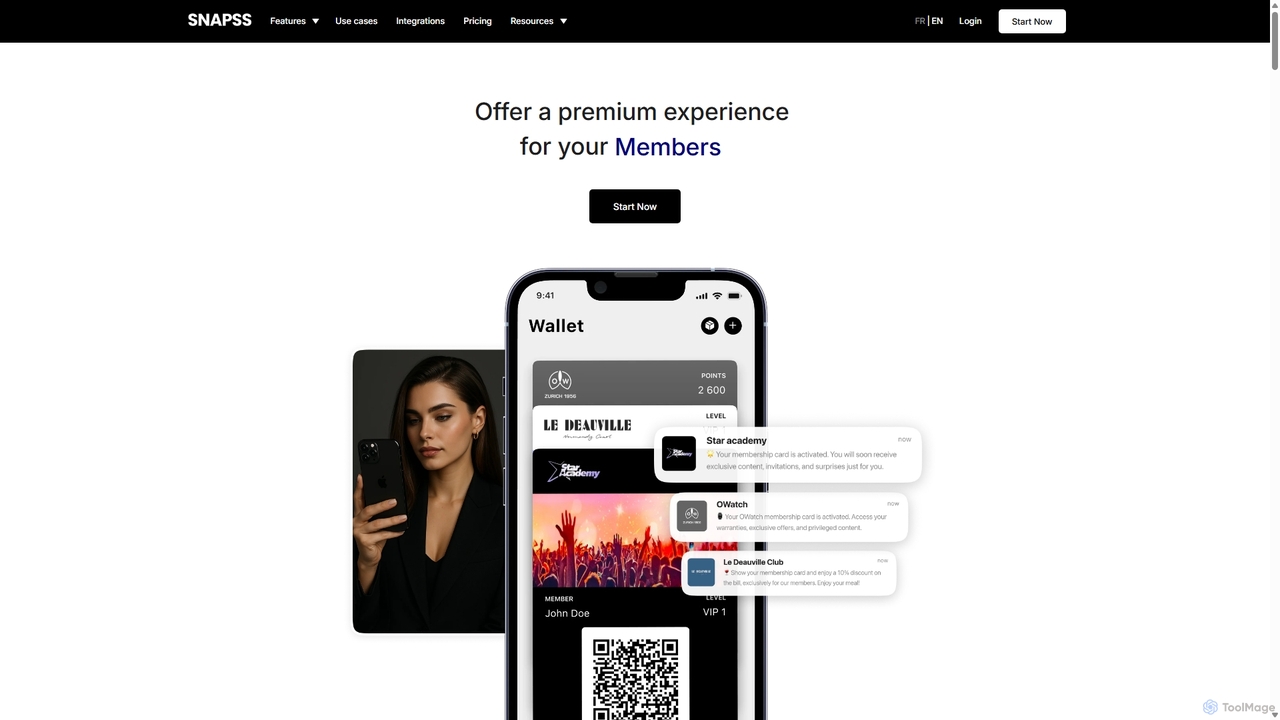
Snapss is an all-in-one digital loyalty platform that enables businesses to create and manage membership cards, rewards programs, and event passes directly within customers' mobile wallets. It offers an app-less experience, using push notifications to foster direct engagement, enhance customer retention, and provide a premium, seamless experience for loyal customers.

Customer Engagement
Visits 4.2KFavorites 122Likes 127

About E Commerce

E-commerce AI tools are specialized artificial intelligence applications designed to optimize and automate various aspects of online retail operations. These tools leverage machine learning, natural language processing, and computer vision to enhance the digital shopping experience, streamline backend processes, and drive sales. They empower businesses within the broader retail sector to personalize customer interactions, manage product data efficiently, and make data-driven decisions, ultimately improving profitability and operational efficiency in the competitive online marketplace.

Core Features

  • Product Content Generation: Automatically create compelling product descriptions, titles, and marketing copy using AI.
  • Personalized Recommendations: Deliver tailored product suggestions to individual customers based on their browsing history and preferences.
  • Automated Customer Support: Deploy AI chatbots and virtual assistants to handle inquiries, provide support, and guide customers 24/7.
  • Dynamic Pricing Optimization: Adjust product prices in real-time based on market demand, competitor pricing, and inventory levels.
  • Fraud Detection & Security: Utilize AI algorithms to identify and prevent fraudulent transactions, protecting both merchants and customers.

Use Cases

E-commerce AI tools are crucial for online retailers, digital marketers, and e-commerce managers. They are used to automate repetitive tasks, gain insights from vast datasets, and create highly personalized shopping experiences. For instance, an online fashion retailer might use AI to generate unique product descriptions for thousands of items, while a dropshipping business could leverage AI for automated ad copy creation and audience targeting.

How to Choose

When selecting e-commerce AI tools, consider the specific pain points you aim to solve, such as improving conversion rates or reducing customer service costs. Evaluate the tool's integration capabilities with your existing e-commerce platform (e.g., Shopify, Magento), the accuracy and relevance of its AI models, and its scalability to handle your business growth. Also, assess the user-friendliness of its interface and the level of customer support provided.

Featured tool rankings

E Commerce use cases

1

Automating Product Description Generation

E-commerce content creators and product managers often face the challenge of writing unique, SEO-friendly descriptions for thousands of products. AI tools can automatically generate high-quality, engaging product descriptions from basic product attributes, saving hundreds of hours. This allows businesses to quickly launch new products and improve their search engine visibility without extensive manual effort, ensuring consistency across all listings.

2

Enhancing Personalized Product Recommendations

Online retailers aim to provide a highly personalized shopping experience to increase conversion rates and average order value. E-commerce AI tools analyze customer browsing behavior, purchase history, and real-time interactions to deliver hyper-relevant product recommendations. This leads to customers discovering items they are more likely to buy, improving satisfaction and driving repeat purchases by creating a more engaging and tailored storefront.

3

Streamlining Customer Service with AI Chatbots

E-commerce businesses frequently deal with a high volume of customer inquiries regarding orders, shipping, and product information. AI-powered chatbots can handle these common questions instantly, 24/7, freeing up human agents for more complex issues. This significantly reduces response times, improves customer satisfaction, and lowers operational costs by automating routine support tasks, ensuring customers always receive prompt assistance.

4

Optimizing Dynamic Pricing Strategies

To remain competitive and maximize profit margins, e-commerce businesses need to adapt their pricing strategies quickly. AI pricing tools continuously monitor competitor prices, market demand fluctuations, and inventory levels to dynamically adjust product prices in real-time. This ensures products are always priced optimally to attract buyers while maintaining profitability, preventing stockouts or overstocking, and responding swiftly to market changes.

5

Detecting and Preventing E-commerce Fraud

Online transactions are vulnerable to various forms of fraud, leading to financial losses and reputational damage for merchants. E-commerce AI tools employ advanced machine learning algorithms to analyze transaction patterns, user behavior, and payment details to identify and flag suspicious activities in real-time. This proactive approach helps prevent chargebacks, protects sensitive customer data, and builds trust in the online shopping environment.

6

Generating Targeted Marketing Ad Copy

Digital marketers and e-commerce advertisers constantly need fresh, compelling ad copy for various campaigns across platforms like Google Ads and social media. AI content generation tools can quickly produce multiple variations of ad headlines, body text, and calls-to-action tailored to specific target audiences and product features. This accelerates campaign creation, allows for A/B testing at scale, and improves ad performance by resonating more effectively with potential customers.

E Commerce FAQ

What are E-commerce AI tools?

E-commerce AI tools are software applications that use artificial intelligence to automate and enhance various aspects of online retail. They leverage technologies like machine learning, natural language processing, and computer vision to improve customer experience, optimize operations, and boost sales. Common applications include personalized recommendations, automated customer service, and intelligent inventory management, helping businesses thrive in the digital marketplace.

How do E-commerce AI tools benefit online businesses?

E-commerce AI tools offer significant benefits by increasing efficiency, personalizing customer interactions, and providing data-driven insights. They can automate repetitive tasks like content creation, reduce operational costs through chatbots, and improve conversion rates with tailored product suggestions. Furthermore, AI assists in fraud detection, dynamic pricing, and sales forecasting, enabling businesses to make smarter decisions and gain a competitive edge in the retail sector.

What's the difference between E-commerce AI and general Retail AI?

E-commerce AI specifically focuses on optimizing online retail operations, dealing with digital storefronts, online customer journeys, and web-based data. General Retail AI, while encompassing e-commerce, also includes applications for physical stores, such as in-store analytics, supply chain optimization for brick-and-mortar, and smart inventory systems for physical locations. E-commerce AI is a specialized subset of the broader Retail AI category, tailored for the unique challenges and opportunities of online sales.

What are the key features to look for in E-commerce AI tools?

When evaluating E-commerce AI tools, prioritize features that align with your business goals. Look for robust product content generation capabilities, advanced personalization engines for recommendations, and efficient AI-powered customer support chatbots. Other crucial features include dynamic pricing optimization, sophisticated fraud detection, and seamless integration with your existing e-commerce platform and marketing tools. Scalability and data privacy compliance are also important considerations.

Can E-commerce AI tools help with marketing and sales?

Absolutely. E-commerce AI tools are highly effective in boosting marketing and sales efforts. They can generate targeted ad copy, personalize email campaigns, and optimize landing pages for higher conversion. By analyzing customer data, AI identifies purchasing patterns and predicts future trends, allowing businesses to create more effective promotions and cross-selling opportunities. This leads to improved customer engagement, increased sales, and a stronger return on marketing investment.