Sales Best in category 1 results Brand Management AI Tool

Popular AI tools in the Brand Management field of Sales include affil.ai, etc., helping you quickly improve efficiency.

affil.ai

affil.ai

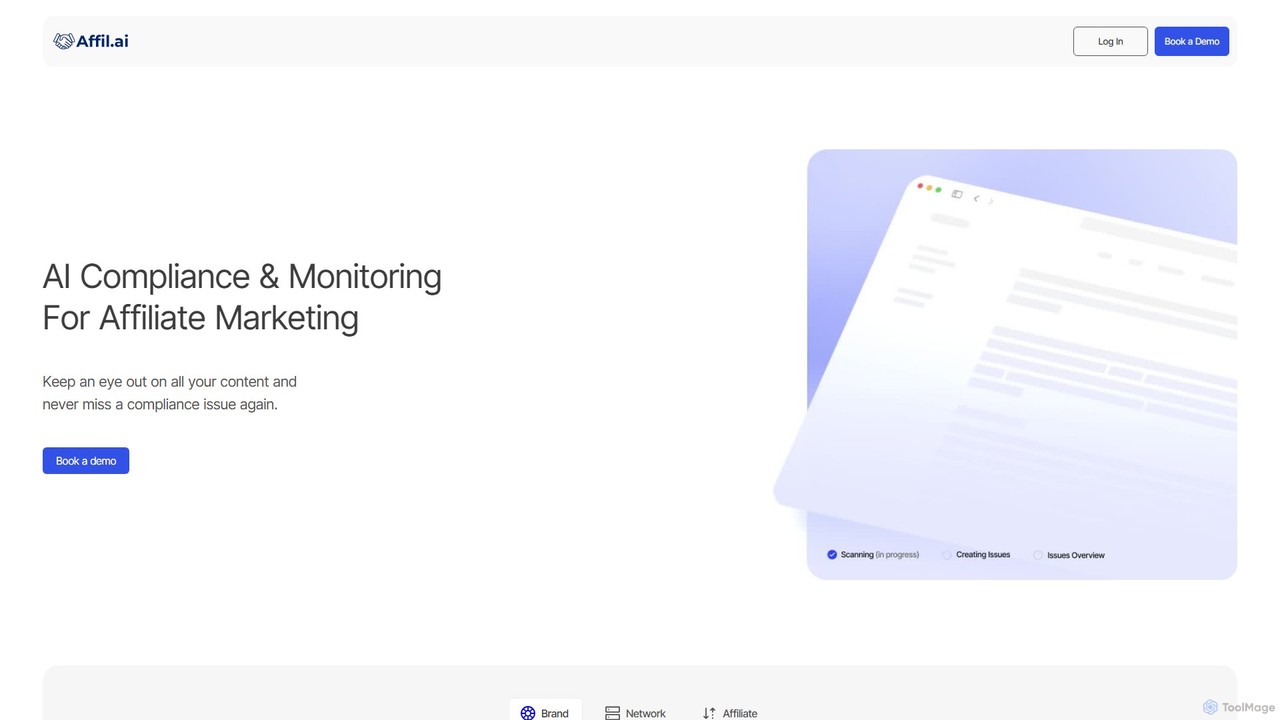
affil.ai is an AI-powered platform designed for automated compliance and content monitoring in affiliate marketing. It helps brands, …

3.6K

About Brand Management

Brand Management AI tools are specialized platforms leveraging artificial intelligence to monitor, analyze, and optimize a brand's presence and perception across various digital channels. These tools utilize advanced NLP, sentiment analysis, and image recognition to track brand mentions, assess public opinion, and ensure consistent brand messaging. They empower businesses to proactively protect their reputation, identify market opportunities, and refine their brand strategy as an integral part of a comprehensive sales and marketing approach.

Core Features

  • Real-time Brand Monitoring: Tracks mentions, keywords, and visual assets across social media, news, and web.
  • Sentiment Analysis: Automatically gauges public opinion and emotional tone towards the brand.
  • Content Consistency Check: Ensures all brand communications align with established guidelines and tone of voice.
  • Reputation Management: Identifies potential crises and helps manage negative feedback or misinformation.
  • Competitor Benchmarking: Analyzes competitor brand performance and market perception for strategic insights.

Applicable Scenarios

Marketing departments use these tools to maintain brand integrity and track campaign effectiveness. PR agencies leverage them for crisis prevention and managing public perception. E-commerce businesses utilize them to monitor product reviews and customer feedback, ensuring brand loyalty and trust. They are crucial for any organization aiming to build and sustain a strong, positive brand image in a dynamic digital landscape.

How to Choose

When selecting Brand Management AI tools, consider the breadth of monitoring channels (social, news, forums), the accuracy of AI-driven sentiment and image analysis, and integration capabilities with existing marketing and CRM platforms. Evaluate the customization options for alerts and reporting, the scalability to handle growing data volumes, and the level of actionable insights provided, rather than just raw data.

Brand ManagementUse Cases

1

Proactive Online Reputation Monitoring

A public relations manager uses AI brand management tools to continuously scan social media, news outlets, and forums for mentions of their company and key executives. The AI automatically flags any negative sentiment or potential crisis indicators, allowing the manager to receive real-time alerts and initiate a rapid response strategy, preventing minor issues from escalating into major brand crises and protecting the company's image.

2

Ensuring Brand Consistency Across Content

A marketing team responsible for multiple product lines utilizes AI tools to ensure all generated content, from social media posts to website copy and ad creatives, adheres strictly to brand guidelines. The AI analyzes text for tone of voice, keyword usage, and visual elements for logo placement and color palette, providing automated feedback and suggestions, thereby maintaining a unified brand identity and strengthening brand recognition.

3

Analyzing Competitor Brand Perception

A strategic marketing analyst employs AI brand management software to gain insights into how competitors are perceived in the market. The tool collects and analyzes public sentiment, media coverage, and customer reviews related to competitor brands. This allows the analyst to identify competitor strengths and weaknesses, uncover market gaps, and inform their own brand positioning and differentiation strategies to gain a competitive edge.

4

Vetting Influencers for Brand Alignment

A brand manager planning an influencer marketing campaign uses AI tools to evaluate potential collaborators. The AI analyzes an influencer's past content, audience demographics, and sentiment around their personal brand to determine alignment with the company's values and target audience. This ensures that chosen influencers genuinely resonate with the brand, minimizing risks of misrepresentation and maximizing campaign effectiveness.

5

Automating Crisis Communication Response

During a brand crisis, a communications team deploys AI-powered brand management tools to automate initial responses and information dissemination. The AI can draft templated replies to common inquiries, identify key stakeholders needing direct communication, and prioritize urgent messages based on sentiment and reach. This significantly speeds up response times, ensures consistent messaging, and helps mitigate negative impact on brand reputation.

6

Measuring Brand Health and Performance

A brand strategist regularly uses AI tools to generate comprehensive reports on brand health metrics. The AI aggregates data on brand mentions, sentiment scores, audience engagement, and share of voice over time. These insights help the strategist understand the impact of marketing campaigns, identify trends in public perception, and make data-driven decisions to optimize future brand building initiatives and achieve long-term growth.

Brand ManagementFrequently Asked Questions