ToolMage
Sign in

Best 2 Email Marketing AI tools for Sales

Popular Email Marketing AI tools in Sales include beebzi and Business AI Prompts, helping you work more efficiently.

Business AI Prompts
Freemium

Business AI Prompts

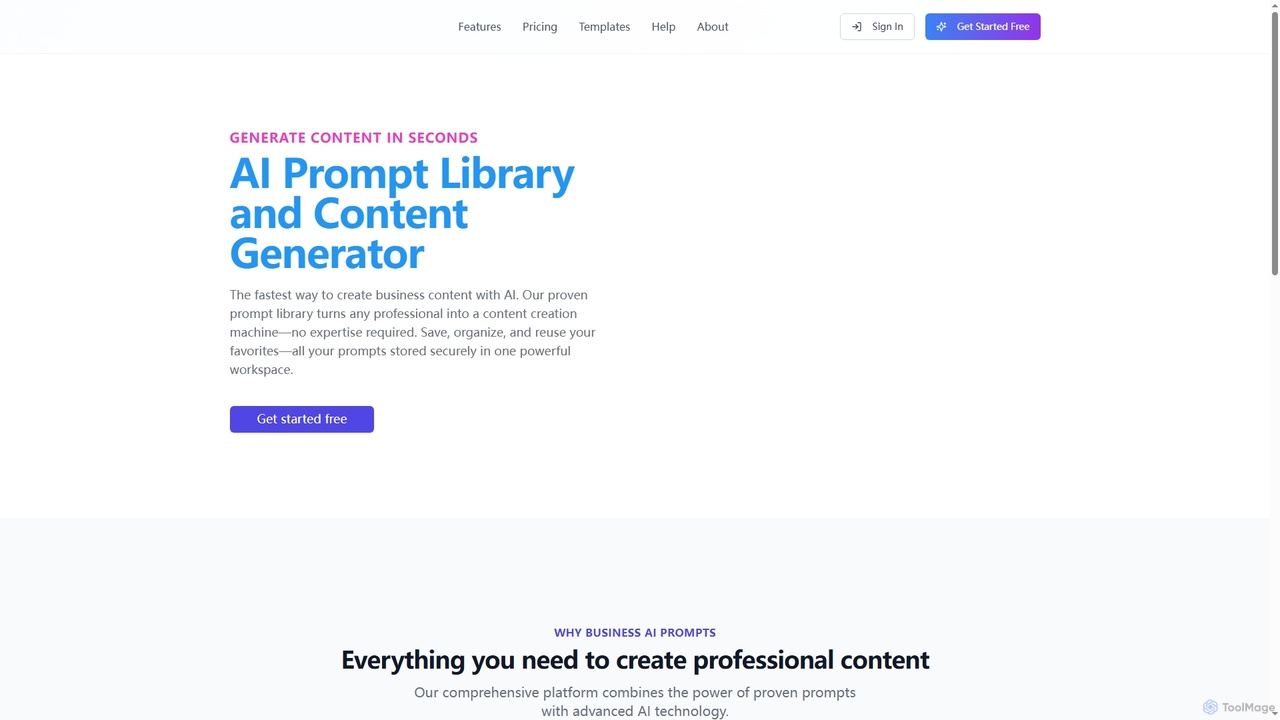
Business AI Prompts is an AI-powered platform offering a vast library of professionally crafted prompts for business needs like marketing, sales, and HR. It enables users to generate high-quality content in seconds, save and organize prompts, and collaborate with teams. The tool features an in-app content generator, a custom prompt builder, and streamlines the entire content creation workflow.

Content Creation
Visits 5.7KFavorites 142Likes 143
beebzi
Freemium

beebzi

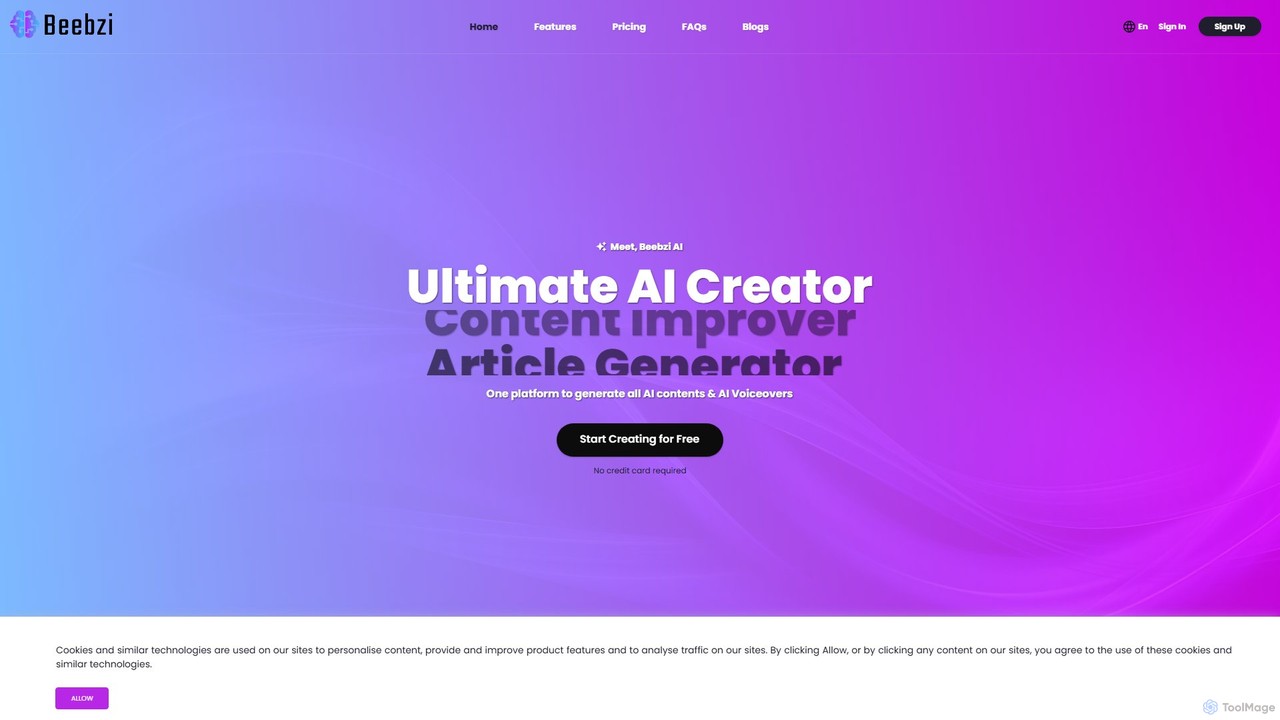
beebzi is an all-in-one AI platform designed for content creation, particularly excelling in real estate marketing. It offers a comprehensive suite of tools for writing articles, blogs, emails, ad copy, and social media posts. Beyond text, it generates AI images, voiceovers, and even code. With over 100 pre-trained templates, including specialized real estate clauses and marketing frameworks, beebzi streamlines content workflows for marketers, agents, and businesses, supporting over 50 languages and team collaboration.

Content Creation
Visits 6.4KFavorites 121Likes 121

About Email Marketing

AI Email Marketing tools are platforms that use artificial intelligence to automate, personalize, and optimize email campaigns. These tools leverage machine learning algorithms to generate compelling subject lines, craft email copy, and predict the optimal send time for each individual recipient. This enables marketers to deliver highly relevant content at the right moment, significantly improving engagement, conversion rates, and customer retention as a key part of a sales strategy. AI enhances traditional email marketing by adding a layer of predictive intelligence and hyper-personalization at scale.

Core Features

  • AI Content Generation: Automatically creates engaging subject lines, email body text, and calls-to-action tailored to specific audiences.
  • Predictive Segmentation: Uses AI to group subscribers based on their predicted future behavior, such as purchase likelihood or churn risk.
  • Send-Time Optimization: Individually determines the best time to send an email to each contact to maximize open rates.
  • Smart A/B Testing: Automates the testing of multiple variables (copy, images, send times) to quickly identify the winning combination.
  • Predictive Lead Scoring: Analyzes subscriber engagement to score leads and automatically trigger personalized nurturing sequences.

Use Cases

AI Email Marketing is widely used by e-commerce businesses to send personalized product recommendations and cart abandonment reminders. B2B companies leverage it for sophisticated lead nurturing and scoring within their sales funnels. Additionally, content creators and publishers use these tools to optimize newsletter delivery and increase subscriber engagement.

How to Choose

When selecting an AI Email Marketing tool, evaluate the depth of its AI capabilities—from basic content generation to advanced predictive analytics. Consider its integration power with your existing CRM, e-commerce platform, and other marketing tools. Also, assess the platform's ease of use, the sophistication of its segmentation and automation workflows, and whether its pricing model aligns with your business growth.

Email Marketing use cases

1

Automate Personalized E-commerce Campaigns

An e-commerce marketing manager uses an AI email tool to increase sales from existing customers. The platform connects to their store data and automatically segments users based on browsing history and past purchases. The AI then generates personalized emails featuring product recommendations, which are sent at the optimal time for each user. This process moves beyond simple 'customers who bought X also bought Y' logic, using predictive models to suggest items a user is likely to want next, resulting in higher click-through rates and average order value.

2

Generate High-Converting Newsletter Content

A content creator or solo entrepreneur needs to send a weekly newsletter but struggles with writer's block. They use an AI email marketing tool to generate ideas. By providing a simple prompt about the week's topic, the AI suggests several engaging subject lines, drafts the introduction, and outlines key talking points. This not only saves hours of brainstorming but also leverages AI's knowledge of high-performing email structures to create content that is more likely to be opened and read, helping to grow their audience and authority.

3

Optimize B2B Lead Nurturing Sequences

A B2B marketing team aims to improve its lead nurturing process. They use an AI email platform that integrates with their CRM. The AI analyzes lead behavior (e.g., website pages visited, content downloaded) to assign a predictive score. Based on this score and user profile, the system automatically enrolls leads into personalized email sequences. For instance, a high-scoring lead might receive a case study and a demo invitation, while a lower-scoring lead gets more educational content. This dynamic approach ensures leads receive the most relevant information, accelerating their journey through the sales funnel.

4

Re-engage Inactive Subscribers with AI

A digital publisher notices that a significant portion of their email list has become inactive. Instead of a generic 'we miss you' campaign, they use an AI tool's predictive features. The AI identifies subscribers most likely to re-engage and suggests the best time to contact them. It also helps craft personalized re-engagement emails based on the subscriber's past reading history, suggesting specific articles or topics they previously enjoyed. This targeted approach is far more effective than a one-size-fits-all campaign, improving list health and reviving lost readership.

5

Improve Email Deliverability and Reputation

An email marketer is concerned about their campaigns landing in spam folders. They use an AI-powered platform that proactively analyzes email content for spam triggers before sending. The AI scans for problematic phrases, poor image-to-text ratios, and risky links. Furthermore, the tool uses predictive analytics to monitor list health, automatically identifying and suggesting the removal of invalid or unengaged contacts that could harm the sender's reputation. This automated vigilance helps ensure maximum deliverability and keeps the sender score high.

6

Scale Personalized Cold Outreach for Sales

A sales development representative (SDR) needs to contact hundreds of new prospects weekly. Manually personalizing each email is impossible. They use an AI email tool that analyzes a prospect's LinkedIn profile or company website. The AI then generates a personalized opening line or a relevant question for each email, referencing a recent company achievement or a shared connection. This allows the SDR to send highly personalized outreach emails at scale, dramatically increasing reply rates compared to generic templates and filling the sales pipeline faster.

Email Marketing FAQ

What is AI Email Marketing?

AI Email Marketing refers to using email marketing platforms enhanced with artificial intelligence. These tools go beyond standard automation by using machine learning to analyze data, predict user behavior, and personalize content at an individual level. Key features often include AI-powered subject line generation, send-time optimization for each recipient, and predictive audience segmentation. The primary goal is to make email campaigns more relevant, timely, and effective, leading to higher engagement and conversions.

How to choose the right AI Email Marketing tool?

When selecting an AI Email Marketing tool, consider these factors:

  • AI Feature Depth: Does it offer basic AI like content generation, or advanced features like predictive segmentation and lead scoring? Choose based on your strategic needs.
  • Integrations: Ensure it connects seamlessly with your essential tools, such as your CRM, e-commerce platform (e.g., Shopify, WooCommerce), and analytics software.
  • Ease of Use: The platform should be intuitive for your team. A complex tool with a steep learning curve can hinder adoption and efficiency.
  • Scalability and Pricing: Check if the pricing model (per subscriber, per send) aligns with your budget and if the platform can grow with your business needs.
What's the difference between standard and AI email marketing?

The main difference lies in intelligence and personalization. Standard email marketing tools rely on rule-based automation (e.g., 'if a user clicks a link, send them email B'). They are great for basic sequences but treat large groups of users the same. AI email marketing adds a layer of predictive intelligence. It doesn't just follow rules; it analyzes data to make decisions, such as predicting which users are about to churn, determining the optimal send time for each person, or generating unique content variations. This leads to hyper-personalized campaigns that adapt dynamically to individual user behavior.

What are the key features of AI Email Marketing platforms?

While features vary, most AI Email Marketing platforms include a core set of intelligent capabilities. Common features include:

  • Content Creation: AI-powered generation of subject lines, headlines, and email copy to overcome writer's block and improve engagement.
  • Send-Time Optimization (STO): Algorithms that analyze past engagement data to send emails at the exact time each individual is most likely to open them.
  • Predictive Segmentation: Automatically grouping contacts based on predicted actions, like who is most likely to make a purchase or unsubscribe.
  • Smart A/B Testing: Automating the process of testing multiple email elements at once to find the optimal combination faster than manual testing.
Who can benefit from using AI Email Marketing tools?

A wide range of users can benefit from AI Email Marketing. E-commerce businesses use it to drive sales through personalized product recommendations and abandoned cart recovery. B2B companies leverage it for sophisticated lead nurturing and to identify sales-ready leads more efficiently. Content creators and publishers use AI to optimize newsletter engagement and grow their audience. Even sales teams can use these tools to scale personalized cold outreach. Essentially, anyone looking to move beyond generic email blasts and deliver more intelligent, personalized communication at scale will find value in these tools.